Greywater Systems: Costs, Savings, and Installation in 2026
Key Cost Figures
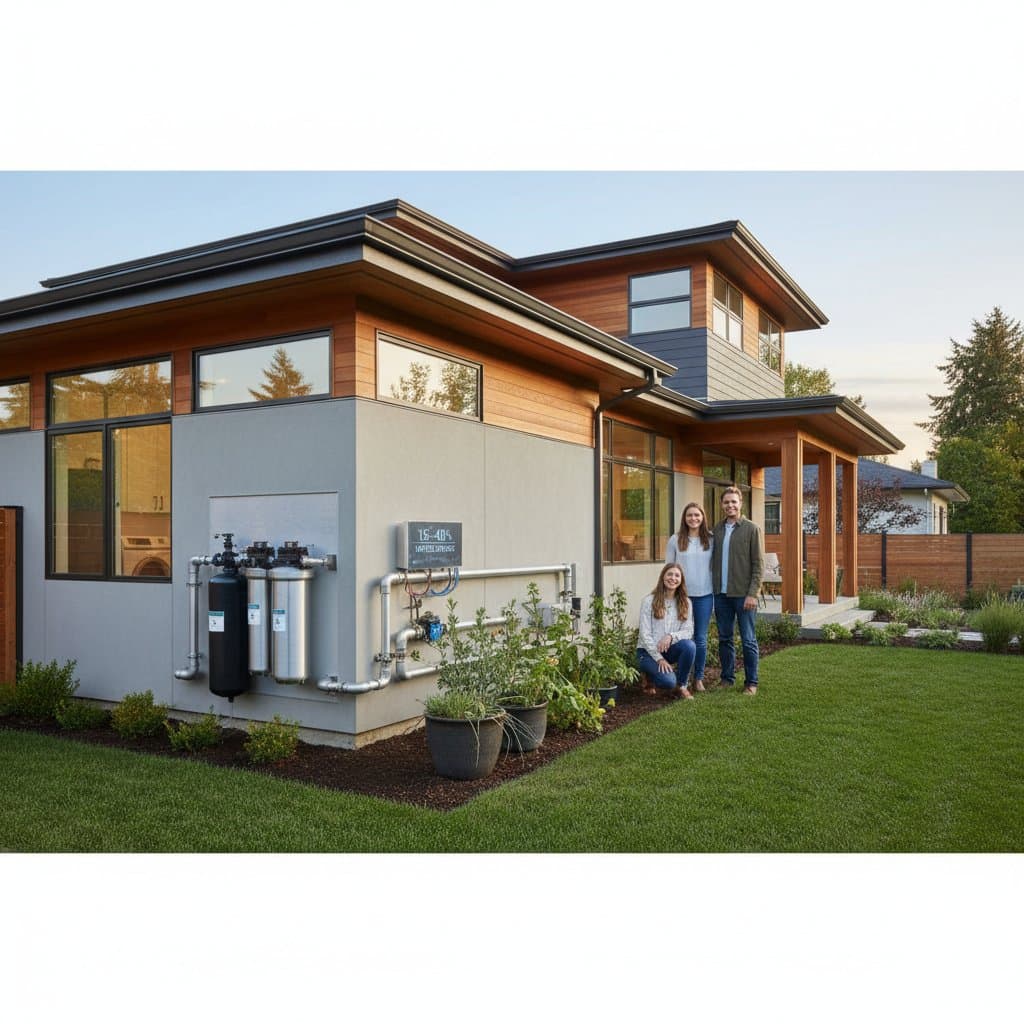
National average cost reaches 4700 dollars. Most projects fall between 2000 and 7000 dollars. Simple laundry to landscape setups start near 800 dollars. Whole house filtration and storage configurations can reach 15000 dollars. Basic systems finish in one to three days. Larger builds may require up to two weeks. Homeowners handle small units themselves. Licensed professionals must complete any work tied to plumbing. These systems reduce outdoor water use by 15 to 40 percent and attract environmentally conscious buyers.
Cost Breakdown
| Item | Unit cost | Typical quantity | Line total | Notes |
|---|---|---|---|---|
| Diverter valve | 50 to 150 dollars | 1 | 50 to 150 dollars | Routes greywater from source |
| Filter and pump assembly | 200 to 900 dollars | 1 | 200 to 900 dollars | Required for pressurized systems |
| Storage tank | 300 to 1500 dollars | 1 | 300 to 1500 dollars | Varies by capacity and material |
| Piping and fittings | 100 to 600 dollars | Set | 100 to 600 dollars | PVC or HDPE rated for non potable water |
| Labor | 1000 to 4000 dollars | 1000 to 4000 dollars | Licensed plumber and installer | |
| Permits and inspection | 150 to 500 dollars | 150 to 500 dollars | Local approval varies | |
| Disposal fees | 50 to 150 dollars | 50 to 150 dollars | Removes old drain or waste lines | |
| Typical total | 2000 to 7000 dollars |
Factors That Influence Price
Single fixture reuse costs far less than whole house systems. Higher quality tanks and ultraviolet filters raise upfront expense yet improve long term reliability. Sloped yards, long pipe runs, or rocky soil extend labor time. High demand regions command higher rates for licensed plumbers. Integration with irrigation controllers or underground tanks adds further expense.
DIY Installation Versus Professional Help
A capable homeowner can route rinse water from a washing machine to landscape beds with a diverter valve, filter, and flexible tubing. This approach avoids major plumbing alterations. Work that connects to bathroom drains or requires a pump belongs to a licensed plumber. Cutting into drain lines or managing pressurized return lines introduces leak and contamination risks. Electrical connections for pumps must satisfy code requirements and need permits.
Homeowners save roughly 40 percent on labor through do it yourself efforts. Such savings may void warranties without proper inspection. Local code compliance must be confirmed before any work begins.
Steps to Control Expenses Effectively
Select gravity fed designs when yard elevation permits. These choices remove pump costs and reduce maintenance needs. Reuse existing irrigation lines rather than install new ones. Combine the project with other plumbing or landscape work to share permit and labor expenses. Obtain at least three detailed quotes. Inquire about maintenance intervals, filter replacement costs, and warranty coverage. Schedule installation during slower seasons when plumbers have lighter schedules.
Installation Timeline
Most systems reach completion within several days after permits are approved. Tanks or trench work can lengthen the schedule. One inspection occurs before lines are covered. Landscapers typically return one week later to verify distribution and fine tune flow rates.
Ongoing Care and Expected Lifespan
Filters require rinsing every few weeks during active periods. Pumps operate five to ten years depending on usage patterns. Ultraviolet stable plastic tanks endure up to two decades. Odor, slow discharge, or uneven irrigation signal the need for attention.
Putting a Greywater System to Work
Lower water bills and healthier landscaping during dry periods provide clear returns. Match system design to yard slope and daily household routines. Simple maintenance routines keep performance consistent over many years.