Understanding Greywater Systems and Their True Costs
Greywater systems allow homeowners to reuse water from showers, sinks, and laundry for irrigation or toilet flushing. This approach reduces utility bills and supports water conservation. Yet the full expenses extend well beyond the initial purchase. Proper planning for design, permits, and upkeep determines whether the investment pays off over time.
A clear review of installation steps, regulatory needs, and ongoing responsibilities helps owners avoid surprises. Attention to these details supports both compliance and reliable performance.
System Types and Their Requirements
Greywater comes from household sources other than toilets and kitchen sinks. Systems vary in complexity and therefore in cost and oversight.
Homeowners typically choose among three categories:
- Direct diversion setups that route water straight to garden lines without tanks.
- Gravity fed units that use basic filters and natural slope for distribution.
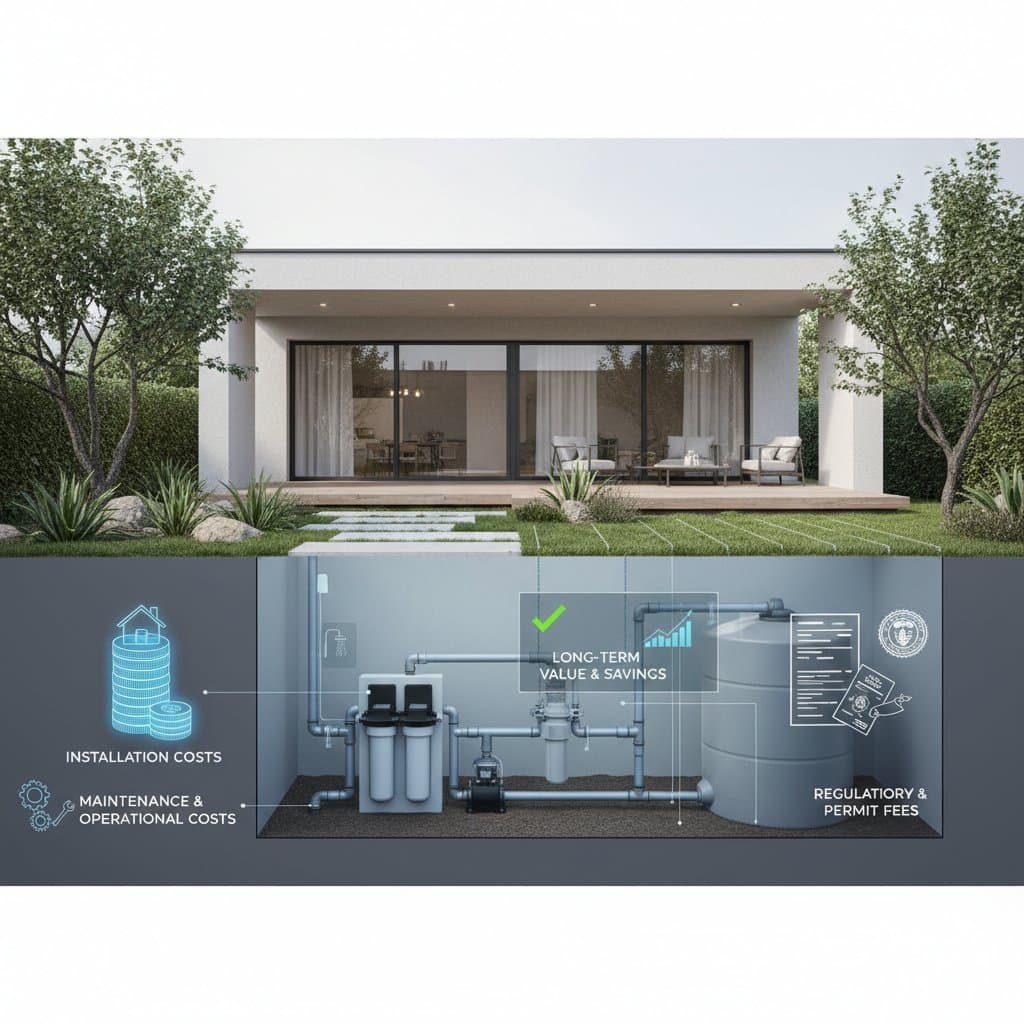
- Pumped and treated models that add storage, filtration, and controls for broader reuse.
Each option triggers different permit thresholds. Simple diversions often need minimal review, while systems with pumps or storage usually require engineered drawings and inspections.
Breakdown of Installation and Operating Costs
Total price depends on system scale, site conditions, and local fees. Basic laundry to landscape kits range from 800 to 2000 dollars for materials and labor. Mid tier gravity systems fall between 3000 and 5000 dollars. Advanced pumped installations with tanks and sensors commonly reach 6000 to 12000 dollars.
Extra charges arise from trenching, electrical work, and soil adjustments. These items add 500 to 2000 dollars in many cases. Permit and inspection costs vary by jurisdiction, with flat fees from 200 to 500 dollars or valuation based assessments that run higher.
Annual maintenance averages 150 to 400 dollars for filter changes and pump service. Neglect can raise repair bills substantially later.
Installation Sequence
- Consult a licensed designer to map water sources and landscape needs.
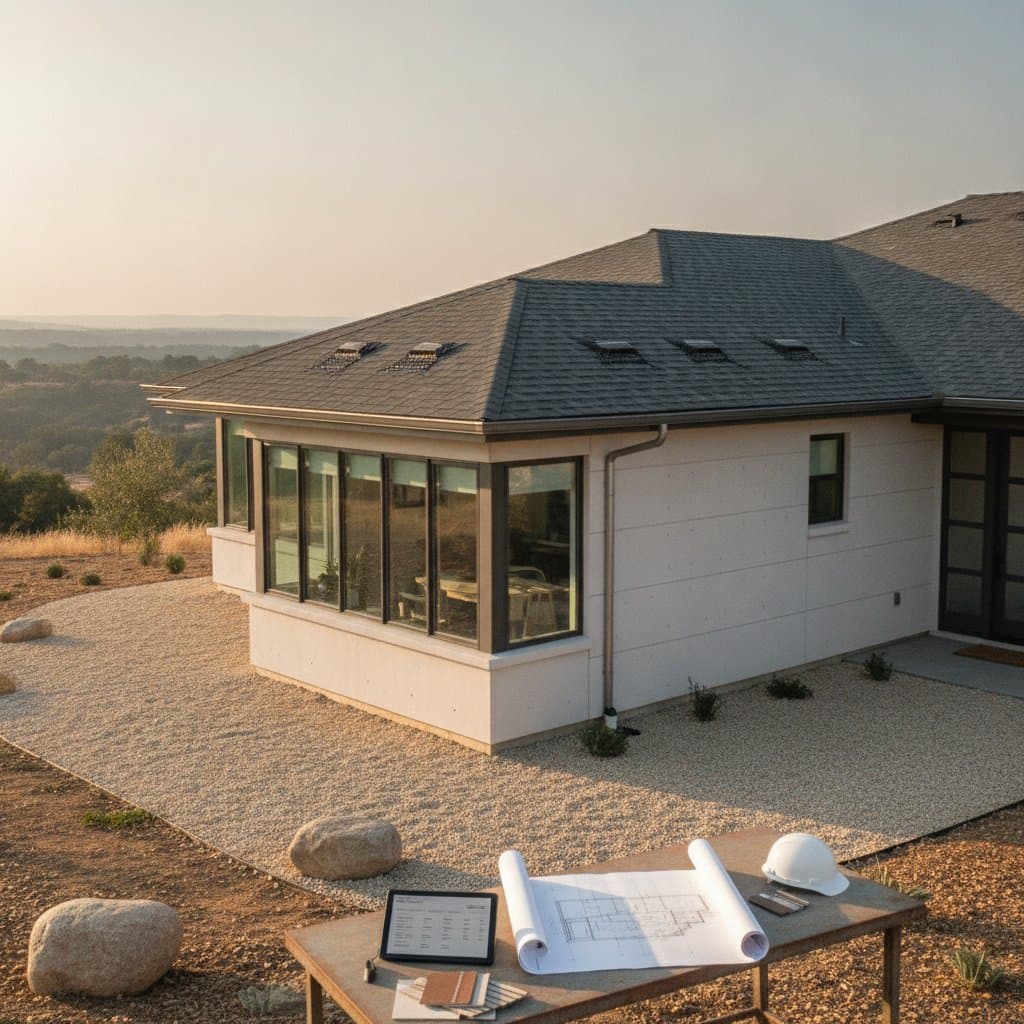
- Prepare a site plan that shows collection points and discharge zones.
- Submit documents for local building or health department review.
- Complete construction once approval arrives, then schedule final inspection.
- Keep records of maintenance as required by the permit.
Delays at the review stage or requests for plan changes increase labor costs and extend timelines.
Regulatory and Permit Factors
Local rules protect water quality and prevent cross connections with drinking supplies. Low volume systems may qualify for simplified permits. Larger flows demand full engineering review and separate sign offs from health or water agencies.
Applications generally include a detailed layout, equipment specifications, backflow prevention details, and a maintenance schedule. Operating without proper permits risks fines or mandatory removal.
Warranty and Service Limitations
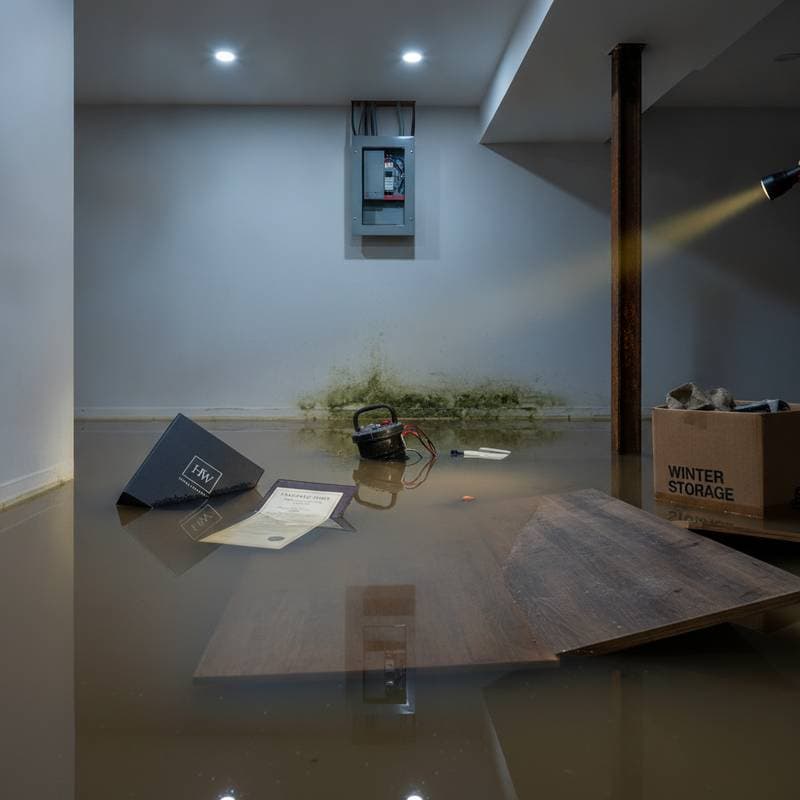
Even professionally installed systems carry exclusions. Warranties typically do not cover damage from blackwater intrusion, skipped filter cleaning, or unauthorized modifications. Labor for replacements may fall outside coverage, leaving owners responsible for those charges.
Long Term Value and Savings
Savings depend on local water rates and irrigation demand. Many households reduce outdoor use by 15 to 40 percent. In high cost areas the system can recover its price within a few years. Lower rate regions see longer payback periods.
Owners should track installation, permit, maintenance, and renewal inspection expenses when calculating total ownership cost. Well maintained units may add modest resale appeal in drought prone markets.
Decision Steps for Homeowners
- Measure daily greywater volume from showers and laundry to match system size.
- Align capacity with actual landscape needs to avoid overspending or permit violations.
- Request itemized bids that list labor, materials, permits, and service plans separately.
- Examine warranty length, exclusions, and transfer rules before signing.
- Verify contractor licensing and insurance specific to water reuse work.
- Project future filter, energy, and compliance costs over five to ten years.
Protecting Your Investment
Contractors sometimes downplay permit needs to win jobs. Homeowners should confirm that permits are active before work begins. Written records of every agreement and inspection provide protection if disputes arise. Regular performance checks keep the system efficient and code compliant.
Cost Comparison Overview
| System Level | Installed Cost Range | Yearly Maintenance | Daily Capacity | Common Limits |
|---|---|---|---|---|
| Basic Diversion | 800 to 2000 dollars | 150 dollars | Up to 50 gallons | No storage or advanced filtration |
| Gravity Filtered | 3000 to 5000 dollars | 200 dollars | Up to 120 gallons | May need soil tests and trenching |
| Pumped and Treated | 6000 to 12000 dollars | 300 to 400 dollars | Up to 250 gallons | Requires electrical service and permits |
Actual figures shift with property layout and regional rates.
Reviewing Contracts Before Commitment
Read every clause on ownership, upkeep duties, and renewal terms. Note required service intervals that keep warranties active. Confirm procedures for transferring coverage if the home is sold. Clear understanding at this stage prevents later disagreements and supports smooth operation.