2026 Solar Plus Battery Storage Installation Costs
Summary Box
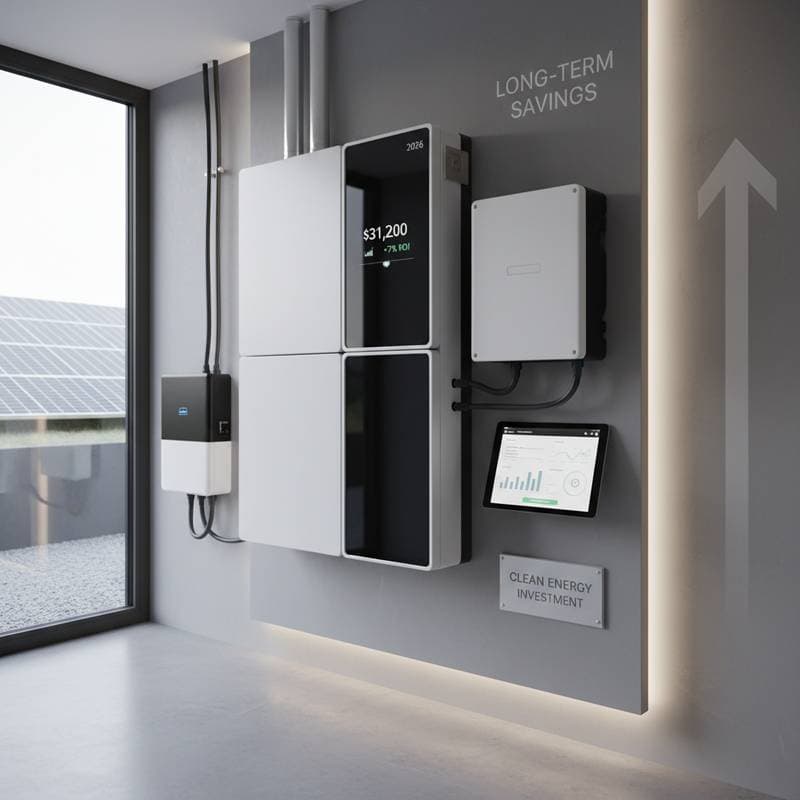
National average cost: $31,200
Typical range: $24,000 to $42,000
Low end: $18,000 for a small solar array with one battery
High end: $55,000 for a large array with multiple batteries and a backup inverter
Time to complete: 3 to 7 days once permits are approved
DIY or Pro: Licensed pro required for electrical tie in and code compliance
ROI or resale impact: Adds 4 to 7 percent to home value when installed with a full roof array
Updated: April 2026
Cost Factors
Scope and size
System capacity drives the largest share of expenses. A 4 kW setup with one small battery supports essential circuits during outages. A 10 kW array paired with two or more batteries handles most household loads for several hours. Each added kilowatt of solar capacity increases the total price by roughly $2,800 to $3,200.
Material grade and finish
Monocrystalline panels deliver higher efficiency than polycrystalline models and reach up to 22 percent efficiency, which reduces required roof space. Lithium iron phosphate batteries cost 10 to 20 percent more than nickel manganese cobalt units yet provide longer service life and safer operation.
Site conditions and accessibility
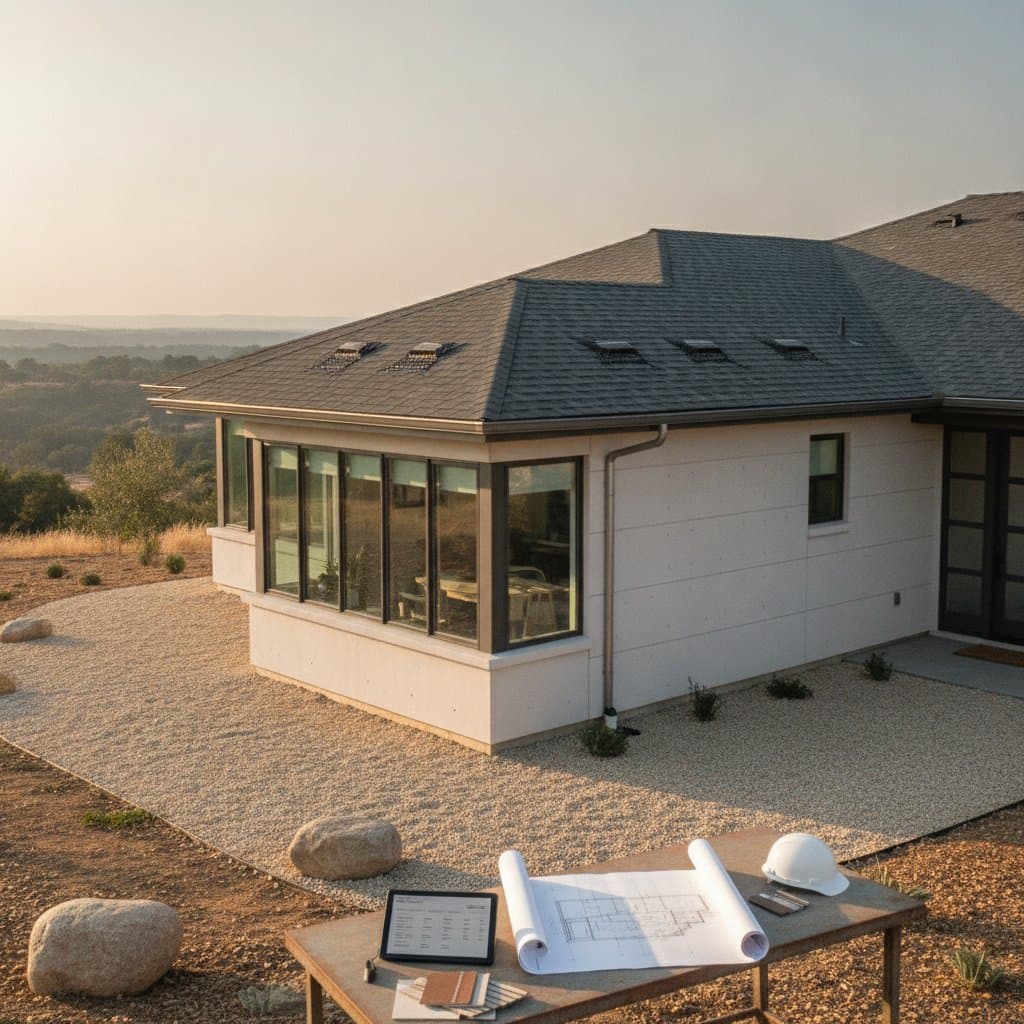
A simple ranch roof with clear sun exposure requires less labor than a steep two story roof with complex wiring paths. Ground mounted arrays add $1,500 to $3,000 for trenching and framing. Tree shading or roof obstructions may necessitate microinverters or optimizers at additional cost.
Labor market and season
Coastal regions with elevated labor rates often reach $1.25 per watt. Rural markets can fall below $0.90 per watt. Scheduling work in late winter or late summer frequently lowers labor charges because demand declines.
Custom work and change orders
Addition of a critical load subpanel, electric vehicle charger, or smart energy management system adds $1,000 to $3,000. Every extra component triggers design revisions and extra inspections. Review the complete scope before work begins to prevent unexpected charges.
How To Save Without Regret
Practical substitutions
Select a modestly sized battery bank that supports modular expansion later. Mid tier panels balance efficiency and cost while reducing annual output by only 3 to 5 percent compared with premium models.
Sequence and prep that reduce labor hours
Clear attic pathways, mark conduit routes, and confirm available breaker space before the crew arrives. This preparation eliminates one to two hours of billable time. Keep backup sealant and blocking materials on site to prevent delays.
Off season timing or batch projects
Coordinate installation with roof replacement to share scaffolding and disposal costs. Installers often discount labor during slower periods to maintain crew schedules.
Compare at least three quotes and what to ask
Use this checklist when evaluating proposals:
- Scope is itemized
- Materials grade and brand are listed
- Surface prep and cleanup are included
- Permit and disposal fees are included
- Warranty terms and timeline are stated
- Payment schedule is tied to milestones
Ask how each installer sizes batteries against your measured load profile. Undersized batteries produce lower quotes yet limit backup duration.
Timeline and Scheduling
Lead times for materials
Solar panels and inverters arrive within two to four weeks. Battery systems often require six to eight weeks because of shipping and certification steps. Order major components before scheduling crews to avoid idle time.
Typical crew days on site
A standard 6 kW array with one battery needs about three days of labor. Larger systems or complex roofs extend to a full week. Electrical inspection and utility approval add several more days before activation.
Inspection touchpoints
Expect at least two inspections. One covers structural and electrical rough in. The second verifies final connections. The local fire department may require clearance checks when batteries sit inside a garage.
Maintenance and Lifespan
Care routines
Clean solar panels once or twice yearly in dusty areas with soft brushes and deionized water. Review inverter screens or app data monthly for error codes. Keep batteries within manufacturer temperature limits.
Common failures and early warnings
Declining output often indicates wiring faults or shading. Inverter faults trigger grid disconnects. Battery problems appear as reduced capacity or slower charge cycles. Address issues promptly to avoid further damage.
When to repair versus replace
Replace a single failed panel under warranty while leaving the remainder in service. Multiple degraded inverters or batteries justify a partial upgrade rather than repeated small fixes. Most batteries retain 70 to 80 percent capacity after ten years of daily use, so plan for eventual replacement in long term budgets.
Regional Notes
Sunlight exposure and climate
Southern and southwestern states achieve target output with fewer panels. Northern locations require arrays oversized by 10 to 20 percent. Cold climates extend battery life because heat accelerates chemical aging.
Utility incentives and rebates
Many utilities provide per kilowatt hour storage rebates or performance payments for grid support during peak hours. These incentives reduce total cost by $2,000 to $5,000. Confirm program availability before signing contracts.
Local permitting and fire codes
Fire departments may restrict interior battery placement or require clearance zones. Roof setback rules can limit panel count. Submit layout drawings early to prevent redesigns.
Planning Your Project
Define energy goals first. Decide whether full outage backup or peak shaving for lower bills matters most. Size the system to cover at least 80 percent of average monthly kilowatt hour usage shown on recent electric bills rather than roof area alone.
Obtain three to five quotes from licensed installers. Request output models based on your exact address and roof tilt. Compare design quality, warranty length, and projected payback in addition to price.
Select hybrid inverters if outages occur frequently or time of use rates apply. These inverters cost more initially yet deliver genuine energy resilience during blackouts.
Store all permits, inspection records, and warranty documents in one location. Organized files support future service visits and strengthen resale value. A correctly installed solar and battery system operates reliably for decades with routine care.