2025 Whole Home Generator Costs: Key Factors in Installation and Permitting
Whole home generators provide uninterrupted power to essential systems during grid outages. Homeowners evaluate options based on capacity, fuel source, and automation features. This guide examines the elements that determine overall expenses, outlines installation processes, and explains permitting procedures for safe, effective implementation.
Functions of a Whole Home Generator and Ideal Scenarios
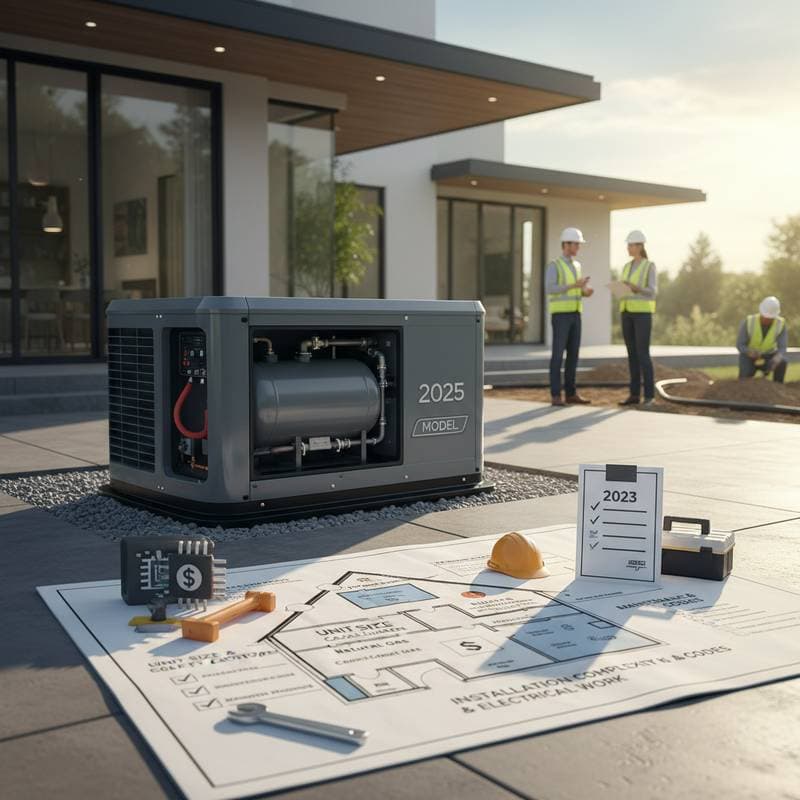
A whole home generator integrates with the primary electrical panel via an automatic transfer switch. It activates within 10 to 20 seconds of a power loss, restoring electricity to designated circuits. These systems prove invaluable for households dependent on medical equipment, well water pumps, sump pumps, or those in areas prone to extended blackouts exceeding several hours. For properties relying on electric heating, cooling, or food preservation, such generators transition from optional to essential.
Detailed Cost Analysis and Influencing Factors
Total expenses vary according to generator capacity, fuel delivery distance, and electrical infrastructure demands. The following table presents national average ranges for typical installations.
| Component | Material Cost Range | Labor Cost Range | Total Cost Range | Key Influencing Factors |
|---|---|---|---|---|
| 10-14 kW Air-Cooled Unit | $3,000 to $5,000 | $2,000 to $3,500 | $5,000 to $8,500 | Suitable for homes up to 2,000 square feet with basic needs |
| 16-22 kW Air-Cooled Unit | $4,500 to $7,500 | $3,500 to $5,000 | $8,000 to $12,500 | Ideal for average-sized residences with moderate appliance loads |
| 25-45 kW Liquid-Cooled Unit | $8,000 to $15,000 | $5,000 to $9,000 | $13,000 to $24,000 | Designed for larger homes supporting heavy-duty HVAC or full-system backup |
Three Core Cost Drivers
- Material Quality and Type: Air-cooled units offer affordability but generate more noise and suit lighter duties. Liquid-cooled models provide superior performance for demanding applications and extended durability.
- Labor Intensity: Extending fuel lines, excavating trenches, or modifying electrical panels increases time and expense.
- Site-Specific Challenges: Limited yard space, underground utilities, or extended wiring paths elevate project costs.
Permits, inspections, and coordination with gas utilities typically contribute an additional $300 to $1,000 to the budget.
Step-by-Step Installation Process
- Conduct a Site Assessment: Identify a level, drained location with at least 18 inches of clearance from exterior walls and 5 feet from windows or doors.
- Prepare the Foundation: Place a precast concrete pad or compacted gravel base to support the unit securely.
- Establish Fuel Supply: Install natural gas or propane lines, incorporating shutoff valves and regulators calibrated to the required flow capacity.
- Connect Electrical Components: Position the transfer switch adjacent to the main panel and route copper wiring rated for the system's amperage.
- Perform Testing and Final Checks: Confirm stable voltage output, proper frequency, and seamless automatic transfer operations.
Air-cooled unit installations generally span 1 to 3 days, while liquid-cooled systems may require up to a week due to their complexity.
Essential Safety Measures, Permits, and Compliance Standards
Secure permits for both electrical and fuel-related work before starting. Gas installations must adhere to local mechanical codes, including mandatory pressure testing. Electrical connections comply with National Electrical Code Article 702, which governs optional standby systems.
Wear personal protective equipment, including gloves, safety glasses, and ear protection, throughout the process. Ensure adequate spacing from plants, debris, or flammable materials. Neglecting permits risks invalidating insurance coverage or manufacturer warranties, potentially leading to significant liabilities.
Pitfalls to Sidestep During Setup
- Selecting an undersized unit, which risks overload and automatic shutdowns during use.
- Overlooking a thorough load assessment prior to selection.
- Inadequate grounding or failure to isolate the neutral conductor.
- Disregarding required ventilation distances.
- Engaging unqualified contractors for gas line installations.
Ongoing Maintenance and Expected Longevity
Post-installation, operate the generator under load for 20 minutes monthly to verify performance. Change oil and filters after every 100 to 200 hours of runtime. Monitor battery charge levels every three months.
Structured Maintenance Schedule
- Immediate Post-Installation: Execute initial startup tests and register for warranty coverage.
- Seasonal Checks: Clear debris from air intakes and verify fuel line pressure.
- Yearly Comprehensive Service: Replace oil, spark plugs, and update control firmware as needed.
With consistent upkeep, air-cooled generators endure 10 to 15 years, and liquid-cooled variants extend to 25 years or more.
Guidelines for Professional Installation Versus DIY Efforts
Homeowners might handle preliminary tasks like site preparation or basic trenching. However, electrical wiring and fuel connections demand certified expertise. Engage a licensed electrician alongside a plumber or gas specialist to mitigate risks.
Decision Framework for DIY Involvement
- Appropriate Skills: Limit to non-technical preparations such as foundation work.
- Risk Assessment: Electrical and fuel tasks carry substantial hazards, including fire, toxic gas exposure, or equipment malfunction.
Planning Your Installation Effectively
Solicit at least three detailed quotes specifying generator specifications, fuel type, and permit management. Use a comparison spreadsheet to identify inconsistencies in scope. Inquire about the contractor's responsibilities for obtaining permits, scheduling inspections, and conducting final startup validations.
A well-executed plan minimizes disruptions, controls expenses, and delivers peace of mind through robust, outage-resistant home power.