AMS Home Guides Logo
Home
Remodeling Cost ComparisonsAbout
AMS Home Guides Logo

Your comprehensive resource for home guides, cost guides, and home warranty information.

HomeAboutAll ArticlesSearchPrivacyTerms

© 2026 AMS Home Guides. All rights reserved.

  1. Home
  2. /
  3. Cost Guides
  4. /
  5. What a New Roof Really Costs: $7,000 to $18,000
Cost Guides

What a New Roof Really Costs: $7,000 to $18,000

byNicole Stambaugh
2026-11-27 03:02:20November 27, 2026
6 min read
Featured image for What a New Roof Really Costs: $7,000 to $18,000
2026-11-27 03:08:50
AMS - Home Guides, Cost Guides, Home Warranty

2026 Roof Replacement Costs: Materials, Labor, and Practical Savings

Planning Your Budget

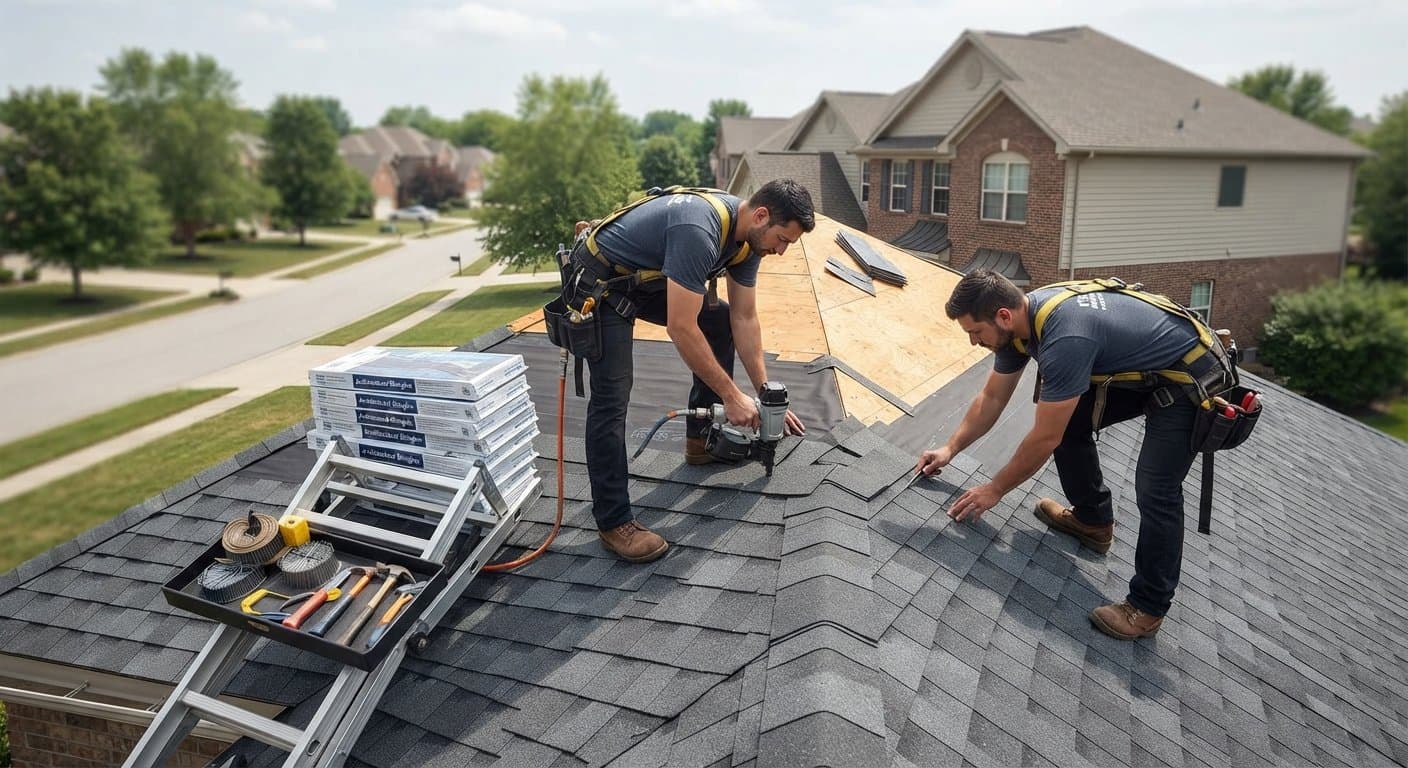
A typical asphalt shingle roof replacement on a 2,000 square foot home costs approximately $11,500. Most projects fall between $7,000 and $18,000 when contractors include tear off and installation. These figures represent planning estimates rather than final bids, since actual costs depend on roof measurements, material choices, and site conditions.

Roof size refers to the total sloped surface area, which contractors measure in squares. One square equals 100 square feet. Your home's floor area often differs from the actual roof surface, so contractors will measure the roof directly before providing a quote.

Cost Breakdown by Component

Materials and Labor Split

Materials typically account for $3,000 to $7,000 of the total cost, while labor, tear off, and disposal make up $4,000 to $11,000. This split varies based on roof pitch, access difficulty, local wage rates, and the number of existing layers that need removal.

Metal roofing carries higher material costs and often requires specialized installation skills. Basic exposed fastener panel systems cost less than standing seam metal, which offers a cleaner appearance but involves more complex installation procedures.

Item Unit Cost Typical Quantity Line Total Notes
Architectural shingles $120 to $220 per square 20 squares $2,400 to $4,400 Shingles only
Underlayment $25 to $70 per square 20 squares $500 to $1,400 Water resistant layer below roofing
Tear off and disposal $100 to $250 per square 20 squares $2,000 to $5,000 More if multiple layers exist
Installation labor $150 to $350 per square 20 squares $3,000 to $7,000 Depends on pitch and detailing
Flashing and ventilation $300 to $1,500 Allowance $300 to $1,500 Around chimneys, vents, and roof edges
Metal panels $300 to $900 per square 20 squares $6,000 to $18,000 Panel type and finish drive price

A 20 square roof serves as an example only. Your contractor's measured area should guide the final estimate. Ask whether each quote includes starter strips, ridge caps, drip edge, ice barrier where required, cleanup, and applicable taxes.

Additional Costs to Consider

Common added expenses include $500 to $2,500 for damaged roof decking replacement, $300 to $1,200 for new ventilation systems, and $150 to $600 for permit fees. Disposal charges may appear separately or within the tear off line item. Confirm whether the contractor will replace rotten wood at a stated per sheet price rather than leaving that cost open ended.

Factors That Influence Final Cost

Several variables affect your total investment. Roof scope and size directly impact material quantities and labor hours. Valleys, dormers, skylights, and chimneys require additional cutting and flashing work that increases both time and expense.

Material grade and finish quality also drive pricing. Basic three tab shingles cost less than architectural shingles. Metal roofing prices depend on panel style, thickness, coating type, and color selection.

Site conditions and access present another consideration. Steep slopes, high eaves, tight driveways, and landscaping that needs protection can increase labor and setup costs. Local crew availability and regional wage levels shape contractor bids, while busy periods may bring longer wait times and higher prices.

Custom work and scope changes expand project costs. Replacing skylights, adding insulation, or modifying roof edges requires written approval and pricing before work begins.

Professional Installation vs DIY Approach

A capable homeowner can inspect the attic for staining, compare material samples, and clear gutters. However, full roof replacement presents significant risks that make it unsuitable for most DIY projects. Falls can cause severe injury, and small flashing mistakes can lead to hidden water damage that becomes expensive to repair.

Hire a licensed roofing contractor for installation work, structural repairs, and projects involving electrical service lines. Licensing requirements vary by location, so check local regulations before beginning any work. Ask contractors how their crew will protect your property, handle weather delays, and document any rotten decking they discover.

DIY work can affect manufacturer warranty coverage and home insurance terms. Read product instructions and warranty conditions before purchasing materials. Local building codes may require permits, specific underlayment types, ventilation standards, or ice protection measures. Confirm these requirements with your building department before starting.

Strategies for Cost Effective Replacement

Keep the existing roof shape and layout when the current design functions properly. Moving vents or skylights adds labor and creates additional leak points that increase long term maintenance needs.

Compare architectural shingles with a midrange metal option using identical roof measurements and scope details. Schedule roof work alongside other exterior repairs, such as fascia replacement, to reduce repeated setup costs.

Request separate pricing for decking, flashing, and ventilation upgrades. Approve essential repairs but avoid paying for upgrades that do not address documented problems. Obtain at least three written quotes that list tear off, material grade, underlayment, flashing, disposal, permits, cleanup, and warranty terms.

A low bid may exclude important items. Ask each contractor to explain the same scope details, then compare total installed cost rather than focusing solely on shingle prices.

Reviewing Contractor Proposals

Before work begins, confirm the roof area, material brand and grade, removal plan, disposal method, permit responsibility, and payment milestones. Use this checklist when evaluating proposals:

  • Scope is itemized and matches your roof specifications
  • Materials and ventilation components are specifically named
  • Surface protection, magnetic nail cleanup, and debris removal are included
  • Permit and disposal charges are clearly stated
  • Warranty terms and workmanship coverage are documented in writing
  • Payments are tied to delivery and completed work, not paid in full upfront

For payment arrangements, use a modest deposit if local rules allow, then pay according to agreed milestones. Hold final payment until cleanup is complete and you receive required inspection records and warranty paperwork. Avoid cash only arrangements or pressure to sign contracts immediately.

Project Timeline Expectations

Many straightforward roofs require one to three crew days once materials arrive. Complex layouts, rain, high winds, or decking repairs can extend the project duration. Ask about lead time for specialty colors or metal panels. Confirm who handles rescheduling when weather makes installation unsafe.

A permit inspection may occur after installation, depending on local requirements. Keep attic access clear, move vehicles away from the work zone, and protect fragile items on walls and shelves from vibration during the project.

Ongoing Maintenance and Roof Lifespan

Inspect the roof from the ground after major storms. Look for missing shingles, bent metal panels, damaged flashing, loose gutters, and debris accumulation in valleys. In the attic, watch for damp insulation, musty odors, or dark marks on wood surfaces.

Regular maintenance extends roof lifespan and helps identify problems before they require major repairs. Address minor issues promptly to prevent water infiltration and structural damage that could lead to more expensive replacements.

Making Your Final Decision

Quality roofing protects your home investment and provides peace of mind during weather events. Focus on contractors who provide detailed written estimates, clear communication about scope changes, and realistic timelines for completion. The right roofing choice balances upfront costs with long term performance and warranty protection.
You may also like

Image for Home Warranty vs. Insurance: What Each Actually Covers

Home Warranty vs. Insurance: What Each Actually Covers

November 25, 2026
Image for Whole-Home Battery Backup Costs $15K to $40K Installed

Whole-Home Battery Backup Costs $15K to $40K Installed

November 25, 2026
Image for Home Warranty vs. Insurance: Don't Confuse What They Cover

Home Warranty vs. Insurance: Don't Confuse What They Cover

November 25, 2026

Tagged:

replacement,cost,roof,new,metal,shingle,2026,roof-replacement-cost-2026,per,metal-vs-shingle-roof

Recent Articles by Nicole Stambaugh

Image for Flooded Basements: What Insurance Won't Cover

Flooded Basements: What Insurance Won't Cover

September 23, 2026
Image for Climate Upgrades That Lower Insurance Costs

Climate Upgrades That Lower Insurance Costs

September 23, 2026
Image for Floor Coverage in Home Warranties vs Replacement Costs

Floor Coverage in Home Warranties vs Replacement Costs

July 17, 2026

Related: replacement

Image for What Your Roof Replacement Estimate Should Include

What Your Roof Replacement Estimate Should Include

November 25, 2026
Image for Septic Replacement Now Costs $15K on Average

Septic Replacement Now Costs $15K on Average

July 10, 2026
Image for Replacing Roof and Solar Together Saves $8,000 in Labor

Replacing Roof and Solar Together Saves $8,000 in Labor

May 16, 2026
Image for Septic Replacement Runs $6K-$20K in 2026

Septic Replacement Runs $6K-$20K in 2026

April 18, 2026
Image for Hurricane Windows Cut Insurance and Boost Home Value

Hurricane Windows Cut Insurance and Boost Home Value

April 18, 2026

Cost Guides

Whole-Home Battery Backup Costs $15K to $40K Installed

A whole-home battery backup typically costs 15,000 to 40,000 dollars installed before incentives, with larger systems reaching 60,000 dollars or more. Price depends on battery capacity, power output, installation complexity, and how many appliances you want to run. Learn how to estimate your needs, compare itemized quotes, and plan for permits and installation.

November 25, 2026

What Your Roof Replacement Estimate Should Include

Roof replacement costs depend on more than material choice. Roof complexity, labor, tear-off, permits, and hidden decking repairs all shape the final bill. Compare detailed installed-system bids, warranties, and long-term upkeep to budget accurately and select a contractor with confidence.

November 25, 2026

Whole-Home Battery Backup Costs $15,000 to $40,000

Whole-home battery backup typically costs fifteen thousand to forty thousand dollars installed before incentives, with larger systems and electrical upgrades potentially exceeding fifty thousand dollars. The right setup depends on essential loads, outage duration, battery capacity, and power output. Learn how to size storage, compare contractor quotes, navigate installation and safety requirements, and plan for long-term maintenance.

November 25, 2026

Flood Resistant Flooring: What Labels Don't Tell You

Flood-resistant flooring costs $2 to $15 per square foot before installation, but price alone does not guarantee protection. Vinyl and porcelain often offer the best balance, while seams, subfloors, moisture sources, warranties, insurance exclusions, and contractor quality determine real performance. Compare total ownership costs, document everything, and prepare beyond flooring.

September 23, 2026

Solar Panels Cost $15K-$30K Before Federal Tax Credits

Solar installation costs typically range from $15,000 to $30,000 before incentives, with batteries and roof upgrades adding more. Federal tax credits and local programs may reduce expenses, but eligibility varies. Compare three detailed quotes, verify production estimates, financing, warranties, and utility rules to determine whether solar suits your home and budget.

September 23, 2026

Granny Pods Cost $100K–$300K: Site Prep Drives Price

A granny pod typically costs $100,000–$300,000, with size, finishes, site conditions, utilities, and local approvals driving the final price. Before buying, confirm zoning, setbacks, permits, and fees. Compare itemized professional bids, budget 10–15% for surprises, and plan accessibility features early to create affordable, compliant, long-term housing.

September 19, 2026

Home Office Deduction Requires Exclusive Business Use

Converting a room into a home office may offer tax savings, but eligibility depends on self-employment, regular exclusive use, documented expenses, and income limits. Compare simplified and actual methods, separate repairs from improvements, allocate shared costs, and preserve detailed records. Before spending, weigh deductions, depreciation, financing, and future sale consequences carefully.

September 19, 2026

Real ADU Pricing: $100K to $350K Breakdown

Learn the true expenses involved in building a granny flat in 2026. This guide details costs from design through final finishes, explains timeline factors, and outlines key decisions that influence total investment and property value.

July 17, 2026

ADU Projects Cost More Than the Construction Quote

Building an ADU in 2026 involves more than construction. It requires careful attention to design, permits, site preparation, and inspections. Costs range widely based on size, location, and materials. Understanding each expense category, planning contingencies, and managing approvals carefully helps homeowners avoid surprises and achieve realistic, financially sound results.

July 16, 2026

Modular Home Costs Drop 25% in 2026: What Changed

Modular home prices may drop 25 percent by 2026 due to automation and supply improvements. Buyers must examine contracts, site conditions, and warranties to capture lasting value.

July 16, 2026

Granny Pod Costs: $85K to $250K Plus Permits

Thinking about adding a granny pod? Expect costs from $85,000 to $250,000 with permits from $2,000 to $12,000. Learn how zoning, design choices, and construction type affect your budget, timeline, and comfort. This guide covers every step from planning and permits to maintenance for a lasting, flexible backyard living solution.

July 15, 2026

Granny Pod Costs Run $85K–$180K in 2026

Granny pods deliver private living space near family while controlling care expenses. Costs in 2026 average between 85000 and 180000 dollars depending on size and location. This guide covers zoning checks, permit steps, and maintenance practices that support a successful build.

July 14, 2026

Standby Generators Cost $7K–$20K Installed in 2026

Learn what it takes to power a home through outages with a whole home generator. Review installation steps, cost drivers from $7,000 to $20,000, the need for professional setup, and maintenance practices that ensure years of automatic backup power.

July 13, 2026

Home Battery Backup Costs Between $9K and $18K Installed

Home battery backups keep power flowing during outages and cut utility costs by storing energy for later use. Expect installation costs between 9,000 and 18,000 dollars, with professional setup ensuring safety, code compliance, and warranty protection. Proper maintenance and annual inspections extend lifespan to 10 to 15 years of reliable energy resilience.

July 11, 2026

Flood Proofing Costs: $10K to $65K for Climate Defense

Flood proofing a home in 2026 averages 29000 dollars and ranges from 10000 to 65000 dollars. This guide covers cost drivers, interior sealing steps, contractor oversight, regional differences, and upkeep practices that protect value and safety.

July 10, 2026

Impact Glass Costs $60 Less Per Square Foot Than Smart

Impact glass offers dependable hurricane protection at a lower cost, while smart glass adds energy efficiency and privacy with a premium price tag. This guide breaks down 2026 costs, pros and cons, installation steps, and maintenance tips to help homeowners choose the right hurricane rated window for safety and performance.

July 10, 2026

Flood-Proofing Your Home Costs $48K in 2026

Preparing your home for future floods can cost anywhere from $22,000 to $83,000, depending on scope, materials, and site conditions. This 2026 guide explains cost factors, professional versus DIY options, and smart savings strategies to make floodproofing investments pay off through lower insurance premiums and increased property resilience.

July 10, 2026

Septic Replacement Now Costs $15K on Average

Homeowners across the country now face average septic replacement costs of 15000 due to higher material, labor, and permit expenses. The work requires licensed installers, proper design, and inspections to avoid contamination. Find out what influences pricing, when replacement becomes necessary, and how to extend system life.

July 10, 2026

2026 Granny Pod Costs: $12K to $150K Breakdown

Discover how much a 2026 granny pod really costs, what permits you’ll need, and the steps to build one safely. From zoning rules and utility tie-ins to cost-saving tips and maintenance essentials, this guide explains everything required to create a comfortable, code-compliant backyard home for aging loved ones.

July 8, 2026

2026 Granny Pod Costs: $55K to $195K Installed

Granny pods offer independent living close to family, but costs range from $55,000 to $195,000 depending on design and site conditions. Zoning rules dictate size, placement, and utilities, making early planning essential. Learn how to navigate permits, choose designs, and avoid costly mistakes before committing to your backyard dwelling.

July 8, 2026

Categories

Appliance & System Coverage
Cost Guides
Home Guides
Home Warranty Basics
Outdoor & Exterior Guides
Remodeling Cost Comparisons
Room-by-Room Guides