
AMS Home Guides Logo
Home
Remodeling Cost ComparisonsAbout
AMS Home Guides Logo

Your comprehensive resource for home guides, cost guides, and home warranty information.

HomeAboutAll ArticlesSearchPrivacyTerms

© 2026 AMS Home Guides. All rights reserved.

  1. Home
  2. /
  3. Cost Guides
  4. /
  5. What Your Roof Replacement Estimate Should Include
Cost Guides

What Your Roof Replacement Estimate Should Include

byLeah Rodriguez
2026-11-25 03:07:00November 25, 2026
7 min read
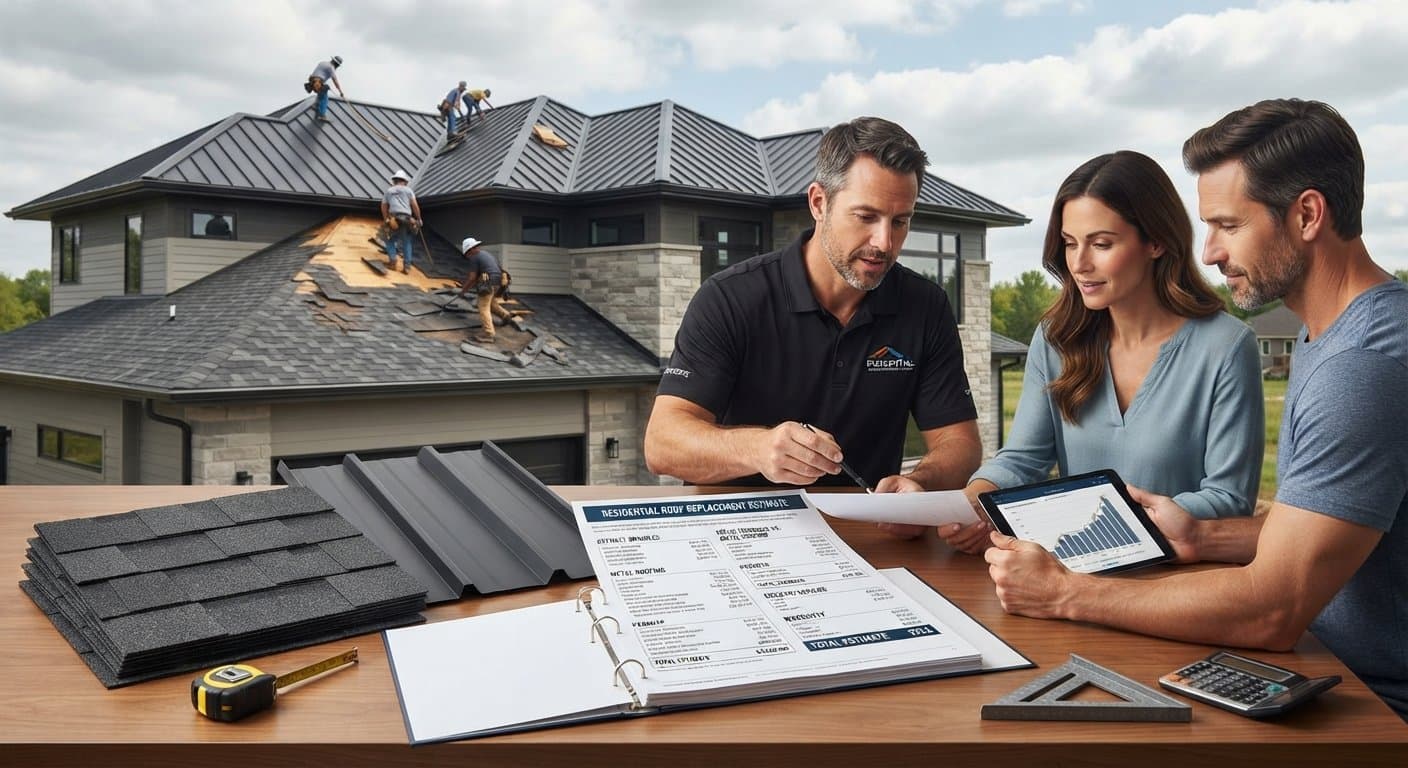
Featured image for What Your Roof Replacement Estimate Should Include
2026-11-25 03:07:00
AMS - Home Guides, Cost Guides, Home Warranty

Understanding Your Roof Replacement Estimate

A roof replacement estimate can appear simple until the contractor measures the roof, inspects the decking, and adds charges for ventilation, flashing, disposal, and permits. Material choice matters, but the final bill also depends on roof shape, local labor rates, access, and the condition of the structure beneath the existing roof.

For a useful comparison, evaluate complete installed systems rather than material prices alone. Asphalt shingles usually have a lower upfront cost and a broad range of styles. Metal roofing generally costs more at installation, but may offer a longer service life and lower maintenance needs when correctly specified and installed. Actual prices differ by region and project, so treat any published range as a planning tool, not a quote.

Components of a Professional Roof Replacement Estimate

A professional estimate should describe the work and materials in enough detail for you to compare bids. Ask each contractor to separate costs for:

  • Roofing material: Shingles or metal panels, underlayment, starter strips, ridge caps, fasteners, and flashing.
  • Labor: Tear-off, installation, cleanup, and any special work around skylights, chimneys, valleys, or steep sections.
  • Removal and disposal: Existing roofing, haul-away, and fees for heavier or difficult-to-dispose materials.
  • Decking repairs: Replacement of damaged plywood or boards, often billed by sheet or by area after the old roof is removed.
  • Ventilation and accessories: Intake and exhaust vents, drip edge, ice barriers where required, and upgraded flashing.
  • Permits and protection: Local permit charges, landscaping protection, and site safety measures.

An estimate that lists only a total price makes it difficult to identify missing work or compare bids. Ask whether the quoted price assumes one existing roof layer, sound decking, and no structural repairs. Confirm how the contractor will price hidden damage, and require approval before extra work begins.

Comparing Asphalt and Metal Roofing Costs

Asphalt shingles generally cost less to purchase and install. Three tab shingles are typically the least expensive option, while architectural shingles cost more but offer a thicker profile and broader design selection. Premium impact resistant or designer products can raise material and labor costs.

Metal roofing covers several different products. Exposed fastener panels tend to cost less than standing seam systems, which use concealed fasteners and require more specialized fabrication and installation. Metal type, panel gauge, finish, roof geometry, and underlayment all affect the price. A low quote for metal may describe a basic panel system, not a premium standing seam roof.

Material or system Relative upfront cost Typical strengths Cost considerations
Three tab asphalt Lowest Familiar appearance, broad contractor availability Shorter expected service life than many upgraded systems
Architectural asphalt Low to moderate More dimensional look, many product options Quality, warranty terms, and wind ratings differ
Exposed fastener metal Moderate to high Durable panels, relatively simple profiles Fasteners and maintenance access matter
Standing seam metal High Concealed fasteners, clean lines Higher labor and fabrication costs

These categories are not fixed price promises. Regional labor, roof pitch, access, tear-off needs, and material availability can shift totals substantially. Request quotes for the same roof area and comparable specifications. Ask contractors to identify the exact product line, thickness or grade where applicable, installation method, and warranty terms.

Why Identical Materials Can Produce Different Costs

Roof area is not the same as a home's floor area. Contractors measure the roof surface and account for pitch, overhangs, and waste. A steep roof requires extra safety measures and takes longer to work on. Multiple valleys, dormers, skylights, and intersecting roof planes increase cutting and flashing labor.

The number of existing layers can also change the bill. Removing multiple layers takes more labor and creates more debris. Local rules may restrict how many layers can remain, and new roofing over old materials can hide damaged decking. Ask whether the contractor recommends a full tear-off and why.

Hidden repairs are a common source of budget pressure. Rot, water damage, and inadequate ventilation may only become visible after removal. Request a written unit price for decking replacement and a process for documenting concealed damage. Photographs and a signed change order help prevent disputes about whether added work was necessary.

Evaluating Long-Term Value

A lower installation price does not automatically produce the lowest long-term cost. Compare the upfront price, expected service life, routine upkeep, repair access, and warranty limits. Asphalt may be more practical for a homeowner who expects to move before a higher-cost system could repay its initial premium. Metal may deserve closer review when the homeowner plans to stay long term and receives a competitive, detailed bid.

Use a simple break-even calculation. Divide the metal system's added upfront cost by the estimated annual replacement or maintenance savings compared with asphalt. Treat the result as a rough planning tool, not a guarantee. Service life depends on installation quality, ventilation, weather exposure, and maintenance. Insurance discounts or energy savings should count only when confirmed by the relevant insurer or a documented household estimate.

Financing can make a larger project manageable, but it adds costs. Compare the cash price with the financed total, including interest, origination charges, and any early payment conditions. Avoid signing under pressure or accepting a payment plan before reviewing the complete contract. A low monthly payment can conceal a high total obligation.

Project Stages and Decision Points

A well-managed project follows clear stages:

  1. Inspection and measurement: The contractor checks the roof, drainage, flashing, ventilation, and visible damage, then records measurements and access issues.
  2. Written proposal: The bid identifies materials, removal method, installation details, cleanup, payment schedule, and exclusions.
  3. Permit and scheduling: The contractor confirms who obtains permits and explains how weather or material delays will be handled.
  4. Tear-off and assessment: Once old roofing is removed, the crew documents concealed damage and requests written authorization for extra work.
  5. Installation and review: The crew installs the specified system, protects the property, removes debris, and completes a final inspection.

Before paying the final balance, inspect the site for leftover debris and request copies of permits, product documents, and warranties. Confirm the contractor's workmanship warranty directly in writing. Manufacturer coverage may depend on approved installation, ventilation, and use of compatible components.

Warranties, Exclusions, and Contractor Verification

A material warranty does not necessarily cover labor, leaks caused by poor installation, storm damage, or repairs to the roof deck. Some warranties offer limited replacement value, prorated benefits, or strict requirements for documentation and maintenance. Read the full terms, including exclusions and transfer rules.

Get multiple written bids and compare scope line by line. Verify licensing and insurance through the relevant local or state agencies, and contact references for similar projects. Ask who supervises the crew, whether subcontractors will be used, and how complaints are handled. Check the contract for cancellation terms, cleanup responsibilities, start conditions, and a clear procedure for disputes.

Choose a bid based on documented scope and credible safeguards, not the lowest headline price. Keep a reserve for concealed repairs, require written approval for changes, and retain all project records.

Final Steps Before Signing

Review every line item with the contractor present. Confirm that the proposal includes all necessary components and that the payment schedule aligns with project milestones. Request written clarification on any unclear terms before committing to the contract.
You may also like

Image for Solar Panels Cost $15K-$30K Before Federal Tax Credits

Solar Panels Cost $15K-$30K Before Federal Tax Credits

September 23, 2026
Image for Granny Pods Cost $100K–$300K: Site Prep Drives Price

Granny Pods Cost $100K–$300K: Site Prep Drives Price

September 19, 2026
Image for Home Office Deduction Requires Exclusive Business Use

Home Office Deduction Requires Exclusive Business Use

September 19, 2026

Tagged:

replacement,cost,roof,new,metal,shingles,asphalt,2026,roof-replacement-cost-2026,metal-vs-asphalt-shingles-cost

Recent Articles by Leah Rodriguez

Image for Flood Resistant Flooring: What Labels Don't Tell You

Flood Resistant Flooring: What Labels Don't Tell You

September 23, 2026
Image for Flood Upgrades Need Three Tests to Pay Off

Flood Upgrades Need Three Tests to Pay Off

September 19, 2026
Image for Home Office Deduction Requires Exclusive Business Use

Home Office Deduction Requires Exclusive Business Use

September 19, 2026
Image for Understanding Product vs Performance Solar Coverage

Understanding Product vs Performance Solar Coverage

July 17, 2026
Image for ADU Projects Cost More Than the Construction Quote

ADU Projects Cost More Than the Construction Quote

July 16, 2026

Related: replacement

Image for Septic Replacement Now Costs $15K on Average

Septic Replacement Now Costs $15K on Average

July 10, 2026
Image for Replacing Roof and Solar Together Saves $8,000 in Labor

Replacing Roof and Solar Together Saves $8,000 in Labor

May 16, 2026
Image for Septic Replacement Runs $6K-$20K in 2026

Septic Replacement Runs $6K-$20K in 2026

April 18, 2026
Image for Hurricane Windows Cut Insurance and Boost Home Value

Hurricane Windows Cut Insurance and Boost Home Value

April 18, 2026
Image for What Roofers Charge to Remove Solar Panels in 2026

What Roofers Charge to Remove Solar Panels in 2026

April 16, 2026

Cost Guides

Flood Resistant Flooring: What Labels Don't Tell You

Flood-resistant flooring costs $2 to $15 per square foot before installation, but price alone does not guarantee protection. Vinyl and porcelain often offer the best balance, while seams, subfloors, moisture sources, warranties, insurance exclusions, and contractor quality determine real performance. Compare total ownership costs, document everything, and prepare beyond flooring.

September 23, 2026

Solar Panels Cost $15K-$30K Before Federal Tax Credits

Solar installation costs typically range from $15,000 to $30,000 before incentives, with batteries and roof upgrades adding more. Federal tax credits and local programs may reduce expenses, but eligibility varies. Compare three detailed quotes, verify production estimates, financing, warranties, and utility rules to determine whether solar suits your home and budget.

September 23, 2026

Granny Pods Cost $100K–$300K: Site Prep Drives Price

A granny pod typically costs $100,000–$300,000, with size, finishes, site conditions, utilities, and local approvals driving the final price. Before buying, confirm zoning, setbacks, permits, and fees. Compare itemized professional bids, budget 10–15% for surprises, and plan accessibility features early to create affordable, compliant, long-term housing.

September 19, 2026

Home Office Deduction Requires Exclusive Business Use

Converting a room into a home office may offer tax savings, but eligibility depends on self-employment, regular exclusive use, documented expenses, and income limits. Compare simplified and actual methods, separate repairs from improvements, allocate shared costs, and preserve detailed records. Before spending, weigh deductions, depreciation, financing, and future sale consequences carefully.

September 19, 2026

Real ADU Pricing: $100K to $350K Breakdown

Learn the true expenses involved in building a granny flat in 2026. This guide details costs from design through final finishes, explains timeline factors, and outlines key decisions that influence total investment and property value.

July 17, 2026

ADU Projects Cost More Than the Construction Quote

Building an ADU in 2026 involves more than construction. It requires careful attention to design, permits, site preparation, and inspections. Costs range widely based on size, location, and materials. Understanding each expense category, planning contingencies, and managing approvals carefully helps homeowners avoid surprises and achieve realistic, financially sound results.

July 16, 2026

Modular Home Costs Drop 25% in 2026: What Changed

Modular home prices may drop 25 percent by 2026 due to automation and supply improvements. Buyers must examine contracts, site conditions, and warranties to capture lasting value.

July 16, 2026

Granny Pod Costs: $85K to $250K Plus Permits

Thinking about adding a granny pod? Expect costs from $85,000 to $250,000 with permits from $2,000 to $12,000. Learn how zoning, design choices, and construction type affect your budget, timeline, and comfort. This guide covers every step from planning and permits to maintenance for a lasting, flexible backyard living solution.

July 15, 2026

Granny Pod Costs Run $85K–$180K in 2026

Granny pods deliver private living space near family while controlling care expenses. Costs in 2026 average between 85000 and 180000 dollars depending on size and location. This guide covers zoning checks, permit steps, and maintenance practices that support a successful build.

July 14, 2026

Standby Generators Cost $7K–$20K Installed in 2026

Learn what it takes to power a home through outages with a whole home generator. Review installation steps, cost drivers from $7,000 to $20,000, the need for professional setup, and maintenance practices that ensure years of automatic backup power.

July 13, 2026

Home Battery Backup Costs Between $9K and $18K Installed

Home battery backups keep power flowing during outages and cut utility costs by storing energy for later use. Expect installation costs between 9,000 and 18,000 dollars, with professional setup ensuring safety, code compliance, and warranty protection. Proper maintenance and annual inspections extend lifespan to 10 to 15 years of reliable energy resilience.

July 11, 2026

Flood Proofing Costs: $10K to $65K for Climate Defense

Flood proofing a home in 2026 averages 29000 dollars and ranges from 10000 to 65000 dollars. This guide covers cost drivers, interior sealing steps, contractor oversight, regional differences, and upkeep practices that protect value and safety.

July 10, 2026

Impact Glass Costs $60 Less Per Square Foot Than Smart

Impact glass offers dependable hurricane protection at a lower cost, while smart glass adds energy efficiency and privacy with a premium price tag. This guide breaks down 2026 costs, pros and cons, installation steps, and maintenance tips to help homeowners choose the right hurricane rated window for safety and performance.

July 10, 2026

Flood-Proofing Your Home Costs $48K in 2026

Preparing your home for future floods can cost anywhere from $22,000 to $83,000, depending on scope, materials, and site conditions. This 2026 guide explains cost factors, professional versus DIY options, and smart savings strategies to make floodproofing investments pay off through lower insurance premiums and increased property resilience.

July 10, 2026

Septic Replacement Now Costs $15K on Average

Homeowners across the country now face average septic replacement costs of 15000 due to higher material, labor, and permit expenses. The work requires licensed installers, proper design, and inspections to avoid contamination. Find out what influences pricing, when replacement becomes necessary, and how to extend system life.

July 10, 2026

2026 Granny Pod Costs: $12K to $150K Breakdown

Discover how much a 2026 granny pod really costs, what permits you’ll need, and the steps to build one safely. From zoning rules and utility tie-ins to cost-saving tips and maintenance essentials, this guide explains everything required to create a comfortable, code-compliant backyard home for aging loved ones.

July 8, 2026

2026 Granny Pod Costs: $55K to $195K Installed

Granny pods offer independent living close to family, but costs range from $55,000 to $195,000 depending on design and site conditions. Zoning rules dictate size, placement, and utilities, making early planning essential. Learn how to navigate permits, choose designs, and avoid costly mistakes before committing to your backyard dwelling.

July 8, 2026

2026 Granny Pod Costs Average $145K Installed

Discover what it really costs to add a granny pod in 2026 from $95,000 prefab builds to $210,000 custom units. Learn how permits, site prep, materials, and labor shape your budget, explore DIY savings, and get expert tips to streamline installation while maximizing comfort, compliance, and long-term value.

July 6, 2026

Federal Solar Credits Cut System Costs 30% in 2026

Homeowners gain expanded federal support for solar in 2026 through higher tax credits, simpler applications, and new direct pay options that reduce upfront costs. Lower equipment prices and streamlined permits improve access. Learn qualification steps, savings strategies, and whether DIY or professional installation suits your situation.

July 5, 2026

Why Flood Coverage Pays 40% Less Than Real Repairs

Flood insurance frequently underpays for complete restoration, leaving homeowners responsible for upgrades, hidden damage, and temporary housing. Understanding policy limits and preparing in advance reduces out-of-pocket costs and speeds recovery.

July 5, 2026

Categories

Appliance & System Coverage
Cost Guides
Home Guides
Home Warranty Basics
Outdoor & Exterior Guides
Remodeling Cost Comparisons
Room-by-Room Guides