
AMS Home Guides Logo
Home
Remodeling Cost ComparisonsAbout
AMS Home Guides Logo

Your comprehensive resource for home guides, cost guides, and home warranty information.

HomeAboutAll ArticlesSearchPrivacyTerms

© 2026 AMS Home Guides. All rights reserved.

  1. Home
  2. /
  3. Cost Guides
  4. /
  5. Whole-Home Battery Backup Costs $15K to $40K Installed
Cost Guides

Whole-Home Battery Backup Costs $15K to $40K Installed

byMelissa Flowers
2026-11-25 03:17:08November 25, 2026
8 min read
Featured image for Whole-Home Battery Backup Costs $15K to $40K Installed
2026-11-25 03:17:08
AMS - Home Guides, Cost Guides, Home Warranty

Whole-Home Battery Backup Costs: What You Will Pay

A whole-home battery backup system typically costs between 15,000 and 40,000 dollars installed before incentives. The median price sits near 25,000 dollars for a system sized to cover essential circuits and some larger loads. Larger setups that can run most household equipment during an outage can cost 40,000 to 60,000 dollars or more.

  • A whole-home battery backup stores electricity and supplies selected circuits or much of a home when grid power fails.
  • The right size can keep critical equipment running, but backup capacity and installation details drive the price.
  • Plan for several weeks from quote to installation, including equipment availability, permits, and utility approval.
  • Use a licensed electrician or qualified battery installer for wiring, service-panel work, and system commissioning.

What Is a Whole-Home Battery Backup?

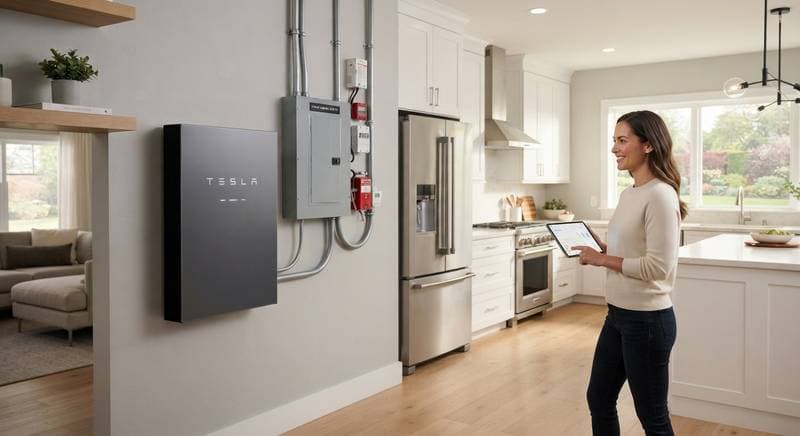
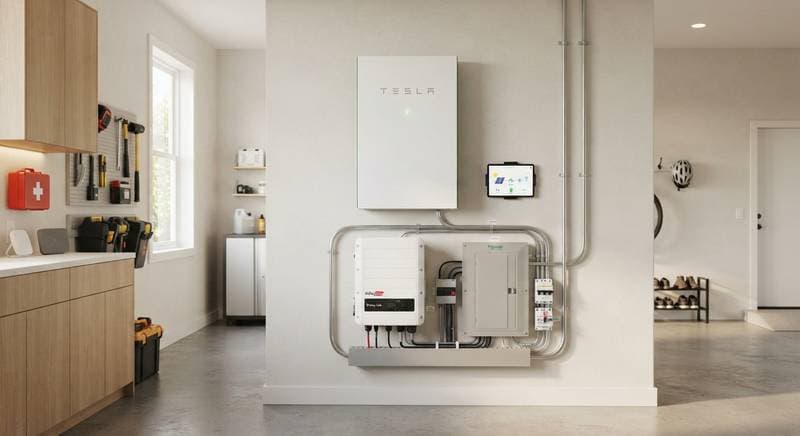
A whole-home battery backup stores electricity for use during a grid outage. The system usually includes one or more batteries, an inverter, an automatic transfer switch, and monitoring equipment. A battery can work with solar panels or charge from the grid, depending on the equipment and local utility rules.

Whole-home describes the coverage goal, not a guaranteed ability to power every appliance at once. A system may back up only selected circuits, or it may support most household loads if it has enough stored energy and output capacity.

What Affects the Cost?

Battery capacity, measured in kilowatt-hours, tells you how much energy the system can store. Power capacity, measured in kilowatts, tells you how much electricity it can deliver at one time. Both numbers matter. A battery may have plenty of stored energy but still struggle to start a large air conditioner if its output is too low.

A basic system may use one battery and back up a refrigerator, lights, internet equipment, and a few outlets. A larger system may need several batteries, load management, and service-panel upgrades to handle heating or cooling equipment, well pumps, or electric vehicle charging.

Whole-Home Battery Backup Cost Breakdown

National installed prices typically range from 15,000 to 40,000 dollars, with a median near 25,000 dollars for a residential battery project. A smaller system for essential circuits may fall near the low end. A large, high-output system with panel upgrades and extensive backup coverage can reach 60,000 dollars or more.

Line item Typical range Notes and variables
Battery equipment 8,000 to 25,000 dollars Capacity, brand, and number of units
Inverter and transfer equipment 1,500 to 5,000 dollars May be integrated into the battery
Electrical installation 3,000 to 10,000 dollars Wiring distance, labor, and system complexity
Panel or service upgrades 1,500 to 5,000 dollars Required when existing equipment cannot support the design
Permits and inspections 200 to 1,000 dollars Fees differ by city and utility
Backup load controls 500 to 3,000 dollars Helps manage large loads and extend battery runtime

Low-cost projects usually use one battery, short wiring runs, and an existing panel with capacity. High-cost projects often include multiple batteries, a service upgrade, long cable runs, difficult access, or backup for high-demand equipment. Disposal, travel minimums, and seasonal labor demand can add to the quote.

Solar battery installation cost is a separate consideration. Adding batteries to an existing solar system can cost less than installing solar and storage together, but compatibility work may add expense. Ask whether the quote includes an inverter, transfer switch, monitoring, permit fees, and commissioning.

How to Estimate the Battery Size You Need

Start with the loads you cannot do without. List each appliance, its wattage, and how many hours you expect to use it during an outage. A refrigerator, lights, internet router, and phone charging need less power than central air conditioning, electric heat, or a well pump.

Ask the installer to show two estimates. The first covers essential-load backup that keeps selected circuits running, often at lower cost. The second covers broad whole-home backup that supports more appliances, but may require multiple batteries and automatic load controls.

A short outage and a multi-day outage need different plans. Solar panels can recharge batteries during the day, but output depends on weather, roof conditions, and system design. Do not assume a battery will run every appliance continuously.

DIY or Hire a Battery Installer?

Battery systems connect to household wiring and may involve service-panel changes. Use a licensed electrician or qualified installer. DIY work can create shock, fire, equipment damage, and permit problems.

Decision factor DIY Licensed installer
Skill level Not suitable for most homeowners Trained electrical and battery-system work
Tools required Specialized electrical tools and test equipment Professional tools and commissioning equipment
Safety risk High, including shock and fire Managed through electrical procedures
Permit or code Homeowner may not be allowed to perform the work Installer coordinates permits and inspections
Time required Not recommended Commonly one to three installation days
Warranty impact Incorrect installation may void coverage Work may meet manufacturer requirements

The full process can take several weeks because plans may need approval and equipment delivery can take time. Installation itself often takes one to three days. Permit review, utility requirements, and inspection schedules affect the overall timeline.

Safety and Code Notes

Do not open a battery enclosure, alter high-voltage wiring, or connect backup equipment to a panel yourself. Batteries can deliver dangerous current and may create fire risks if installed or handled incorrectly.

The installer should confirm that the system meets local electrical and fire codes, uses approved equipment, and has appropriate clearances. Ask how the battery shuts down during service and how it behaves during a grid outage. Keep the installation area clear and follow the manufacturer instructions for inspection and maintenance.

Regional Factors

Climate, building type, utility rules, and local codes affect battery choice and installation cost.

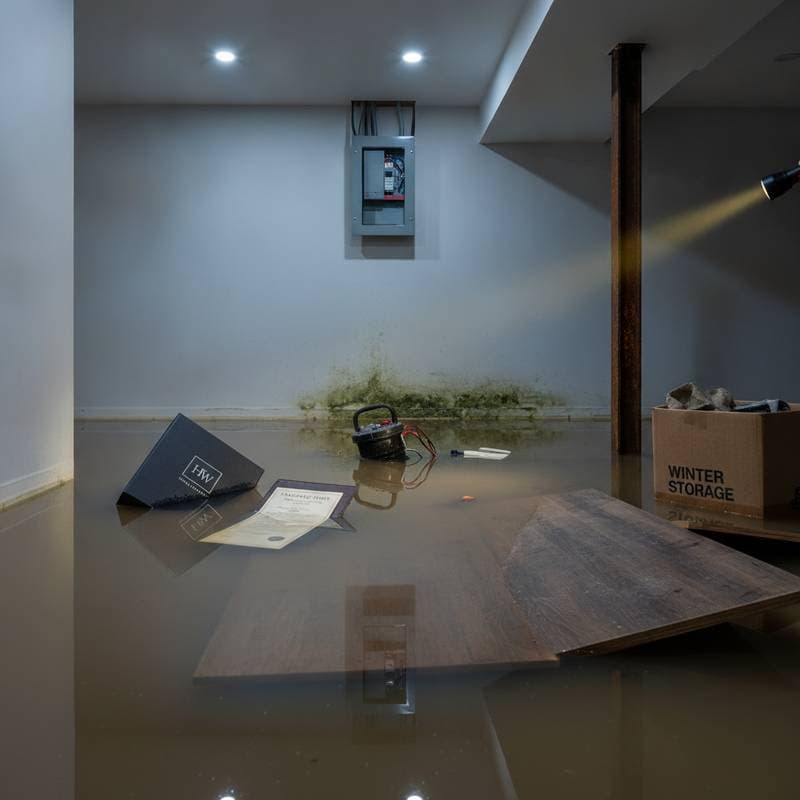
Hot-humid regions experience heat and humidity that can affect equipment performance. Choose a location that meets manufacturer temperature limits and protects equipment from water.

Mixed-humid regions require confirmation that the battery location avoids standing water and large temperature swings, such as an unconditioned garage.

Cold regions need checks on low-temperature charging limits. Indoor placement or approved temperature management may be needed, especially where freeze-thaw cycles are common.

Arid regions face dust and extreme heat that can influence enclosure placement and maintenance. Wildfire-prone areas may have stricter fire access or equipment location rules.

Marine regions deal with salt air that can corrode unsuitable hardware. Ask about corrosion-resistant equipment and protected placement.

Soil and pests affect ground-mounted equipment that needs a stable base. Local rodents or insects can damage wiring. Protect cables as the installer specifies.

Permit rules and utility interconnection requirements differ by location. Get local approval before buying equipment. In many regions, scheduling work outside peak renovation seasons can make contractor availability easier, though equipment lead times still matter.

Incentives, Financing, and Quotes

Tax credits, rebates, and utility programs change over time and depend on eligibility. Confirm current rules with a tax professional, utility, and state energy office before subtracting incentives from a quote. Compare the price before incentives with the estimated net cost, and ask whether the estimate assumes a specific credit.

Request at least three itemized bids. Each should state usable capacity, continuous power output, backed-up circuits, warranty length, permit responsibility, and any panel work. Ask what happens if the battery cannot power a large appliance you expect to use.

FAQs

Can one battery power an entire house?

Usually not every appliance at once. Coverage depends on battery output, stored energy, and how the installer configures backed-up circuits.

How long does a home battery last during an outage?

Runtime depends on battery size and household use. A system may last longer when it serves only essential loads and shorter when heating or cooling equipment runs.

Is a battery cheaper with solar panels?

Adding batteries to an existing solar system can cost less than installing solar and storage together, but compatibility work may add expense.

Planning Your Battery Backup Project

Begin by identifying your critical loads and discussing your outage history with potential installers. Compare multiple bids that detail equipment specifications, installation requirements, and warranty coverage. Schedule a site visit to confirm panel capacity, wiring routes, and placement options before finalizing your decision.
You may also like

Image for Whole-Home Battery Backup Costs $15,000 to $40,000

Whole-Home Battery Backup Costs $15,000 to $40,000

November 25, 2026
Image for Flooded Basements: What Insurance Won't Cover

Flooded Basements: What Insurance Won't Cover

September 23, 2026
Image for Flood Resistant Flooring: What Labels Don't Tell You

Flood Resistant Flooring: What Labels Don't Tell You

September 23, 2026

Tagged:

home,installation,cost,solar,battery,whole,backup,house,home-battery-backup-cost,solar-battery-installation-cost

Recent Articles by Melissa Flowers

Image for Landlord Home Warranties Cut Surprise Repair Bills

Landlord Home Warranties Cut Surprise Repair Bills

September 23, 2026
Image for Real ADU Pricing: $100K to $350K Breakdown

Real ADU Pricing: $100K to $350K Breakdown

July 17, 2026

Related: home

Image for Flooded Basements: What Insurance Won't Cover

Flooded Basements: What Insurance Won't Cover

September 23, 2026
Image for Flood Resistant Flooring: What Labels Don't Tell You

Flood Resistant Flooring: What Labels Don't Tell You

September 23, 2026
Image for Wildfire Protection Starts With Your Roof and Vents

Wildfire Protection Starts With Your Roof and Vents

September 23, 2026
Image for Landlord Home Warranties Cut Surprise Repair Bills

Landlord Home Warranties Cut Surprise Repair Bills

September 23, 2026
Image for Solar Panels Cost $15K-$30K Before Federal Tax Credits

Solar Panels Cost $15K-$30K Before Federal Tax Credits

September 23, 2026

Cost Guides

Flood Resistant Flooring: What Labels Don't Tell You

Flood-resistant flooring costs $2 to $15 per square foot before installation, but price alone does not guarantee protection. Vinyl and porcelain often offer the best balance, while seams, subfloors, moisture sources, warranties, insurance exclusions, and contractor quality determine real performance. Compare total ownership costs, document everything, and prepare beyond flooring.

September 23, 2026

Solar Panels Cost $15K-$30K Before Federal Tax Credits

Solar installation costs typically range from $15,000 to $30,000 before incentives, with batteries and roof upgrades adding more. Federal tax credits and local programs may reduce expenses, but eligibility varies. Compare three detailed quotes, verify production estimates, financing, warranties, and utility rules to determine whether solar suits your home and budget.

September 23, 2026

Granny Pods Cost $100K–$300K: Site Prep Drives Price

A granny pod typically costs $100,000–$300,000, with size, finishes, site conditions, utilities, and local approvals driving the final price. Before buying, confirm zoning, setbacks, permits, and fees. Compare itemized professional bids, budget 10–15% for surprises, and plan accessibility features early to create affordable, compliant, long-term housing.

September 19, 2026

Home Office Deduction Requires Exclusive Business Use

Converting a room into a home office may offer tax savings, but eligibility depends on self-employment, regular exclusive use, documented expenses, and income limits. Compare simplified and actual methods, separate repairs from improvements, allocate shared costs, and preserve detailed records. Before spending, weigh deductions, depreciation, financing, and future sale consequences carefully.

September 19, 2026

Real ADU Pricing: $100K to $350K Breakdown

Learn the true expenses involved in building a granny flat in 2026. This guide details costs from design through final finishes, explains timeline factors, and outlines key decisions that influence total investment and property value.

July 17, 2026

ADU Projects Cost More Than the Construction Quote

Building an ADU in 2026 involves more than construction. It requires careful attention to design, permits, site preparation, and inspections. Costs range widely based on size, location, and materials. Understanding each expense category, planning contingencies, and managing approvals carefully helps homeowners avoid surprises and achieve realistic, financially sound results.

July 16, 2026

Modular Home Costs Drop 25% in 2026: What Changed

Modular home prices may drop 25 percent by 2026 due to automation and supply improvements. Buyers must examine contracts, site conditions, and warranties to capture lasting value.

July 16, 2026

Granny Pod Costs: $85K to $250K Plus Permits

Thinking about adding a granny pod? Expect costs from $85,000 to $250,000 with permits from $2,000 to $12,000. Learn how zoning, design choices, and construction type affect your budget, timeline, and comfort. This guide covers every step from planning and permits to maintenance for a lasting, flexible backyard living solution.

July 15, 2026

Granny Pod Costs Run $85K–$180K in 2026

Granny pods deliver private living space near family while controlling care expenses. Costs in 2026 average between 85000 and 180000 dollars depending on size and location. This guide covers zoning checks, permit steps, and maintenance practices that support a successful build.

July 14, 2026

Standby Generators Cost $7K–$20K Installed in 2026

Learn what it takes to power a home through outages with a whole home generator. Review installation steps, cost drivers from $7,000 to $20,000, the need for professional setup, and maintenance practices that ensure years of automatic backup power.

July 13, 2026

Home Battery Backup Costs Between $9K and $18K Installed

Home battery backups keep power flowing during outages and cut utility costs by storing energy for later use. Expect installation costs between 9,000 and 18,000 dollars, with professional setup ensuring safety, code compliance, and warranty protection. Proper maintenance and annual inspections extend lifespan to 10 to 15 years of reliable energy resilience.

July 11, 2026

Flood Proofing Costs: $10K to $65K for Climate Defense

Flood proofing a home in 2026 averages 29000 dollars and ranges from 10000 to 65000 dollars. This guide covers cost drivers, interior sealing steps, contractor oversight, regional differences, and upkeep practices that protect value and safety.

July 10, 2026

Impact Glass Costs $60 Less Per Square Foot Than Smart

Impact glass offers dependable hurricane protection at a lower cost, while smart glass adds energy efficiency and privacy with a premium price tag. This guide breaks down 2026 costs, pros and cons, installation steps, and maintenance tips to help homeowners choose the right hurricane rated window for safety and performance.

July 10, 2026

Flood-Proofing Your Home Costs $48K in 2026

Preparing your home for future floods can cost anywhere from $22,000 to $83,000, depending on scope, materials, and site conditions. This 2026 guide explains cost factors, professional versus DIY options, and smart savings strategies to make floodproofing investments pay off through lower insurance premiums and increased property resilience.

July 10, 2026

Septic Replacement Now Costs $15K on Average

Homeowners across the country now face average septic replacement costs of 15000 due to higher material, labor, and permit expenses. The work requires licensed installers, proper design, and inspections to avoid contamination. Find out what influences pricing, when replacement becomes necessary, and how to extend system life.

July 10, 2026

2026 Granny Pod Costs: $12K to $150K Breakdown

Discover how much a 2026 granny pod really costs, what permits you’ll need, and the steps to build one safely. From zoning rules and utility tie-ins to cost-saving tips and maintenance essentials, this guide explains everything required to create a comfortable, code-compliant backyard home for aging loved ones.

July 8, 2026

2026 Granny Pod Costs: $55K to $195K Installed

Granny pods offer independent living close to family, but costs range from $55,000 to $195,000 depending on design and site conditions. Zoning rules dictate size, placement, and utilities, making early planning essential. Learn how to navigate permits, choose designs, and avoid costly mistakes before committing to your backyard dwelling.

July 8, 2026

2026 Granny Pod Costs Average $145K Installed

Discover what it really costs to add a granny pod in 2026 from $95,000 prefab builds to $210,000 custom units. Learn how permits, site prep, materials, and labor shape your budget, explore DIY savings, and get expert tips to streamline installation while maximizing comfort, compliance, and long-term value.

July 6, 2026

Federal Solar Credits Cut System Costs 30% in 2026

Homeowners gain expanded federal support for solar in 2026 through higher tax credits, simpler applications, and new direct pay options that reduce upfront costs. Lower equipment prices and streamlined permits improve access. Learn qualification steps, savings strategies, and whether DIY or professional installation suits your situation.

July 5, 2026

Why Flood Coverage Pays 40% Less Than Real Repairs

Flood insurance frequently underpays for complete restoration, leaving homeowners responsible for upgrades, hidden damage, and temporary housing. Understanding policy limits and preparing in advance reduces out-of-pocket costs and speeds recovery.

July 5, 2026

Categories

Appliance & System Coverage
Cost Guides
Home Guides
Home Warranty Basics
Outdoor & Exterior Guides
Remodeling Cost Comparisons
Room-by-Room Guides