
Articles tagged with ADU - Page 8
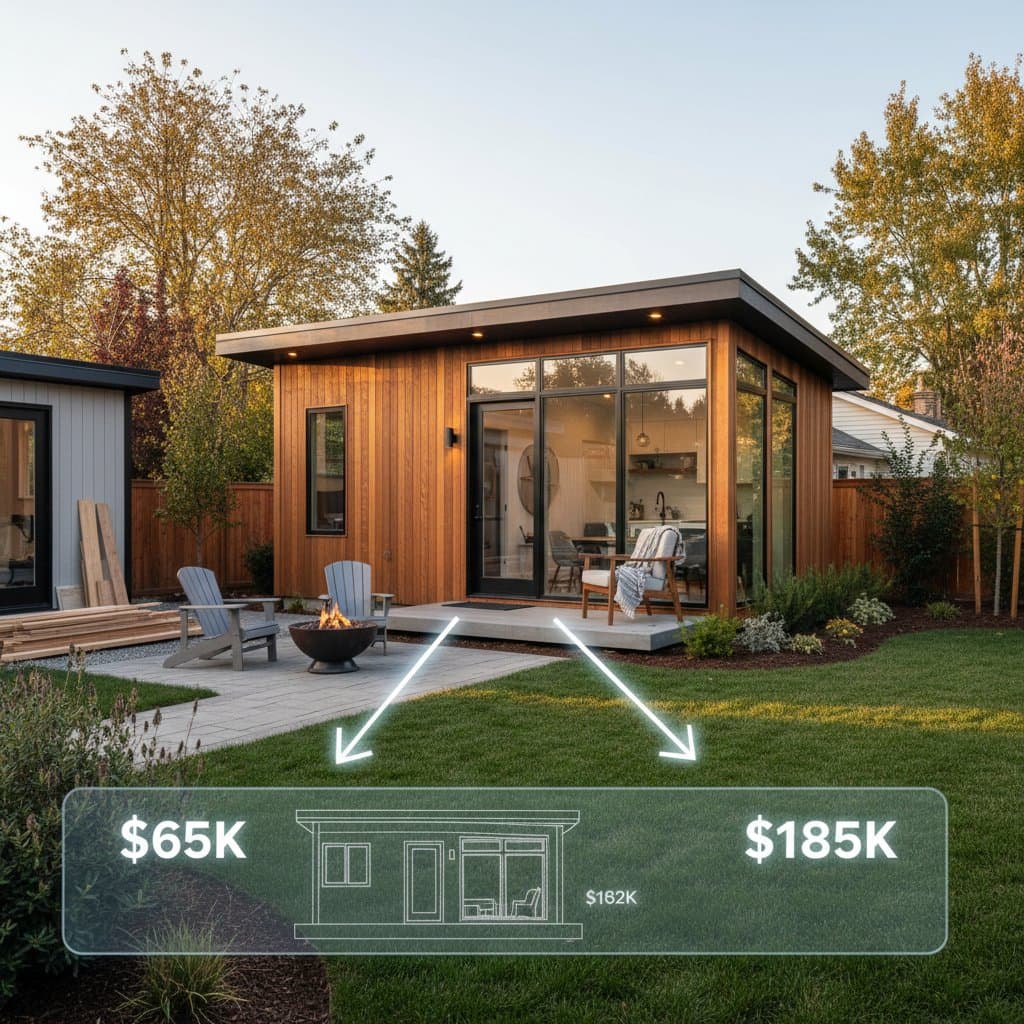
Uncover the 2026 costs of backyard granny pods, ranging from $65,000 for basic prefabs to $185,000 for luxury options. Examine how size, materials, and site factors influence pricing, the benefits of professional installation, and strategies to maximize property value through thoughtful upgrades and timing.
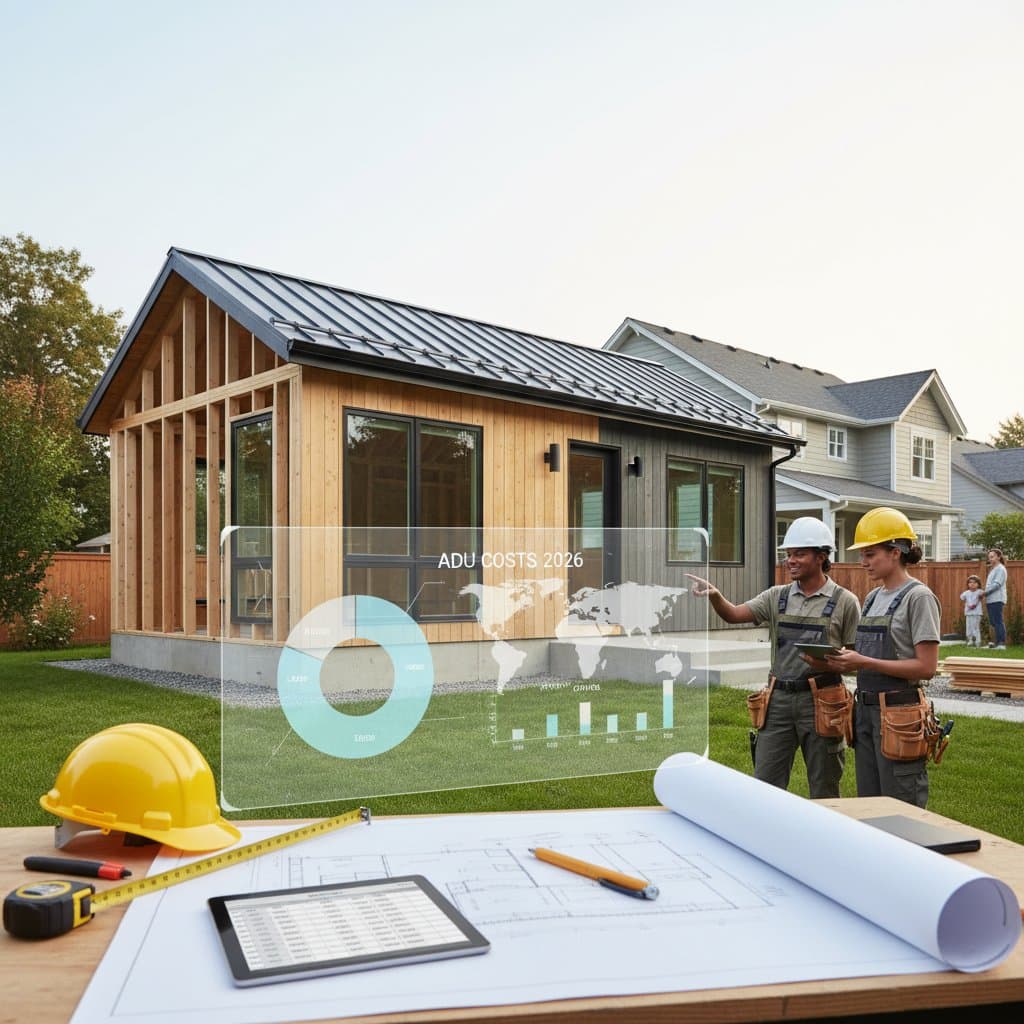
Uncover the true expenses of constructing a granny flat in 2026, from foundational work to final touches, permits, and location-based variations. This detailed guide outlines cost estimates, project timelines, and choices between professional builders and DIY efforts to help you add versatile living space that generates income or supports family needs.
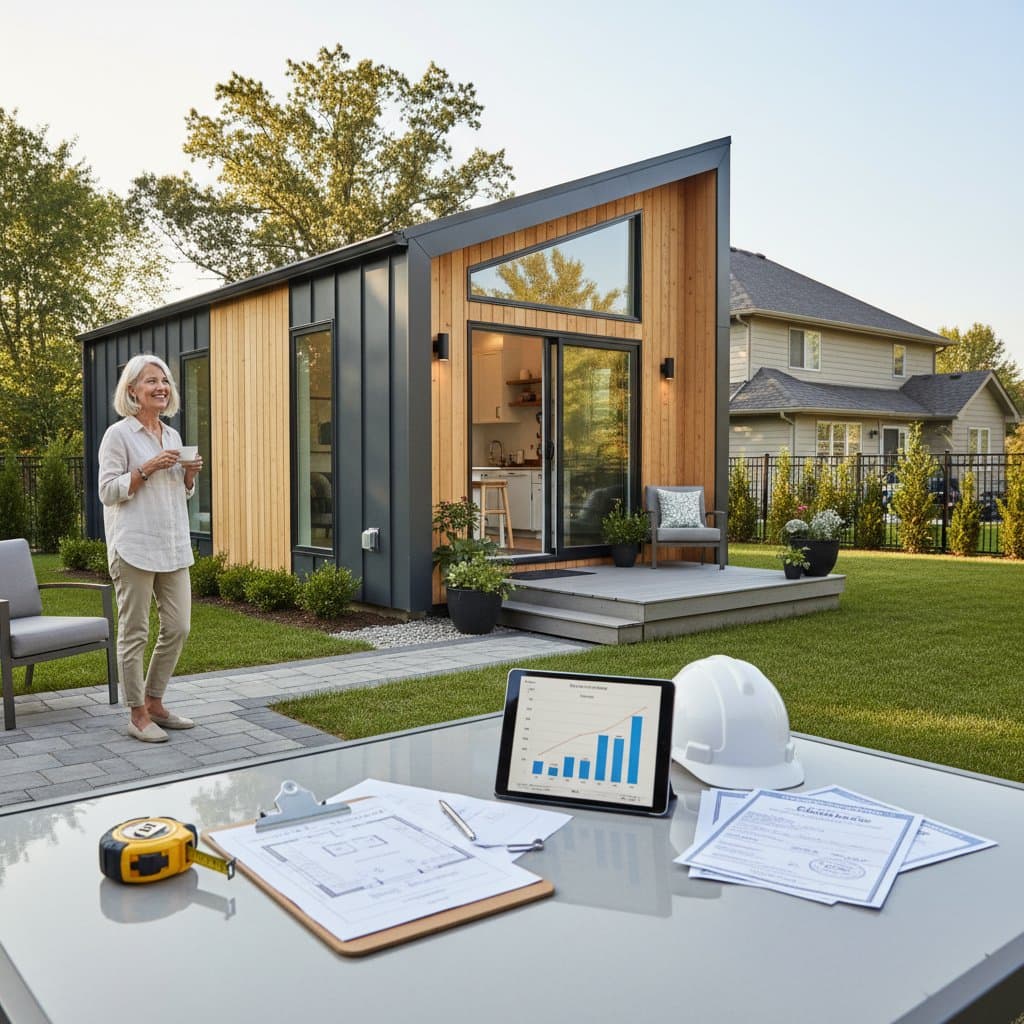
In 2026, constructing a granny pod typically costs $148,000, with ranges from $95,000 to $240,000 based on size, materials, and location. This comprehensive guide details every cost component, from foundation to finishes, along with permitting processes, construction timelines, potential DIY savings, and regional differences to support informed planning for a compliant backyard dwelling.
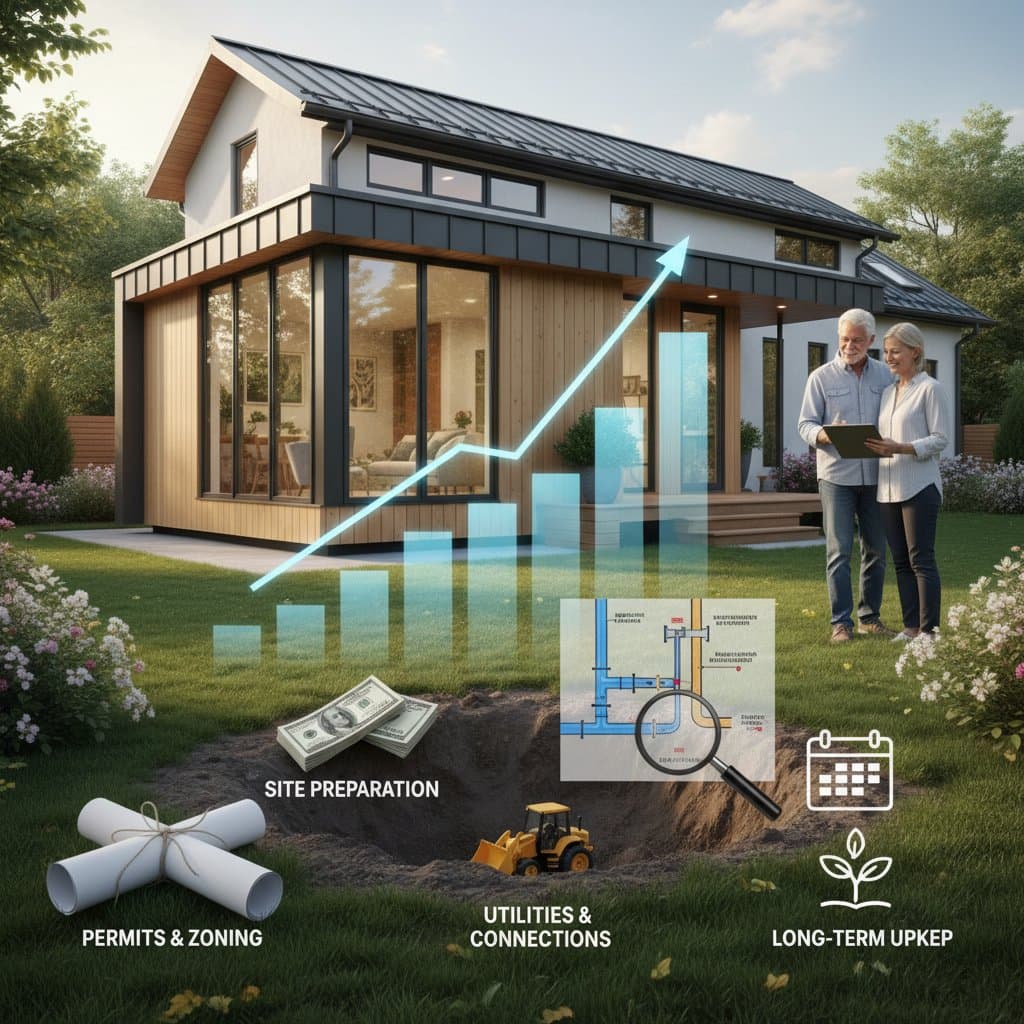
Constructing a granny pod in 2026 demands attention to more than the physical structure. Permits, zoning requirements, and unforeseen expenses can alter budgets considerably. This guide covers regulatory navigation, mistake avoidance, and financing to make the ADU a valuable, enduring addition.
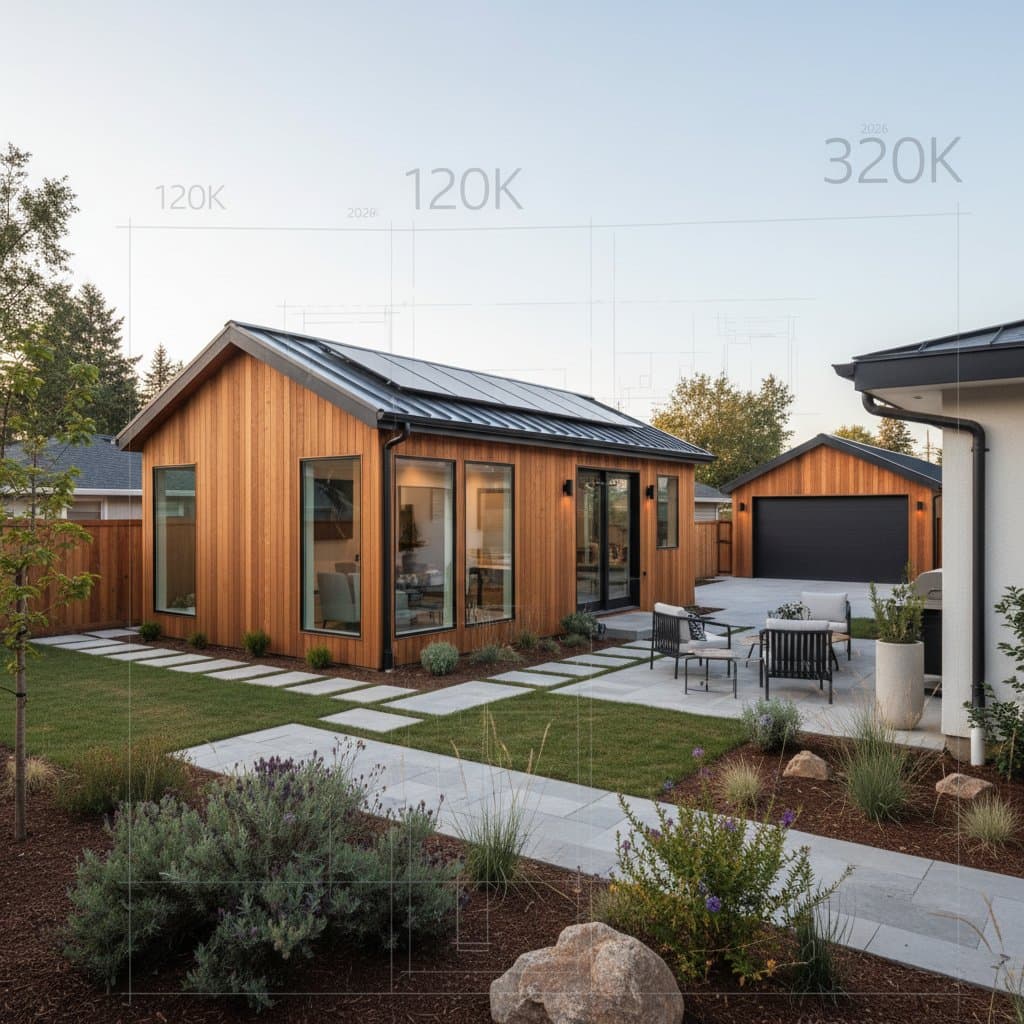
In 2026, constructing a granny flat ranges from $120,000 to $320,000, influenced by unit type, square footage, site challenges, and material selections. Options from garage conversions to standalone builds provide varied paths to added space or income. Delve into cost breakdowns, construction timelines, investment returns, and essential planning steps for your accessory dwelling unit.
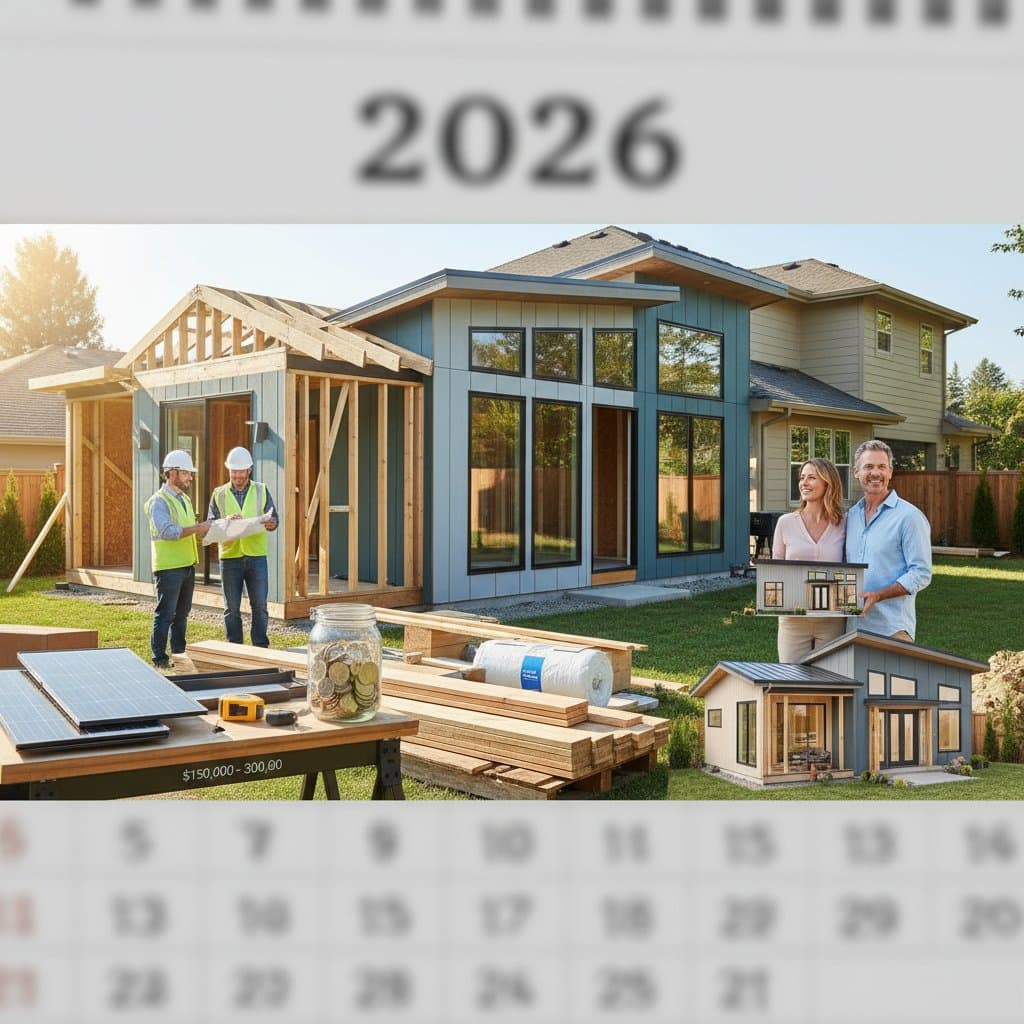
Average 2026 ADU construction runs $150,000 to $300,000, spanning 5 to 9 months with potential ROI of 65 to 85 percent. This comprehensive guide details cost components, labor considerations, DIY opportunities, and proven strategies to optimize your investment while ensuring compliance and quality.

Planning a 2026 granny pod? Costs range from $85,000 to $230,000, shaped by size, materials, and features. Navigate zoning requirements, permitting, and design impacts to increase property value and support loved ones' independence.

Considering a multigenerational addition in 2026? Permit fees span $1,200 to $9,000, alongside design and inspection charges. Success hinges on zoning verification, thorough plans, and expert input. Properly executed, it enhances property value, ensures safety, and fosters family harmony without delays or penalties.

Uncover the true expenses of installing a granny pod in 2026, including zoning requirements, permit processes, and design considerations. This guide details how site factors, building codes, and smart planning influence costs, timelines, and the overall value of creating a secure, adaptable living space for seniors.
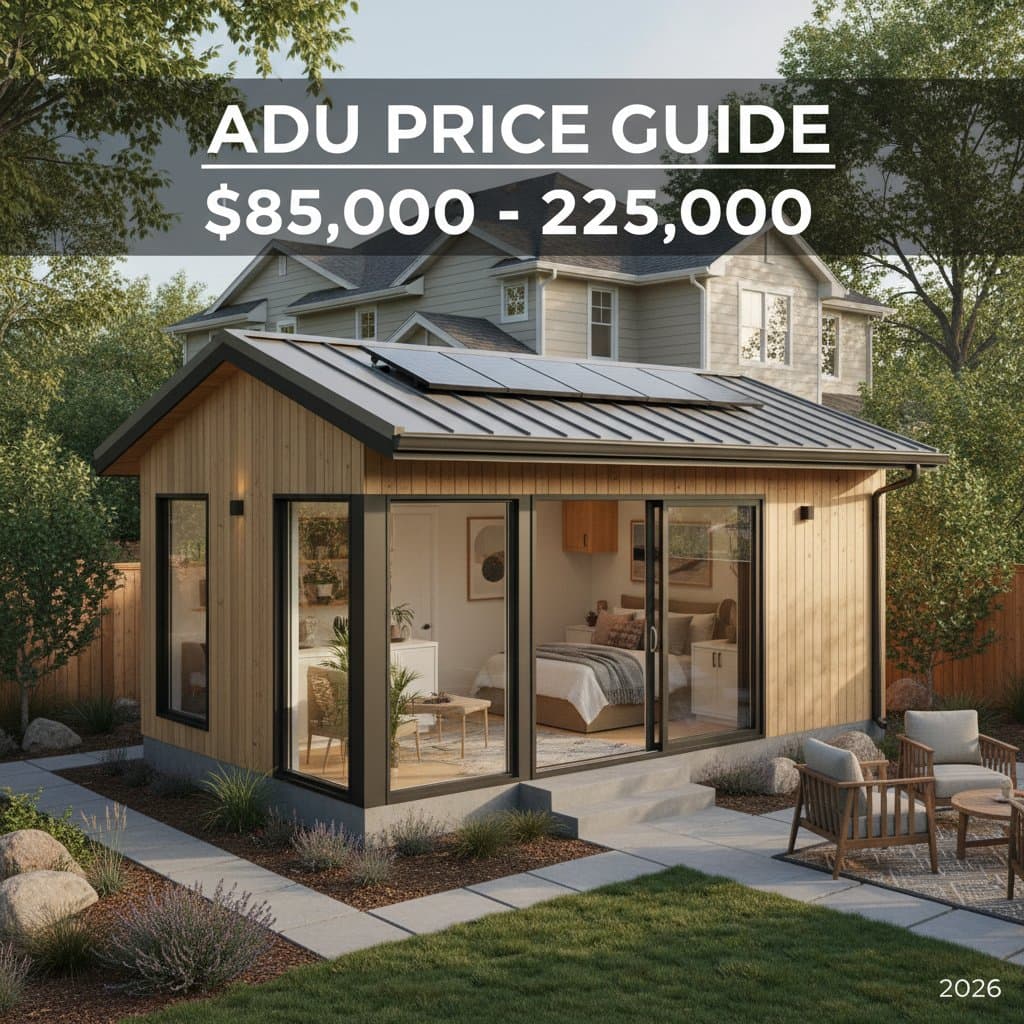
Granny pods deliver flexible, affordable options for multigenerational households. In 2026, complete backyard ADUs average $145,000, shaped by dimensions, materials, and site factors. Expert construction can elevate home values by 35 percent, with efficiency features, optimal scheduling, and planning aiding cost management and sustained gains.
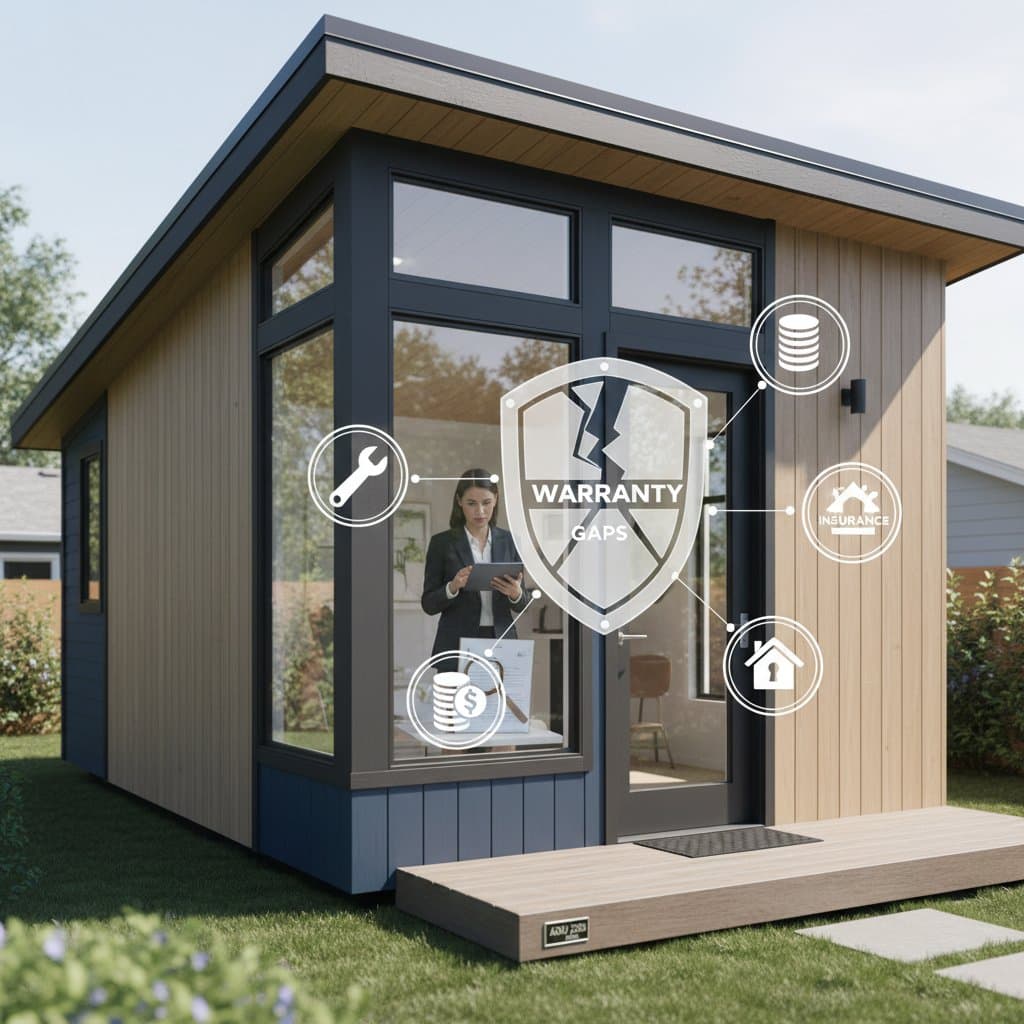
Renting out an accessory dwelling unit demands more than basic warranties. This guide details critical coverage areas, exclusions, cost considerations, and implementation steps to prevent claim denials. Explore how to integrate landlord insurance, routine maintenance, and warranty provisions for ongoing protection, compliance, and profitability.
Understand the true expenses of constructing a granny flat in 2026, with costs spanning $90,000 to $260,000. Delve into influences such as design choices, permitting requirements, and DIY options that impact your budget. Gain insights into essential steps, cost-saving measures, and rental return strategies to maximize value from your accessory dwelling unit.
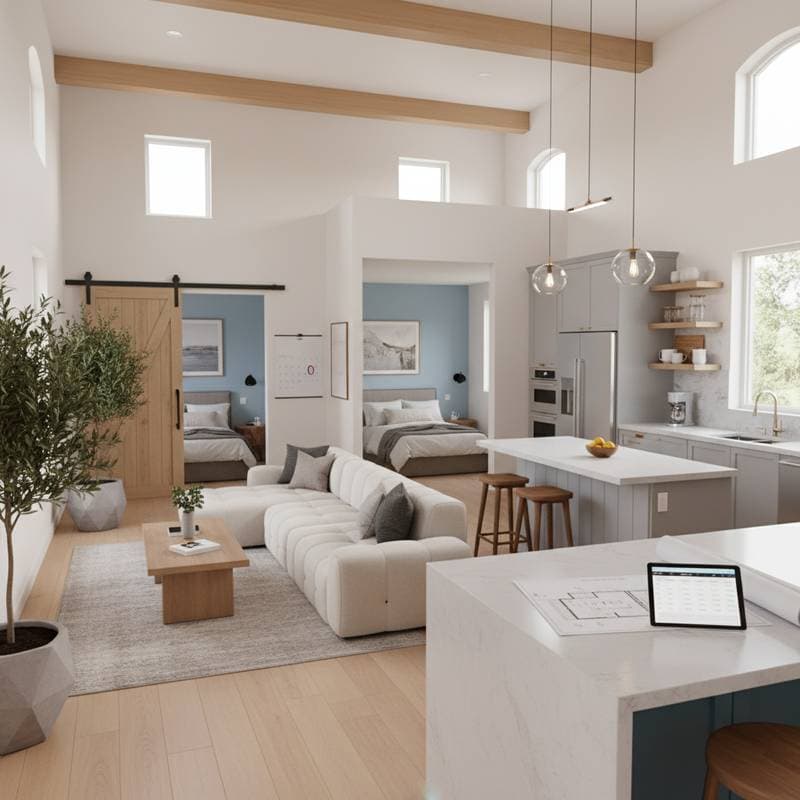
Constructing an accessory dwelling unit for multigenerational living typically ranges from $150,000 to $400,000 and may require up to one year. Factors such as design selections, permitting processes, site evaluations, and material finishes significantly influence the total expense. Through thoughtful planning, ongoing maintenance, and strategic financing, an ADU enhances property value, promotes family autonomy, and offers enduring adaptability for changing household dynamics.
Accessory dwelling units in 2026 will range from $120,000 to $280,000 in construction costs, shaped by design choices, site specifics, and material selections. This guide dissects every expense category, outlines professional and DIY opportunities, and shares proven methods to reduce outlays while preserving value, empowering homeowners to achieve strong returns on their investment.
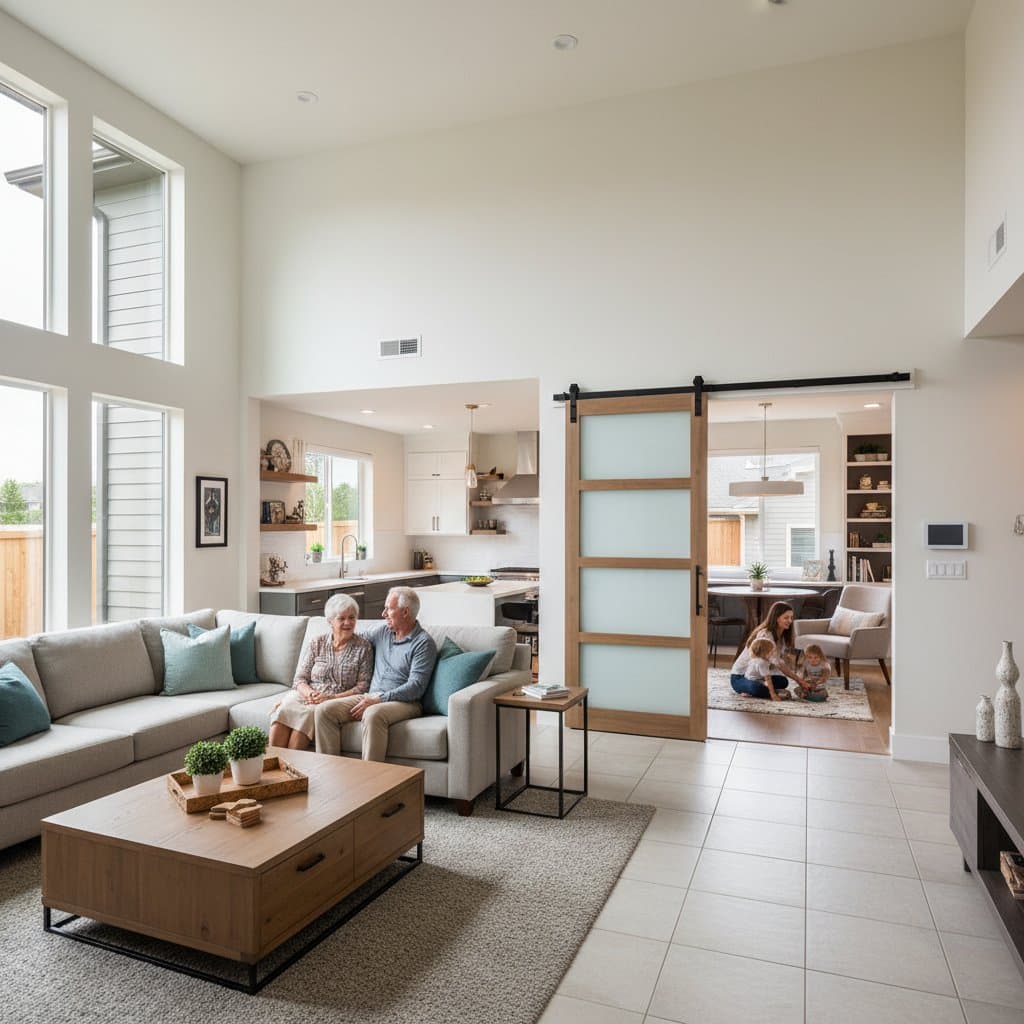
Multigenerational home construction ranges from $250,000 to $650,000, shaped by project scale, material choices, and location specifics. Opting for professional builders ensures efficiency, compliance, and value appreciation of 25 to 35 percent. This guide provides cost details, savings methods, and design options for enhanced family living and investment returns.
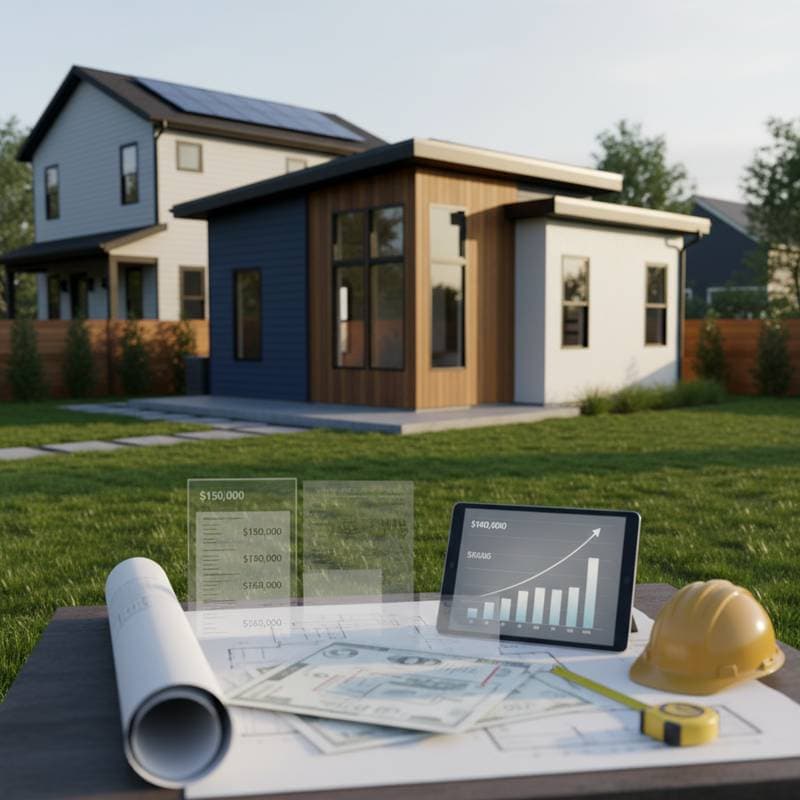
In 2026, constructing an accessory dwelling unit (ADU) typically costs between $150,000 and $400,000, shaped by factors like unit size, location, and customization level. This guide breaks down expenses from permits and foundations to finishes and utilities, highlighting cost-saving options such as DIY elements, prefab designs, and conversions. Discover how to maximize value for rental income or family housing while navigating zoning and regulatory hurdles.
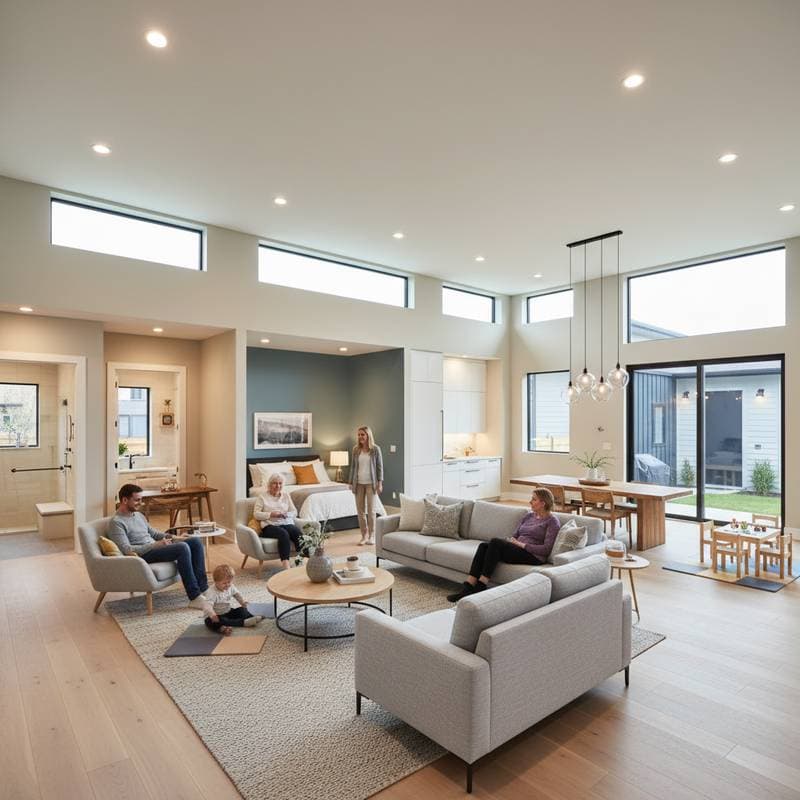
Unlock the secrets to multigenerational home layouts that evolve with your family. This guide covers essential design principles, practical configurations, and cost-saving tips for privacy, accessibility, and lasting comfort in 2026.
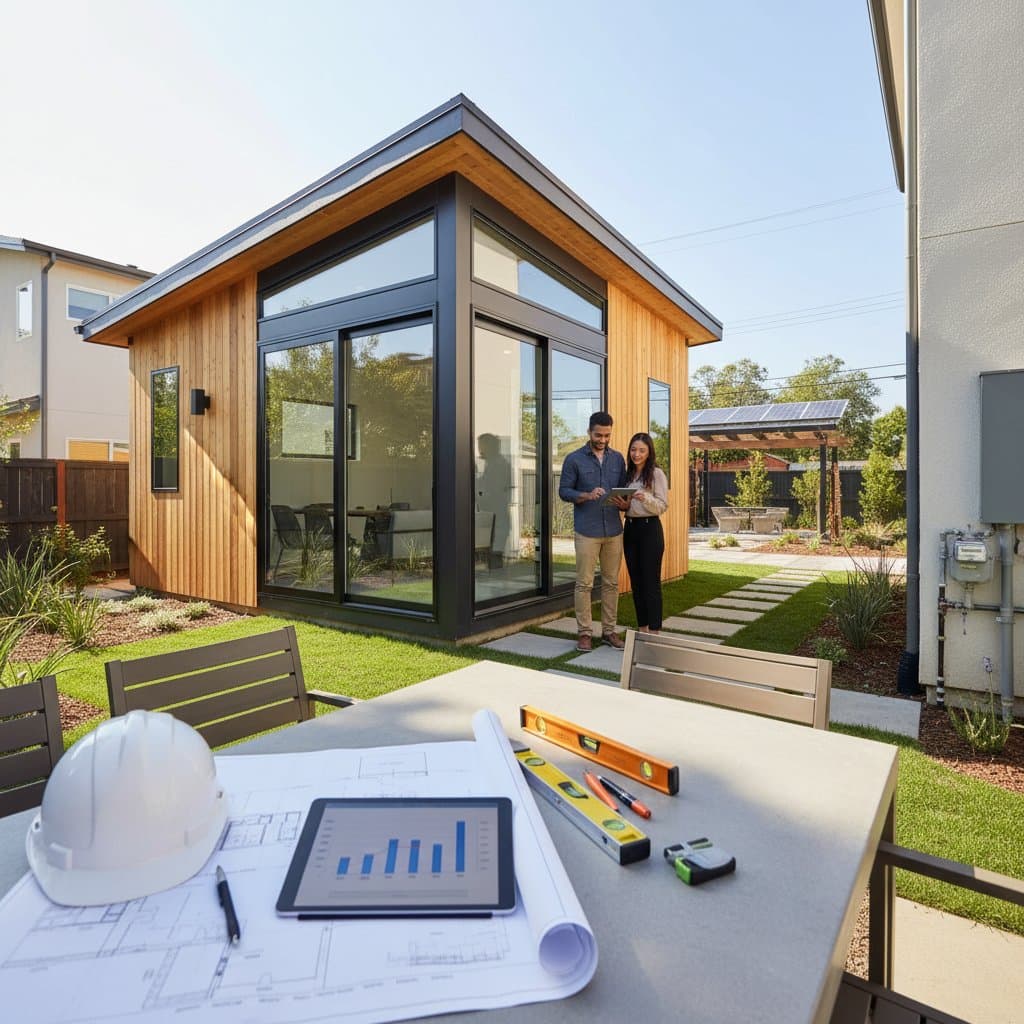
Gain a thorough understanding of granny flat construction costs for 2026, covering design, permits, utilities, and finishes. This guide explains how size, location, and choices affect expenses, timelines, and returns, empowering informed planning and regulatory adherence.
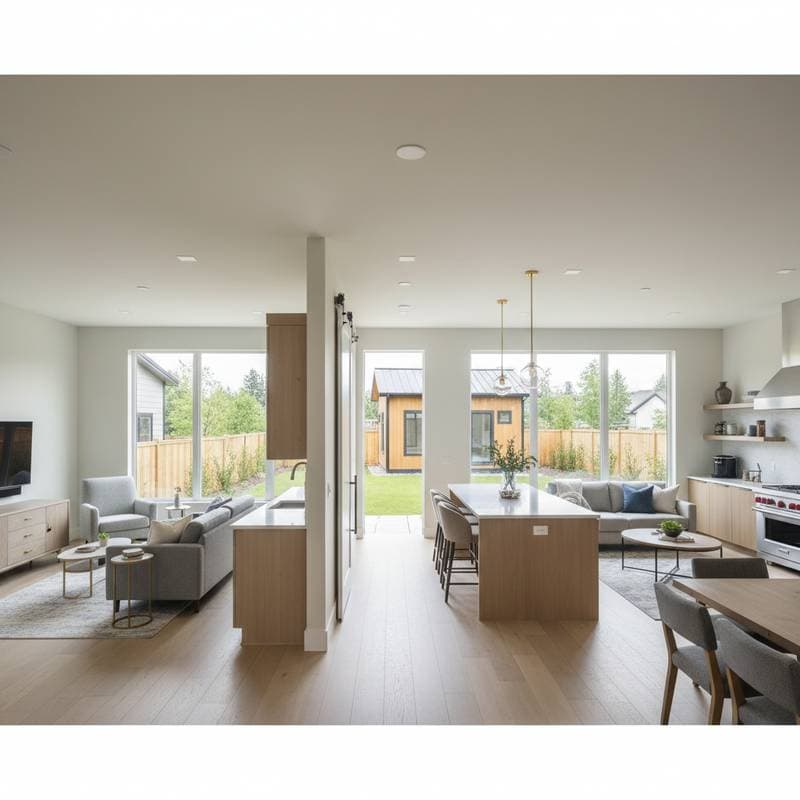
Multigenerational homes offer a balance of independence, privacy, and shared living while managing costs effectively. Budget for $150 to $350 per square foot, influenced by features like kitchens, bathrooms, and utility systems. Options from attached suites to detached accessory dwelling units (ADUs) require careful planning, zoning compliance, and expert advice to deliver comfort, legal adherence, and enduring value for multi-age families.
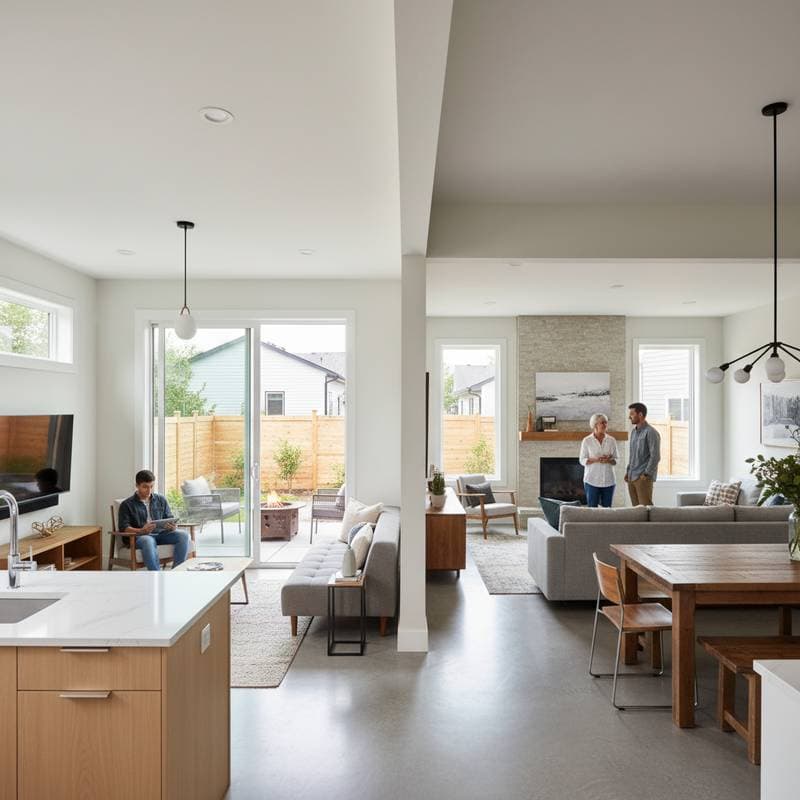
Multigenerational home renovations, which range from $125,000 to $350,000, enable families to share living spaces while maintaining privacy. These projects often yield property value increases of 15 to 20 percent. This guide provides detailed cost breakdowns, efficiency tips, and expert advice for planning a 2026 project that balances lifestyle needs with financial returns.