2026 ADU Costs: Complete Granny Flat Price Guide
Project Overview
National average cost: $185,000
Typical range: $120,000 to $280,000
Low end: $75,000 for a basic garage conversion
High end: $400,000 for a detached custom ADU
Time to complete: 4 to 12 months
DIY or Pro: Mostly professional construction with limited DIY options
ROI or resale impact: 65% to 100% depending on local rental demand
Updated: March 2026
Accessory dwelling units, commonly known as granny flats, provide compact, self-contained living areas on existing single-family properties. These structures function as rental income sources, accommodations for extended family, or private guest spaces. Expenses fluctuate based on the approach: converting an attached garage, adding an extension to the primary home, or constructing a standalone building. A clear understanding of these variables enables precise budgeting and prevents common financial surprises during the process.
Key Cost Factors Influencing Your ADU Build
Scope and Size Considerations
The footprint of the unit directly impacts the overall budget. A modest 400-square-foot studio requires fewer materials and less labor than an 800-square-foot configuration with two bedrooms and a full kitchen. Additional features, such as a second bathroom, introduce complexities in plumbing layouts and electrical wiring, potentially increasing costs by 20 to 30 percent per extra fixture. Homeowners should measure their lot and consult zoning regulations early to determine feasible dimensions.
Material Grade and Finish Levels
Budget-friendly options like laminate countertops, standard vinyl siding, and basic insulation maintain affordability without sacrificing functionality. In contrast, premium selections such as natural stone flooring, solid wood cabinetry, and energy-efficient smart appliances can elevate expenses significantly, often doubling the allocation for interior elements. Evaluate long-term durability alongside initial price; for instance, investing in quality roofing materials prevents costly repairs within the first decade.
Site Conditions and Accessibility Challenges
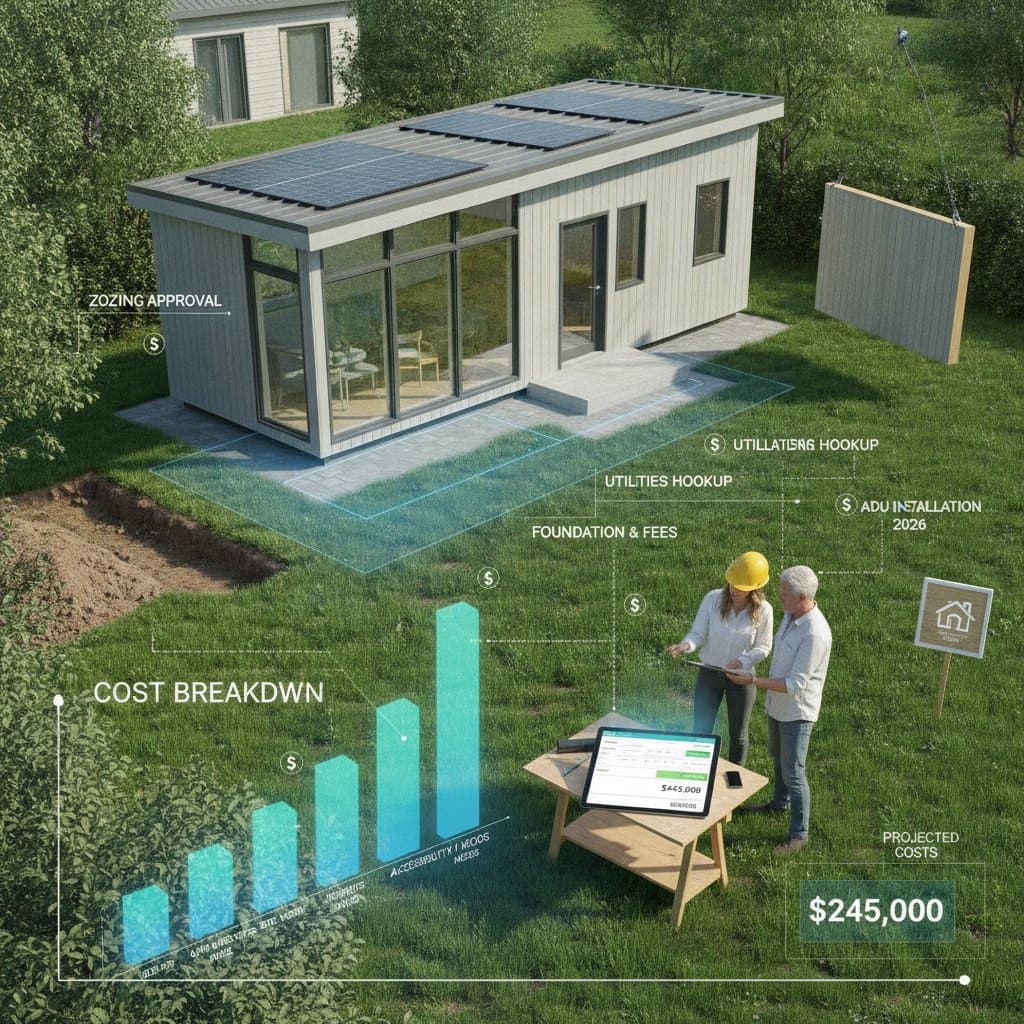
Properties with level terrain and easy equipment access minimize earthwork needs. Urban settings with narrow driveways or sloped landscapes demand specialized excavation, retaining walls, or temporary shoring, adding 10 to 15 percent to labor fees. Utility connections play a critical role as well; extending water, sewer, and power lines over distances greater than 50 feet may require trenching equipment and backfill materials, contributing several thousand dollars to the total.
Labor Market and Seasonal Timing
In high-demand regions, skilled tradespeople command higher rates, with general contractors charging $100 to $150 per hour. Off-peak seasons, such as late fall or early spring, often yield lower bids due to reduced workloads, though weather delays could extend timelines. Factor in regional differences: coastal areas face elevated prices from seismic reinforcements, while rural sites benefit from shorter supply chains.
Custom Elements and Project Adjustments
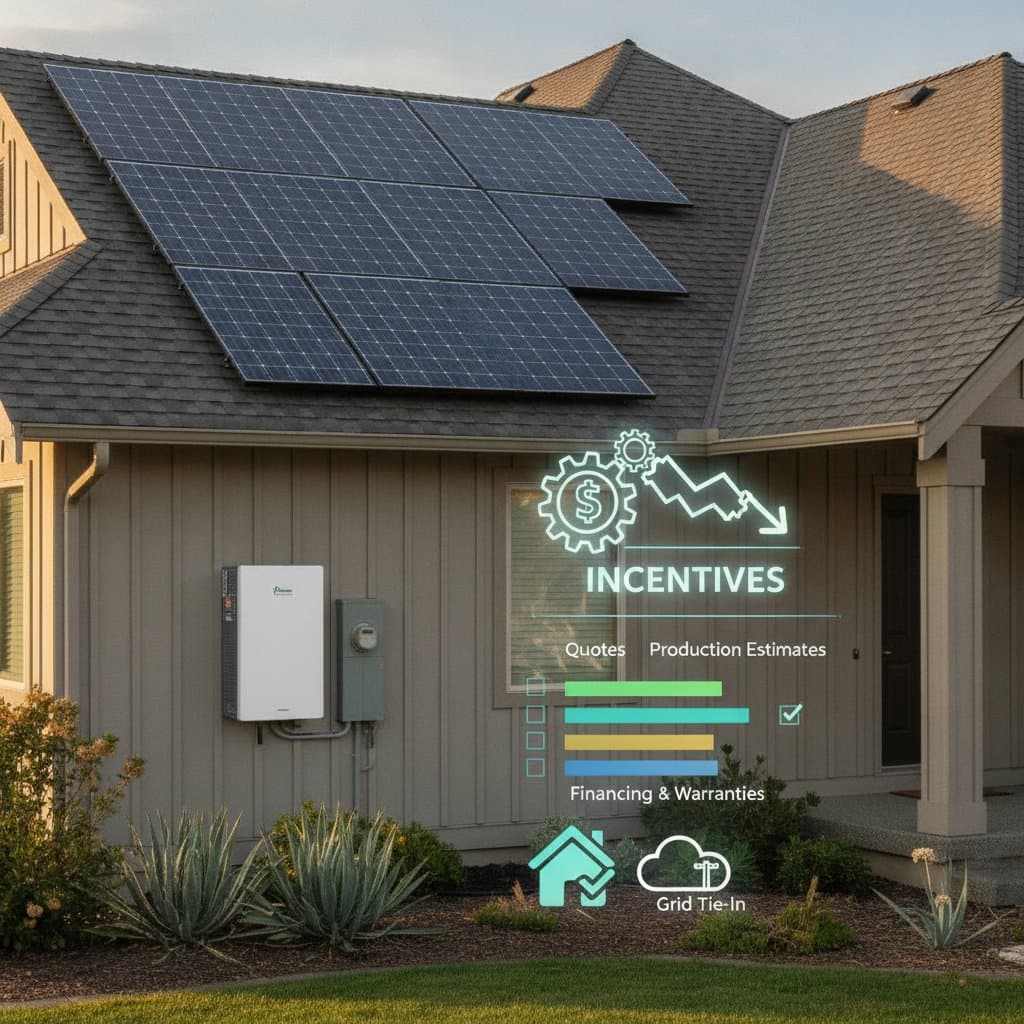
Non-standard designs, including sloped roofs for aesthetic appeal or integrated solar panels, extend planning phases and material sourcing. Change orders during construction, even minor ones like relocating a window, accumulate fees for redesign, permits, and rework. Establish a contingency fund of 10 to 15 percent to cover unforeseen modifications without derailing the schedule.
Strategies to Control Costs Effectively
Practical Material Substitutions
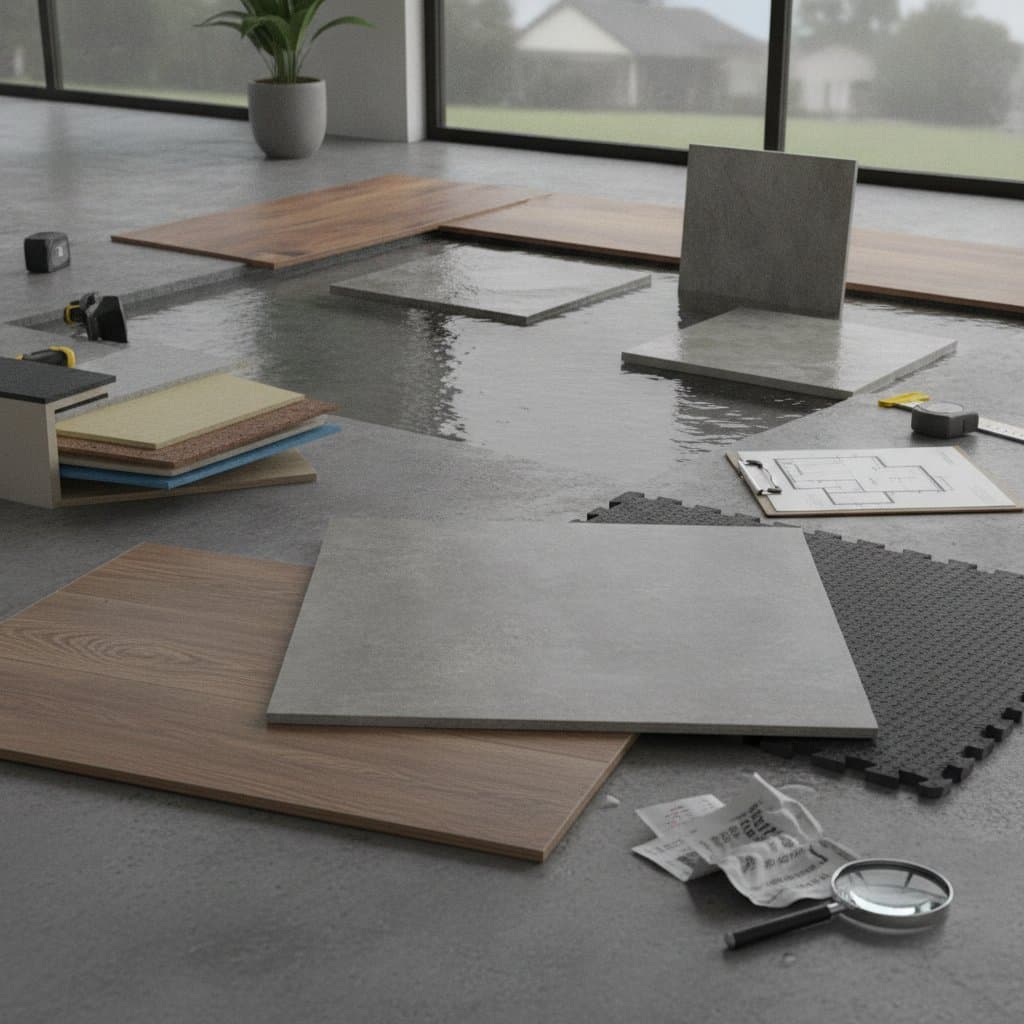
Opt for resilient luxury vinyl plank flooring over traditional hardwood to achieve a similar appearance at half the price. Prefabricated cabinetry and modular bathroom fixtures arrive ready for installation, reducing on-site fabrication time. Energy-efficient, mid-range windows with low-emissivity glass provide insulation benefits comparable to high-end models while qualifying for potential rebates.
Preparation Steps to Minimize Labor
Secure all permits and finalize architectural plans well in advance to streamline approvals. Prepare the site by removing debris and marking utility locations, allowing crews to commence work immediately upon arrival. Detailed blueprints with precise measurements eliminate ambiguities, preventing errors that lead to demolition and reconstruction.
Timing and Bundling Opportunities
Schedule construction during quieter periods when builders offer incentives, such as reduced mobilization fees. If undertaking broader property upgrades, like a main house remodel, integrate the ADU project to consolidate permitting and equipment rentals, achieving economies of scale. Negotiate fixed-price contracts to lock in rates against market fluctuations.
Essential Questions for Contractor Quotes
- Does the bid detail specific materials, quantities, and allowance amounts for variables like appliances?
- Are fees for permits, inspections, waste disposal, and site cleanup incorporated?
- What warranties apply to structural work, mechanical systems, and finishes?
- How are progress payments structured around completed milestones?
- What is the projected timeline, including buffers for weather or supply issues?
Obtain at least three detailed proposals to compare value, not just the lowest figure. Verify contractor licenses, references, and insurance to safeguard your investment.
Project Timeline Essentials
Material Lead Times
Specialty items like custom windows, exterior doors, and kitchen cabinetry typically require 4 to 8 weeks for production and delivery. Order heating, ventilation, and air conditioning components alongside plumbing fixtures to align with framing stages, avoiding holdups in rough-in phases. Maintain a procurement calendar to track arrivals and prevent idle crew time.
On-Site Construction Phases
A team of four to six workers can erect the foundation and frame a 600-square-foot structure in 2 to 3 weeks under ideal conditions. Exterior sheathing and roofing follow swiftly, achieving a weather-tight envelope within the next week. Interior work, including drywall, painting, and fixture installation, spans 4 to 6 additional weeks, with complexities like custom tiling extending this period.
Inspection Milestones
Local authorities mandate checks at critical junctures: after pouring the foundation, completing the frame, installing rough plumbing and electrical, and prior to final occupancy. Schedule these proactively to avoid bottlenecks; for example, coordinate rough-ins so inspectors can review multiple systems in one visit. Address any noted deficiencies promptly to maintain momentum.
Long-Term Maintenance for Durability
Routine Upkeep Practices
Inspect and clean roof gutters biannually to prevent water damage from overflow. Reapply sealants around windows and doors every two years, and refresh exterior paint as needed to protect against weathering. Replace HVAC filters every three months and drain the water heater annually to extend system life and efficiency.
Identifying Potential Issues Early
Monitor for signs of trouble, such as bubbling paint or discolored walls, which signal hidden leaks or humidity problems. Electrical anomalies like intermittent power loss or warm outlets warrant immediate professional assessment to avert hazards. Persistent plumbing slowdowns could indicate blockages from tree roots or sediment buildup, requiring targeted clearing to avoid pipe replacements.
With consistent care, a well-built ADU lasts 50 years or more, retaining value and minimizing ongoing expenses.
How We Estimated These Costs
This guide draws from aggregated data across major U.S. markets, incorporating builder surveys, material price indices, and recent project outcomes as of early 2026. Averages reflect mid-range builds in suburban settings, adjusted for variables like regional labor rates and inflation trends. Consult local professionals for personalized estimates, as costs can vary by up to 25 percent based on specific circumstances.
Steps to Launch Your ADU Project Successfully
Begin by assessing your property's zoning eligibility and consulting a licensed architect for feasible designs. Assemble a shortlist of vetted contractors and secure financing options tailored to home improvements. By aligning your vision with realistic budgets and timelines, you position the ADU as a valuable asset that enhances property equity and generates long-term benefits.