Essential Coverage Areas for ADU Rental Warranties
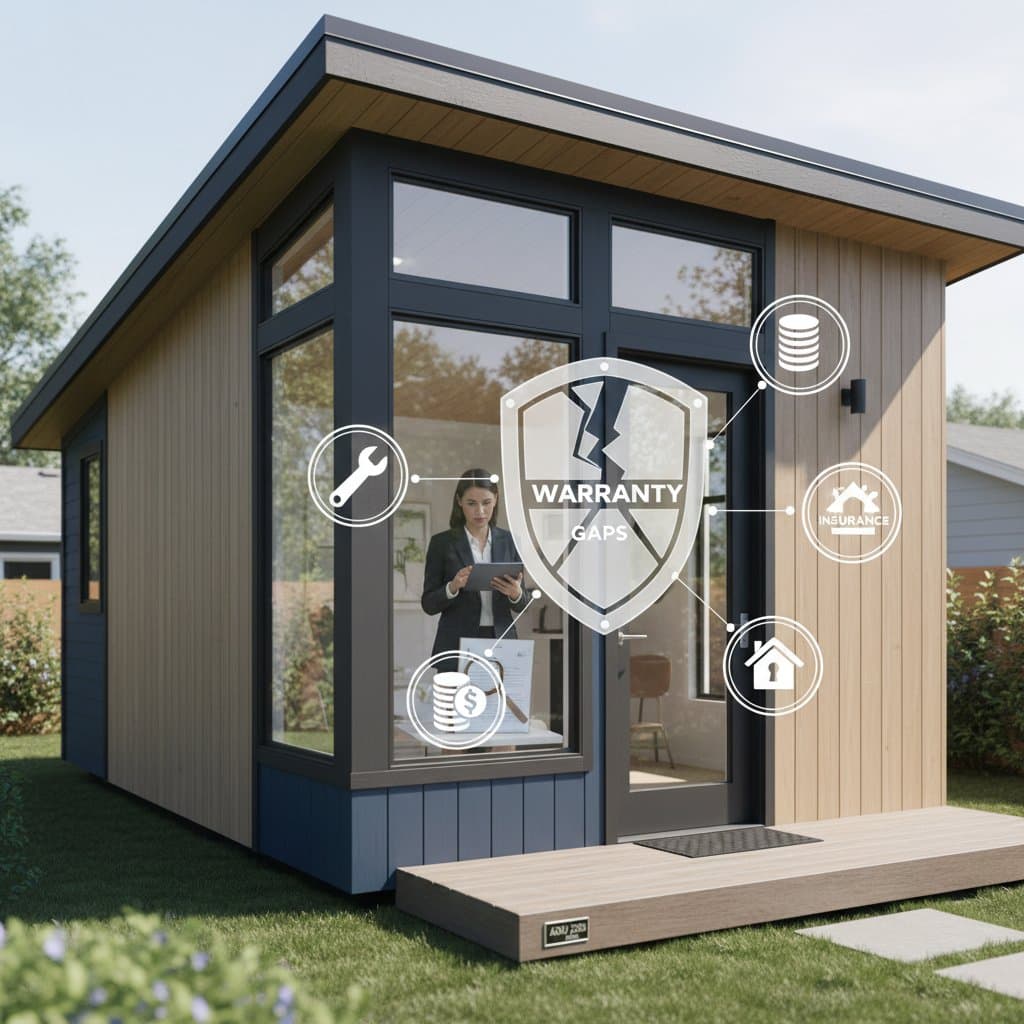
Landlords who convert an accessory dwelling unit into a rental property frequently underestimate warranty limitations. Standard home or builder warranties often fail to extend full protection to tenant-occupied spaces. Understanding applicable coverage, identifying potential gaps, and addressing them proactively helps avoid costly conflicts. This overview covers vital warranty elements for ADU rentals, claim procedures, and integration with maintenance schedules and insurance policies.
Advantages, Drawbacks, and Ideal Applications
Advantages
- Fixed service fees provide predictable expenses for repairs
- Prompt service for covered problems minimizes downtime and vacancy periods
- Transferable policies enhance property value during sales
Drawbacks
- Policies exclude damage from tenant actions or inadequate upkeep
- Each claim incurs a service call fee
- Payout caps apply to aging equipment
Ideal Applications
ADU rental warranties suit long-term leasing arrangements, time-constrained landlords, or those overseeing multiple properties. They prove less effective for short-term or vacation rentals, where high turnover and unpredictable tenant habits complicate coverage.
Guide to Establishing ADU Rental Warranty Protection
Preparation Tools: Gloves, flashlight, ladder, non-contact voltage tester.
Documentation: Enrollment typically requires no new permits, but retain records of occupancy approvals and electrical certifications.
- Evaluate Current Protections. Examine builder contracts, manufacturer guarantees, and insurance policies. Structural warranties from builders endure for a set duration, whereas appliance coverage depends on the producer.
- Conduct and Record Inspection. Capture images of serial numbers, control panel details, and installation timestamps. Such documentation bolsters claim validity.
- Determine Coverage Extent. Opt for systems alone, appliances alone, or comprehensive plans. Add roof or foundation options for units on recent builds.
- Obtain Quotes from Multiple Providers. Verify eligibility for tenant-occupied properties. Certain companies restrict rentals unless specified at purchase.
- Examine Service Conditions. Confirm per-item payout ceilings and full labor reimbursement.
- Initiate Policy. Align activation with the expiration of builder warranties. Note exclusions for tenant-induced harm to prevent disagreements.
- Establish Renewal Alerts. Plans demand yearly premiums. Lapsed payments result in policy cancellation.
Common Pitfalls to Sidestep
- Relying on Standard Home Warranties for ADUs. Primary residence policies seldom include detached units without explicit additions.
- Omitting Rental Status Disclosure. Undisclosed tenant use prompts policy invalidation upon discovery.
- Neglecting Upkeep Records. Unmaintained components, such as filters or vents, lead to claim rejections on grounds of negligence.
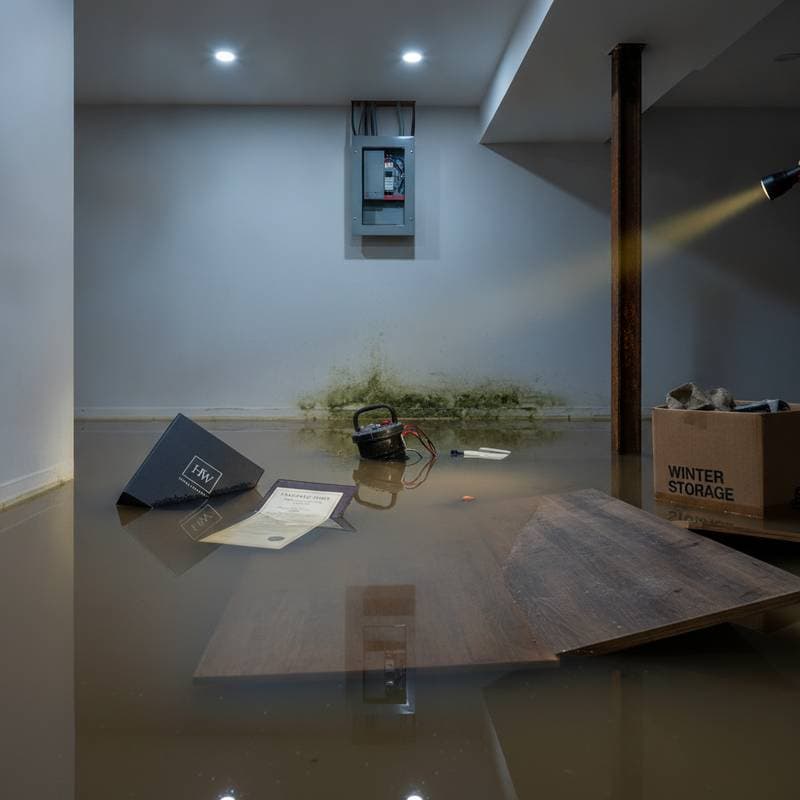
- Confusing Insurance and Warranty Claims. Events like floods or fires require insurance filings, not warranty submissions, which delays resolution.
- Overlooking Payout Restrictions. Agreements may limit HVAC replacements to $2,000, requiring out-of-pocket supplements.
Guidelines for Professional Versus Self-Managed Repairs
Apply this decision framework before addressing ADU warranty-related concerns independently.
| Factor | Proceed with Self-Management If | Engage Professionals If |
|---|---|---|
| Expertise Level | You possess safe handling and testing skills | You lack electrical or plumbing proficiency |
| Hazard Potential | Tasks avoid high voltage or gas exposure | Tasks involve gas connections or 240-volt lines |
| Equipment Needs | Standard tools meet requirements | Specialized diagnostics or meters are necessary |
Self-management works for tasks like filter replacements, circuit breaker resets, and surface leak identifications. Professionals handle wiring repairs, refrigerant servicing, or pressure assessments. Errors risk nullifying warranties and insurance alike.
Resolving Frequent ADU System Issues
- HVAC Cooling Failure: Verify air filter condition and thermostat power source. Persistent problems may indicate compressor or capacitor defects, typically warrantable.
- Water Heater Leakage: Examine drain valves and inlet lines. Tank seam failures generally qualify for coverage.
- Recurrent Breaker Tripping: Disconnect devices and attempt reset. Repeated failures under minimal load suggest defective breakers or wiring, covered absent post-installation alterations.
- Roof Leakage: Identify sources in flashing or shingles, excluding tenant additions like antennas. Coverage applies solely to factory-installed elements only.
Document each incident, including date and resolution steps. Providers mandate these records for approvals.
Frequently Asked Questions About ADU Rental Warranties
Can ADU warranties transfer to subsequent owners?
Yes, the majority of providers permit transfers for a modest fee. This feature accelerates property transactions by assuring buyers of reliable service safeguards.
Do warranties address tenant negligence?
No, harm from misuse, circuit overloads, or insufficient cleaning shifts responsibility to the tenant or deposit funds.
What about coverage for short-term rentals?
Numerous policies omit nightly or seasonal lets. Seek landlord-specific options for platforms facilitating brief stays.
Steps to Secure Your ADU Rental Investment
- Compile Warranty and Inspection Records. Organize them into a dedicated binder or digital repository.
- Catalog Systems and Appliances. Note installation dates and serial numbers to evaluate protection needs.
- Solicit Quotes from Rental-Eligible Providers. Request explicit exclusion summaries in writing.
- Program Maintenance and Renewal Notifications. Leverage calendar tools to ensure uninterrupted coverage.
- Arrange Yearly System Evaluations. Modest inspection costs outweigh expenses from rejected claims.