
Articles tagged with ADU - Page 9
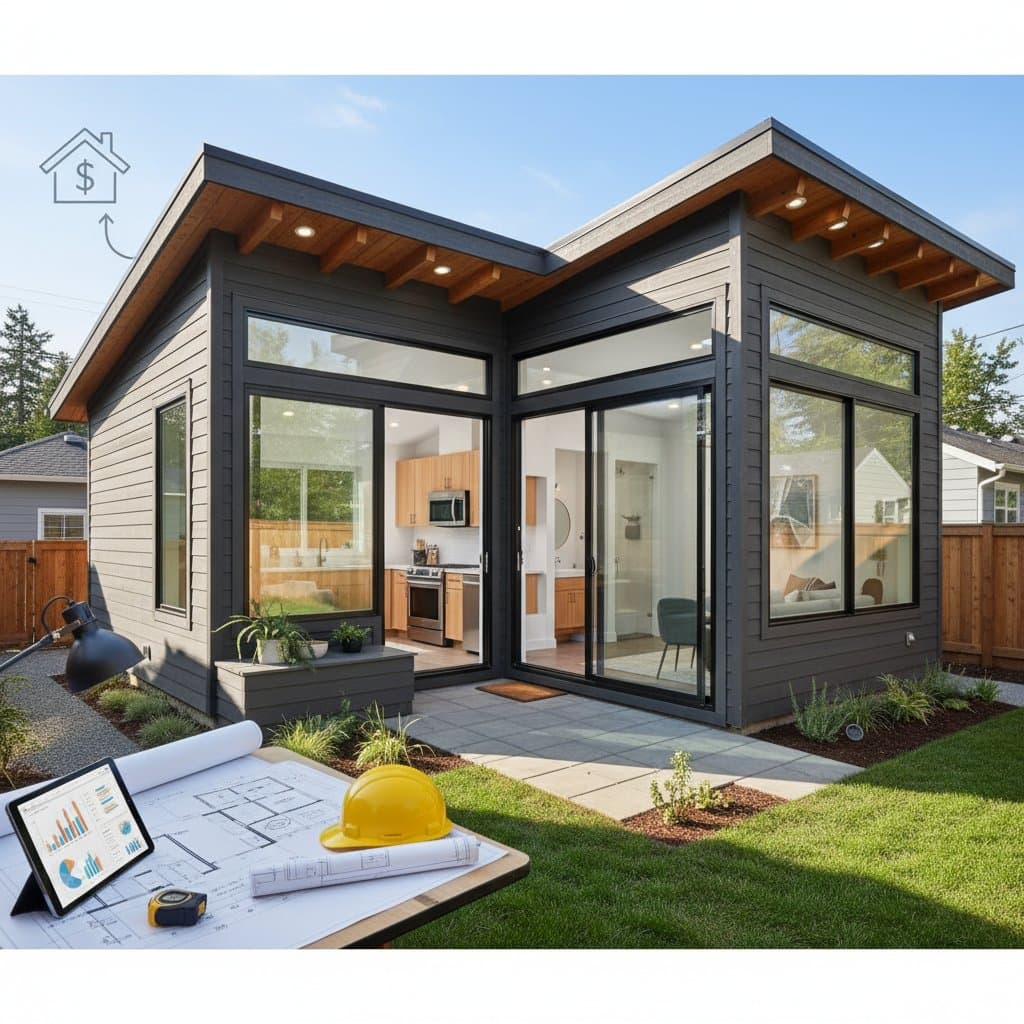
Converting a garage into an accessory dwelling unit adds valuable living space and potential income. Costs typically range from $80,000 to $180,000, influenced by structural needs, local zoning, and utility connections. Proper planning, permits, and professional guidance ensure a compliant transformation that elevates property value and provides long-term flexibility.
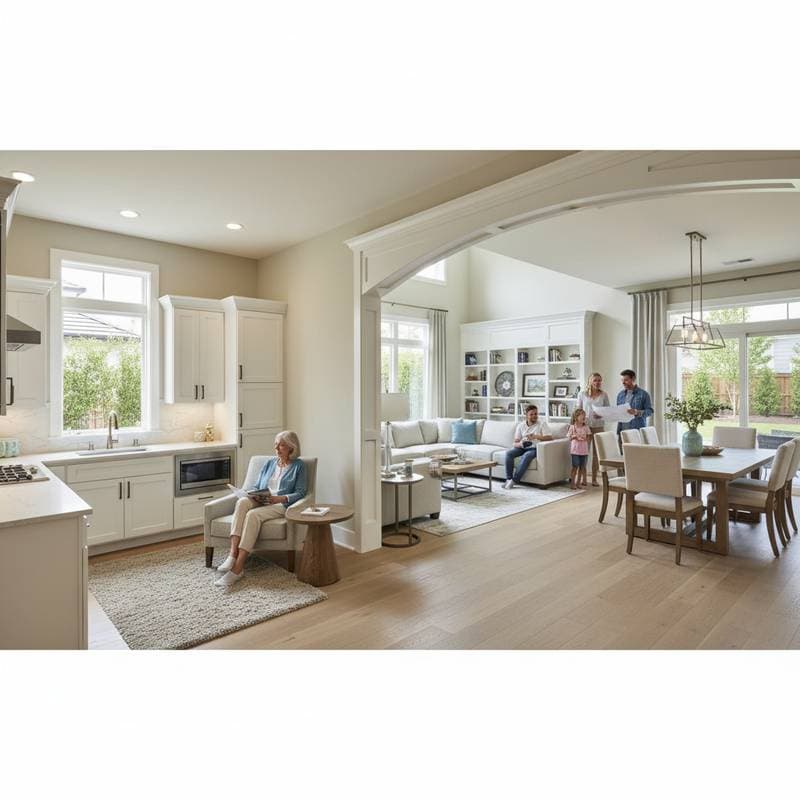
Converting a home for multigenerational living typically costs $65,000 to $230,000, with an average of $142,000 for comprehensive projects. Costs depend on square footage, materials, and layout complexity, yet such upgrades can elevate property value by 20 to 35 percent. This guide details breakdowns, professional versus DIY options, and strategies for cost efficiency and enhanced family living.
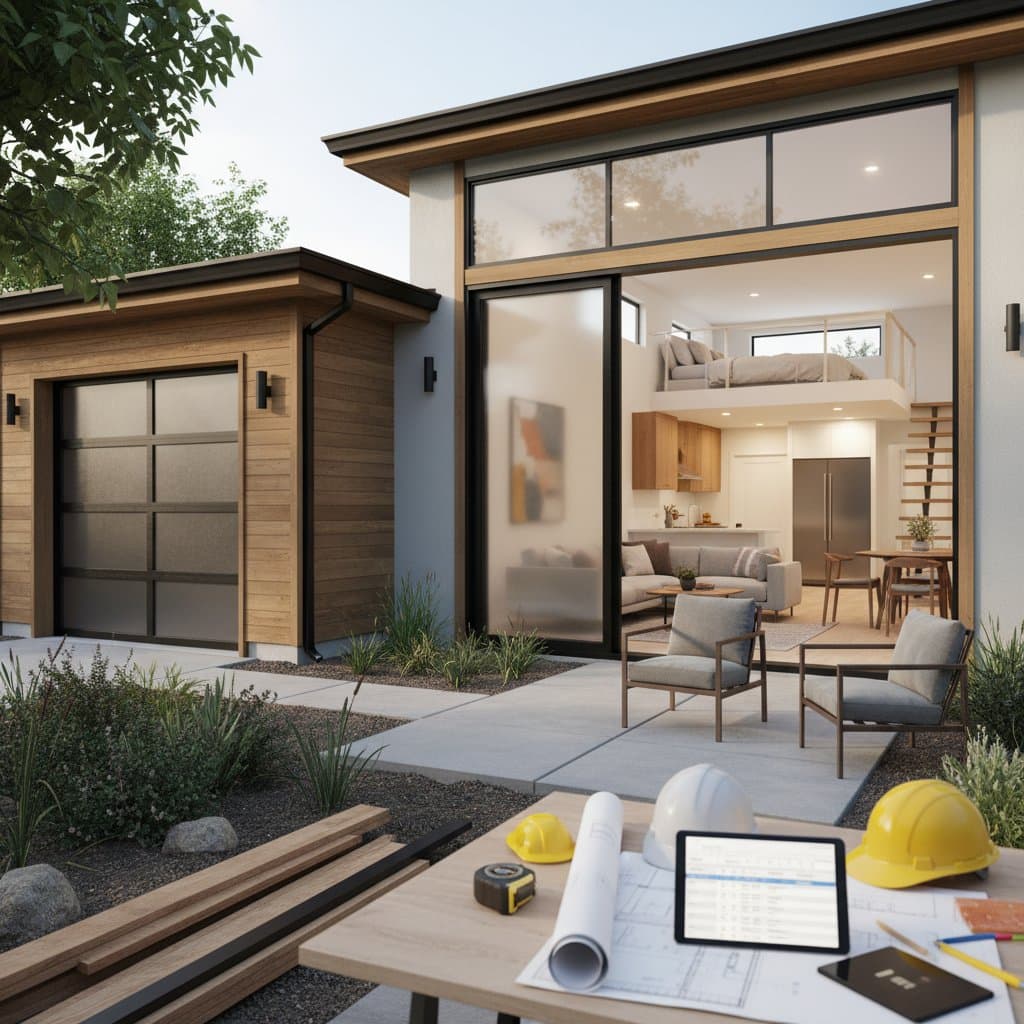
In 2026, converting a garage to an accessory dwelling unit averages $140,000 nationwide, with ranges from $95,000 to $180,000. Projects span four to eight months, influenced by dimensions, materials, and locale. Strategic planning with certified experts and cost-conscious selections enhances home equity and supports rental earnings of $1,500 to $3,000 monthly.
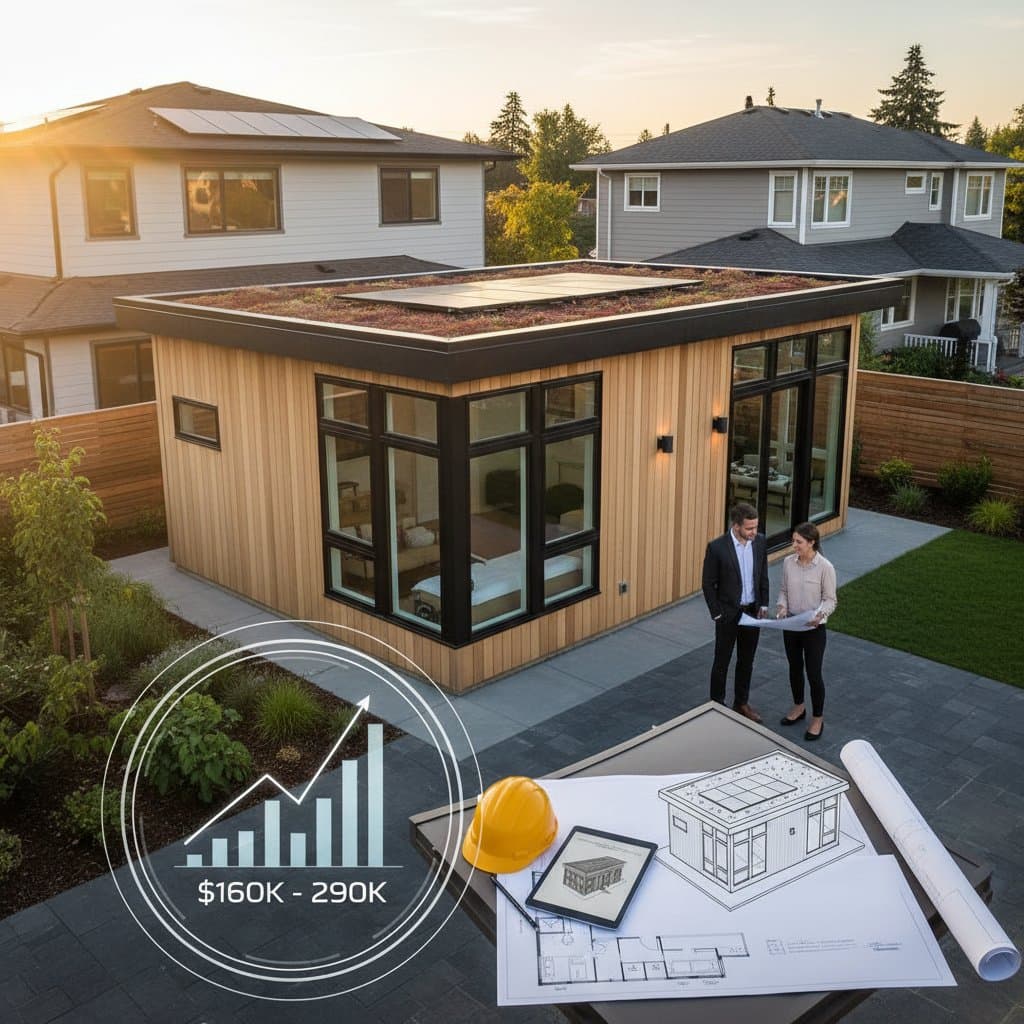
Granny flat construction in 2026 ranges from $160,000 to $290,000, excluding permits and utility connections that add $15,000 to $40,000. Success depends on zoning compliance, rental market analysis, and ongoing maintenance. Effective planning, precise budgeting, and expert supervision avoid expensive errors. Understand when accessory dwelling units enhance property value, when they underperform, and how to construct them for reliable long-term rental revenue.
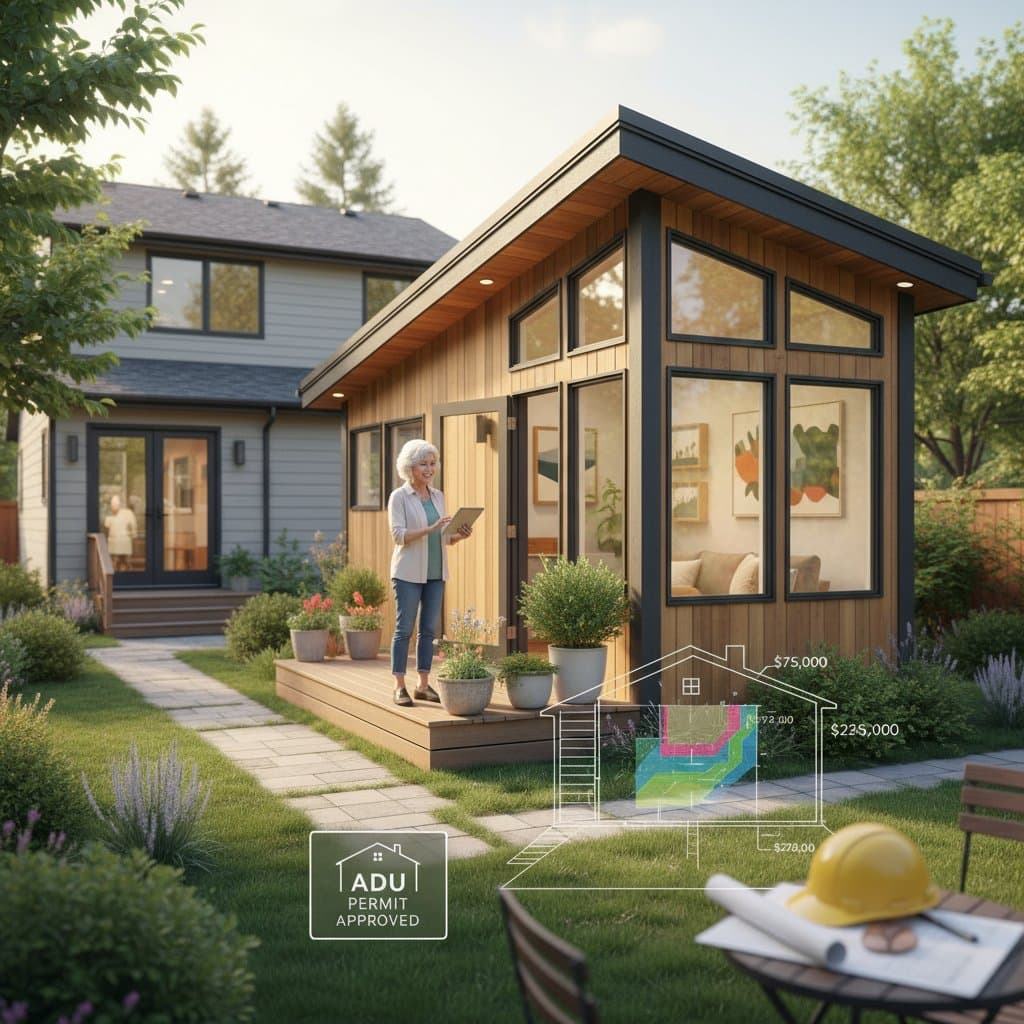
Granny pods provide independence and closeness for aging relatives, yet they involve zoning challenges and costs between $75,000 and $250,000. This guide explains local regulations, design options, and expense elements, along with paths for do-it-yourself versus professional approaches. Discover strategies to plan, obtain permits, and construct a suitable backyard residence.

Planning a multigenerational home addition in 2026 requires precise budgeting, thorough contract review, and attention to potential hidden expenses. Decisions from initial design through ongoing maintenance determine the project's overall value. Knowledge of zoning regulations, financing options, and quality benchmarks enables homeowners to achieve a balance of comfort, privacy, and fiscal responsibility for enduring family living arrangements.
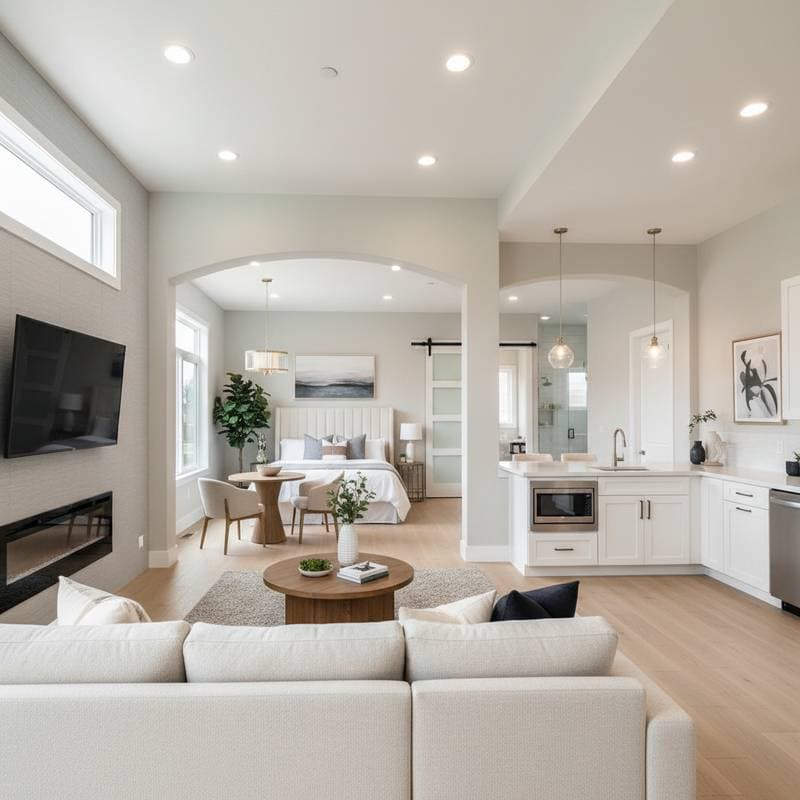
In 2026, constructing a multigenerational home addition will average $265,000, with costs ranging from $190,000 to $410,000 and timelines of four to eight months. This comprehensive guide details every expense category, from foundational work to final finishes, while highlighting key pricing influences, practical cost-saving measures, and essential steps for hiring professionals to maximize value, comfort, and long-term resale potential.
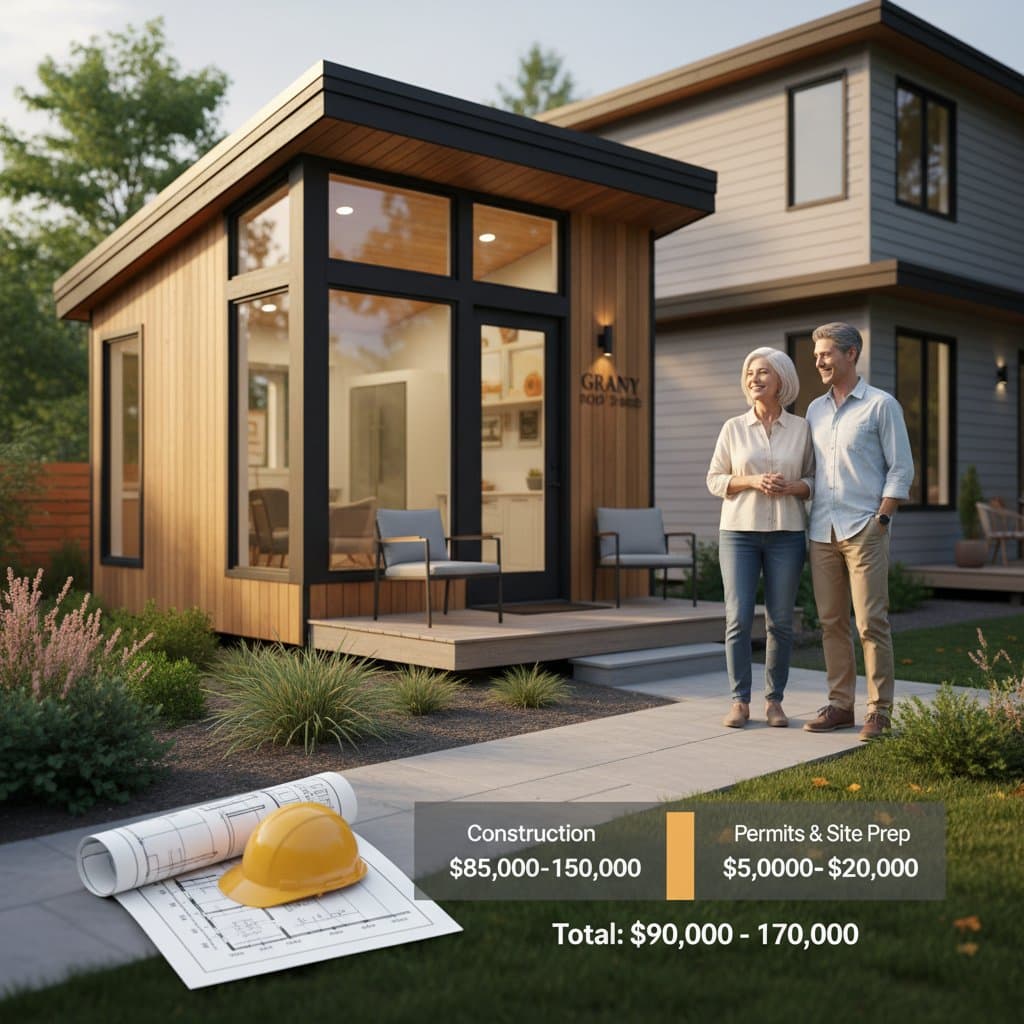
In 2026, granny pod projects range from $85,000 to $150,000, plus $5,000 to $20,000 for permits and preparations. This comprehensive guide details zoning essentials, construction choices, timelines, and regional variances to empower homeowners in budgeting effectively and designing adaptable spaces that boost family bonds and home equity.
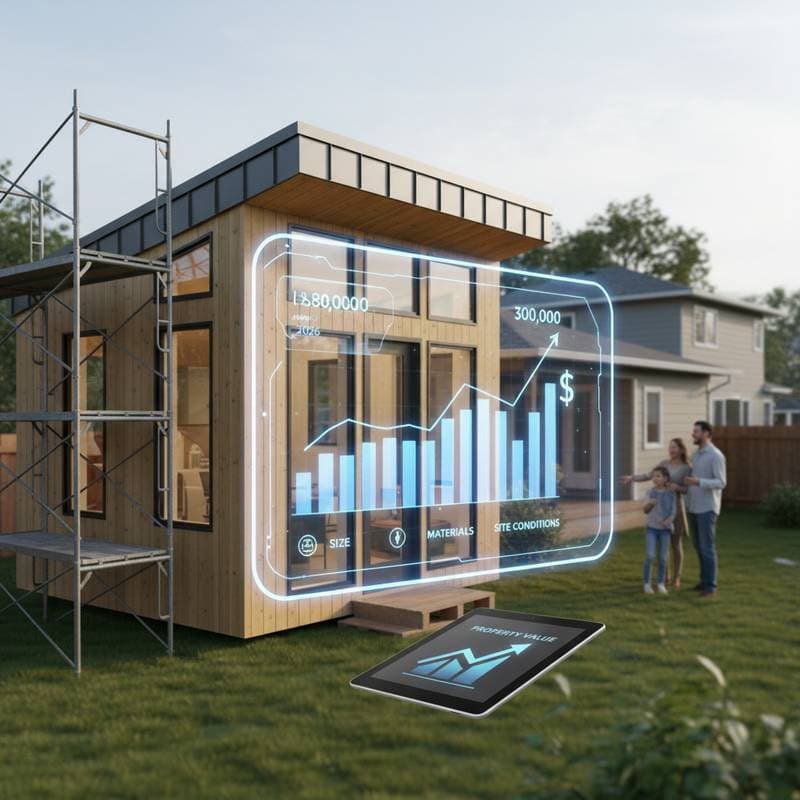
In 2026, ADU builds cost $80,000 to $300,000, averaging $180,000, shaped by size, materials, and location. These additions can raise property values by 30%. Gain insights into cost drivers, planning strategies, and ways to maximize returns on granny flats or rental spaces.
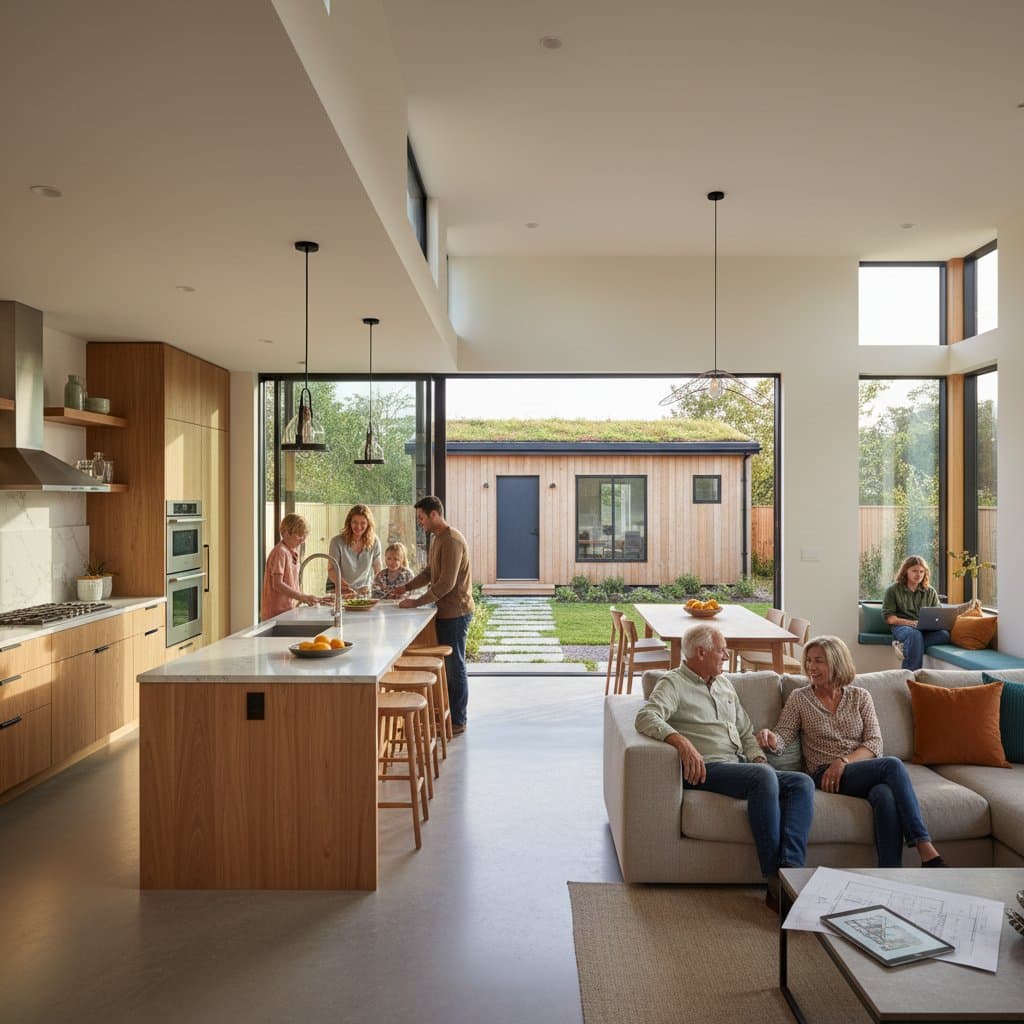
For 2026 multigenerational home renovations, budgets typically span $120,000 to $420,000, averaging $265,000. Key influences include project scale, location, and finishes. Achieve up to 18% property value increase through thoughtful designs that promote independence, shared savings, and aging-in-place features.
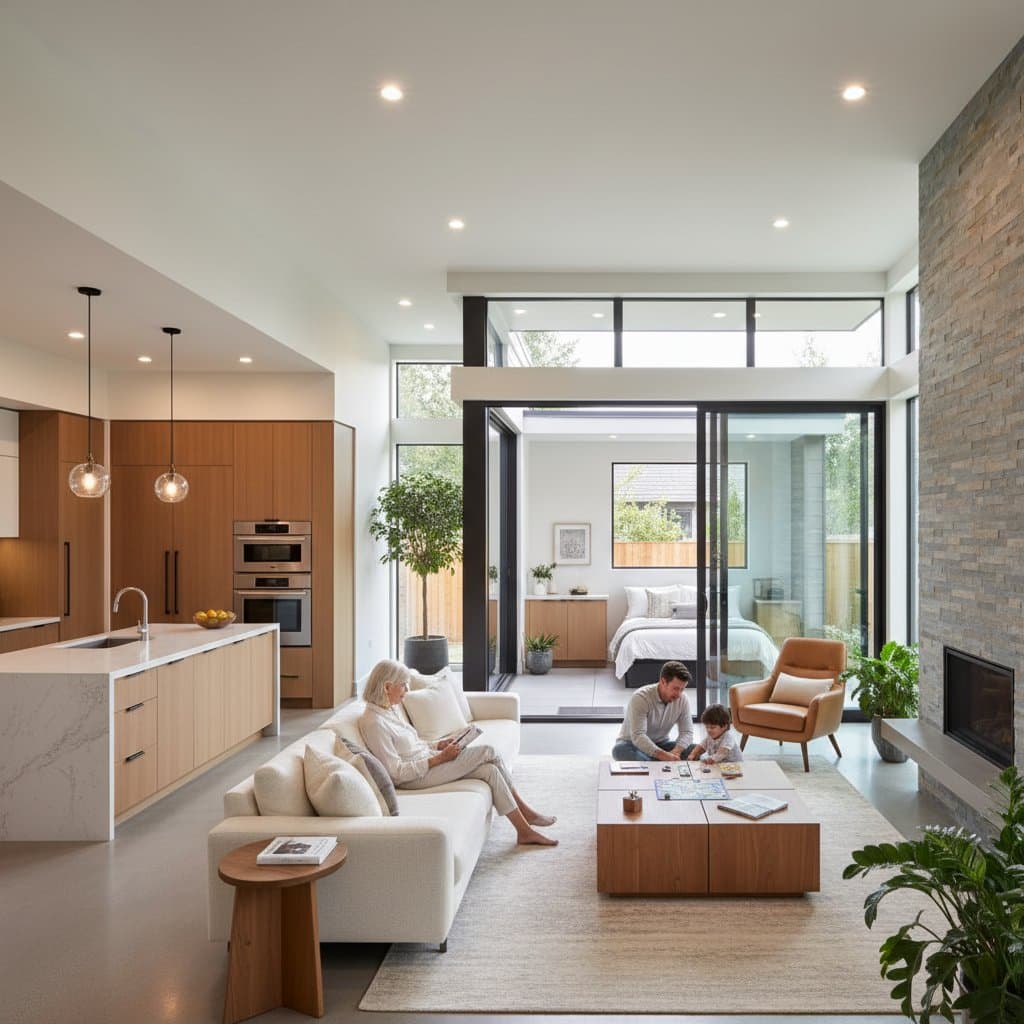
Multigenerational home design integrates privacy, accessibility, and communal areas, with expenses spanning $180,000 to $750,000. Essential elements like home size, material selections, and layout details drive pricing. Expert involvement elevates functionality and can increase property value by up to 20 percent, while strategic planning yields savings and enduring benefits.
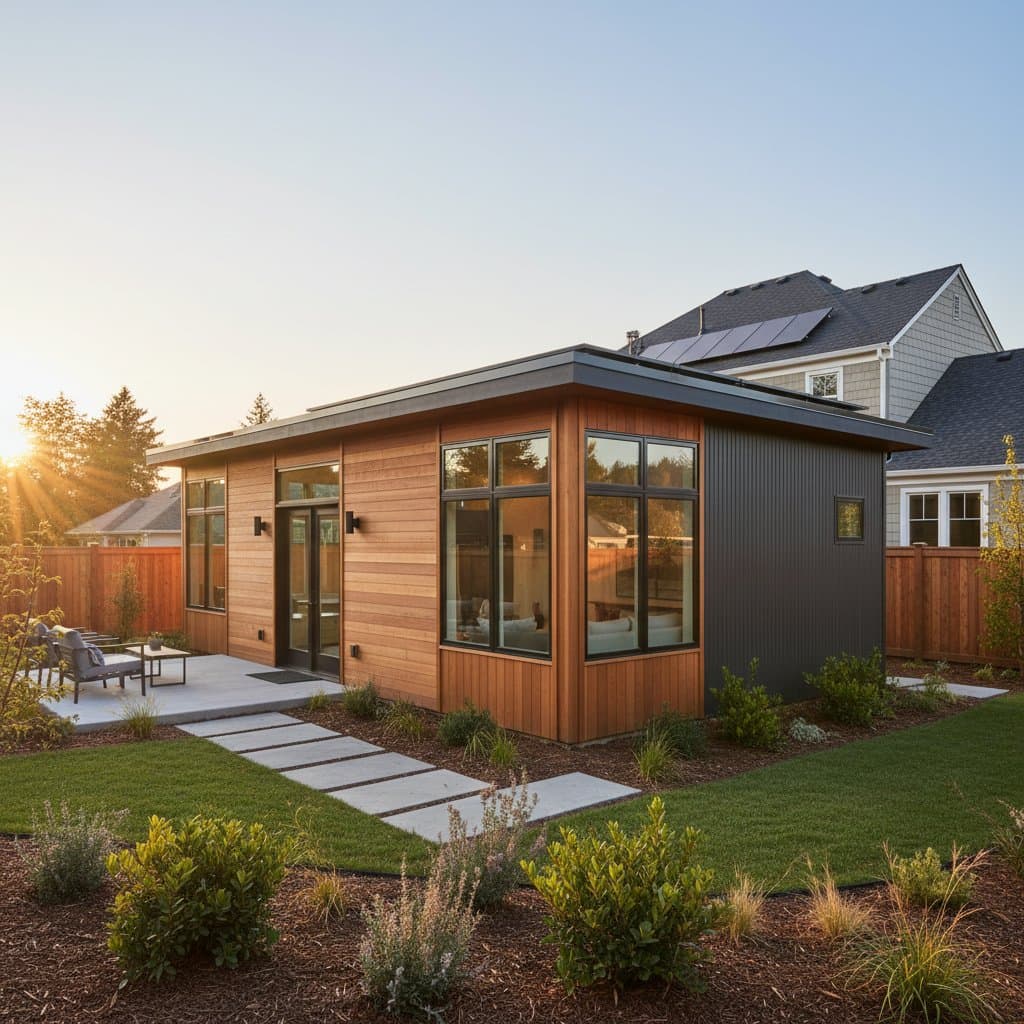
In 2026, granny flat costs average $165,000 nationwide, driven by size, materials, and site factors. Professional construction ensures compliance and value appreciation up to 25 percent. Plan strategically for energy-efficient designs that deliver comfort, income potential, and lasting property gains.
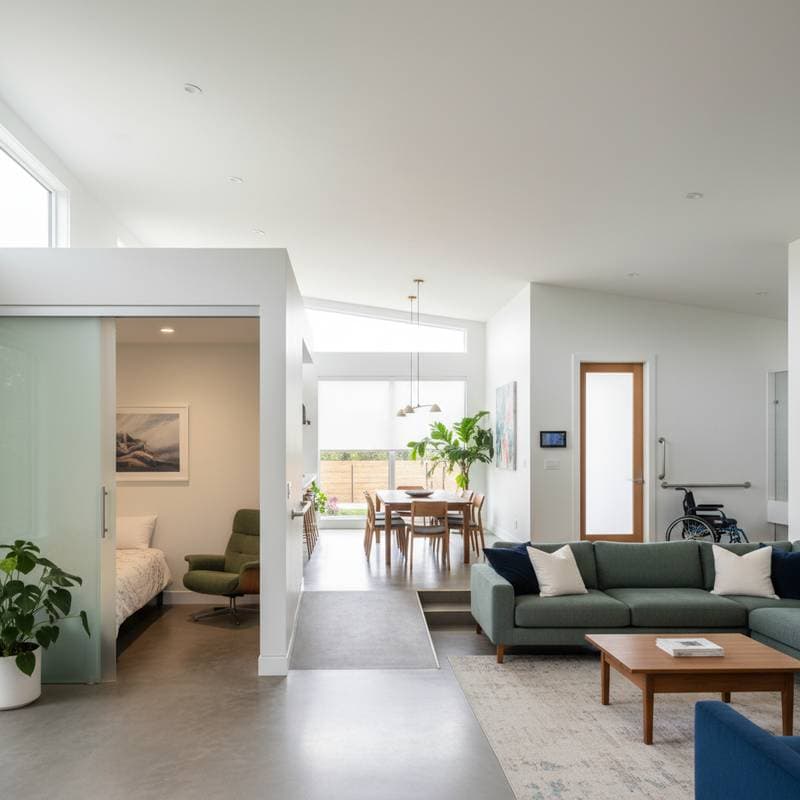
Smart multigenerational layouts blend privacy, accessibility, and shared living to unite families under one roof. With flexible zones, safety upgrades, and thoughtful circulation, homes can support every generation comfortably. Learn how to plan, budget, and maintain a space that fosters connection, independence, and long-term value without expanding your footprint.
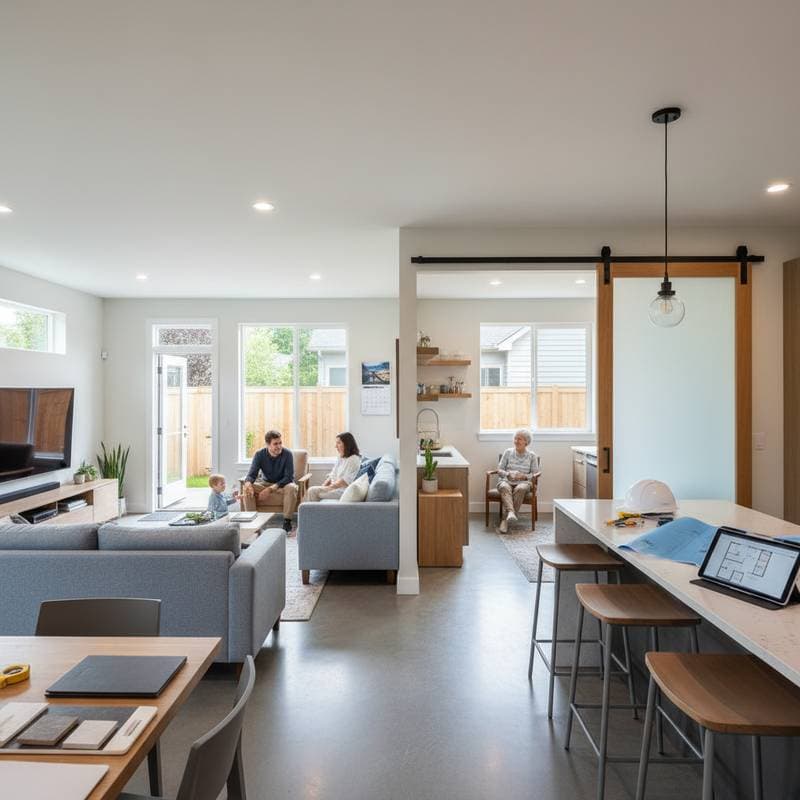
As families plan multigenerational living spaces for 2026, renovation costs typically fall between $150 and $400 per square foot. This guide covers essential factors such as design choices, accessibility upgrades, and material selections that influence budgets. Discover strategies for creating private yet connected areas through ADUs, room conversions, or layout reconfigurations, all while maximizing comfort, functionality, and future resale value.
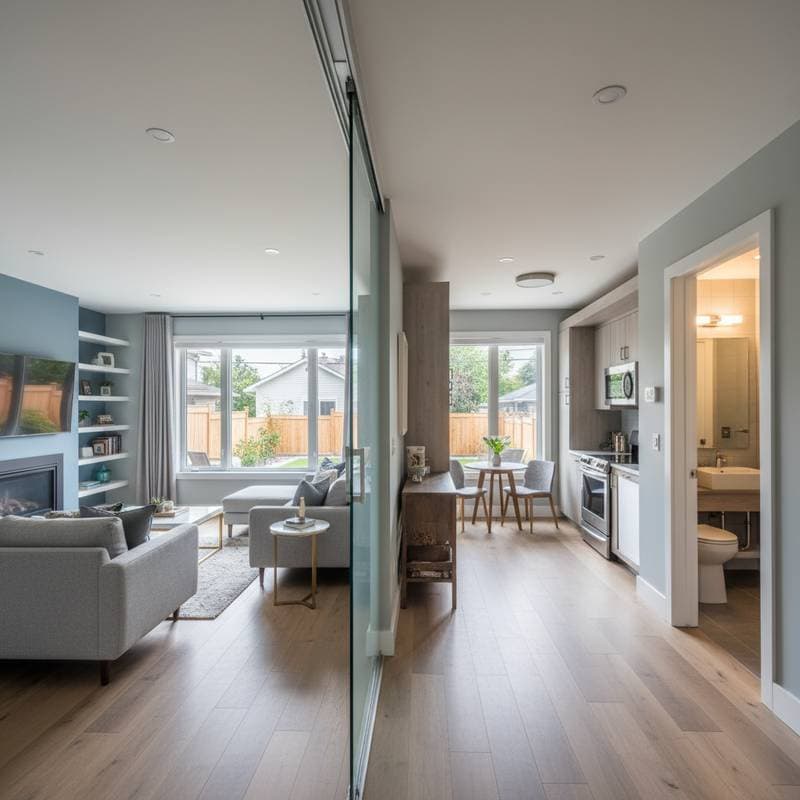
Adapting homes for multigenerational living need not incur excessive costs. This comprehensive guide details methods to develop independent living areas within one home, while managing expenses, complying with regulations, and upholding resale potential. Gain insights into key cost factors, systematic planning approaches, and informed choices between personal efforts and professional services for effective home adaptations.
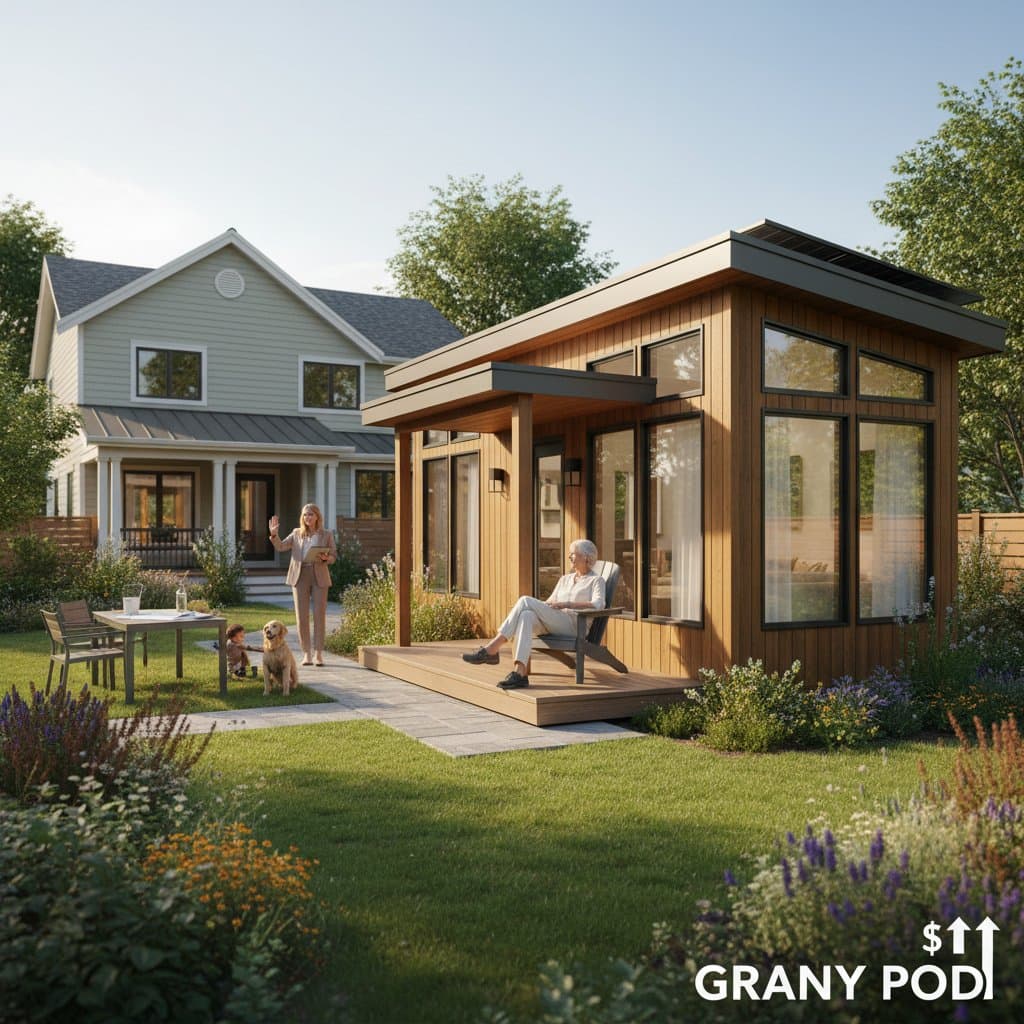
Granny pods transform multigenerational living by delivering independence alongside close family support. In 2026, expenses typically span $100,000 to $250,000, influenced by design choices, materials, and location. Families benefit from mastering zoning requirements, financing pathways, and upkeep responsibilities to secure a wise investment in adaptable backyard residences.
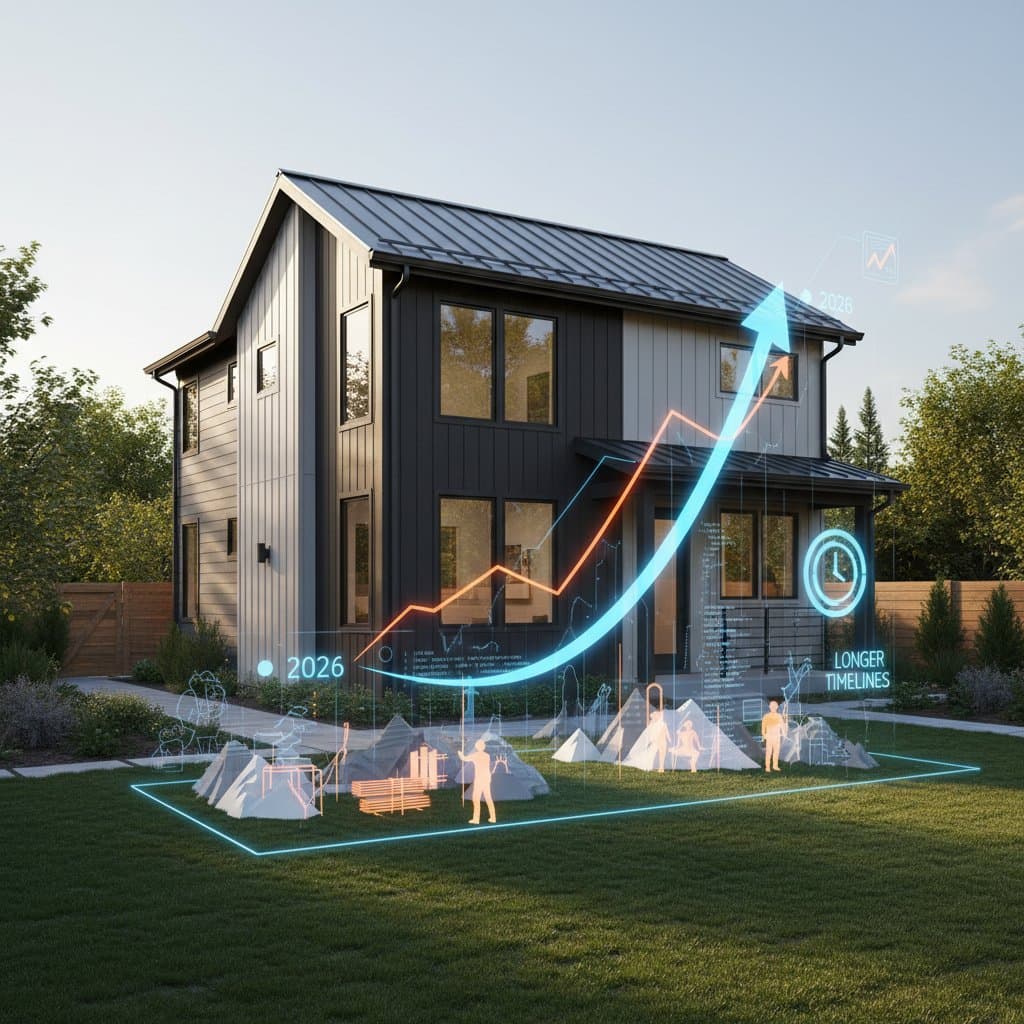
Backyard accessory dwelling unit costs are surging, with averages now at $150,000–$350,000 and projections to double by 2026. Factors like material inflation, labor shortages, and stricter codes fuel the rise. Homeowners should plan budgets early, select licensed professionals, and account for extended timelines and rigorous inspections to navigate these challenges effectively.
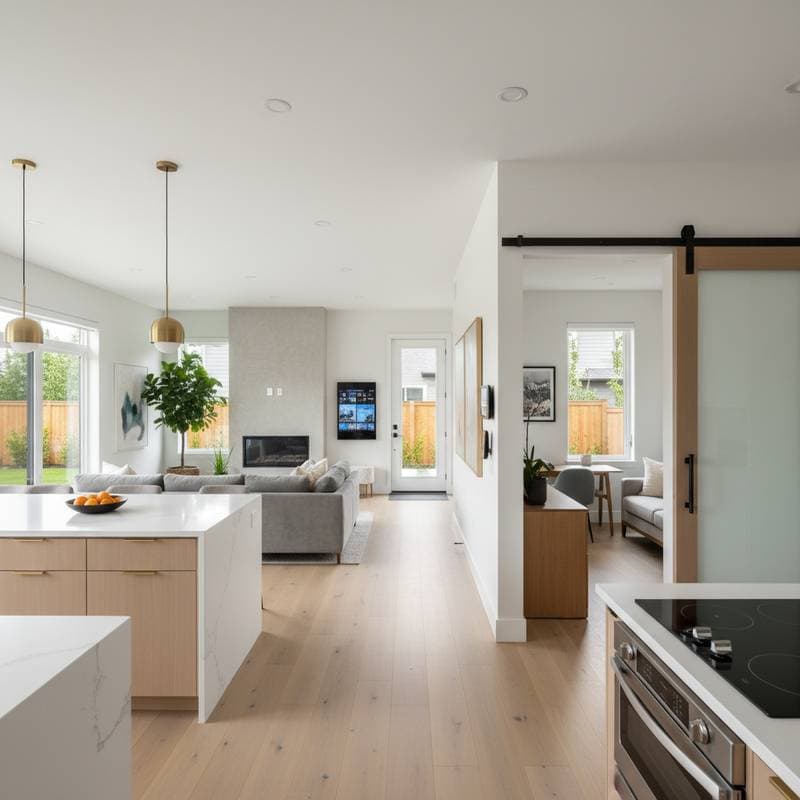
Multigenerational living gains popularity as families seek affordable, connected housing solutions. This guide examines 2026 cost projections, practical design choices, return on investment potential, and key permitting requirements. Discover strategies to create versatile, compliant spaces that foster family bonds while enhancing home equity.
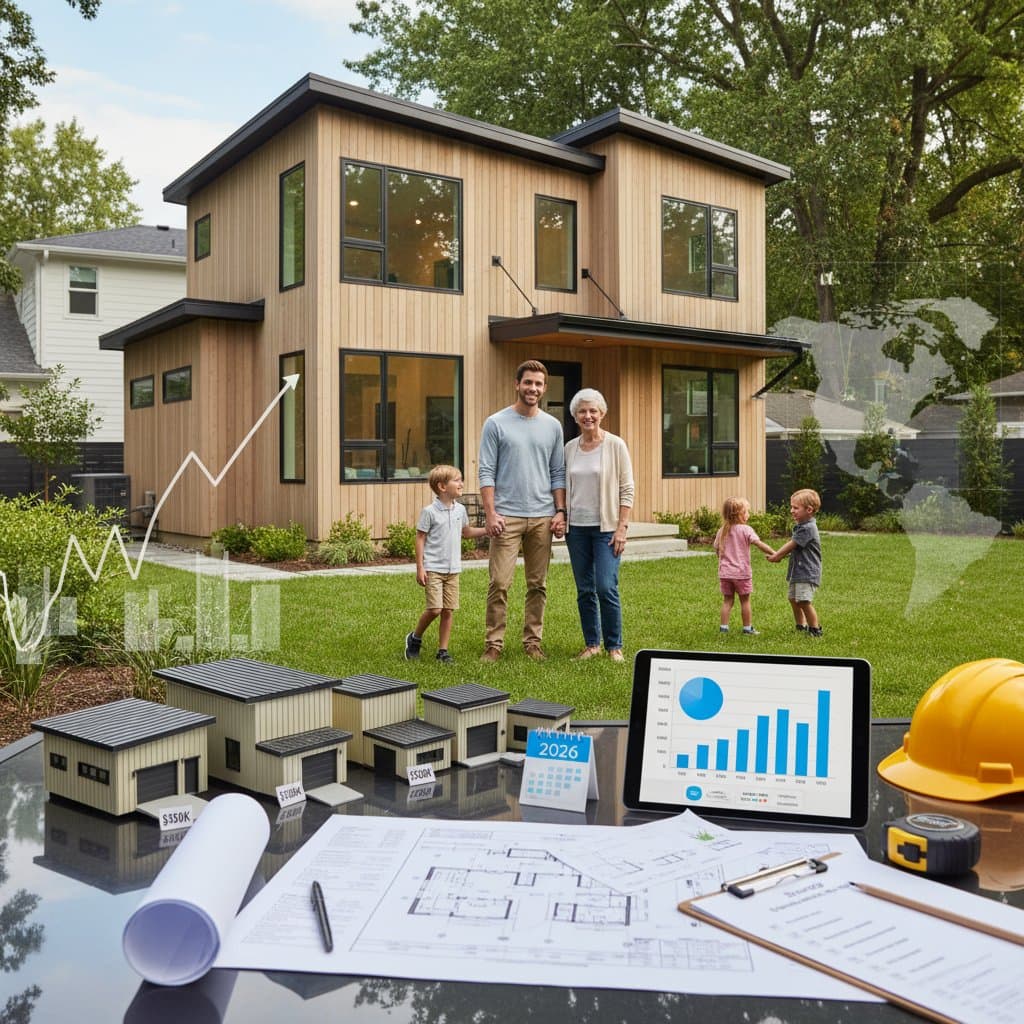
Accessory dwelling units (ADUs) revolutionize multigenerational living by providing versatile, independent spaces for family members or rental opportunities. In 2026, expect costs between $160,000 and $380,000, influenced by design, location, and regulations. This guide covers pricing details, construction timelines, permitting requirements, and ongoing maintenance to support informed decisions that increase property value and strengthen family bonds.
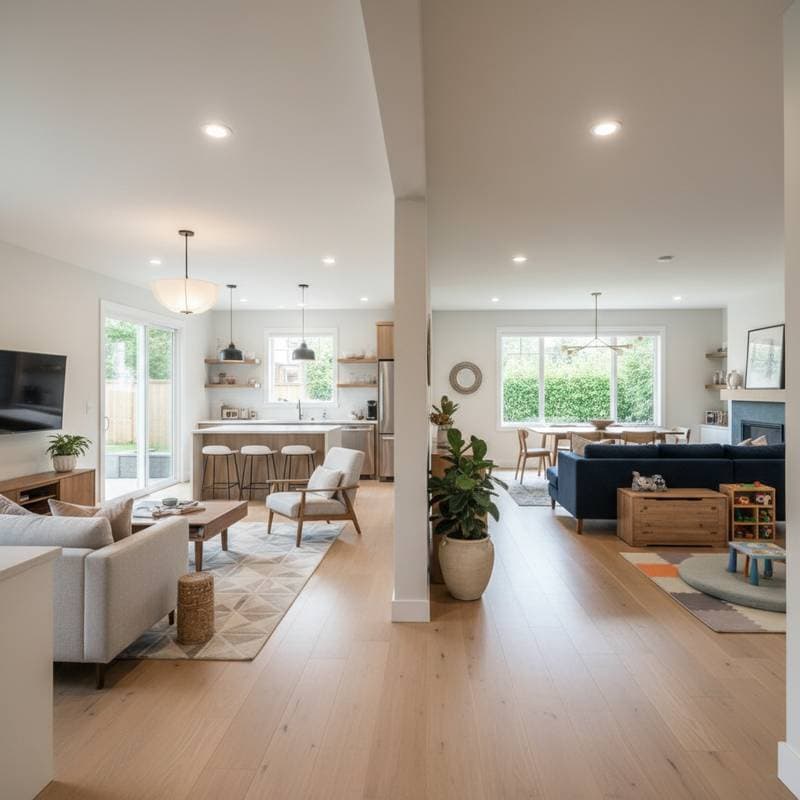
Learn the costs of 2026 multigenerational home conversions, ranging $75,000 to $300,000. Discover factors like layout and finishes, plus tips to boost property value by 25% while enhancing family independence and comfort.