
Articles tagged with ADU - Page 6
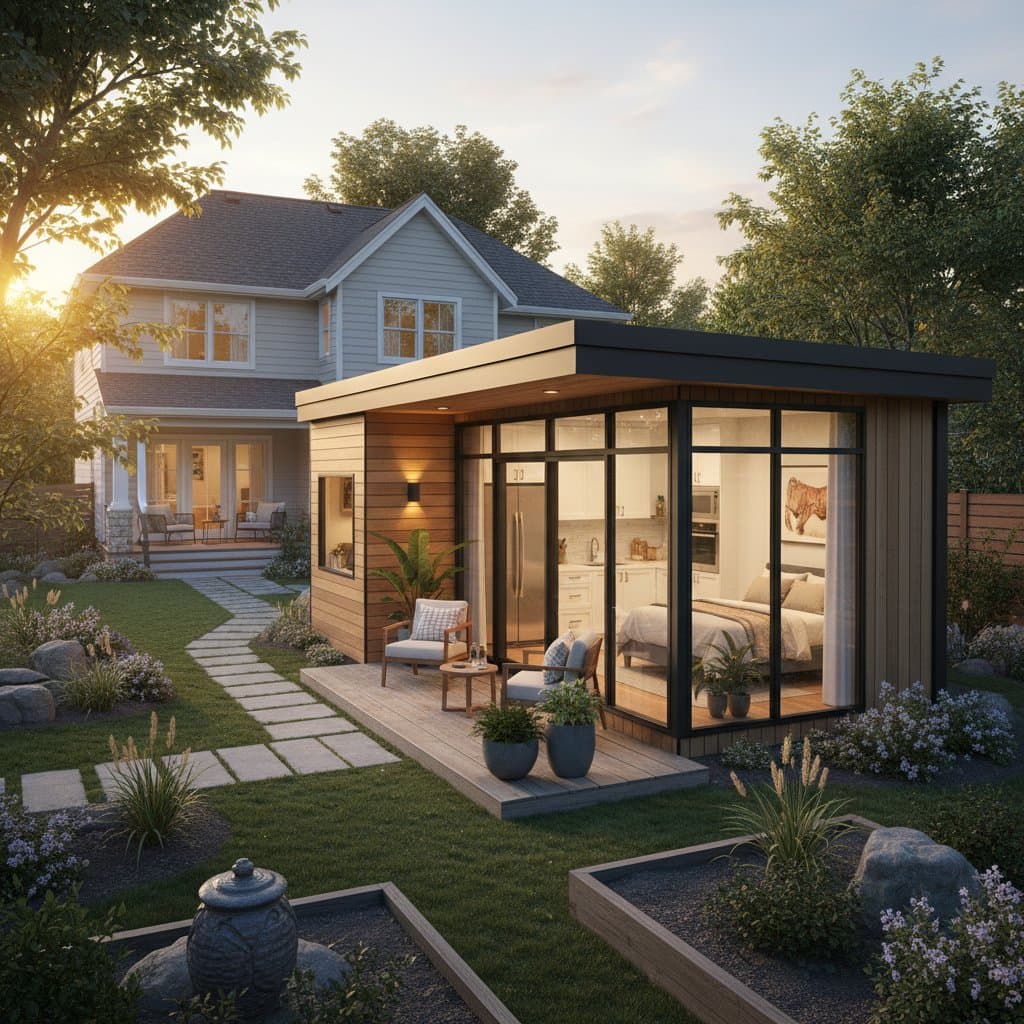
Granny pods deliver autonomy for seniors and closeness for families through compact backyard residences priced at $85,000 to $250,000. Costs fluctuate with unit dimensions, build standards, and zoning requirements. Capable of raising property values by up to 35 percent, these adaptable homes offer a budget-friendly path to senior care, merging accessibility, ease, and investment returns.
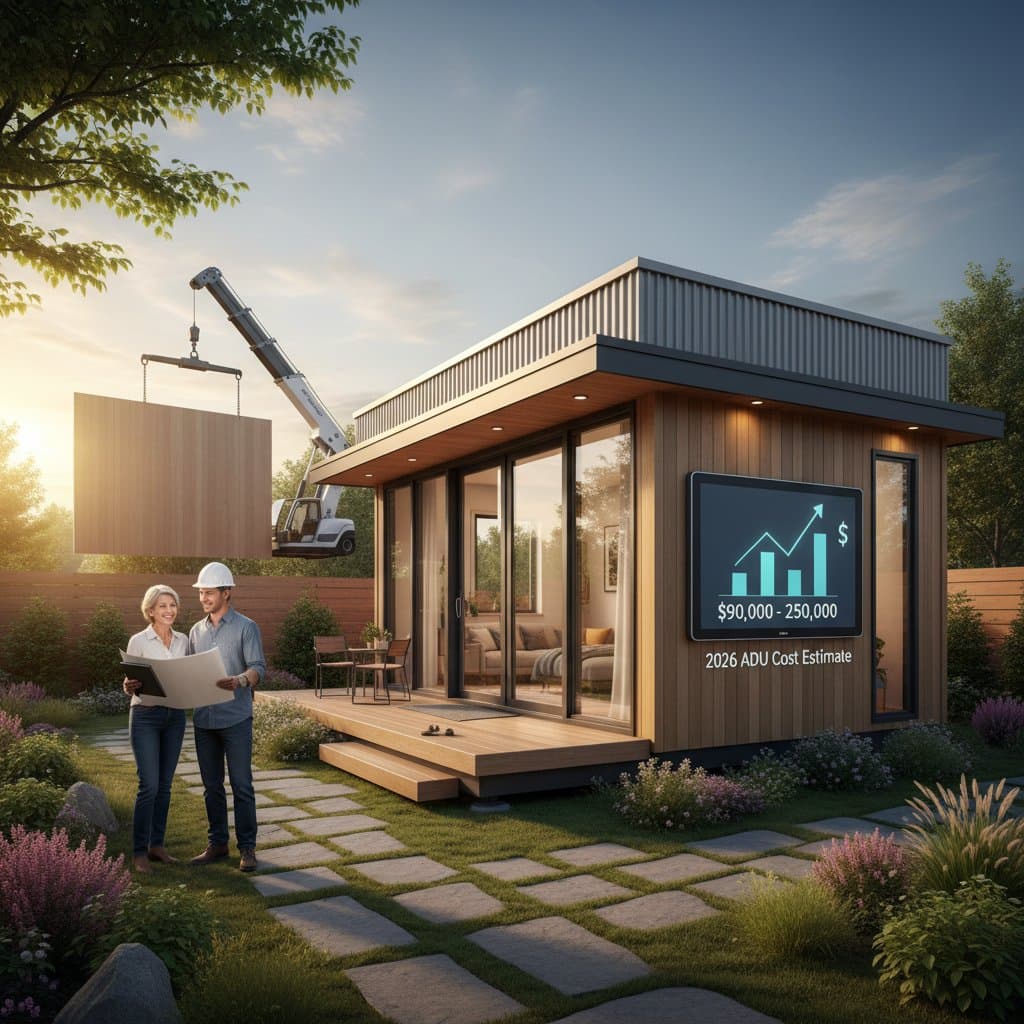
Uncover the true expenses of a 2026 granny pod, a versatile backyard ADU for family support or rental purposes. This guide details how design, location, and features drive costs between $90,000 and $250,000, plus steps for permits, builds, and ongoing care to launch your project confidently.
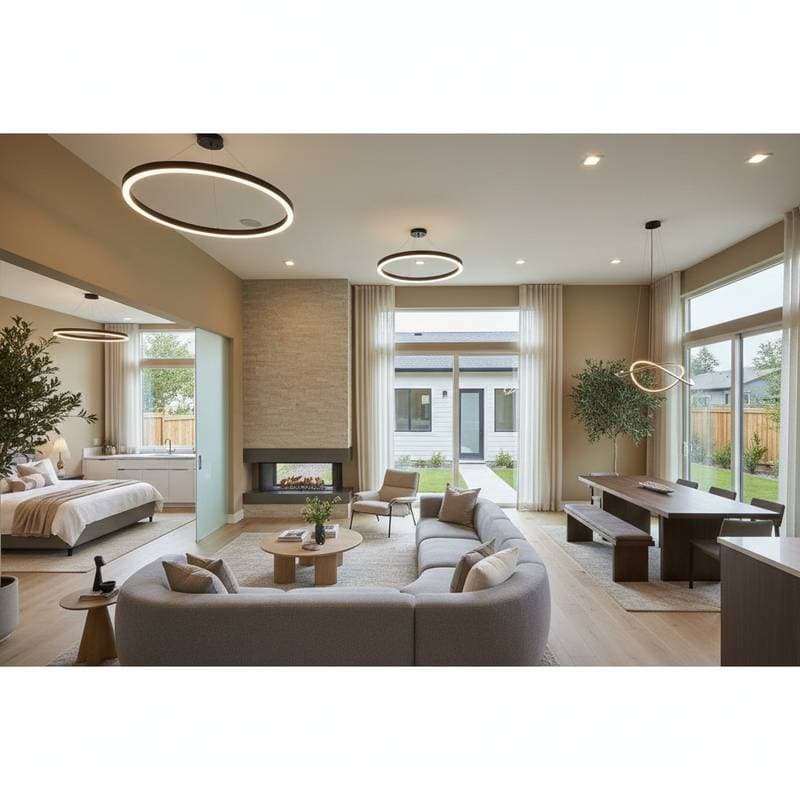
Designing a multigenerational home requires strategic planning and budgeting. Costs in 2026 span $150 to $400 per square foot, emphasizing privacy, accessibility, and shared efficiency. This guide covers zoning considerations, ADU integrations, and steps to create a durable family investment.
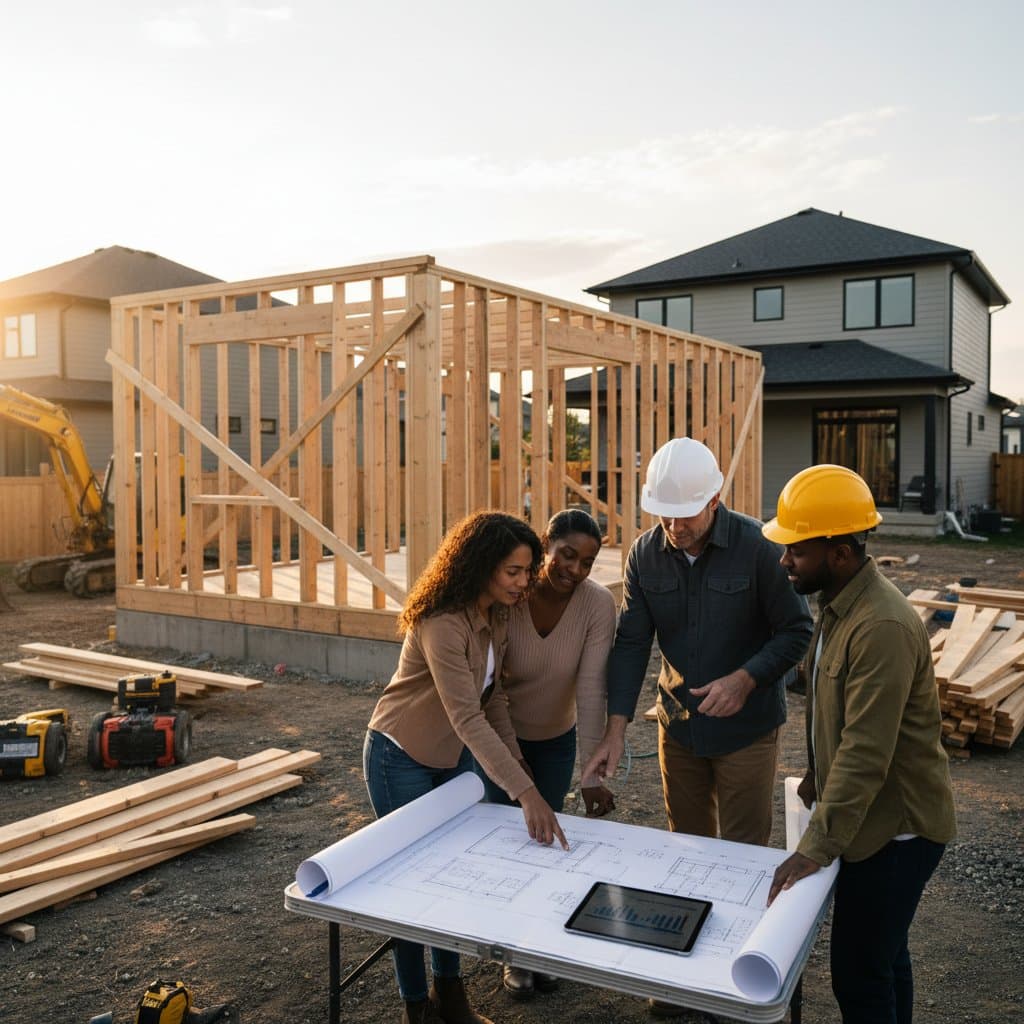
ADU popularity surges, yet escalating costs require strategic budgeting. This overview details expense breakdowns, funding paths, and mitigation tactics to help you construct efficiently and maximize returns on backyard expansions.
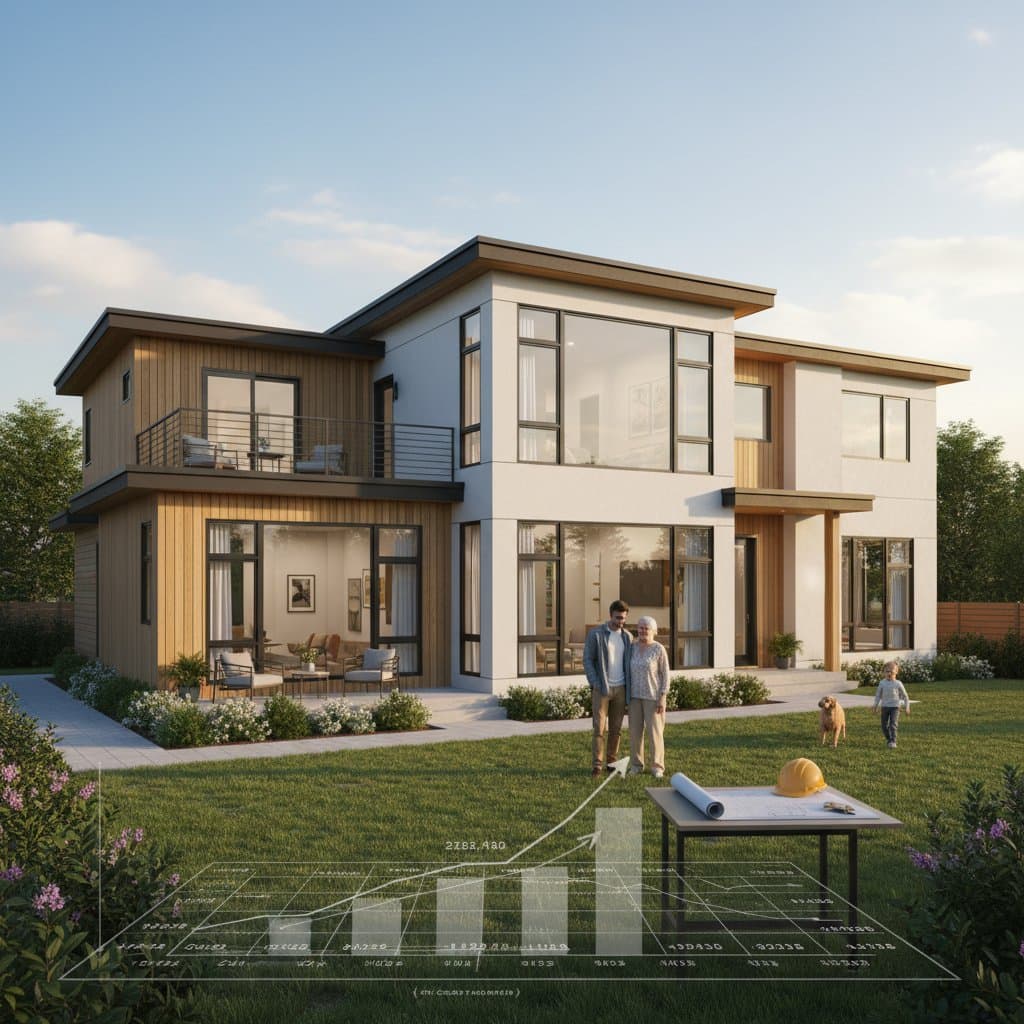
Building a multigenerational addition in 2026 costs $120,000–$320,000, depending on size, materials, and site complexity. Professional builds boost property value up to 30 percent, while smart timing and planning can cut expenses. Explore detailed cost tiers, DIY comparisons, and strategies to maximize comfort, equity, and long-term family flexibility.
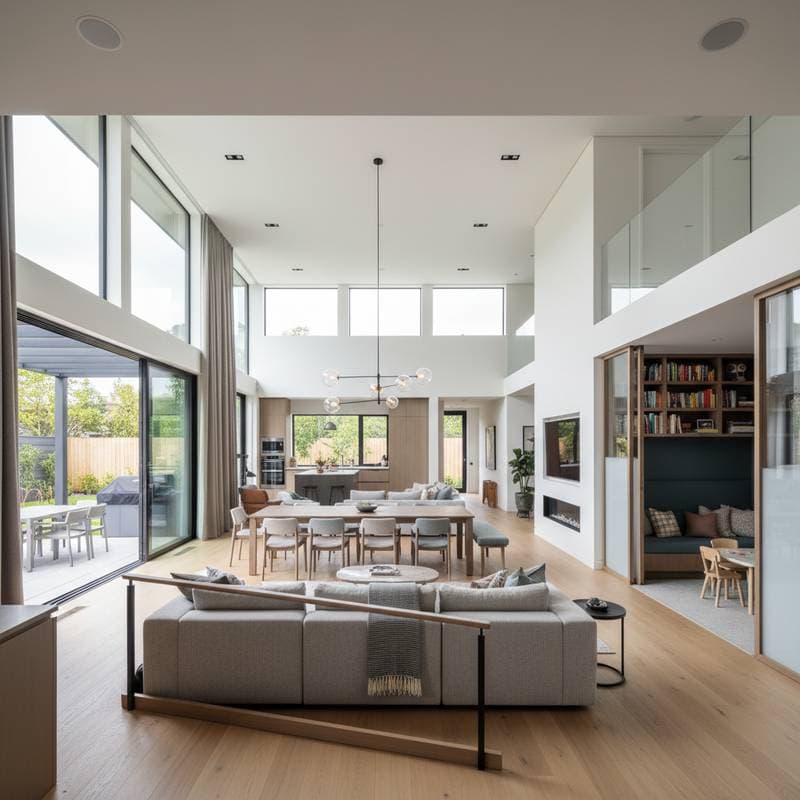
Craft a home that adapts to every stage of life by integrating shared hubs, private retreats, and versatile spaces. Thoughtful elements like soundproofing, universal accessibility, and modular designs promote independence, safety, and meaningful interactions for all generations sharing one roof.
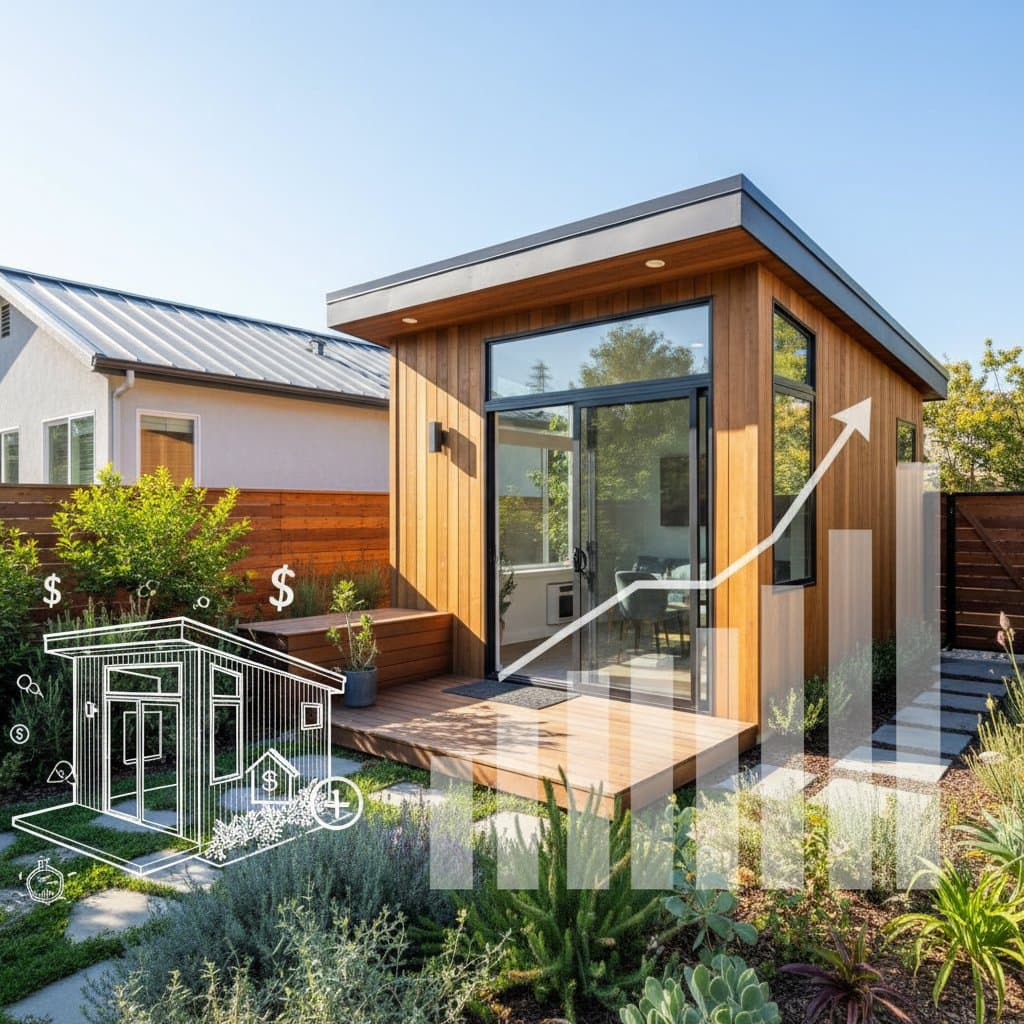
In 2026, constructing a granny flat ranges from $90,000 to $250,000 based on size, materials, and location specifics. Average builds hit $160,000 for a 600-square-foot detached unit. Learn cost breakdowns, savings tips, and how to achieve up to 30% property value gains through expert planning.
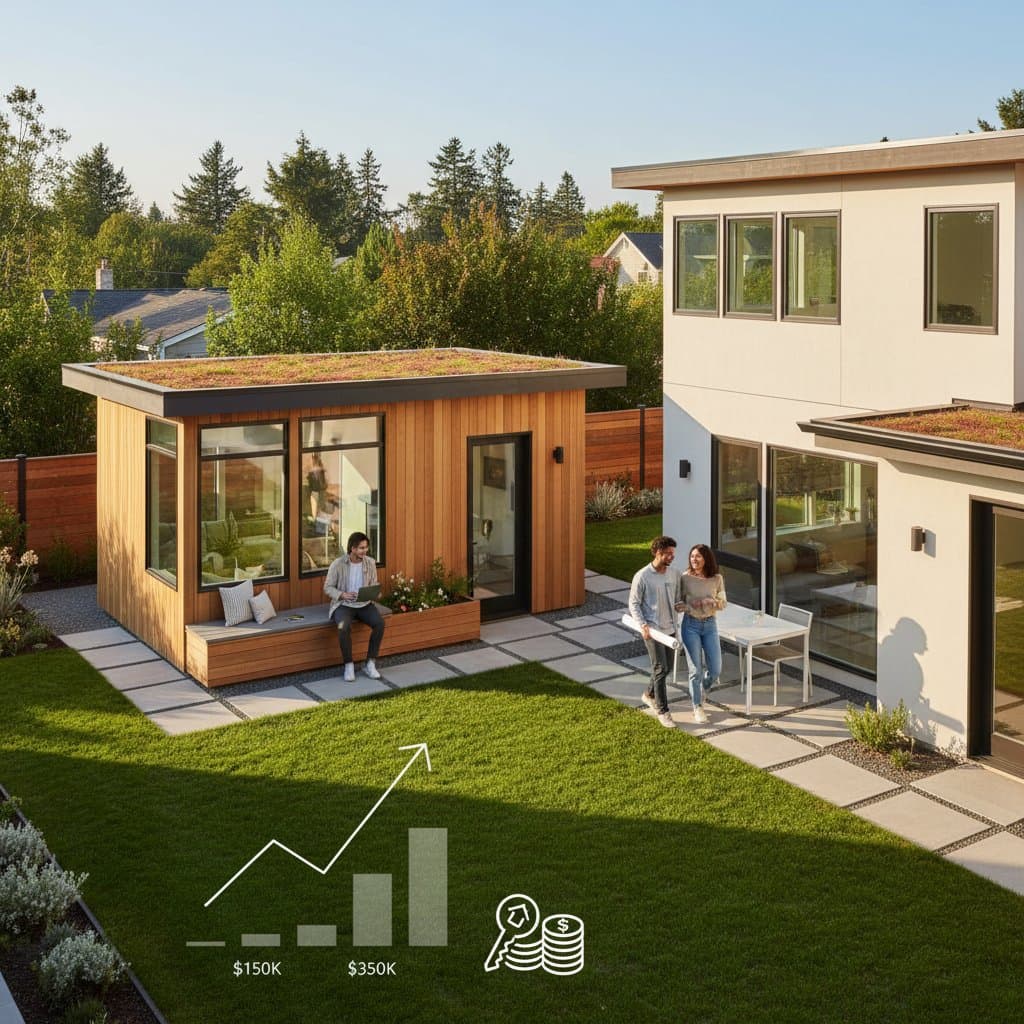
Building an accessory dwelling unit, or ADU, enhances property value, provides rental income, and adds flexible living space. This guide covers 2026 cost estimates, essential planning steps, and professional hiring advice. From permits to ongoing maintenance, discover how thoughtful design and budgeting transform backyard areas into valuable investments.
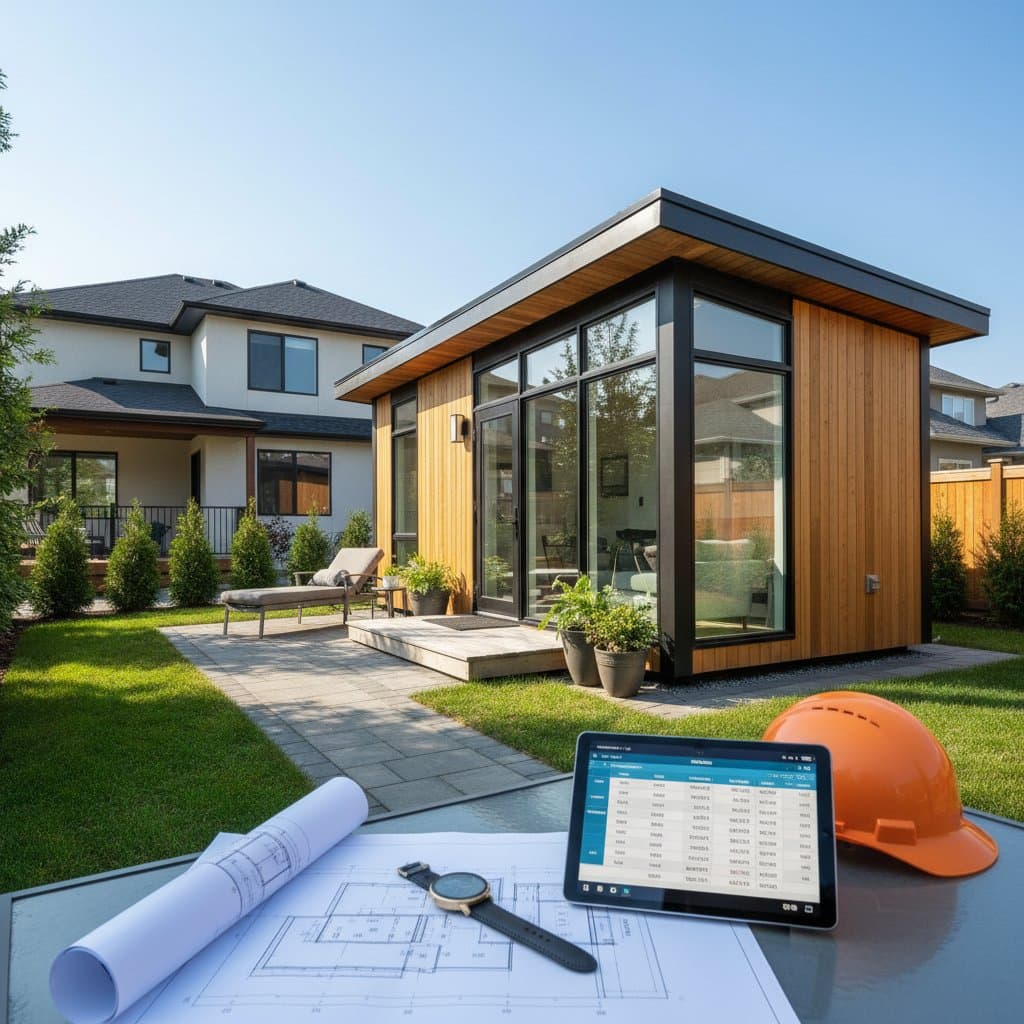
In 2026, installing a granny pod averages $145,000, with ranges from $90,000 to $210,000 based on size, materials, and location. Projects complete in 10 to 20 weeks using licensed professionals. Strategic planning ensures compliance, comfort, and optimal value for homeowners.
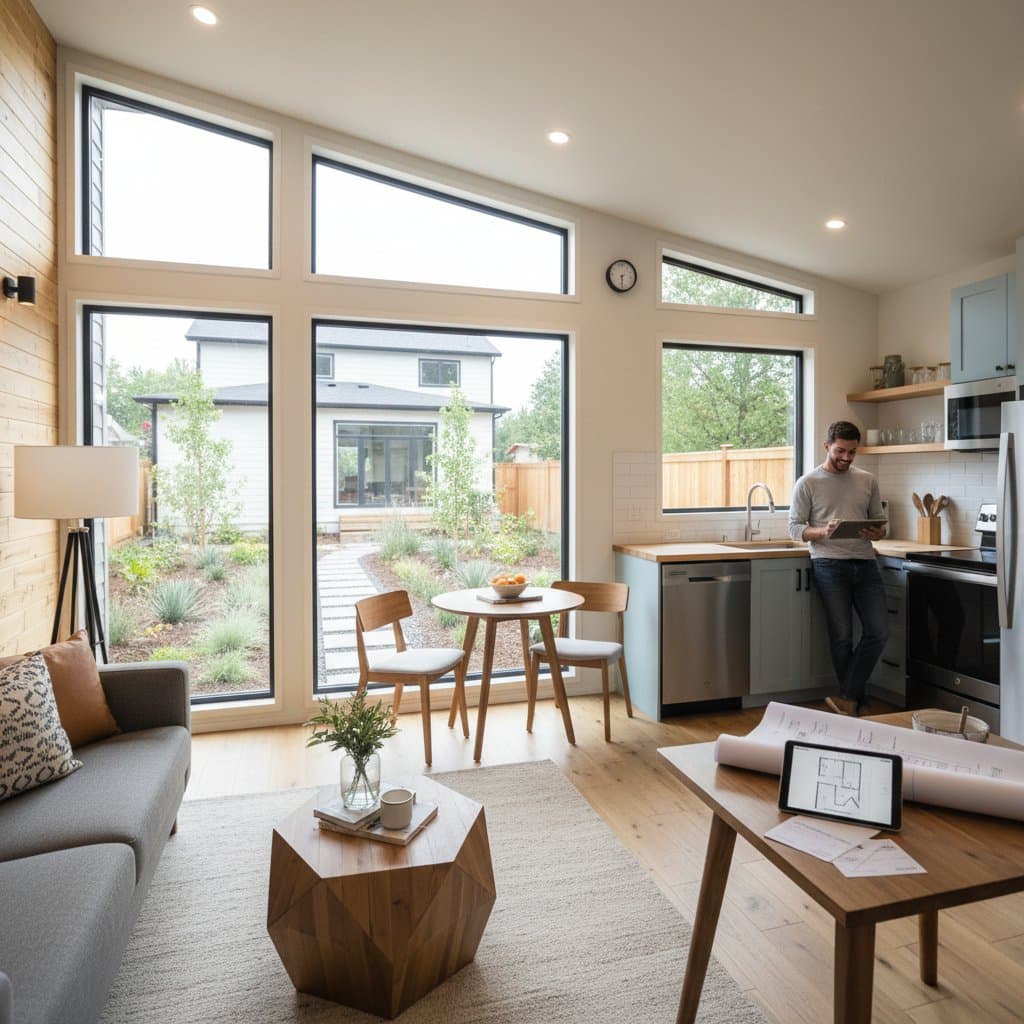
In 2026, granny pod expenses dip below those of main home additions, offering an affordable path to multigenerational living. This guide details full cost breakdowns, essential zoning checks, permit processes, and practical choices between self-build and expert installation to keep your project compliant and cost-effective.
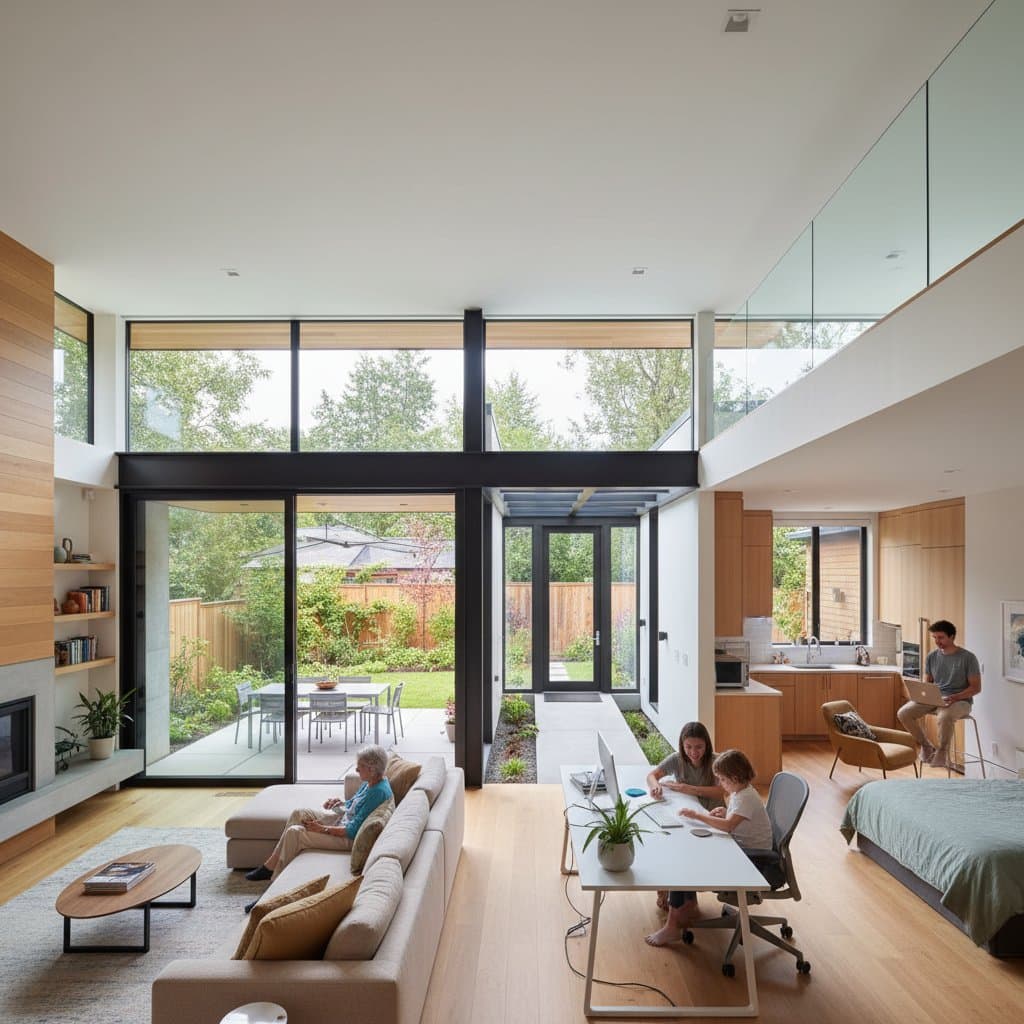
Multigenerational home design in 2026 emphasizes privacy, accessibility, and meaningful connections. Incorporating ADUs and adaptable layouts requires strategic planning, financing, and zoning compliance. These elements promote comfort, enhance property value, and support long-term family harmony through independence and shared spaces.
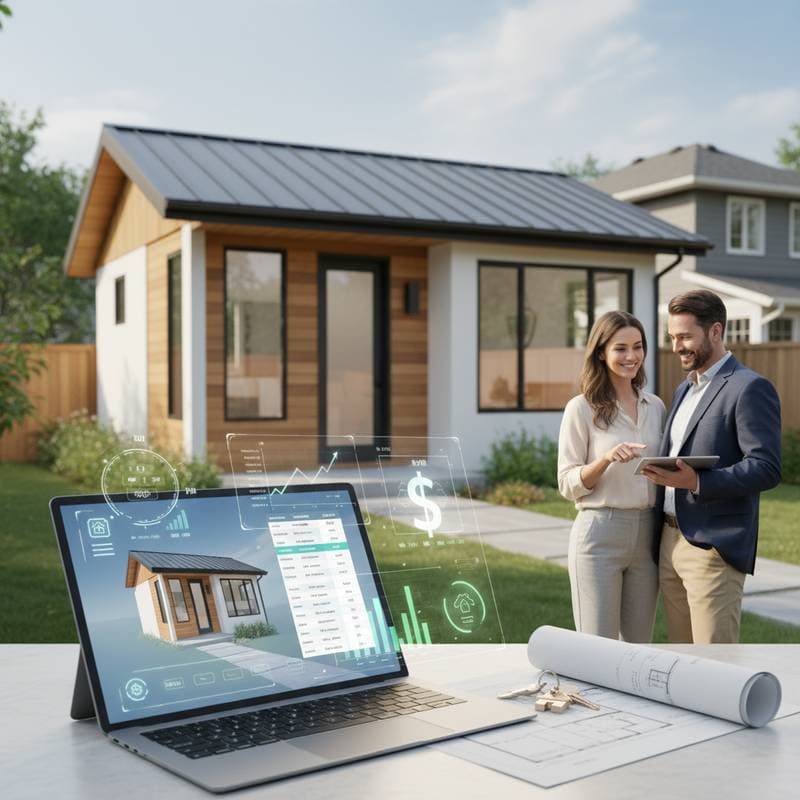
Uncover the real costs of building an ADU in 2026 and master the planning process for your granny flat project. This comprehensive guide covers expense breakdowns, construction steps, pitfalls to sidestep, and pro versus DIY options to secure lasting property benefits.
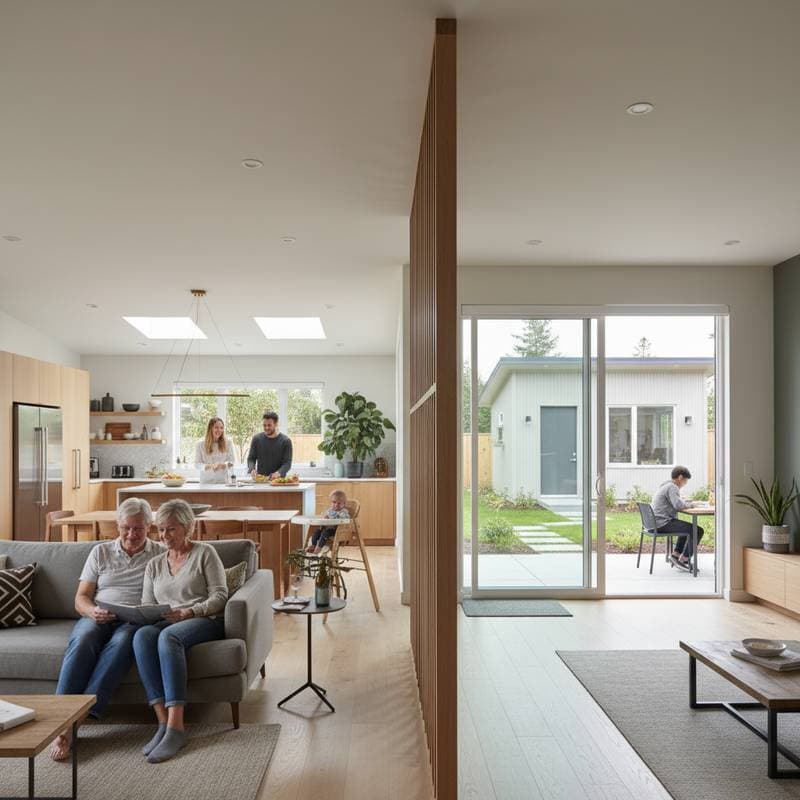
Crafting a multigenerational living space involves harmonizing private retreats with communal areas. Effective designs incorporate sound management, future-proof accessibility, and regulatory compliance. Options like basement conversions or backyard units deliver comfort, versatility, and increased property appeal, ensuring every generation enjoys both independence and closeness.
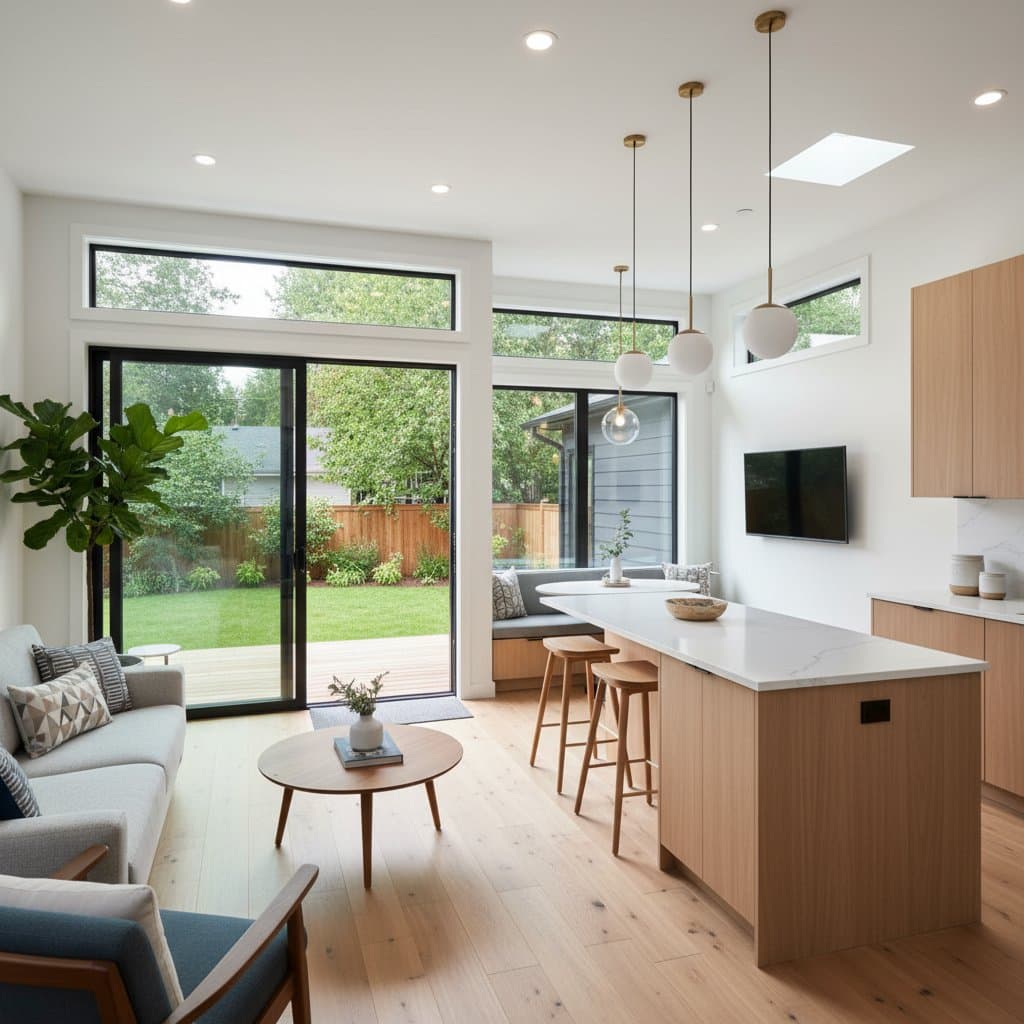
Granny pod costs range $85,000 to $250,000, averaging $140,000 for a complete setup. Factors such as size, materials, and site drive pricing. Prefab or custom choices promote independence and can raise home value by 35 percent. Get insights on smart budgeting, options, and investment benefits.
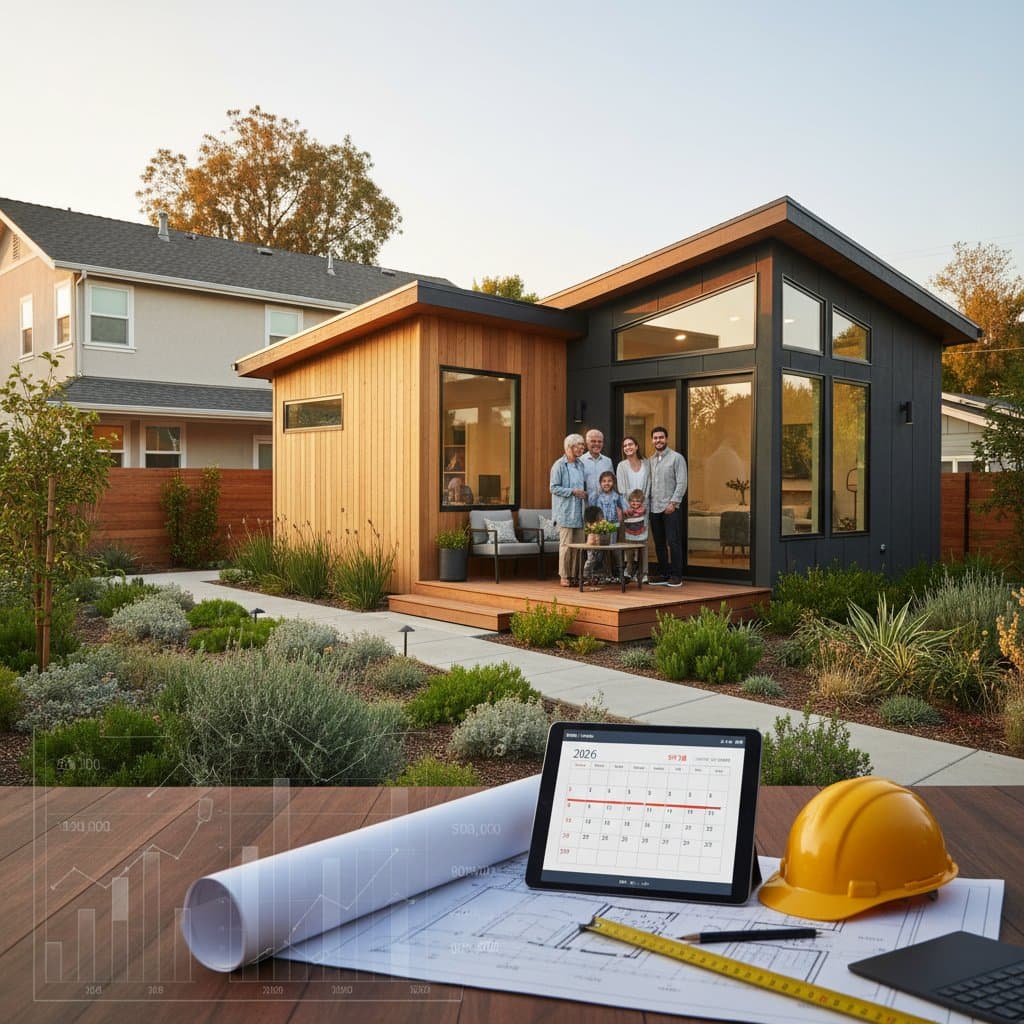
In 2026, ADU construction costs average $210,000, with a range of $90,000 to $500,000 based on size, location, and features. This guide details influencing factors, cost-saving measures, typical timelines of 6 to 12 months, and ROI potential of 60% to 80%, helping you plan a smart addition for family living or income generation.
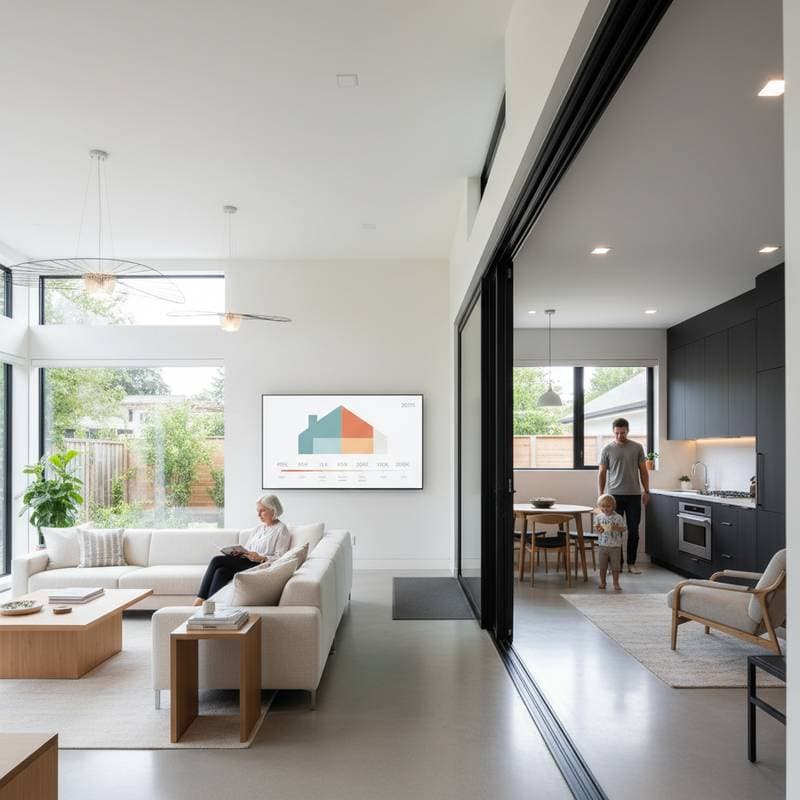
Consider a multigenerational home upgrade in 2026? Costs range from $40,000 to $320,000 based on project scale, design choices, and features. Options include basement conversions or detached accessory dwelling units. Effective budgeting, accessibility considerations, and expert involvement ensure success. This guide covers pricing drivers, timelines, and strategies to maximize long-term value for family living.
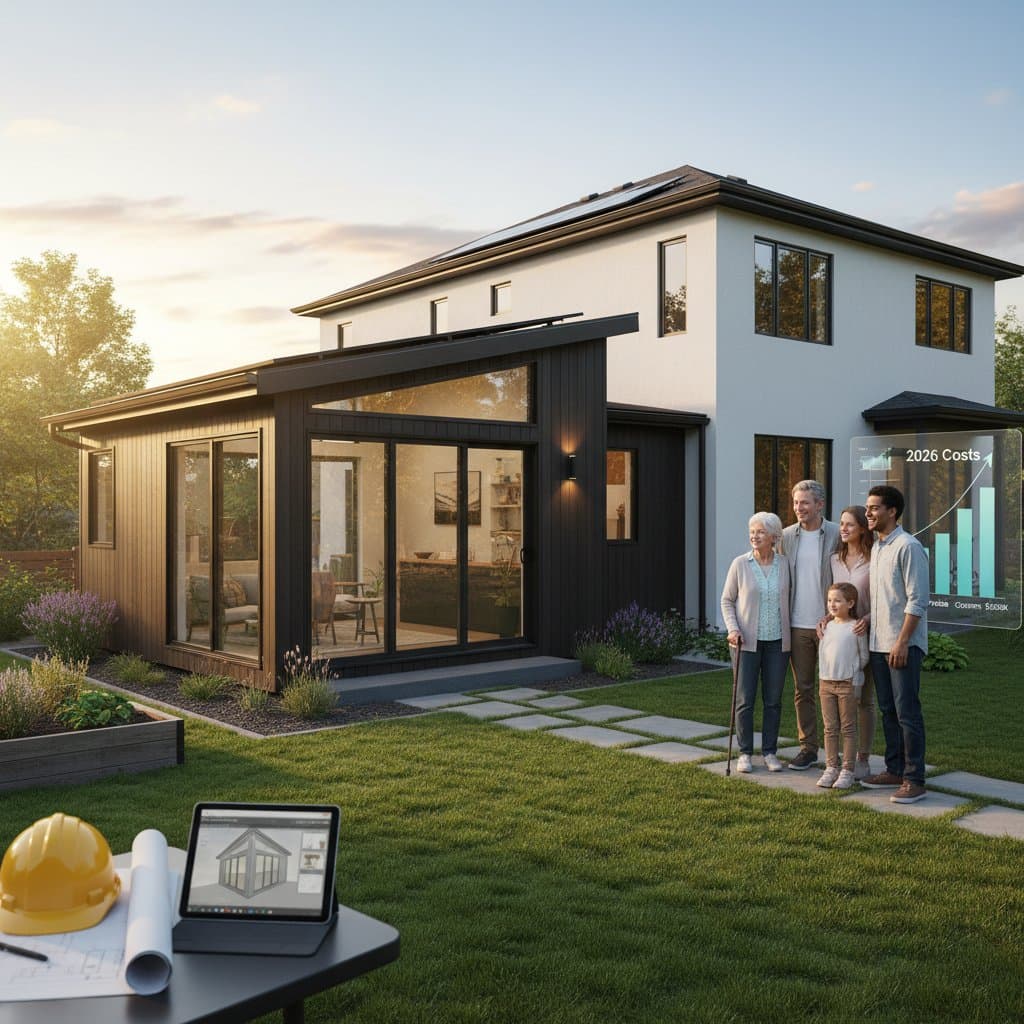
Uncover the true costs of 2026 granny pods, ranging from $80,000 prefab setups to $250,000 custom designs. Gain insights on zoning compliance, utility integration, installation timelines, and accessibility features to build a secure, family-oriented backyard dwelling.
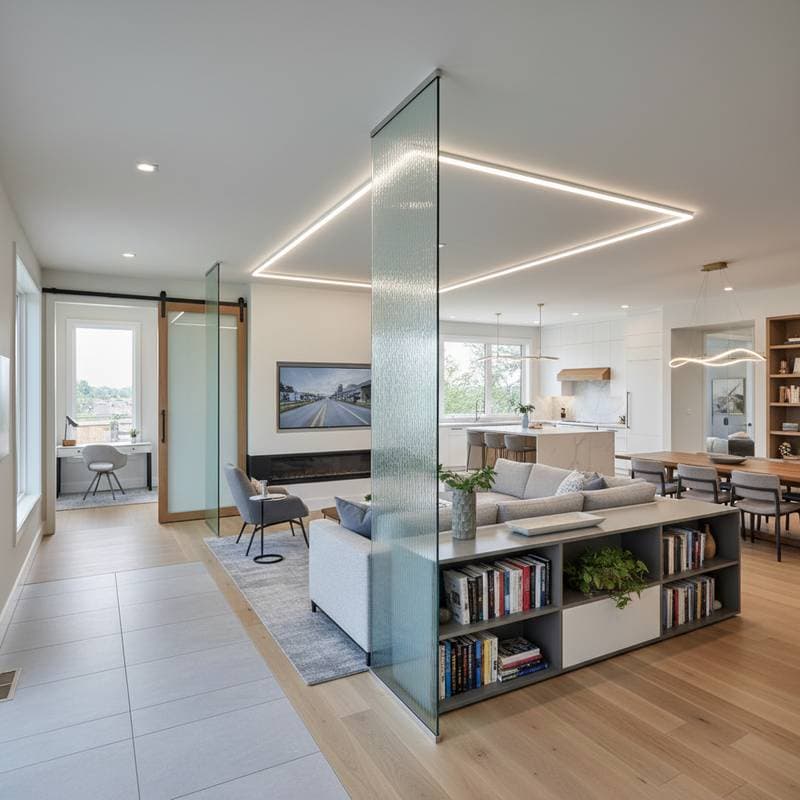
Multigenerational homes integrate communal areas with individual retreats through thoughtful zoning and adaptable designs. Construction expenses vary from $180 to $500 per square foot based on location and features. This guide covers zoning strategies, code compliance, and ways to harmonize comfort, finances, and accessibility for homes that adapt to evolving family dynamics.
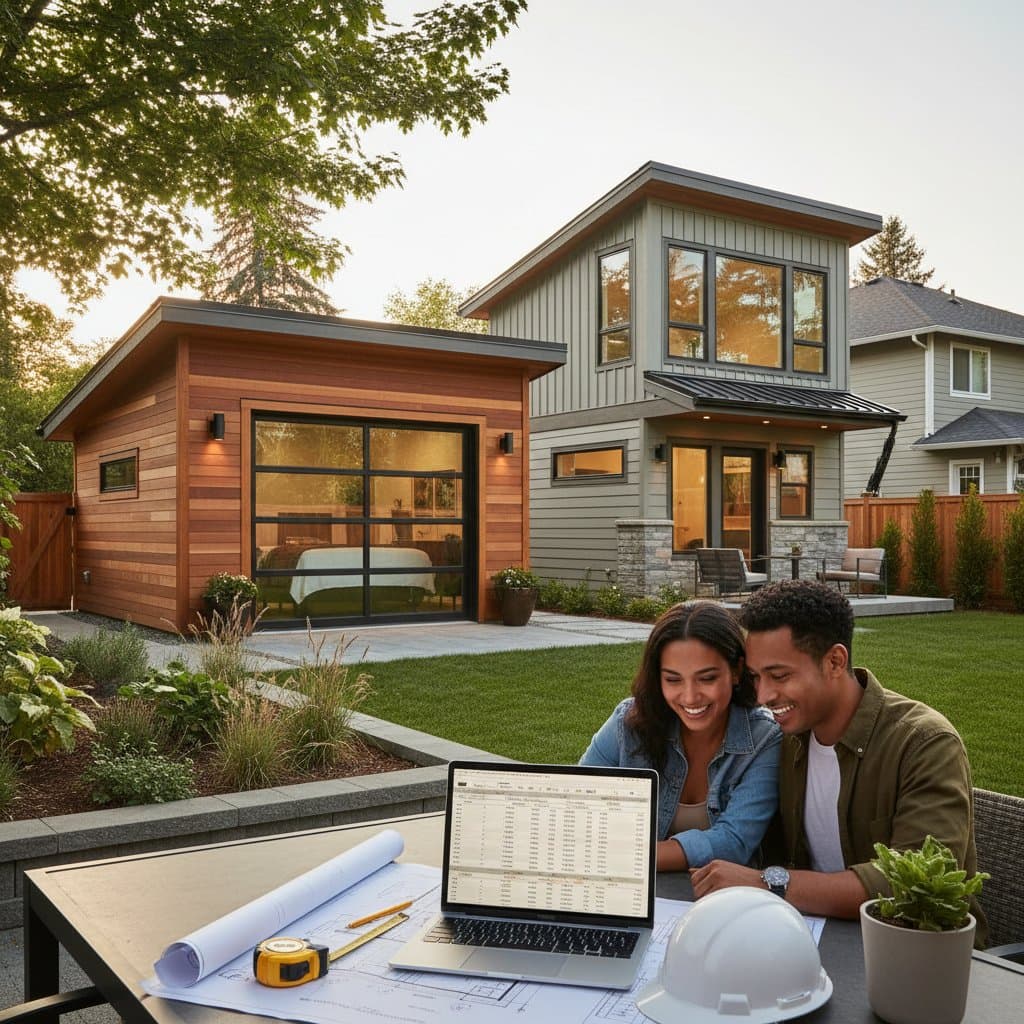
Uncover the true costs of building an ADU in 2026, ranging from $90K for garage conversions to $350K for detached cottages. Understand how design decisions, location, and personal involvement affect budgets, timelines, and investment returns. Gain practical advice on financing, permitting, and enhancing value for a versatile backyard living space.

2026 regulations reduce ADU build costs by 25 percent through faster permits and pre-approved designs, benefiting homeowners with affordable expansions. Yet local fees and financing issues persist; this guide covers cost breakdowns, project steps, and tips for optimizing returns on investment.