Understanding 2026 Granny Flat Costs for Rental Potential
Granny flats, also known as accessory dwelling units, offer homeowners opportunities to generate rental income or provide additional living space. In 2026, construction costs typically range from $90,000 to $260,000, influenced by factors like unit size, material quality, and regional regulations. This guide breaks down the expenses, outlines construction steps, and provides strategies to optimize returns.
Key Cost Overview
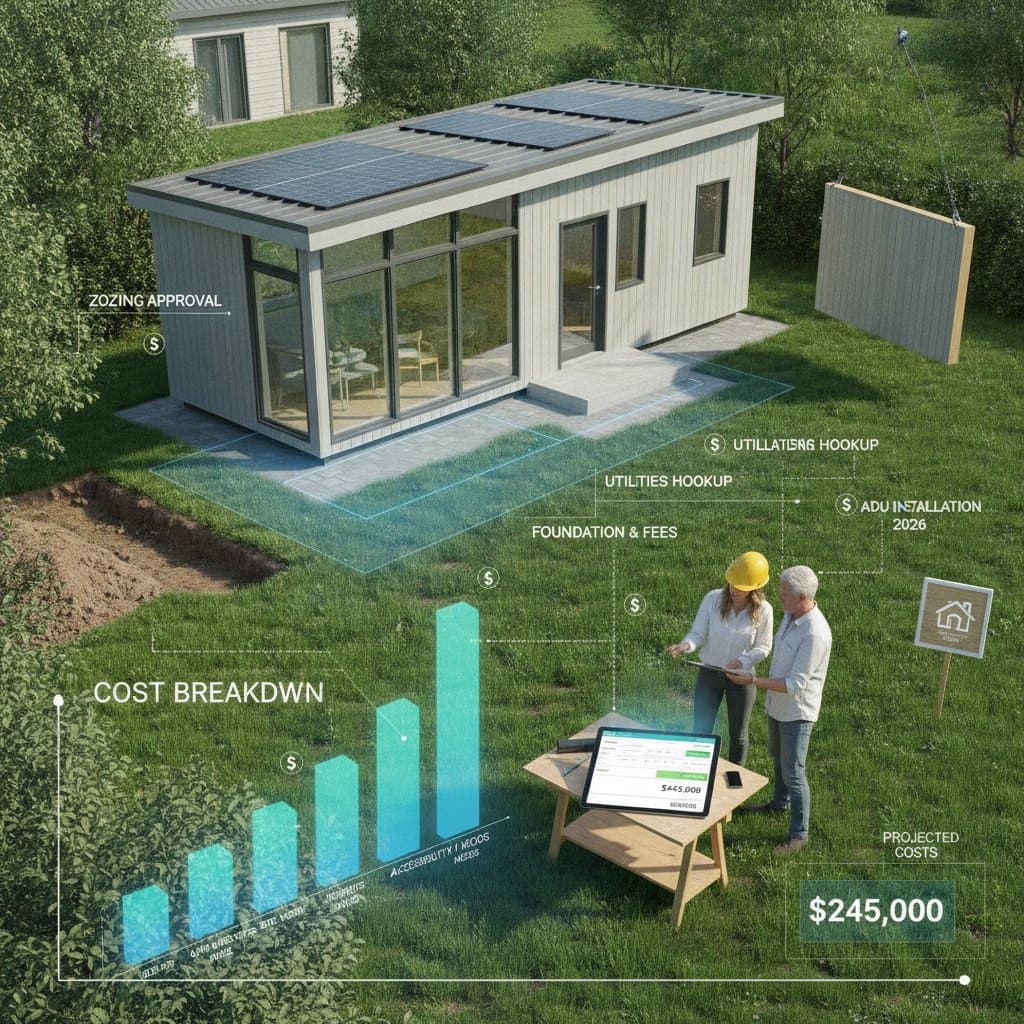
Total project expenses fall between $90,000 and $260,000, varying by the unit's square footage, interior finishes, and compliance with local codes. Primary cost drivers include the foundation type, utility installations, and overall design complexity. Homeowners can reduce expenditures through self-managed site preparation, selection of basic finishes, or adoption of modular construction methods, though professional involvement remains essential for permits and structural elements.
Advantages and Challenges
Advantages
- Generates consistent rental revenue or accommodates extended family members
- Enhances overall property value and provides versatile living options
- Utilizes existing land without requiring additional lot acquisition
- Potentially qualifies for incentives related to energy efficiency or increased housing density in certain areas
Challenges
- Involves substantial initial investment and intricate permitting processes
- Could result in elevated property taxes or insurance premiums
- Requires thoughtful design to maintain privacy and ensure proper drainage
- Might diminish available yard space and accessibility
Detailed Construction Process
Building a granny flat demands careful planning and execution, spanning 4 to 8 months with moderate to high difficulty levels. Essential tools include a tape measure, stakes, string for layout; a level, shovel, and compactor for foundation preparation; concrete mix, framing lumber, sheathing, roofing materials, wiring, and plumbing supplies. Personal protective equipment such as gloves, goggles, a hard hat, and a respirator is mandatory throughout the project.
1. Planning and Permitting
Contact the local building department at the outset to verify requirements for setbacks, height restrictions, parking, and independent utilities. Prepare and submit detailed drawings along with site plans for approval. Budget for associated plan review fees and anticipate multiple inspections during construction.
2. Site Preparation
Remove vegetation and debris to create a clear workspace. Grade the terrain to achieve a level surface. Outline the building footprint with stakes and string, while evaluating slope, drainage patterns, and routes for utilities prior to any foundation work.
3. Foundation Installation
Select from slab-on-grade, crawl space, or pier-and-beam foundations based on site conditions. Slab foundations prove more economical yet restrict access beneath the structure. Pier foundations suit sloped or uneven terrain effectively. Engage a professional for excavation, footing placement, and ensuring compliance with code-specified depths and load-bearing capacities.
4. Framing and Exterior Shell
Construct wall frames, roof trusses, and openings using pressure-treated lumber for base plates to resist moisture. Apply sheathing, weather-resistant barriers, windows, and doors. Install roofing underlayment followed by shingles or metal panels. Maintain precise alignment to keep all elements square and plumb.
5. Utility Rough-Ins
Install plumbing, electrical, and heating, ventilation, and air conditioning systems before enclosing walls. Opt for separate metering to streamline tenant billing, though this increases upfront costs. Licensed specialists must handle connections for gas lines, electrical services, and sewer integrations to meet safety standards.
6. Insulation and Interior Drywall
Incorporate insulation materials that satisfy local energy efficiency codes. Employ moisture-resistant drywall in wet areas like bathrooms. Secure seams with tape, apply joint compound, and sand smooth. Apply primer over the surface to seal imperfections prior to final painting.
7. Interior Finishing Touches
Install flooring, cabinetry, trim, and fixtures suited for rental durability. Materials like vinyl plank or laminate offer resilience and ease of maintenance. Select mid-level options to achieve an appealing aesthetic without excessive spending.
8. Exterior Completion and Landscaping
Apply siding and trim that coordinate with the primary residence. Incorporate gutters, exterior lighting, and minimal landscaping features. Direct drainage systems to divert water away from both the granny flat and main house.
9. Final Inspections and Occupancy
Arrange inspections for electrical, plumbing, and structural integrity. Upon passing all checks, obtain the certificate of occupancy. At this stage, the unit becomes available for leasing or occupancy.
DIY Options Versus Professional Services
Suitable DIY Tasks
- Clearing the site and performing basic grading
- Applying paint and installing flooring
- Handling landscaping and trim details
- Replacing interior fixtures
Tasks Requiring Professionals
- Foundation pouring and structural framing
- Electrical, plumbing, and gas line installations
- Sewer or septic system connections
- Preparation of permit drawings and structural calculations
Professionals bring expertise in navigating inspection timelines, achieving code compliance, and managing utility integrations. Their involvement minimizes the risk of rework, project delays, and ensures coverage through insurance and warranties.
Alternative Construction Approaches
Garage Conversions
This method suits properties with underutilized detached garages, eliminating foundation expenses. However, upgrades such as slab insulation and additional plumbing may still be necessary.
Modular or Prefabricated Units
These options facilitate quicker assembly and fixed pricing, appealing for time-sensitive projects. Design customization remains limited, but labor savings often offset this constraint.
Basement or Attic Conversions
Ideal for compact urban properties, these adaptations frequently cost less than new builds. Challenges include ensuring adequate ventilation and emergency egress in line with building codes.
Preparation Checklist
- Confirm zoning regulations and setback distances with municipal authorities
- Select a layout: detached, attached, or conversion-based
- Draft a preliminary floor plan including precise measurements
- Obtain quotes from at least three contractors, specifying materials
- Evaluate fees for permits and utility connections
- Arrange financing through a construction loan if needed
- Prioritize mid-range finishes to optimize rental appeal
- Book inspections in advance to prevent scheduling bottlenecks
- Plan landscaping and grading post-inspection
- Develop a rental listing and update insurance coverage
Site Suitability Assessment
Verify that the property accommodates an accessory dwelling unit effectively.
- Available Space: Adhere to minimum setbacks, typically 4 to 10 feet from boundaries.
- Access Provisions: Allocate space for equipment delivery, emergency vehicle access, and dedicated pathways.
- Utility Proximity: Position near existing water, sewer, and electrical lines to cut trenching expenses.
- Environmental Fit: Choose insulation, siding, and roofing materials adapted to regional climate conditions.
Address any deficiencies through redesign or relocation before permit submission to avoid complications.
Projected Rental Returns
A thoughtfully constructed granny flat may command monthly rents of $1,000 to $2,500, contingent on location and dimensions. Calculate payback period by dividing total investment by anticipated yearly income. Many owners achieve positive cash flow within a few years, assuming consistent occupancy. While premium finishes can support higher rents, they seldom justify the added construction premiums.
Align rental rates with prevailing market figures. Emphasize tenant comfort, privacy, and minimal upkeep over extravagant features.
Navigating Permits and Building Codes
Anticipate inspections for foundation and framing, electrical and plumbing rough-ins, insulation, and final occupancy. Separate permits might apply to grading activities or vegetation removal. Certain jurisdictions mandate fire suppression systems or extra parking spaces. Consultation with officials prior to commencement prevents issuance of stop-work orders and associated fines.
Expert Strategies for Optimal Results
- Adopt simple, balanced designs to minimize material waste.
- Specify standard sizes for windows and doors to avoid custom fabrication costs.
- Include provisions for laundry facilities, even if deferred to later installation.
- Integrate soundproofing materials in adjoining walls and ceilings.
- Provide exterior illumination and clear pathways to enhance tenant security.
Securing Long-Term Value from Your Investment
By addressing costs, processes, and returns systematically, homeowners position granny flats as valuable assets. Focus on compliance, efficiency, and market alignment to realize steady income and property appreciation. Begin with thorough planning to transform your space into a profitable extension of your estate.