How Much Does a Granny Pod Cost? Backyard ADU Pricing Guide
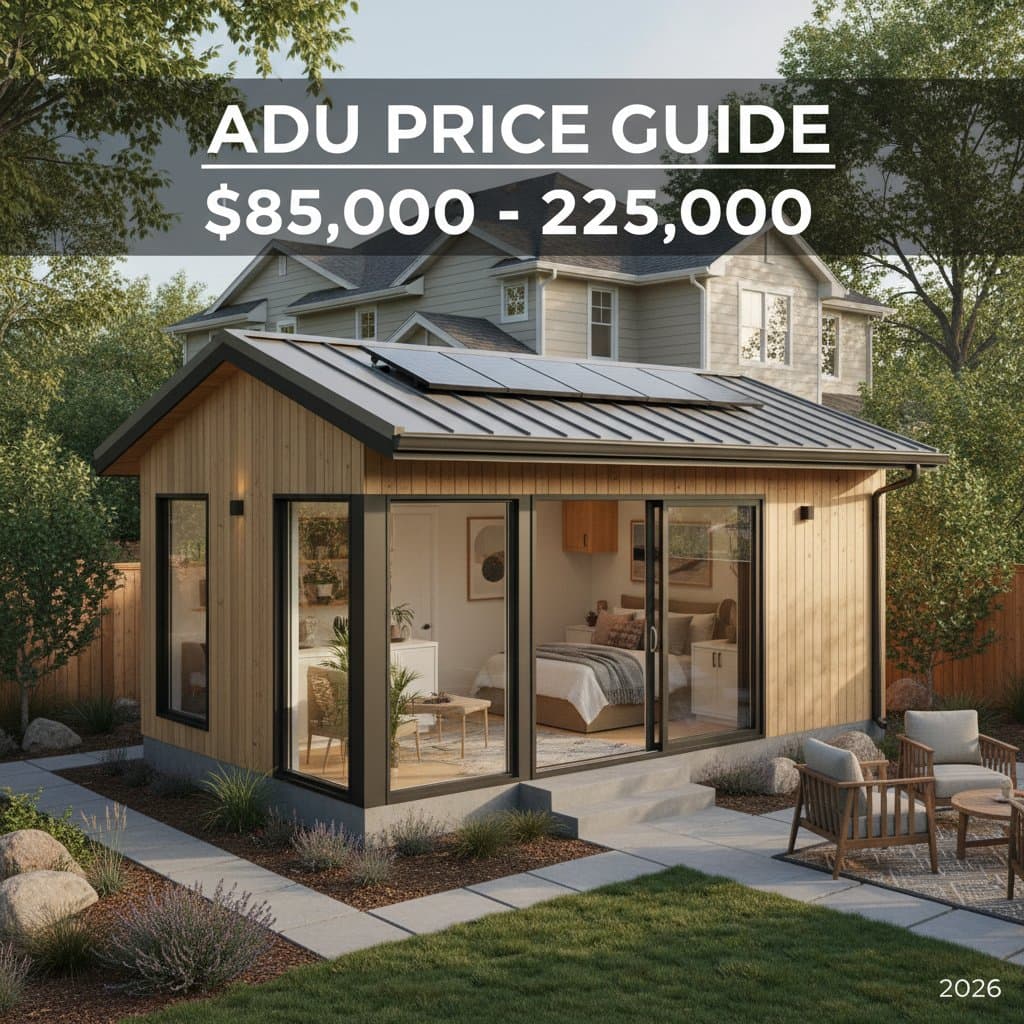
Granny pods provide families with a practical solution to keep loved ones nearby while preserving privacy and independence. These compact backyard homes, known as accessory dwelling units or ADUs, convert underutilized yard space into fully functional living areas. Professional installations generally range from $85,000 to $225,000, with the average turnkey model costing about $145,000.
Three primary factors shape the total price: size and layout, construction quality, and site conditions. Local building codes, utility connections, and accessibility features can elevate expenses. Data from the National Association of Home Builders indicates that well-constructed backyard ADUs may increase property value by up to 35 percent, positioning them as a sound practical and financial choice. Families who incorporate high-efficiency systems frequently offset initial outlays through reduced energy bills and enhanced usability over time.
A thoughtfully designed granny pod delivers a secure, private, and versatile environment suitable for elderly relatives, grown children, or caregivers. Grasping the cost components empowers homeowners to select appropriate designs and establish realistic budgets prior to construction.
Detailed Cost Breakdown
Granny pod expenses encompass fixed and variable elements. Contractors often price projects by square footage, with rates between $250 and $500 per square foot based on materials and finishes. Design and permitting fees typically fall between $3,000 and $7,500, regardless of unit size.
Entry-level prefabricated options begin at approximately $85,000, mid-tier custom builds average $145,000, and upscale versions with advanced features exceed $225,000. These figures reflect national percentiles, where smaller, basic units occupy the lower end and elaborate setups command premium pricing.
Size and Scope
The unit's dimensions directly impact the budget. A 200-square-foot structure might total $60,000, whereas a 400-square-foot version equipped with complete plumbing, heating, ventilation, air conditioning, and kitchen facilities surpasses $120,000. Adding 100 square feet usually incurs an extra $25,000 to $35,000, scaled to the quality of finishes.
Consider a 320-square-foot installation by a certified ADU specialist in California, which came to $110,000 including permits and connections. Benchmarks from industry sources confirm that detached ADUs under 500 square feet offer the highest efficiency for typical residential properties.
Material and Quality Tiers
Entry-level prefabricated units from providers like Studio Shed or MODS range from $85,000 to $100,000. These feature vinyl siding, laminate floors, and standard insulation, with an expected lifespan of 15 to 20 years under routine upkeep.
Mid-range custom builds, utilizing fiber-cement siding, enhanced insulation, and energy-saving windows, cost $120,000 to $160,000. Options from Boxabl or Backyard Office Kits combine longevity and aesthetics, often backed by 10-year warranties on structural elements and systems.
Premium configurations with complete kitchens, hardwood flooring, solar panels, and smart-home integrations reach $175,000 to $225,000. Specialists such as Acton ADU and Inspired ADUs craft these, potentially yielding a 25 percent or greater return on investment through rentals or family use.
Complexity Variables
Site challenges contribute additional fees. Uneven terrain, unstable soil, or restricted equipment access may require $5,000 to $15,000 for grading or foundational adjustments. Utility linkages to municipal services average $10,000 to $20,000, varying by proximity to the primary residence.
Demolishing existing features, clearing vegetation, or meeting regulatory standards further inflates costs. Accounts from online forums detail expenditures of $7,000 to $12,000 solely for trenching and electrical enhancements. In densely populated zones, elevated labor fees stem from intricate permitting and logistical hurdles.
Service Types and Comprehensive Pricing
Basic or Standard Granny Pod Package
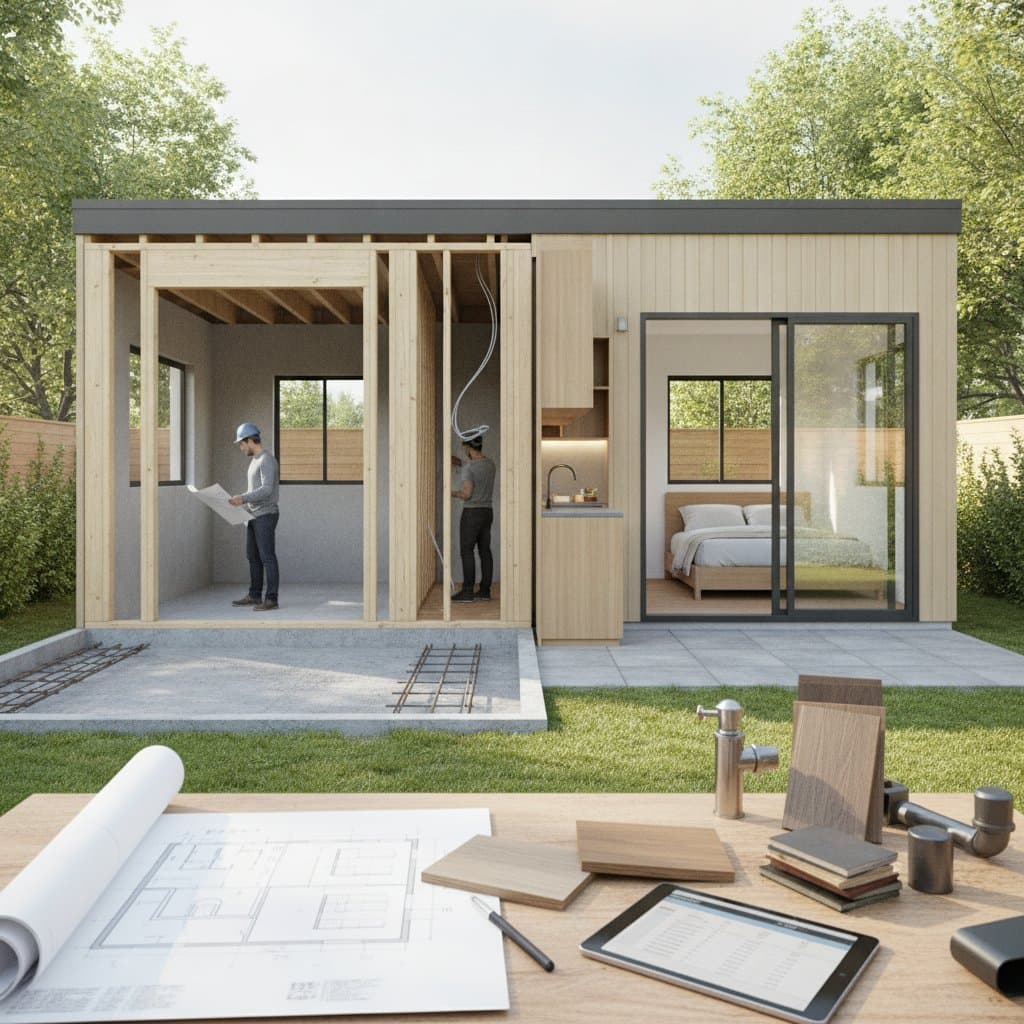
Standard packages deliver a single-room setup with a kitchenette, bathroom, and climate control. Contractors manage site evaluation and foundation work, framing, roofing, insulation, plumbing, electrical systems, and essential interior detailing.
For a 350-square-foot unit, labor demands 300 to 400 hours, equating to $35,000 to $50,000. Combined with materials and selections, the overall price lands at $120,000 to $150,000. Such configurations idealize swift, effective housing for a single resident with limited personalization needs.
Premium or Comprehensive Package
Upscale offerings incorporate full kitchens, mobility aids, and sustainable technologies like solar arrays or efficient heating units. Additional elements such as high ceilings, bespoke cabinetry, and noise reduction elevate appeal.
These upgrades increase costs by 20 to 40 percent, pushing totals to $175,000 to $225,000. Owners value the added versatility and revenue prospects from leasing. At prevailing rental rates, recovery of the investment typically occurs within a decade via steady income.
Add-On Services Matrix
Key enhancements include:
- Solar installation: $8,000 to $15,000
- Deck or patio addition: $4,000 to $10,000
- Accessibility ramps: $2,000 to $6,000
- Smart home systems: $1,500 to $4,000
- Landscaping integration: $3,000 to $7,000
Combining services yields 10 to 15 percent savings. Platforms for contractor comparisons facilitate evaluation of bundled deals and off-season reductions. Scheduling during quieter periods accelerates timelines and trims labor expenses.
Professional vs. DIY Analysis
DIY Cost Breakdown
Certain owners pursue self-assembly with prefabricated kits or modular bases. A foundational kit from ZipKit Homes prices at $60,000 to $85,000, omitting labor. It supplies framing, insulation, and panels, leaving plumbing, wiring, and site preparation to the owner.
Basic tools like saws, fasteners, and platforms add $2,000 to $4,000, while equipment rentals for groundwork contribute $1,500. Skilled individuals require about 300 hours, yet novices often overlook the expertise needed for precise completion and approvals.
Final DIY totals hover between $90,000 and $120,000, though unforeseen issues, postponements, and compliance shortfalls frequently exceed professional estimates.
Professional Advantages
Certified builders offer expertise, specialized tools, and comprehensive liability protection. They finish projects in 8 to 12 weeks, far outpacing self-directed efforts. Warranties valued at $10,000 to $20,000 safeguard against defects in structure or mechanics.
Experts handle approvals, vendor coordination, and adherence to standards. Their work enhances property assessments and ensures occupant safety, particularly for seniors. Factoring in effort, hazards, and corrections, professional approaches deliver superior fiscal outcomes over time.
Decision Framework
Opt for professionals when sites demand earthwork, service integrations, or adaptive designs. Self-building suits only those with construction backgrounds and equipment. Errors in wiring or piping may necessitate $5,000 to $10,000 in fixes. For the majority, experts strike the optimal mix of affordability, security, and enduring worth.
Actionable Cost-Saving Strategies
Timing Optimization
Construction rates vary seasonally by up to 10 percent. Initiating in late winter or early spring captures discounted pricing. Midweek starts cut labor by 5 percent, capitalizing on crew availability between major assignments.
Smart Shopping Tactics
Obtain three itemized proposals from qualified firms. Scrutinizing breakdowns uncovers $8,000 to $12,000 in potential reductions for average projects. Structure payments to match milestones for ongoing control. Sourcing fixtures independently shaves another 5 percent from supplies.
Preparation Actions
Owners trim $2,000 to $4,000 by managing light clearing, shed removal, or documentation. Precise dialogue on selections averts expensive revisions. Finalizing choices upfront minimizes mid-project alterations that swell budgets.
Market Dynamics and Considerations
Geographic Variations
Regional differences markedly affect pricing. Metropolitan hubs like San Francisco, Seattle, and Boston incur 20 to 35 percent premiums from wage and regulatory demands. Midwestern or Southern suburbs and countrysides offer 15 to 25 percent savings.
Scarce specialists in remote locales prolong schedules but ease competitive bidding. Local benchmarking via cost calculators aids in gauging area-specific realities prior to agreements.
Market Timing
Supply disruptions alter material prices, with lumber or metal swings adding 5 to 10 percent quarterly. Shortages in skilled trades like electrical and plumbing affect quotes. Tracking these patterns pre-contract promotes stable financial planning.
Value Indicators
Quality granny pods contribute 20 to 35 percent of their expense to home equity. Sustainable variants with solar reduce energy outlays by 25 to 40 percent. Durable exteriors like fiber-cement and synthetic roofs curtail yearly maintenance by substantial margins.
Enhancing Long-Term Returns
Integrating granny pods into family or investment plans amplifies benefits beyond initial costs. Energy upgrades and versatile designs support aging in place or income generation. Strategic site selection and professional oversight ensure compliance and appreciation, turning backyard spaces into assets that enrich lives and legacies for years ahead.