2026 ADU Costs: A Detailed Breakdown from Permits to Finishes
Quick Overview
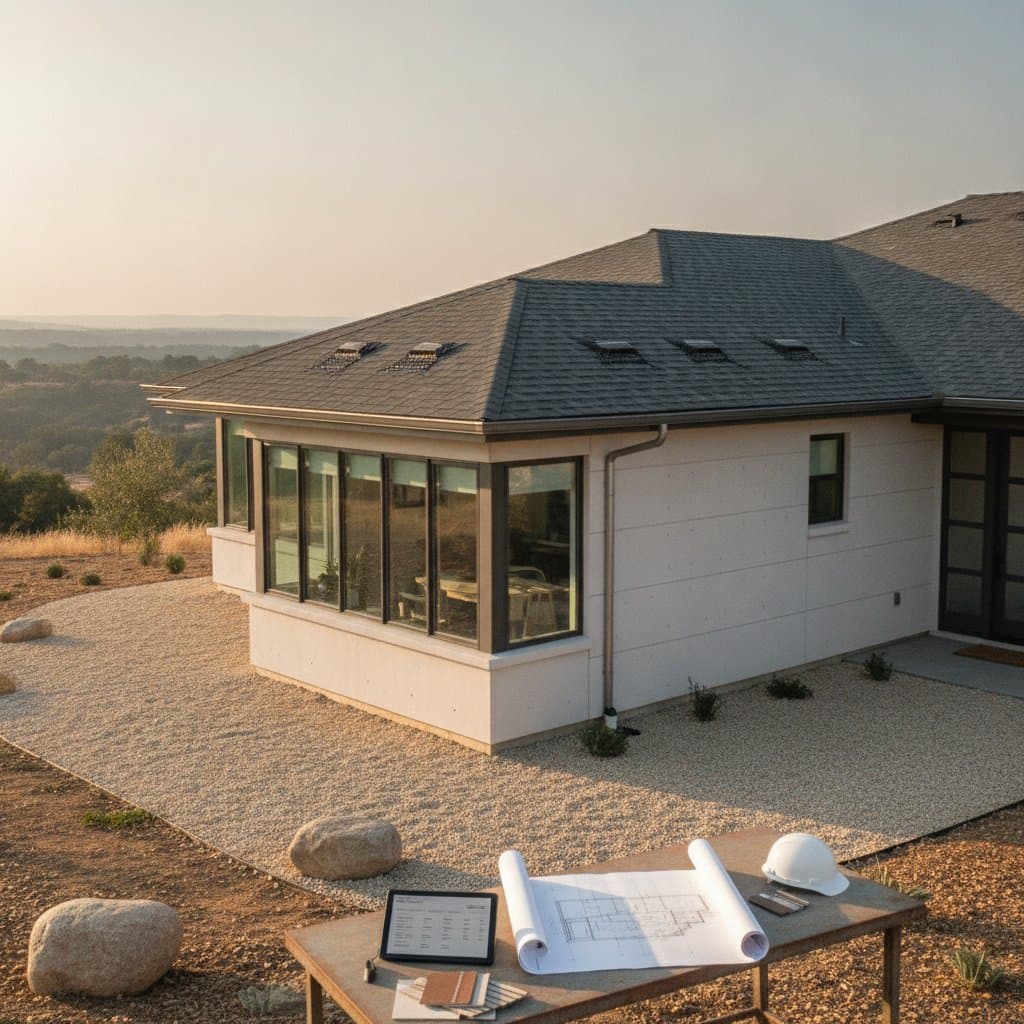
Constructing an accessory dwelling unit (ADU) enhances property functionality by providing additional living space on your existing lot. These units range from compact backyard studios to full conversions of garages or basements, each offering potential for rental income or multigenerational living.
Key cost considerations include:
- Total project expenses spanning $150,000 to $400,000, varying with square footage and material quality.
- Regulatory and preparatory costs, such as permits and site work, accounting for 20 to 30 percent of the budget.
- Opportunities for savings through DIY efforts on non-structural tasks, though professional expertise remains essential for foundations, electrical systems, and framing to ensure safety and compliance.
This overview equips you with practical insights to plan effectively.
Understanding Accessory Dwelling Units
An ADU functions as a secondary residence on the same property as your primary home, complete with essential amenities like a kitchenette, bathroom, and bedroom. Common configurations include detached structures in the backyard, conversions of attached garages, or finished basement apartments. Utilities may connect independently or share lines with the main house, depending on local codes.
These units typically measure 400 to 1,200 square feet, allowing for one- or two-bedroom layouts. They appeal to homeowners seeking to accommodate aging parents, adult children, or tenants without the need to relocate. However, success hinges on aligning the project with municipal regulations, which often dictate maximum size, placement, and occupancy rules.
Benefits and Drawbacks of Building an ADU
Building an ADU presents clear advantages for long-term property enhancement.
Advantages:
- Expands usable space for family members or guests, promoting independence without requiring a larger primary residence.
- Generates potential rental revenue, with average monthly rents for ADUs reaching $1,500 to $3,000 in urban areas, depending on location and features.
- Increases overall property value by 10 to 20 percent, according to real estate trends, making it a smart investment for future sales.
- Offers flexibility for evolving needs, such as home offices or hobby spaces during economic shifts.
Challenges:
- Substantial initial investment demands careful financial planning to avoid straining household budgets.
- Approval processes involve multiple inspections and can extend timelines by several months, delaying occupancy.
- Zoning restrictions may prohibit ADUs in certain neighborhoods or impose strict setback requirements from property lines.
- Added square footage often leads to higher property taxes, potentially increasing annual assessments by $2,000 to $5,000.
Weighing these factors helps determine if an ADU aligns with your objectives.
Ideal Scenarios for ADU Projects and Common Pitfalls
Pursue an ADU when it addresses specific needs and fits your property constraints.
Optimal situations:
- Housing extended family or generating supplemental income through short- or long-term rentals.
- Compliance with local zoning, including minimum lot size (often 5,000 square feet) and adequate setbacks (typically 4 to 5 feet from boundaries).
- Long-term residency plans, where the unit contributes to equity buildup over 5 to 10 years.
Situations to avoid:
- Properties with steep slopes or poor soil drainage, which complicate foundation work and inflate engineering costs by 15 to 25 percent.
- Locations distant from main utility lines, necessitating expensive trenching for water, sewer, and power connections.
- Insufficient space for mandated parking (one spot per ADU in many jurisdictions) or emergency access paths.
Conduct a preliminary site assessment to identify these issues early.
Step-by-Step Guide to ADU Construction
Building an ADU requires methodical planning to manage time, budget, and quality. Expect the full process to span 6 to 12 months, with high complexity demanding coordination among professionals.
Essential tools and materials encompass a tape measure for precise measurements, graph paper for initial sketches, a level for ensuring even foundations, basic excavation tools like a shovel, power drills for assembly, and documentation such as permits and contractor proposals.
Follow these sequential steps:
-
Verify zoning and setbacks. Contact your local planning department to review ordinances, lot coverage limits, and height restrictions before investing in designs.
-
Develop the layout. Focus on efficient designs that cluster plumbing fixtures (sinks, toilets, showers) to minimize piping runs, potentially saving $5,000 to $10,000 in utility costs.
-
Secure permits. Obtain approvals for structural elements, electrical installations, plumbing systems, and mechanical components; budget $2,000 to $8,000 and allow 4 to 8 weeks for processing.
-
Site preparation. Clear vegetation, grade the land for proper drainage (aim for a 2 percent slope away from structures), and pour a concrete slab or crawl space foundation, costing $10,000 to $30,000 based on size.
-
Erect the structure. Frame exterior walls with pressure-treated lumber, install pre-fabricated roof trusses for efficiency, and fit energy-efficient windows to meet modern insulation standards.
-
Install rough utilities. Route water supply lines, electrical conduits, and HVAC ducting prior to enclosing walls; hire licensed specialists to avoid code violations.
-
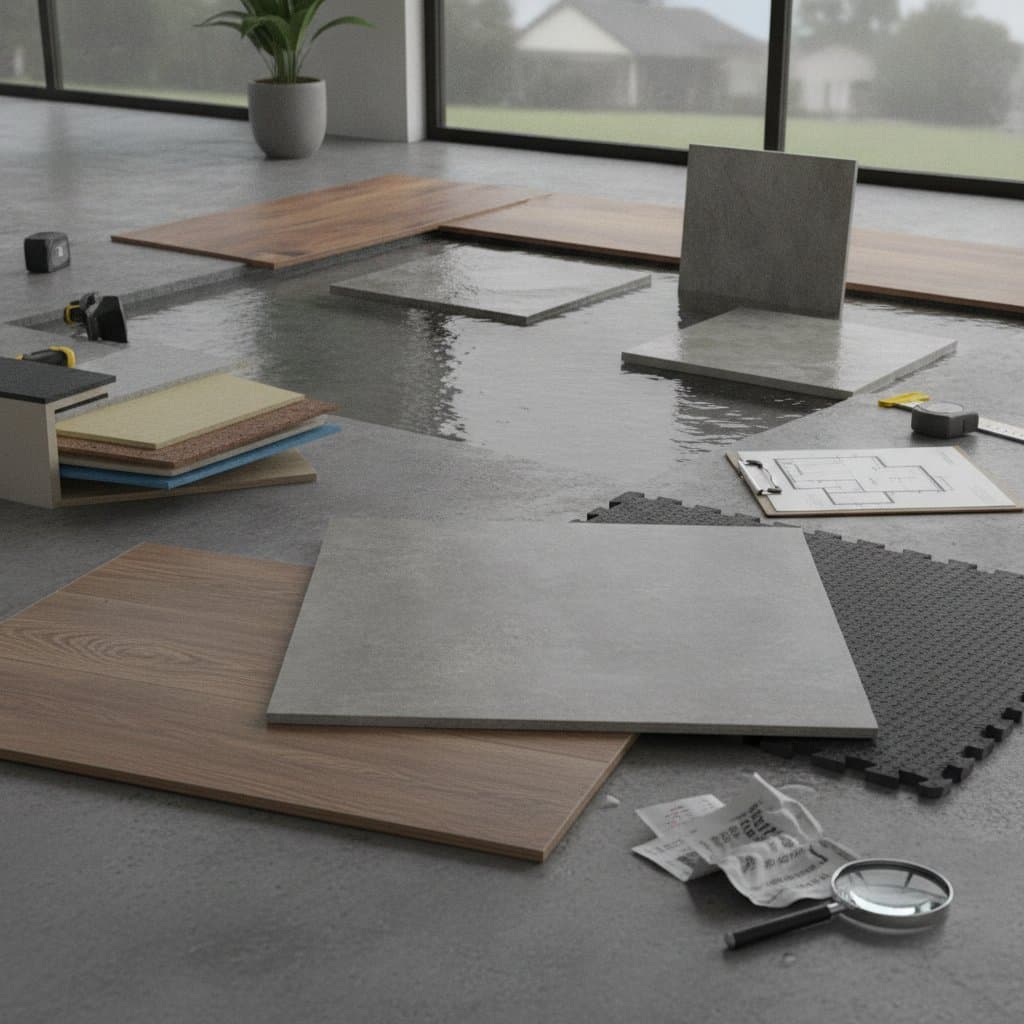
Complete interior finishes. Install drywall for smooth walls, apply low-VOC paint for health safety, mount cabinetry in the kitchen and bath, and lay durable flooring like vinyl plank or tile.
-
Conduct final inspections. Arrange walkthroughs for all systems to obtain a certificate of occupancy, ensuring the unit meets fire safety and accessibility requirements.
Adhering to this sequence minimizes disruptions and cost overruns.
Comprehensive Cost Analysis
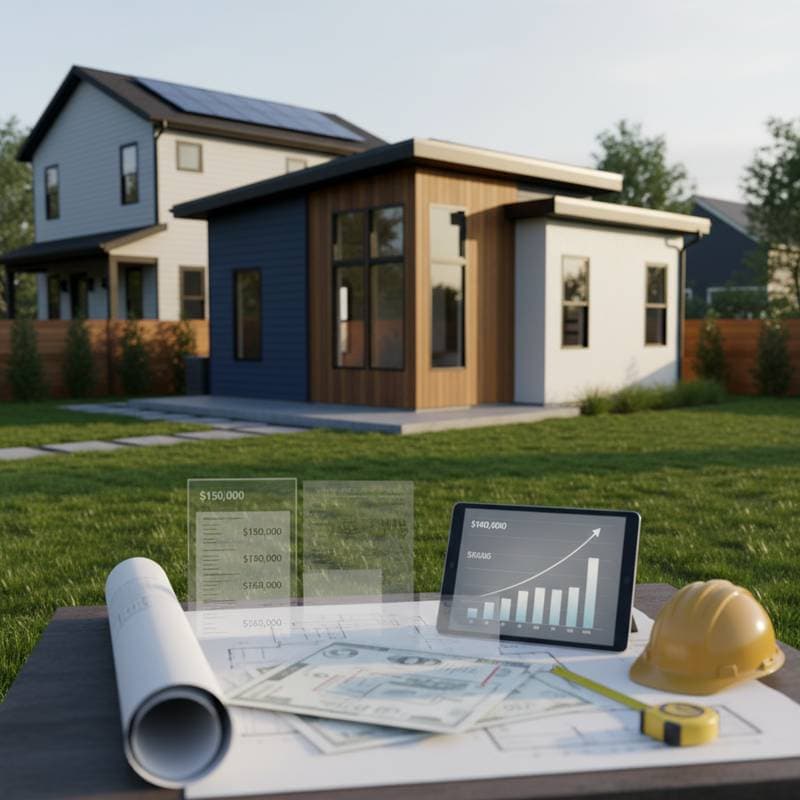
The average ADU project in 2026 falls within $150,000 to $400,000, equating to $200 to $350 per square foot for a standard build. This range accounts for regional labor rates, material inflation (projected at 3 to 5 percent annually), and customization degrees.
Factors driving higher expenses include:
- Detached units exceeding 700 square feet, which require independent foundations and roofing, adding $50,000 or more.
- Luxury finishes such as quartz countertops, smart home integrations, or solar panels, elevating costs by 20 to 40 percent.
- Challenging sites like hillside lots needing retaining walls or reinforced foundations, potentially doubling site prep expenses.
Strategies for lower costs involve:
- Converting existing garages or basements, leveraging pre-built elements to cut construction by 30 to 50 percent.
- Opting for prefabricated or modular units delivered on-site, reducing labor by up to 40 percent and timelines to 3 months.
- Sharing utility infrastructure with the main house, avoiding new meter installations that can cost $10,000 to $20,000.
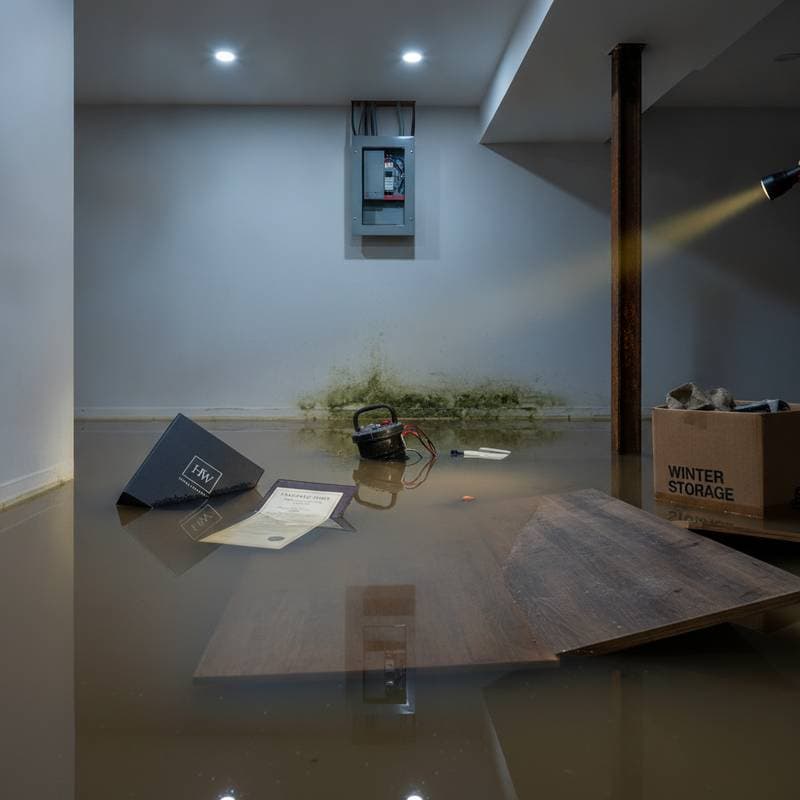
Consider full replacement over repairs if the existing structure suffers from severe foundation settling, obsolete electrical panels, or chronic water intrusion, as remediation often exceeds $100,000.
DIY Opportunities Versus Professional Services
Certain phases allow homeowner involvement to trim budgets without compromising integrity.
Suitable DIY tasks:
- Interior painting with roller brushes and drop cloths for a fresh look.
- Installing laminate or engineered wood flooring using click-lock systems.
- Adding baseboards, crown molding, and simple landscaping like mulch borders.
Essential professional hires:
- For load-bearing framing, roof installation, and seismic retrofitting to withstand local conditions.
- Electrical work involving circuit breakers, outlets, and grounding to prevent hazards.
- Architectural or engineering reviews for plans requiring official stamps, especially in seismic zones.
Professionals excel in navigating inspections, ensuring code adherence (such as energy efficiency ratings), and coordinating utility connections efficiently, often completing phases 20 to 30 percent faster than amateurs.
Ongoing Maintenance Essentials
Maintain your ADU seasonally to preserve its value and functionality. Inspect gutters twice yearly to clear debris, vents quarterly for blockages, and drainage systems after heavy rains to redirect water effectively.
These routines, taking 2 to 4 hours per session, avert moisture infiltration that could lead to mold growth or structural weakening, ultimately extending the unit's lifespan by 10 to 15 years.
Viable ADU Alternatives
If a full new build exceeds your budget, explore these options.
Garage conversion: Suited for space-constrained lots, this reuses the existing frame and roof, limiting costs to $100,000 to $200,000 while adding insulation and interior partitions.
Basement ADU: Perfect for homes with daylight basements, though egress windows and height minimums (7 feet) must comply; expenses range from $80,000 to $150,000.
Detached prefabricated unit: Offers rapid assembly (2 to 4 weeks on-site) with factory-built quality, though customization is limited; total costs hover at $150,000 to $250,000.
Each alternative balances affordability with practical benefits.
Frequently Asked Questions
Are separate utilities mandatory? Local codes vary; many jurisdictions permit shared connections for water and electricity if capacity suffices, but septic or gas lines may require independence.
How does an ADU affect property taxes? Assessed value rises with added livable space, typically increasing taxes by the square footage rate in your area—consult your assessor for precise calculations.
Is renting out the ADU permitted? Regulations often mandate owner occupancy for the first year or limit platforms like Airbnb; verify short-term rental caps with your city.
Planning Your ADU Project Forward
Begin by mapping your property's zoning entitlements and sketching utility paths to gauge feasibility. Solicit bids from at least three vetted contractors experienced in ADUs, evaluating them on per-square-foot pricing (target $250 average), projected timelines, and included warranties.
Refine your budget by prioritizing energy-efficient features for long-term savings and exploring financing like home equity loans at competitive rates. This structured approach transforms your vision into a durable asset, enhancing both lifestyle and financial security.