Understanding Granny Flat Costs in 2026: A Comprehensive Guide
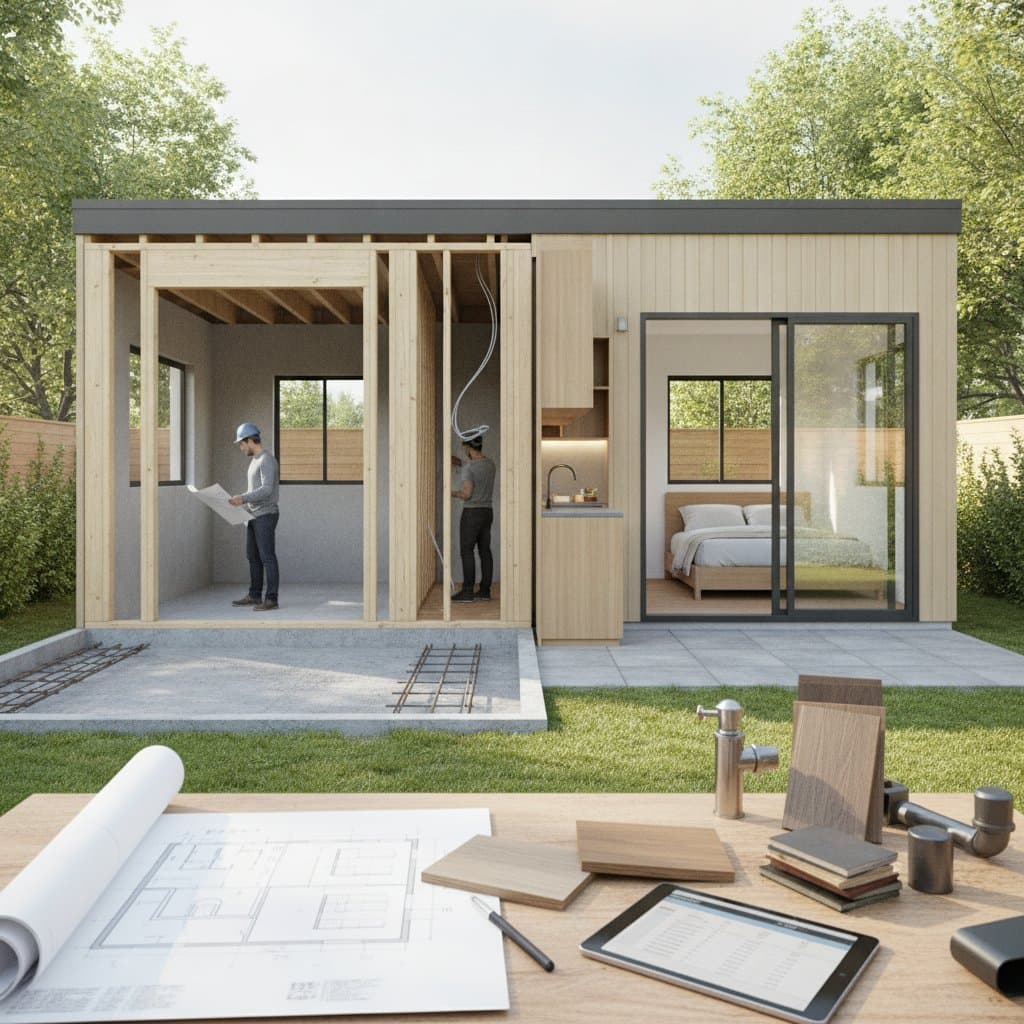
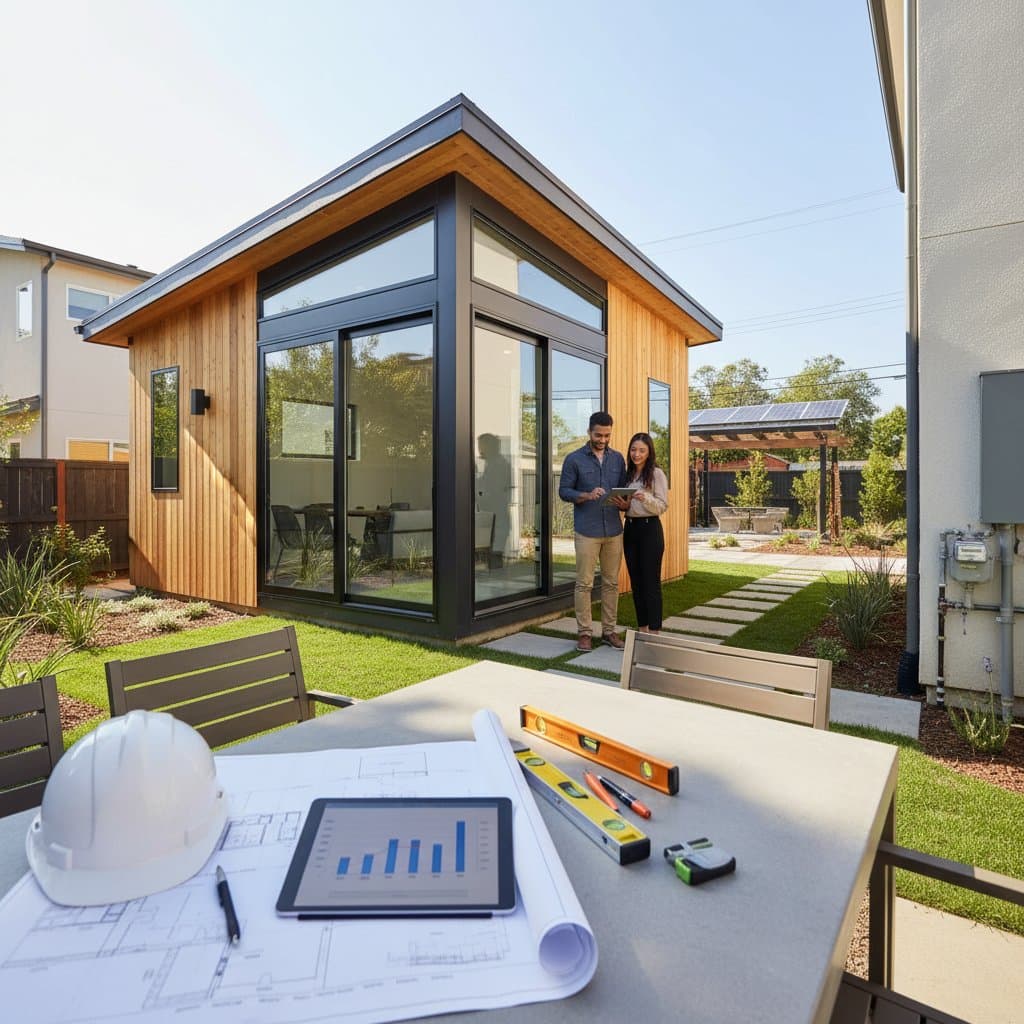
A granny flat, known also as an accessory dwelling unit or ADU, provides a self-contained living area on the same property as the primary residence. This structure may attach to the main house, stand separately, or convert from an existing garage. Property owners construct granny flats to accommodate extended family, generate rental revenue, or establish dedicated workspaces for professional or leisure activities.
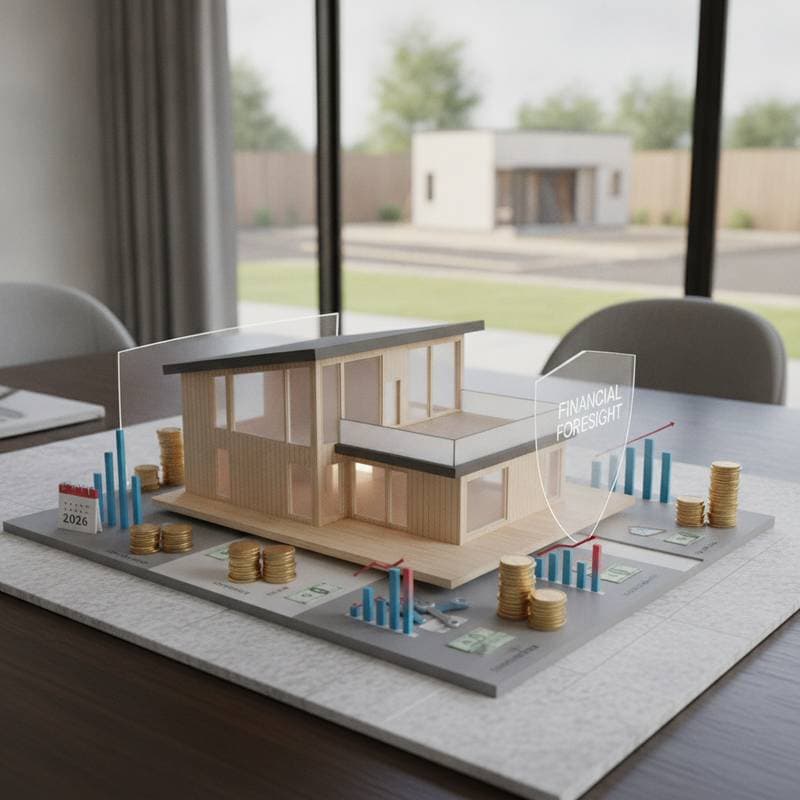
Construction represents a significant financial commitment. Expenses typically span from $120,000 to $350,000, influenced by dimensions, material selections, and site-specific challenges. Strategic decisions in design and contractor selection help maintain budgetary control while ensuring adherence to building regulations.
Defining the Granny Flat
A granny flat functions as a secondary residence featuring its own kitchen, bathroom, and private entryway. It may connect to the primary home's utilities or operate independently. Configurations include standalone backyard units, garage transformations, and below-grade apartments.
Municipal zoning regulations dictate permissible dimensions, boundary offsets, and occupant limits. Standard approvals accommodate units between 400 and 1,000 square feet.
Indicators for Adding a Granny Flat
Consider constructing a granny flat under these circumstances:
- Aging relatives require proximity with autonomy in daily living.
- Grown children seek cost-effective accommodations on family land.
- Property owners aim to establish sustainable rental opportunities.
- Professionals desire secluded environments for focused productivity.
- Investors seek to elevate property appeal in competitive real estate landscapes.
Breaking Down the Costs
Expenses for granny flats fluctuate considerably based on scale, components, and environmental factors. The following table outlines key categories with associated ranges and influencing elements.
| Line Item | Typical Range | Notes and Variables |
|---|---|---|
| Design and Permits | $2,000 to $10,000 | Architectural plans, structural engineering, and regulatory fees |
| Site Preparation and Foundation | $8,000 to $40,000 | Soil assessment, excavation depth, and terrain grading |
| Framing and Roofing | $25,000 to $70,000 | Lumber quality, structural complexity, and roof configuration |
| Plumbing and Electrical | $12,000 to $35,000 | Connection distances and system capacity requirements |
| HVAC System | $4,000 to $12,000 | Unit type, such as efficient mini-splits versus extensive ductwork |
| Interior Finishes | $20,000 to $60,000 | Countertops, flooring options, lighting, and built-in storage |
| Exterior Finishes | $10,000 to $25,000 | Cladding materials, weatherproofing, and aesthetic detailing |
| Utilities and Access | $5,000 to $18,000 | Utility trenching, pathway construction, and service upgrades |
| Landscaping | $2,000 to $10,000 | Planting, hardscaping, and integration with existing grounds |
| Total Estimated Cost | $120,000 to $350,000 | Midpoint averages approximately $225,000 nationwide |
Key Influences on Pricing
Unit dimensions directly impact expenses, as expanded areas demand proportional increases in infrastructure and detailing. Foundation choices vary in expense: concrete slabs offer economy, while elevated crawlspaces or full basements escalate outlays due to added labor and materials.
Site constraints, such as restricted access on compact lots, elevate equipment and workforce demands. Utility extensions over extended distances incur substantial surcharges for piping and wiring. Finish specifications determine the spectrum: economical selections maintain lower totals, whereas premium elements like bespoke joinery and luxury fixtures drive costs upward.
Prefabricated assemblies reduce on-site labor and accelerate timelines, though transportation and assembly charges apply. Custom constructions allow personalization but extend durations and budgets.
Ensuring Safety and Regulatory Compliance
Electrical installations necessitate certified professionals for panel setups and circuit integrations to avert hazards. Plumbing and gas systems, including fixtures and connections, undergo rigorous inspections for leak prevention and pressure integrity.
Detached configurations demand fire-resistant barriers adjacent to lot boundaries. Sleeping areas require functional escape routes via windows or doors meeting size standards. Heating systems incorporate safe exhaust mechanisms to mitigate toxic gas accumulation.
Proper site grading directs water flow away from foundations, safeguarding structural longevity. For hands-on involvement, equip with protective gear: sturdy gloves, safety goggles, ear defenders, stable ladder bases, and respiratory masks for airborne particles.
Accounting for Regional Variations
Adapting to Climate Zones
In cooler regions, incorporate enhanced insulation and foundations resistant to freeze-thaw cycles. Humid tropical areas benefit from vapor barriers and systems controlling excess moisture. Dry environments call for measures against particulate infiltration and heat-reflective surfaces. Coastal settings prioritize rust-proof hardware and durable exteriors against salt exposure.
Navigating Local Regulations
Certain jurisdictions cap unit sizes or mandate primary residence by the owner. Waterfront zones impose additional protocols for elevation against flooding or reinforcement for storms. Confirm offset requirements and emergency vehicle pathways early in planning.
Selecting Appropriate Materials
Timber exteriors suit temperate conditions but demand periodic maintenance. Composite boards withstand flames and dampness in variable weather. Durable metal coverings endure heavy precipitation or accumulation in northern latitudes.
Optimizing Construction Timing
Initiate groundwork during precipitation-free periods to minimize interruptions. In freeze-prone areas, complete base installations prior to seasonal hardening of soil.
Essential Terminology
Accessory Dwelling Unit (ADU): An auxiliary residence on a residential parcel, equipped with complete cooking and sanitation facilities.
Crawlspace: An accessible subfloor area for maintenance of mechanical systems.
Detached Unit: A freestanding building apart from the principal dwelling, commonly positioned in rear yards.
Egress: Designated emergency exit, typically a compliant window or portal in sleeping quarters.
Planning Your Granny Flat Build
Begin by reviewing municipal codes to align with size and placement rules. Solicit proposals from vetted architects and builders to compare estimates. Factor in financing options, such as home equity loans, to spread payments.
Engage a surveyor for site evaluation, identifying utility routes and drainage needs. Select materials that balance durability with local climate demands. Monitor progress through scheduled inspections to uphold quality and compliance.
Upon completion, appraise the addition's contribution to property equity. Rental setups require lease agreements outlining tenant responsibilities. This structured approach secures a valuable, enduring enhancement to your home.