Beat Backyard Floods: Proven 2025 Drainage Fixes
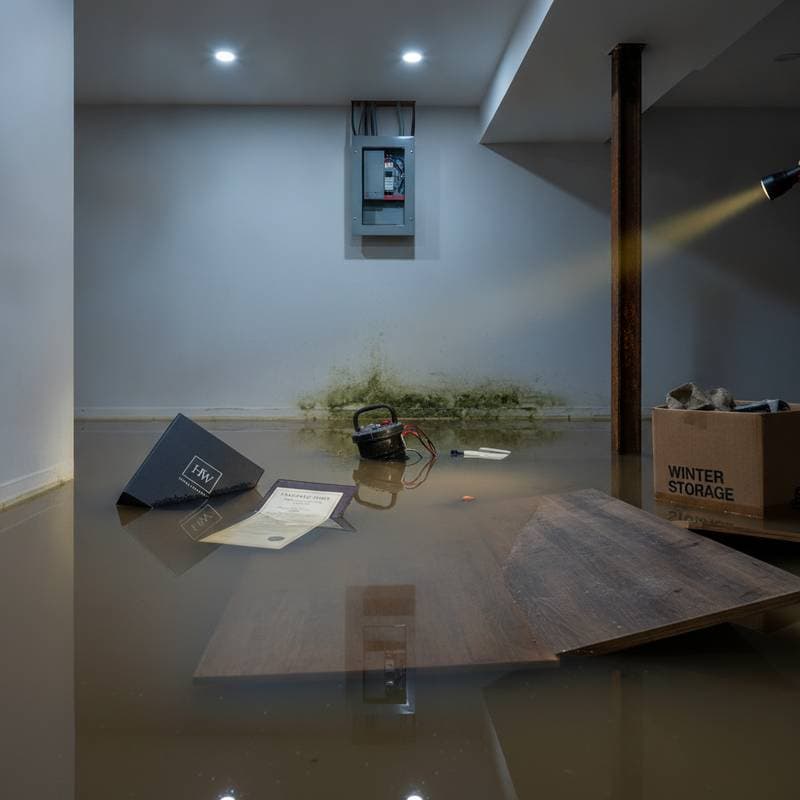
Backyard flooding transforms a relaxing outdoor space into a soggy inconvenience. Water that pools near the patio, seeps into the basement, or overwhelms garden beds indicates an underlying drainage issue. Fortunately, most yard flooding problems yield to practical solutions tailored to various budgets and skill levels.
Quick answer: Improve grading, install appropriate drains, and manage runoff through strategic landscaping to halt backyard flooding. Basic DIY fixes cost a few hundred dollars, while comprehensive drainage systems range into several thousand dollars.
Why Yard Drainage Matters
Inadequate drainage extends beyond temporary puddles. It erodes soil, compromises foundation stability, destroys vegetation, and fosters mosquito breeding. Persistent flooding diminishes property value over time. Addressing the issue promptly safeguards your landscape investment and averts expensive structural repairs.
Common Drainage Options Compared
| Solution | Best For | Pros | Cons |
|---|---|---|---|
| Regrading | Low spots near the house or patio | Provides a permanent fix and enhances overall drainage | Demands significant labor and possibly heavy equipment |
| French drain | Persistent puddles or soggy lawns | Operates below the surface for longevity | Involves trenching and gravel placement |
| Dry well | Overflow from gutters or sump pumps | Handles moderate runoff effectively | Prone to clogging in areas with fine soil |
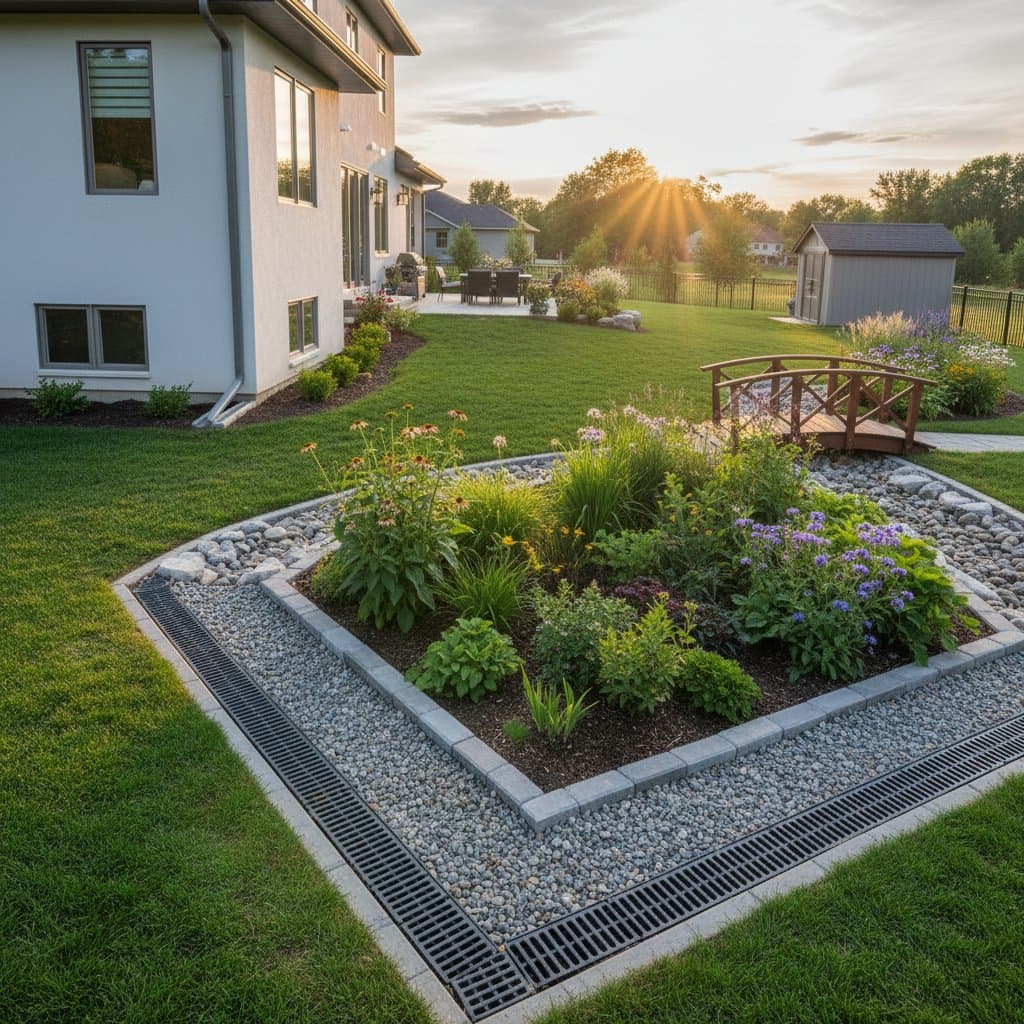
| Channel drain | Hard surfaces such as driveways or patios | Prevents water accumulation on flat areas | Features a visible grate that requires regular cleaning |
| Rain garden | Decorative low areas that collect runoff | Offers an eco-friendly approach and supports pollinators | Demands ongoing plant care |
| Swale | Large yards with gentle slopes | Directs water along natural paths | Necessitates ample yard space |
| Sump pump | Basements or flat lots | Manages high water tables reliably | Relies on electricity and periodic maintenance |
Timeline and Order of Operations
- Assess drainage patterns. Observe water flow paths following heavy rainfall to identify problem areas.
- Clean and test gutters. Clogged downspouts contribute to many flooding incidents; ensure they function properly.
- Plan the water route. Determine safe exit points for water from the property.
- Mark underground utilities. Contact local services to locate and mark lines before any excavation.
- Excavate and regrade. Adjust slopes and dig trenches to direct water flow.
- Install drains or dry wells. Adhere to manufacturer guidelines for pipe angles and gravel layers.
- Test the system. Use a garden hose to verify unobstructed water movement prior to backfilling.
- Finish with soil and vegetation. Apply topsoil, seed, or sod, and incorporate native plants to stabilize the ground.
Redirecting downspouts qualifies as a simple fix that requires only a few hours. Installing full trench or pump systems spans several days, particularly if weather interrupts progress.
Materials and Tools Checklist
Materials
- Perforated drain pipe in 4-inch diameter
- Solid PVC pipe for water discharge
- Gravel consisting of 3/4-inch clean stone
- Landscape fabric to prevent soil intrusion
- Dry well kit or storage barrel
- Downspout extension pieces
- Catch basins equipped with grates
- Topsoil along with seed or sod
- Native plants suitable for rain gardens
Tools
- Shovel and specialized trenching spade
- Wheelbarrow for material transport
- Level or laser level for precision
- Tape measure for accurate dimensions
- Pipe-cutting saw
- Tamper or soil compactor
- Drill with fasteners for downspout attachments
Hand tools suffice for a modest French drain, though renting a trenching machine proves advantageous for expansive projects.
Regional and Climate Considerations
Drainage requirements vary by geographic location. Wet climates often face soil saturation challenges, while arid areas contend with intense storms on hard-packed ground that limits absorption.
- Cold climates: Position drains below the frost line to avoid freezing issues.
- Hot, dry regions: Opt for permeable pavers or rain gardens to capture and retain moisture.
- Coastal areas: Select salt-tolerant plants and corrosion-resistant materials for durability.
- Heavy clay soil zones: Incorporate additional gravel and steer clear of fine-mesh filter fabrics that clog readily.
Frequently Asked Questions
How do I determine if my yard requires a French drain? Standing water after each rain or a damp basement odor suggests groundwater diversion via a French drain would benefit the property.
Is adding topsoil sufficient to address low spots? This approach works in some cases, provided the resulting slope directs water away from buildings. Incorrect grading with added soil may instead create water traps.
Does a rain garden invite mosquitoes? Proper construction ensures drainage within 48 hours, eliminating conditions for stagnant water and mosquito proliferation.
Must I obtain a permit for drainage work? Local regulations often mandate permits for connections to storm sewers or grade alterations near boundaries; verify with authorities beforehand.
What investment return can I expect? Effective drainage shields foundations and landscapes, maintaining or enhancing property value while avoiding substantial basement repair expenses.
Pro Tips for Lasting Results
- Begin modestly. Implement changes in one area to evaluate effectiveness before expanding.
- Prioritize gravity. Reserve pumps for situations where natural slopes prove inadequate.
- Discharge water thoughtfully. Avoid directing flow onto neighboring properties or into unauthorized sewer systems.
- Incorporate plants. Choose species with deep roots to anchor soil and uptake excess water.
- Document installations. Record pipe routes and material details to facilitate future upkeep.
These practices promote system reliability across varying weather conditions, including intense rains and seasonal temperature shifts.
Sustaining a Dry Yard
A properly drained yard facilitates easier maintenance, provides safer footing, and bolsters home foundation integrity. After installation, monitor accessibility for routine inspections. Track performance during storms and make adjustments to optimize function. Homeowners typically invest just a few hours per season in upkeep to forestall significant issues.