2026 Solar Roof Integration Costs Homeowners Should Know
Quick Take
- Expect solar roof integration to cost more upfront than basic panel setups.
- Roof type, material, and system size drive most of the price difference.
- You can save on labor by combining a roof replacement with solar installation.
- Some parts are DIY-friendly, but full integration requires a licensed pro.
What It Is
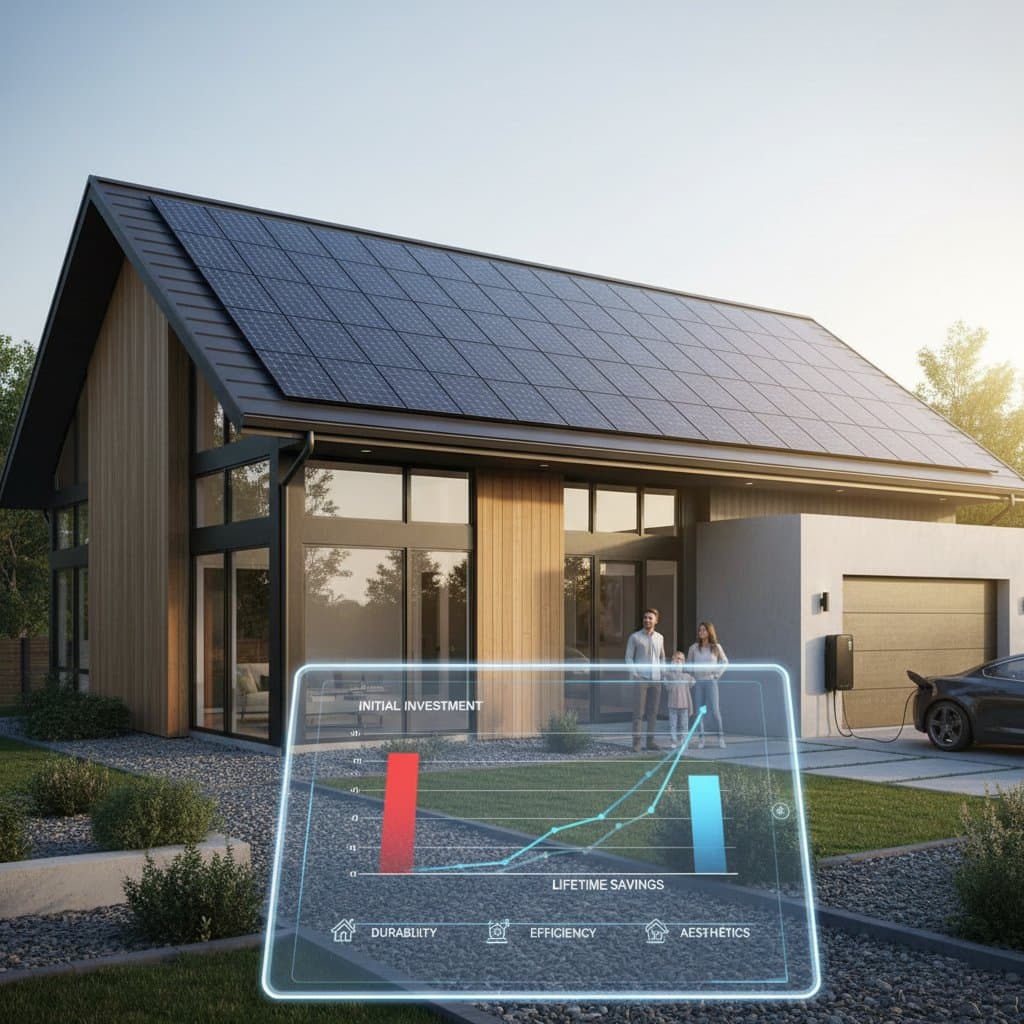
Solar roof integration means blending solar power generation directly into your roofing system instead of mounting panels on top. The solar cells either replace roof shingles or sit flush within them. This setup gives a cleaner appearance, better weather protection, and improved efficiency since every piece works as one system.
Pros and Cons
Pros
- Seamless look that blends with your home's design.
- Less roof penetration compared to surface-mounted panels.
- Improved wind and water resistance when properly installed.
- Can increase home resale value in solar-friendly markets.
Cons
- Higher upfront cost than traditional solar panels.
- Repairs can require specialized parts or labor.
- Limited compatibility with older or damaged roofs.
- Replacement means working on both roof and solar system together.
When to Use It or When It Fails
Use it when:
- Your roof is due for replacement soon.
- You want an integrated, modern aesthetic.
- You live in a sunny region with high energy rates.
- You plan to stay in your home long enough to recover costs.
It fails when:
- The roof structure is weak or shaded by trees.
- Local codes or HOA rules limit solar modifications.
- The slope or orientation is poor for solar exposure.
Step-by-Step: How Integration Works
Tools and Materials:
Roofing harness, drill and bit set, flashing, junction boxes, conduit, inverter, sealant, and multimeter.
Safety:
Turn off all main power feeds before connecting electrical lines. Use fall protection and follow local electrical codes.
Time:
Two to four days for an average roof section depending on size and crew.
Difficulty:
High. Requires roofing and electrical skills.
- Inspect the roof. Check sheathing, underlayment, and framing. Repair soft or sagging areas.
- Plan layout. Mark solar tile zones to match sun exposure and wiring runs.
- Remove old materials. Strip shingles in the integration area down to decking.
- Install underlayment and flashing. Create waterproof barriers and vent paths.
- Mount solar modules. Snap tiles or panels into place, keeping spacing consistent.
- Wire connections. Link circuits to junction boxes and route conduit to inverter.
- Seal all joints. Use high-grade sealant around edges and penetrations.
- Connect to electrical panel. A licensed electrician should perform this step.
- Test output. Use a multimeter to confirm voltage and continuity.
- Inspect for leaks. Spray water over seams and check attic moisture points.
Pro Tip: Combining roof replacement and solar integration saves on scaffolding, disposal, and labor overlap.
Costs
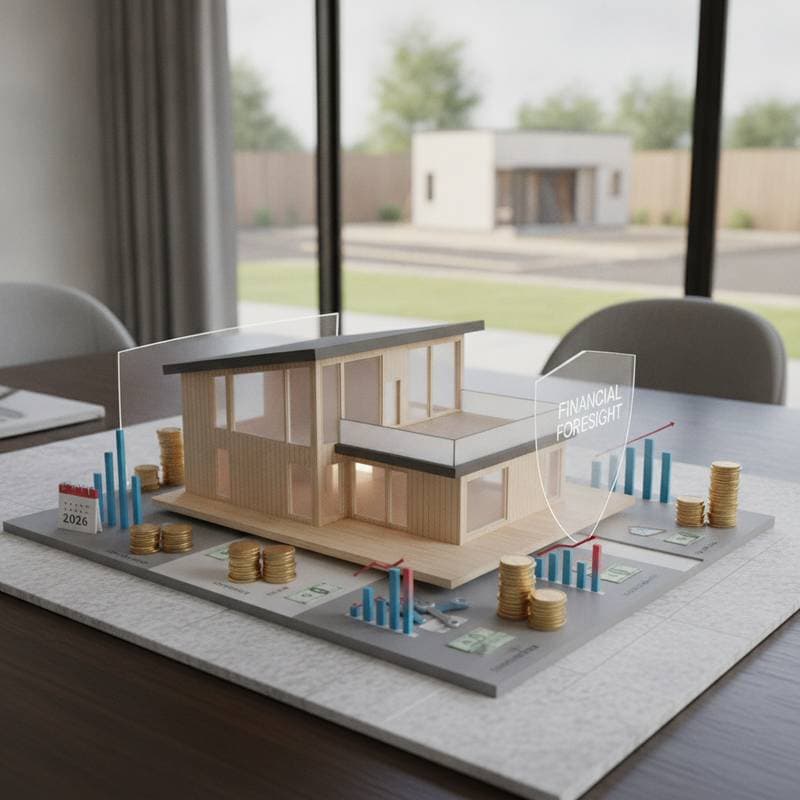
Typical range: $35,000 to $75,000 for a full-roof solar integration on an average home.
Factors that raise cost:
- Complex roof shapes or steep pitches.
- Premium materials such as slate or metal.
- Higher wattage or battery storage options.
- Electrical upgrades or new service panels.
- Regional labor rates and permitting fees.
Factors that lower cost:
- Simple gable or hip roofs.
- Standard asphalt shingles.
- Small system size under 5 kW.
- Bundled installation during full roof replacement.
When replacement beats repair:
If your roof is over halfway through its lifespan, replacing it before adding solar avoids paying twice for tear-off and reinstallation later.
DIY vs Pro
Safe for DIY:
- Cleaning panels and gutters.
- Basic monitoring of system performance.
- Visual inspection for cracked tiles or exposed wiring.
Hire a pro when:
- Electrical connections reach the main panel.
- Roof modifications involve structural framing.
- Local codes require inspection or interconnection approval.
What the pro will do differently:
A certified installer measures solar exposure, confirms roof load limits, pulls permits, and ensures code compliance. They also provide warranty coverage for both roof and electrical work.
Maintenance or Prevention
Frequency: Twice a year inspection and after major storms.
Tasks:
- Clean debris and dust using mild soap and soft brushes.
- Check wiring and connectors for corrosion.
- Monitor inverter display or app for performance drops.
- Trim trees that cast new shade on the roof.
Outcome you want: Smooth energy generation, dry roof deck, and no electrical faults.
Alternatives
Traditional solar panels:
Mounted above the roof with brackets. Lower cost and easier to service. Best if your roof is newer and still under warranty.
Solar shingles:
Look like standard shingles but generate power. Ideal for new roofs or partial upgrades. Slightly higher cost but simpler installation than full integration.
Ground-mounted systems:
Built on open land near your home. Avoids roof issues entirely but needs available space and trenching for cables.
FAQs
How long does a solar-integrated roof last?
Most systems last 25 to 30 years if maintained properly. The roof beneath typically matches that lifespan if installed together.
Do integrated systems handle snow or hail?
Yes, quality panels are tested for impact and temperature swings. Still, clear heavy snow to reduce weight and maintain production.
Can you replace one solar tile or panel?
Yes, but the process is more complex than swapping a shingle. A pro should handle it to keep the system watertight and maintain warranty coverage.
Will it work during a power outage?
Only if your system includes battery storage or a hybrid inverter. Standard grid-tied setups shut down for safety during outages.
Does it require roof reinforcement?
Usually not, but older or undersized rafters may need stronger supports. Your installer can calculate load requirements before starting work.
Can you install it on metal roofs?
Yes, but mounting hardware and insulation layers differ by metal type. Pro installers match the system to your specific roof profile.
Checklist: What to Do Before You Commit
- Inspect your roof age and condition. Replace if near end of life.
- Gather quotes from at least three certified installers.
- Ask about combined roof and solar warranties.
- Confirm local code and permit requirements.
- Estimate payback period using your electricity rate and system size.
- Plan financing or incentives early to manage upfront costs.
- Schedule installation during dry weather for best sealing results.
Making It Happen
Solar roof integration is a major home upgrade, but it can pay off in energy savings and curb appeal if done right. The key is timing. If your roof already needs work, combining the projects is smart. It saves labor, simplifies permits, and gives you a unified warranty.
Start by checking your roof’s structure and shade exposure. Then collect detailed quotes that separate roofing, solar hardware, and electrical work. Compare not only total price but also service terms, inverter brands, and warranty years.
Keep an eye on incentives or rebates that can reduce your net cost. These programs shift over time, so verify eligibility before signing a contract.
Once installed, stay consistent with care. Clean panels, check seals, and watch your output data. Small maintenance steps keep your system efficient and protect your investment for decades.
If you plan carefully, a solar-integrated roof can deliver both beauty and performance. It turns your home into its own power source and keeps your roofline sleek and modern.