How Much Do Multigenerational Home Conversions Cost? 2026 Design and Pricing Guide
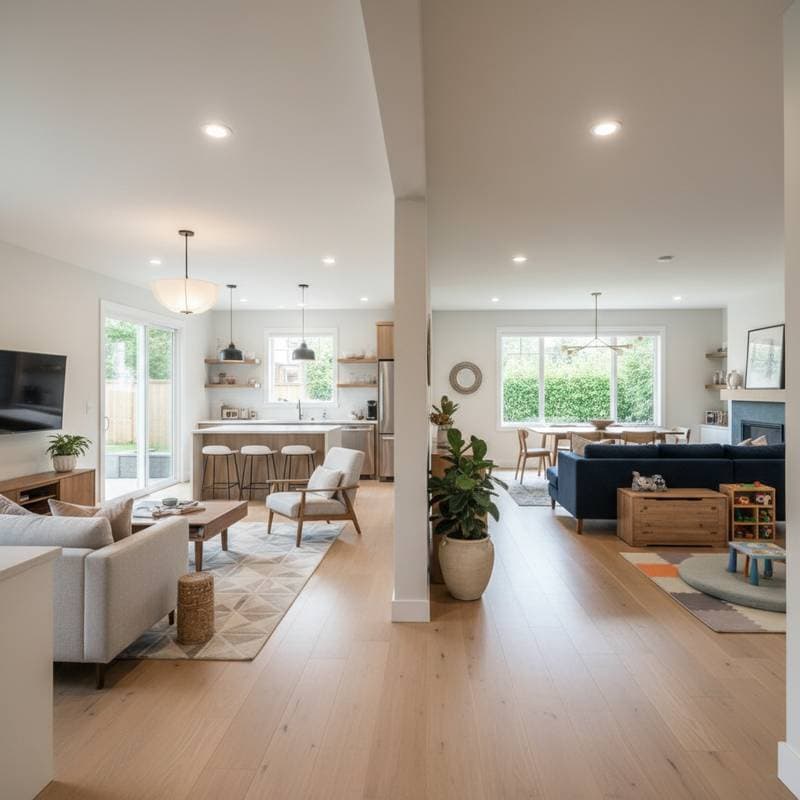
Multigenerational home conversions create flexible, independent living spaces that allow multiple generations to share one roof. These projects typically cost between $75,000 and $300,000, with the average full conversion, including kitchenettes, accessible bathrooms, and private entryways, reaching $165,000.
Three primary factors determine expenses: layout complexity, square footage, and finish quality. Properties with unfinished basements or attached garages benefit from lower costs, whereas separate entrances or full kitchens elevate the budget. Data from the National Association of Home Builders indicates that well-designed multigenerational spaces increase property values by up to 25 percent in areas with high demand.
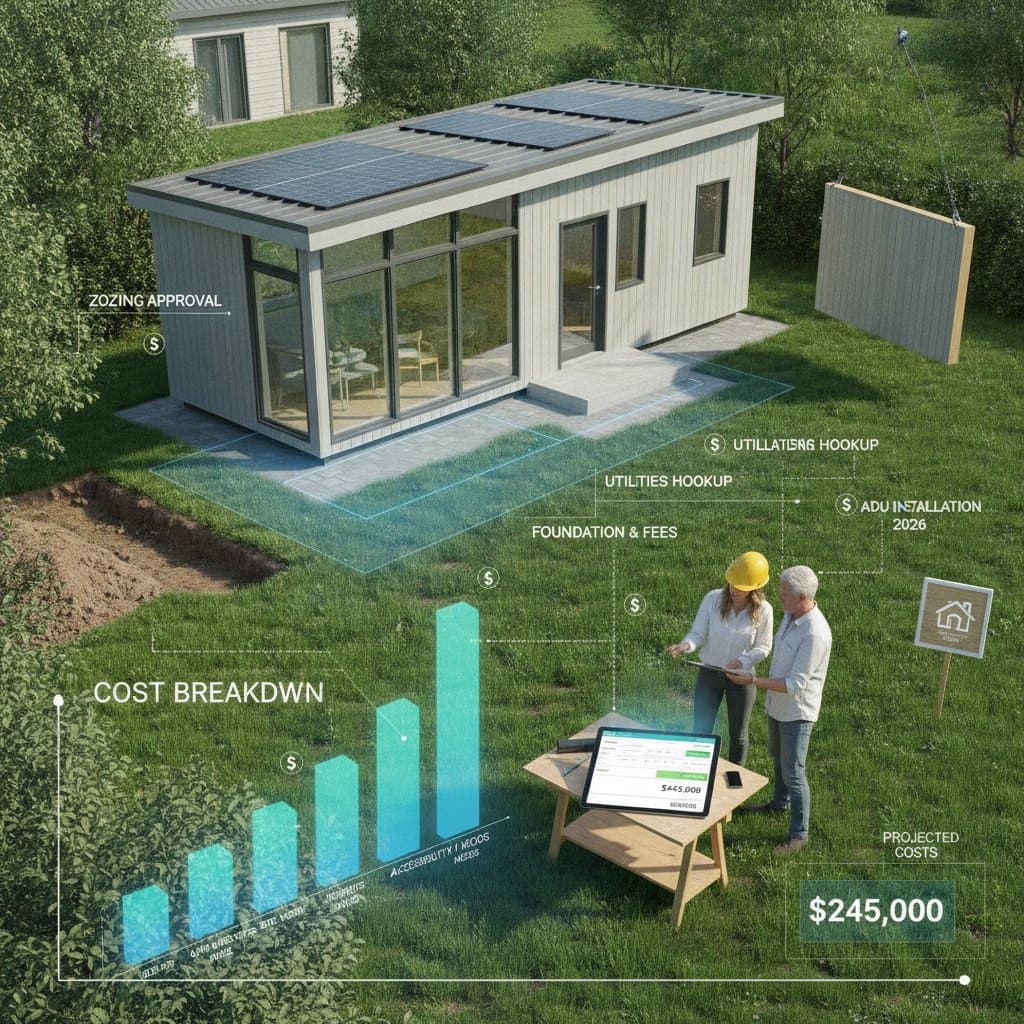
These conversions foster family bonds, cut assisted living costs, and prepare homes for changing needs. From basement in-law suites to accessory dwelling units (ADUs), grasping cost elements enables confident planning that matches design visions with feasible budgets.
Detailed Cost Breakdown
Multigenerational conversion prices fluctuate based on renovation scope, local market rates, and existing building conditions. The national average spans $75,000 to $300,000 for partial to full suites, while simple additions like a bedroom and accessible bathroom start at $40,000.
Per-Unit Pricing and Minimum Charges
Contractors base fees on square footage, ranging from $150 to $400 per square foot according to finishes and structural demands. Minimum fees begin at $10,000 for basic room adaptations, such as transforming an existing space into an accessible bedroom.
At the 25th percentile, essential changes cost about $90,000. Standard mid-range projects average $165,000, and advanced setups with kitchenettes and private access exceed $250,000 at the 75th percentile.
Size and Scope Factor
Project size directly impacts expenses. A 500-square-foot basement with basic finishes averages $85,000, whereas a 900-square-foot ADU with complete plumbing and kitchen facilities nears $250,000. Each extra 100 square feet adds $15,000 to $25,000, influenced by materials and structural needs.
In one HomeAdvisor case, a Portland homeowner turned a detached garage into a 700-square-foot suite for $180,000, incorporating accessibility features and energy-efficient insulation. Expansive or multi-story additions surpass $350,000 if they require new foundations or roof alterations.
Material and Quality Tiers
Entry-level options prioritize function with affordable, sturdy materials like vinyl flooring, prefabricated cabinets, and basic fixtures at $150 per square foot. These setups last 10 to 15 years with minimal upkeep.
Mid-range builds use trusted brands such as Kohler fixtures, GE appliances, and quartz surfaces at $250 per square foot. Such choices deliver aesthetic appeal and longevity, supporting strong resale returns.
Premium designs incorporate Wolf or Sub-Zero appliances, bespoke cabinetry, and smart-home features above $350 per square foot. These enhance luxury appeal and durability, often lasting over 25 years with warranties up to 25 years for flooring and 10 years for appliances.
Complexity Variables
Structural demands significantly raise costs. Reinforcement, new plumbing, or electrical work can increase totals by 15 to 40 percent. Accessibility elements like wider doors, zero-entry showers, and ramps further elevate expenses.
Permit and code fees average $2,000 to $8,000 by location. Urban centers such as San Francisco or Boston add 20 to 40 percent premiums due to elevated labor and permitting hurdles. Securing three quotes from local experts provides accurate benchmarks, and pre-existing plumbing access can reduce costs by up to 25 percent.
Service Types and Comprehensive Pricing
Basic or Standard Conversion Package
Basic packages feature:
- One bedroom or studio arrangement
- Compact or shared bathroom
- Simple kitchenette or wet bar
- Standard flooring and lighting
- Shared utility systems
These take 6 to 10 weeks and cost $75,000 to $125,000. They fit conversions of basements or spare rooms for adult children or aging parents seeking semi-independence.
Premium or Comprehensive Conversion Package
Advanced packages offer:
- Complete kitchen with appliances
- Private bathroom and laundry
- Dedicated HVAC or electrical
- Independent entry
- Enhanced soundproofing and insulation
- Smart-home features
Costs range from $175,000 to $300,000, a 40 to 70 percent increase over basics. These provide superior flexibility and rental viability, with 60 to 80 percent ROI in ADU-friendly markets. Recovery occurs in 8 to 10 years via rentals or reduced care expenses.
Add-On Services and Bundling
| Add-On Service | Typical Cost | Bundle Savings | Recommended With |
|---|---|---|---|
| Accessibility Upgrades | $10,000 - $25,000 | 10% | Aging-in-place conversions |
| Kitchen Upgrade | $15,000 - $40,000 | 8% | Full-suite conversions |
| Soundproofing | $5,000 - $12,000 | 5% | Shared-wall designs |
| Separate HVAC Zone | $4,000 - $8,000 | 7% | Detached ADUs |
| Solar Integration | $15,000 - $25,000 | 12% | Energy-efficient builds |
Bundling yields 5 to 10 percent savings. Use platforms like Angi or Houzz to evaluate combined estimates.
Professional vs. DIY Analysis
DIY Conversion Costs
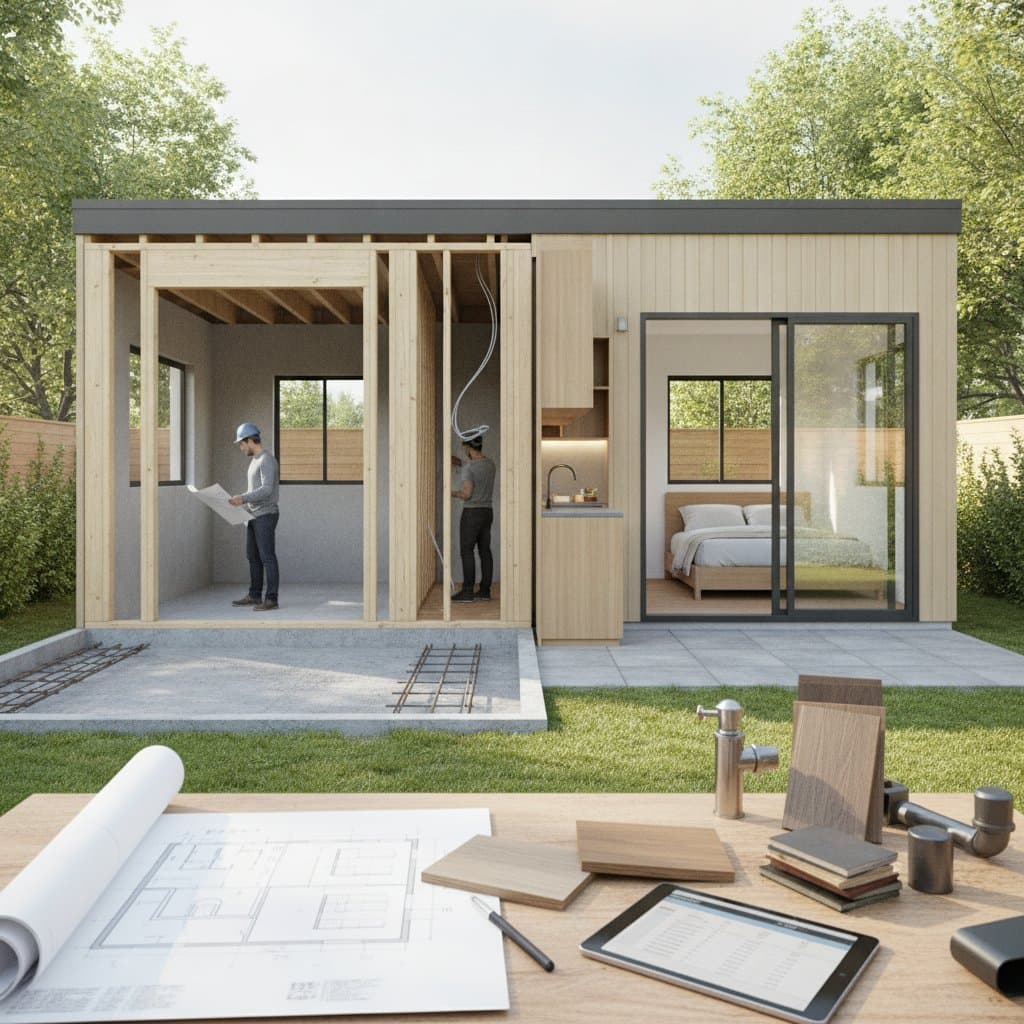
DIY efforts present hurdles beyond materials, which total $40,000 for 500 square feet:
- Drywall, insulation, framing: $8,000
- Kitchen fixtures, plumbing: $10,000
- Electrical, lighting: $6,000
- Flooring, paint: $4,000
- Bathroom fixtures: $7,000
- Miscellaneous: $5,000
Tool rentals add $1,000 to $2,000, and labor demands over 400 hours. Permits, inspections, and violations inflate costs by 15 to 30 percent, often compromising safety.
Professional Advantages
Licensed contractors finish projects 30 to 50 percent quicker with consistent quality and system warranties. Insurance safeguards against risks, and bulk purchasing lowers material prices. Access to equipment like scaffolding saves $10,000 in equivalents.
Professionals navigate ADU codes, avoiding retrofit expenses. Overall, they enhance appraisals, durability, and resale, justifying the investment through sustained value.
Actionable Cost-Saving Strategies
Timing Optimization
Schedule during winter for 5 to 10 percent discounts when contractors have availability. Opt for mid-week starts to sidestep overtime fees.
Smart Shopping and Negotiation
Obtain three detailed quotes to save up to 15 percent. Insist on breakdowns of materials, labor, and fees. Early payments or prompt finishes may earn 2 to 5 percent reductions.
Source materials locally or directly from manufacturers to cut 10 to 20 percent on items like cabinets and floors.
Preparation Steps
Prep by clearing spaces, removing old floors, or painting simple areas to save $1,000 to $3,000 in labor. Define expectations clearly to minimize budget-altering changes.
Market Dynamics and Considerations
Geographic Variations
Costs differ by area. Metros like Los Angeles and New York average $250 to $400 per square foot, mid-sized cities $150 to $200, and rural zones lower still, though with limited specialists.
Market Timing and Economics
Stabilized lumber and concrete prices help, but labor demand persists. Supply delays for fixtures extend timelines.
Value Indicators
ADU-equipped homes sell 20 to 30 percent faster. Energy upgrades reduce utilities by 15 percent yearly, preserving value and enabling adaptable family living.
Related Services Ecosystem
Supporting services boost multigenerational setups.
Accessory dwelling units cost $100,000 to $300,000 for standalone quarters suitable for family or income.
Aging-in-place remodels, including grab bars and non-slip floors, range $10,000 to $40,000 for senior safety.
Energy retrofits with insulation or solar panels cost $8,000 to $25,000, enhancing efficiency and comfort.
Integrating these creates comprehensive, value-driven homes.
Steps to Secure Lasting Value
Strategic multigenerational conversions reshape family dynamics and build financial stability. Prioritize privacy alongside shared spaces, using resilient materials and expert design.
Select contractors experienced in ADUs and suites; review 3D models for layout previews. Such approaches yield homes that adapt to life stages, elevate worth, and ensure generational comfort.