How Much Does Flood Proofing Cost in 2026
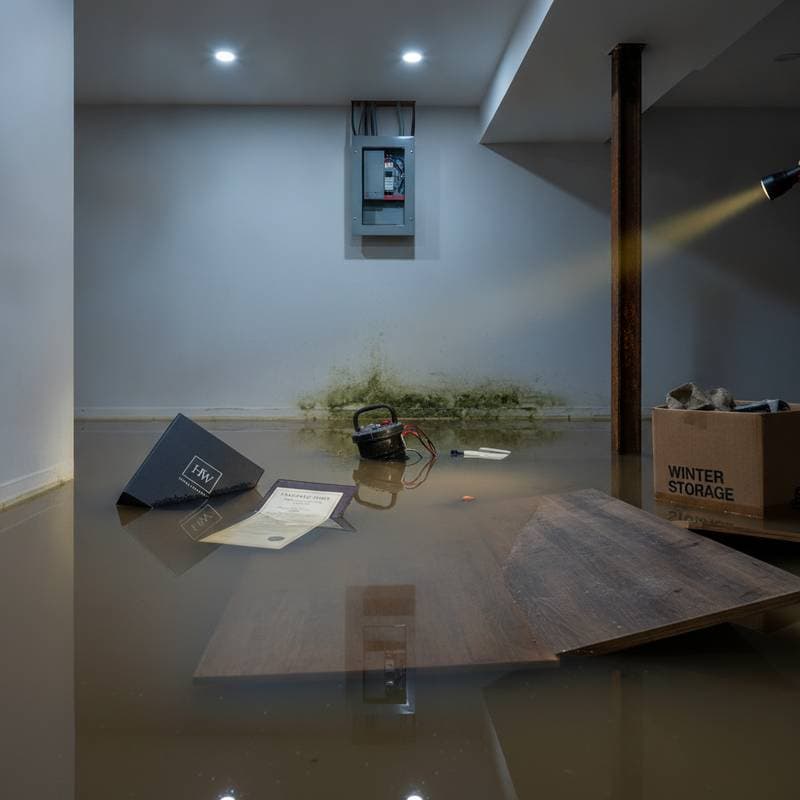
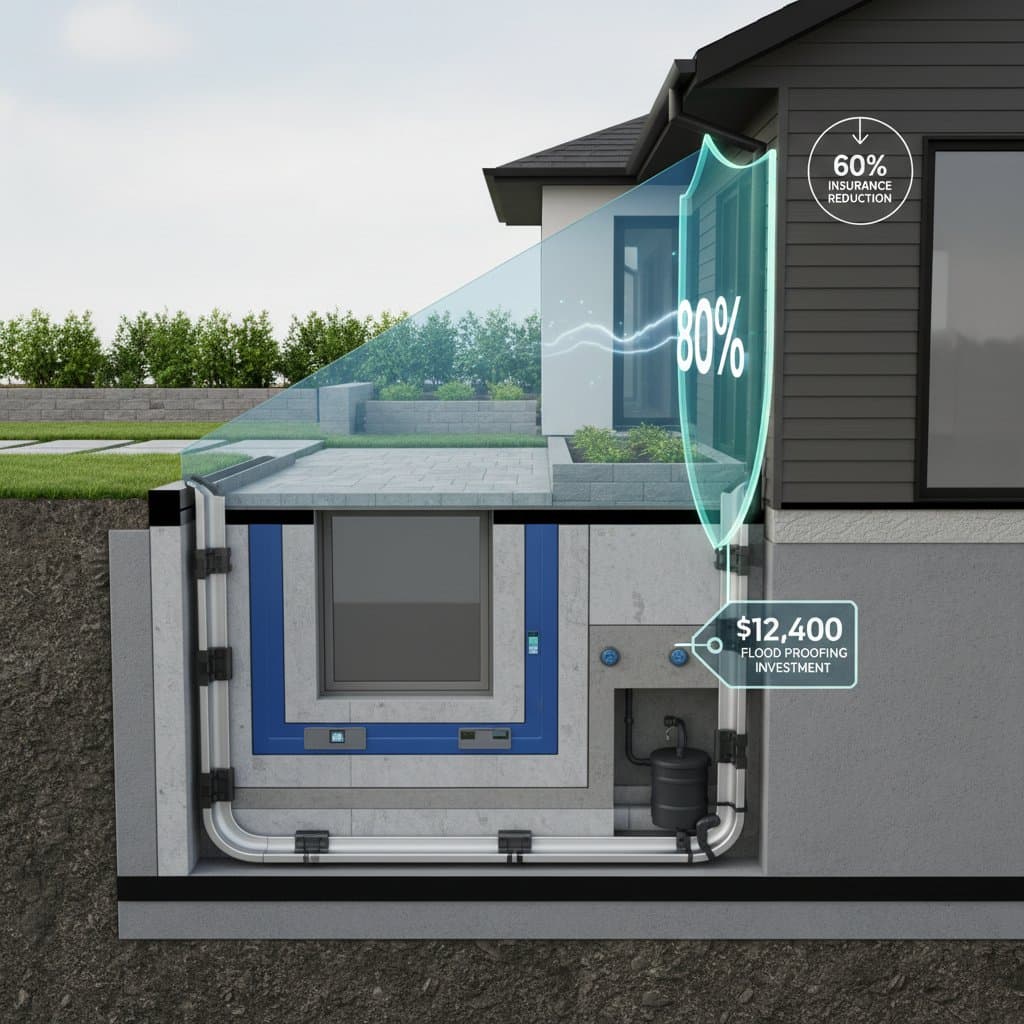
Flood proofing shields homes from water damage and maintains property value in vulnerable locations. Professional services typically range from $2,000 to $28,000. Most homeowners invest about $12,400 for a mix of elevation, sealing, and drainage upgrades.
Three elements shape the final price. These include current property elevation, local flood risk level, and selected protection method. Coastal or riverfront homes often incur higher expenses because of stricter building codes. Effective mitigation lowers annual damage risk by up to 80 percent and reduces insurance premiums by 30 to 60 percent.
Proactive investment delivers both safety and financial returns. Owners who act early benefit from fewer repairs and better insurance options.
Core Pricing by Method
Costs differ based on technique and site conditions.
- Dry flood proofing with seals and barriers: $4,000 to $12,000
- Wet flood proofing using resistant materials and drainage: $2,000 to $8,500
- Full home elevation: $15,000 to $28,000
- Complete system installation: $20,000 to $45,000
Certified contractors charge at least $1,500 for initial inspection and setup. Small homes average $5,000 at the lower end, $12,000 at the midpoint, and over $22,000 at the upper end for complex sites.
Size, Scope, and Material Choices
Each extra 100 square feet of foundation adds $250 to $450. A 1,500 square foot single story home may need $7,000 in basic waterproofing. A two story house with a basement can reach $16,000 because of increased exposure.
Properties with crawl spaces cost about 20 percent less than those with finished basements. Entry level options using basic coatings and manual barriers run $2,000 to $6,000 and last five to seven years. Mid range packages with automated pumps and reinforced coatings fall between $8,000 and $15,000 with ten year warranties. Premium setups featuring aluminum barriers and sensors cost $18,000 to $28,000 and return 150 percent in avoided losses over ten years.
Service Packages and Add Ons
Basic packages cover waterproof coatings, sump pumps, crack sealing, and backflow valves. These take two to three days and cost $4,000 to $9,000. They suit moderate risk zones.
Premium packages add elevation, smart sensors, raised electrical systems, and reinforced drainage. Prices range from $15,000 to $28,000. Homes valued above $400,000 often see 120 percent return on investment after several flood seasons.
Common add ons include French drains at $2,000 to $4,000, window well covers at $500 to $1,200, smart sensors at $300 to $800, and foundation grading at $1,500 to $3,000. Bundling these services yields up to 15 percent savings.
Professional Installation Versus DIY
DIY projects use materials such as heavy duty coatings, reliable pumps, and portable barriers. Total material costs fall between $1,200 and $3,500 plus 20 to 40 hours of labor. Hidden issues from poor sealing often lead to later repairs.
Certified professionals cut project time by 70 percent, meet all codes, and supply warranties worth $2,000 to $5,000. Their work pays for itself after four flood events compared with repeated DIY fixes.
Select professional help for high risk floodplains, required elevation work, or insurance discounts that need certification. DIY remains practical only for low risk single story homes with minor seepage.
Ways to Reduce Total Expense
Book work during slower months for 10 to 15 percent off. Midweek scheduling trims labor by another 5 percent. Collect three quotes from established platforms and negotiate bundled drainage and monitoring services for up to 12 percent savings. Clear the site yourself to cut labor by $300 to $600.
Regional Price Differences
Urban markets add 18 to 25 percent for labor and permits. Coastal cities average near $17,000 while inland areas stay closer to $10,000. Supply chain pressures and annual labor rate increases of 5 to 8 percent continue to affect material costs.
Taking Action on Resilience
Review your property risk level first. Then compare package options against your budget and insurance goals. Certified upgrades provide the clearest path to lower damage exposure and stronger long term value.