Will Home Warranties Cover AI Appliances in 2026?
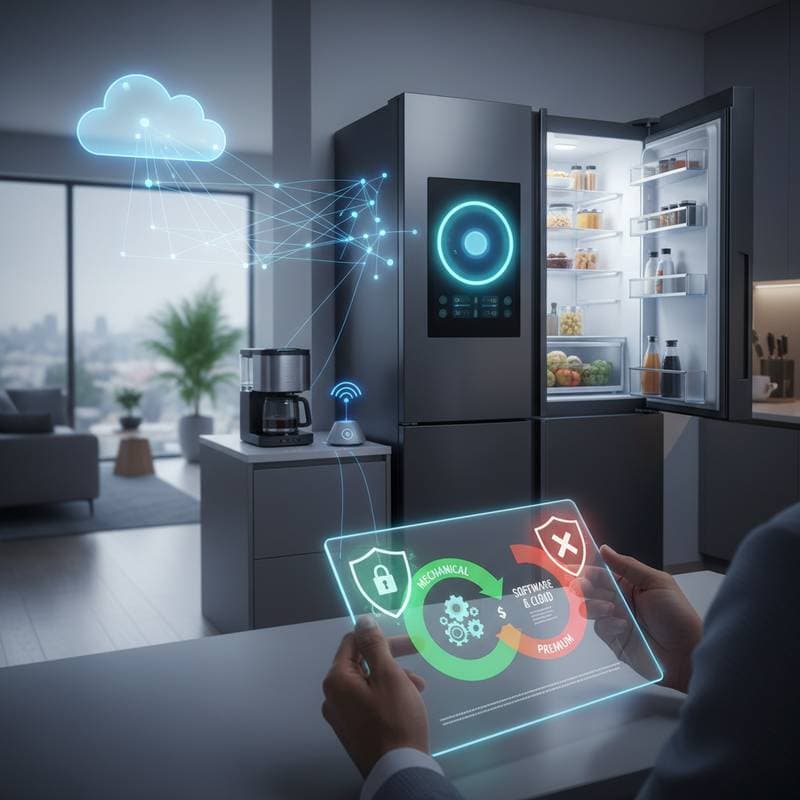
AI appliances, from intelligent refrigerators to adaptive heating systems, represent a growing segment of household technology. As these devices rely on both hardware and software, home warranty providers update policies to address the blend. In 2026, expect standard plans to focus on mechanical reliability, with optional extensions for digital integration.
Coverage varies by provider and plan level. Basic contracts protect core components like motors and sensors, but advanced features such as machine learning algorithms or remote monitoring may require specialized riders. This evolution ensures protection aligns with the increasing complexity of connected homes.
Quick Take
- Home warranty coverage for AI appliances remains in development, prioritizing hardware over software.
- Standard plans safeguard mechanical elements, yet exclude failures tied to apps, firmware, or internet dependencies.
- Premium options, which cover diagnostic tools and networked functionalities, typically involve elevated costs.
Pros and Cons of AI Appliance Coverage
Home warranties offer valuable safeguards for AI-equipped devices, balancing protection with limitations. Understanding these aspects helps homeowners make informed decisions about plan selections.
Pros
- Safeguards high-cost internal mechanisms, including compressors in smart refrigerators and actuators in automated washers.
- Certain providers incorporate remote diagnostic services, enabling early detection of potential malfunctions via app notifications.
- Reduces financial burden for repairs on sophisticated appliances that integrate sensors and processors.
Cons
- Excludes issues stemming from software bugs, application malfunctions, or disruptions in cloud-based services.
- Sourcing replacement components for proprietary AI systems can prove expensive and time-consuming.
- Comprehensive protection for interconnected elements often necessitates additional upgrades or separate policies.
Step-by-Step: How to Check Your Coverage
Reviewing warranty details provides clarity on protections for AI appliances. This process equips you to identify gaps and pursue necessary adjustments proactively.
Tools and Info You Need
- Your active home warranty agreement document.
- Specific model numbers and manufacturer details for each AI device.
- Manufacturer-provided warranty specifications and support resources.
Time: 30 to 60 minutes
Difficulty: Easy
- Inventory your AI appliances. Catalog major items, including intelligent ovens with recipe adaptation, voice-controlled dryers, and HVAC units featuring predictive maintenance algorithms.
- Examine your warranty agreement. Search for definitions of covered events, such as mechanical breakdowns, intelligent subsystems, or integrated digital interfaces.
- Identify exclusions. Policies commonly omit coverage for software updates, network interruptions, or failures due to third-party app integrations.
- Contact your warranty provider. Inquire about available enhancements for AI functionalities, including quotes for riders that extend to connectivity and diagnostics.
- Record key details. Compile a comprehensive summary of protected versus unprotected features for every appliance.
- Modify your coverage as required. Consider premium increases or targeted add-ons to encompass smart capabilities.
Inspect: Confirm registration and firmware currency for all networked appliances to maintain eligibility.
Clean up: Organize records in a secure digital repository for efficient retrieval during service requests.
DIY vs Pro
Determining whether to handle AI appliance issues independently or engage professionals depends on the problem's nature. Simple troubleshooting preserves warranty validity, while complex repairs demand expertise.
Safe for DIY
- Interpreting diagnostic codes displayed on the device interface or companion application.
- Performing firmware upgrades as directed by manufacturer alerts.
- Maintaining sensors and filters according to official guidelines, using non-abrasive tools.
- Troubleshooting Wi-Fi pairings or adjusting home network configurations for optimal signal strength.
Hire a pro
- In cases of complete power loss or unsuccessful automated self-diagnostic routines.
- When alerts indicate faults in circuit boards, neural processing units, or control assemblies.
- For interventions requiring access to enclosed electrical housings or high-voltage components.
- If the appliance interfaces with a centralized home automation system needing certified reconfiguration.
What the pro will do differently
Certified technicians evaluate hardware and software interdependencies using proprietary diagnostic platforms and detailed service schematics. They apply precision calibration equipment unavailable to general users and verify adherence to industry safety standards and electrical regulations.
Alternatives
Beyond standard home warranties, several options address AI appliance protections. Each alternative suits different priorities, from comprehensive support to cost efficiency.
Option A: Manufacturer Extended Plans
Ideal for recently acquired devices. These extensions frequently encompass mechanical repairs alongside software maintenance and over-the-air updates. The primary drawback involves elevated pricing and restriction to specific brands.
Option B: Third-Party Smart Home Coverage
Provides unified protection across diverse manufacturers. Services often include assistance with application errors and network resolutions. Response times may lag compared to brand-specific support.
Option C: Standard Home Warranty with Add-Ons
Focuses on mechanical integrity of intelligent devices, assuming owners manage digital aspects. This approach suits tech-savvy individuals. Digital troubleshooting receives minimal inclusion.
FAQs
Do home warranties cover AI software updates?
No. Manufacturers or users typically handle updates through dedicated channels.
What if my smart fridge loses connection?
Such incidents fall outside coverage. Attempt router resets or manufacturer support prior to warranty claims.
Can I add AI coverage to my existing plan?
Yes. Providers commonly provide optional endorsements for intelligent and connected features.
Are AI appliances covered if the app service shuts down?
No. Protections apply solely to the device's physical operations, excluding external cloud dependencies.
Does coverage transfer if I sell my home?
Usually yes. The buyer must complete re-registration to activate the policy.
Strengthening Your Smart Home Protections
Begin by auditing your existing home warranty against your AI appliance inventory. Pinpoint mechanical safeguards and digital vulnerabilities to inform plan enhancements. Reach out to providers for tailored quotes on intelligent feature inclusions.
Maintain device firmware and log all upkeep activities meticulously. Retain service invoices as evidence for claims. This preparation accelerates resolutions and minimizes financial impacts as AI integration advances in residential settings.