Understanding the Real Costs of Covered Outdoor Living in 2025
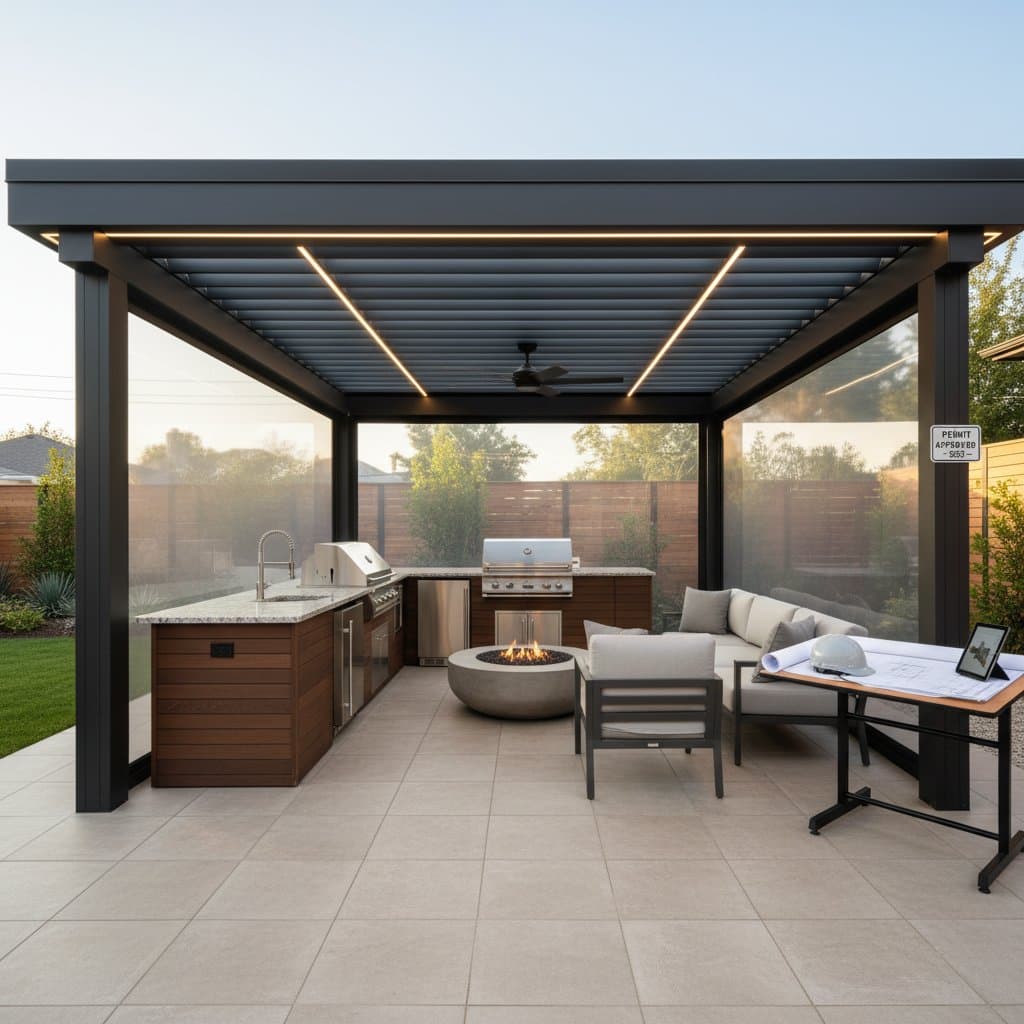
Covered outdoor living spaces enhance home enjoyment and property value. In 2025, factors such as material prices, labor rates, and regulatory requirements influence total expenses. This guide breaks down essential costs, timelines, and planning strategies for pergolas, patios, and outdoor kitchens.
Expect baseline costs to range from $5,000 for a basic pergola to $50,000 or more for a fully equipped outdoor kitchen. These figures account for materials, labor, and permits, with regional variations adding 10 to 20 percent in high-cost areas. Careful planning minimizes surprises and ensures compliance with building codes.
Step-by-Step Construction Process
Successful projects follow a structured sequence to avoid delays and ensure durability. Each phase builds on the previous one, integrating design, preparation, and finishing elements.
-
Design and Layout Planning: Begin by measuring the available space accurately. Select the roof type, such as sloped panels or open pergola lattice, and map out drainage routes to direct water away from the foundation.
-
Permitting and Approvals: Prepare detailed drawings that illustrate footings, roof load capacities, and utility pathways. Local authorities typically review submissions for structures attached to the home, a process that may take one to two weeks.
-
Site Preparation: Clear existing slabs, pavers, or vegetation from the area. Mark locations of underground utilities using professional locator services, then install forms for concrete footings to establish a stable base.
-
Footings and Structural Framing: Pour concrete footings at least 12 inches below the local frost line for stability. Install pressure-treated wood or galvanized steel posts engineered to support specified loads, ensuring even spacing for balanced weight distribution.
-
Roof or Pergola Assembly: Secure rafters to the home's existing fascia or a new ridge beam. Incorporate a minimum slope of one-quarter inch per linear foot to facilitate effective water runoff and prevent accumulation.
-
Roofing Installation and Waterproofing: Choose materials that complement the home, like architectural shingles or corrosion-resistant metal panels. Apply flashing meticulously at all junctions with the house exterior to seal against moisture penetration.
-
Utility Integration and Surface Finishes: Route gas lines, electrical wiring, and plumbing through protective conduits or pipes compliant with codes. Install features such as recessed lighting, ceiling fans, and built-in appliances for functionality and ambiance.
-
Final Inspection and Cleanup: Schedule inspections for structural integrity, utilities, and code adherence before activating services. Remove all debris and protect exposed surfaces to maintain a clean, ready-to-use space.
Timelines vary by project scale: simple pergolas require five to ten days, covered patios take two to four weeks, and comprehensive outdoor kitchens span four to eight weeks. Weather conditions and contractor schedules can extend these periods, so factor in seasonal delays.
Essential Safety, Permitting, and Code Considerations
Permits are mandatory for most covered outdoor structures to ensure safety and legality. Roofed areas must withstand local wind speeds and snow accumulations, often verified through engineering calculations. Licensed professionals handle gas, electrical, and plumbing installations, each undergoing independent inspections.
Non-compliance risks fines exceeding $1,000 per violation and complications during home sales. Always retain permit records and inspection reports for future reference.
Recommended Safety Equipment:
- Protective eyewear and ear defenders to shield against debris and noise.
- Heavy-duty gloves and steel-toed boots for handling materials securely.
- Stable ladders with harness systems for elevated work on roofs or frames.
Key Code Requirements:
- Install GFCI-protected outlets on every outdoor electrical circuit to prevent shocks.
- Maintain at least 12 inches of vertical clearance above any cooking surfaces.
- Use non-combustible materials, such as stone or metal, within three feet of grills.
- Ensure thorough flashing at all roof-to-wall connections to block water entry.
- Ground aluminum pergola frames to mitigate electrical hazards.
Professional installations preserve manufacturer warranties, typically covering 10 to 25 years on components. DIY efforts often invalidate these protections, exposing owners to repair costs.
Common Pitfalls and Prevention Strategies
Errors during construction amplify expenses through rework and repairs. Addressing them upfront saves time and resources.
-
Inadequate Load Calculations: Undersized beams cause sagging or collapse under snow or wind. Consult structural engineers for spans exceeding 10 feet.
-
Neglected Flashing Details: Poor seals invite water damage, leading to wood rot and interior leaks. Use high-quality, code-approved materials and inspect annually.
-
Insufficient Drainage Slope: Level surfaces collect puddles, accelerating material degradation. Verify pitch with a level tool during framing.
-
Faulty Post Anchoring: Surface-level installations without brackets allow shifting, cracking surrounding concrete. Embed posts deeply and use corrosion-resistant hardware.
-
Overlooked Drainage Systems: Improper downspout placement causes foundation erosion. Direct runoff at least five feet from the structure via extensions or French drains.
-
Incompatible Material Pairings: Unsealed wood against concrete absorbs moisture, promoting decay. Apply waterproof barriers and sealants at contact points.
By anticipating these issues, projects proceed smoothly and endure longer.
Ongoing Maintenance for Longevity
Regular care extends the service life of outdoor structures, protecting your investment. Establish a routine tailored to materials and climate.
Immediate Post-Installation Tasks:
- Tighten all bolts, screws, and connectors to prevent loosening.
- Seal any cut ends on wooden elements with preservative treatments.
- Sweep away debris to avoid surface scratches or fungal growth.
Seasonal Upkeep:
- Rinse roof surfaces and rafters with a mild detergent solution.
- Examine flashing for cracks and apply fresh sealant as needed.
- Oil movable parts like retractable louvers or gate hinges for smooth operation.
Yearly Inspections:
- Reapply UV-protectant stains or paints to wood components.
- Clear gutters, downspouts, and drains of leaves and sediment.
- Test GFCI outlets monthly and replace faulty units promptly.
Component lifespans include 15 to 25 years for roofing, 20 to 30 years for treated framing, and over 30 years for durable aluminum or vinyl pergolas. Consistent maintenance can add five to ten years to these estimates.
Deciding Between Professional and DIY Approaches
Evaluate your capabilities using a structured decision framework to choose the right path.
-
Assess Skill Levels: Basic woodworking and concrete handling suit simple pergolas or shade covers. Advanced projects demand expertise in load-bearing design.
-
Evaluate Safety Factors: Delegate electrical, gas, or roofing tasks to certified experts to avoid hazards like fires or electrocution.
-
Review Tool Access: Essential equipment includes circular saws, post-hole diggers, and mixing tools. Rental fees can approach $200 per day, impacting budgets.
DIY options reduce costs by 40 to 50 percent for straightforward builds but require two to three full weekends. Complex setups, including permits and utilities, benefit from contractor oversight to meet standards efficiently.
Bid Comparison Table for Informed Choices
Solicit multiple quotes to identify value. Standardize specifications across bids for fair evaluation.
| Line Item | Specifications | Contractor A | Contractor B | Contractor C | Key Variance Considerations |
|---|---|---|---|---|---|
| Roof Framing | 2x8 SPF lumber, 12-foot span | $2,800 | $3,100 | $2,950 | Verify lumber grade and joist spacing |
| Roofing | Architectural shingles, flashing | $2,100 | $2,600 | $2,400 | Include underlayment and ice-dam protection |
| Electrical | 3 GFCI outlets, 1 fan, 2 lights | $1,200 | $1,450 | $1,350 | Confirm conduit use and circuit breaker sizing |
| Gas Line | 25-foot run to grill | $950 | $1,250 | $1,100 | Check pipe diameter and included permits |
| Countertops | 12-foot granite or quartz slab | $2,500 | $3,200 | $2,900 | Specify edge finishing and sealant application |
Request itemized breakdowns and site-specific drawings showing post placements, beam dimensions, and slope angles. Scrutinize low bids for omissions in footings, weatherproofing, or compliance testing, which could incur future expenses.
Project Readiness Checklist
Prepare thoroughly to launch without interruptions.
Required Tools:
- Circular saw, power drill, and precision level.
- Extension ladder and framing square for alignments.
- Concrete mixer or sturdy wheelbarrow for pours.
Necessary Skills:
- Fundamental carpentry techniques and site measurement.
- Interpretation of basic blueprints and schematics.
- Proper techniques for lifting heavy loads and ladder stability.
Safety Essentials:
- Cut-resistant gloves, impact-resistant glasses, and dust masks.
- Ear plugs for power tool operation.
- Sturdy, slip-resistant footwear.
Permit Requirements:
- General building permit for anchored or roofed elements.
- Specialized permits for electrical, gas, or plumbing modifications.
Preliminary Site Tasks:
- Confirm setbacks from property boundaries per zoning rules.
- Call utility services to mark buried lines.
- Level the ground and establish positive drainage gradients.
Environmental Factors:
- Schedule concrete work during mild temperatures, avoiding freezes or downpours.
- Allow 48 to 72 hours for curing before installing loads.
Launching Your Outdoor Living Project
Transform your backyard into a versatile retreat by aligning vision with practical execution. Define project scope early, incorporating desired features like seating areas or cooking zones within budget limits.
Secure permits promptly to avoid bottlenecks. For contractor hires, obtain three comprehensive proposals that detail inclusions like fees, timelines, and guarantees. Document all plans and certifications to support home value at resale.
Well-executed spaces deliver years of relaxation and boost curb appeal by up to 10 percent.