Pre-Listing Repairs That Actually Boost Sale Value
Selling a home requires more than a simple listing. Strategic repairs before placing the property on the market can elevate the sale price and enhance buyer trust. The focus remains on investments that yield measurable returns, rather than superficial changes.
Key Decisions Before You Start
Develop a plan by addressing three essential questions prior to beginning any work.
-
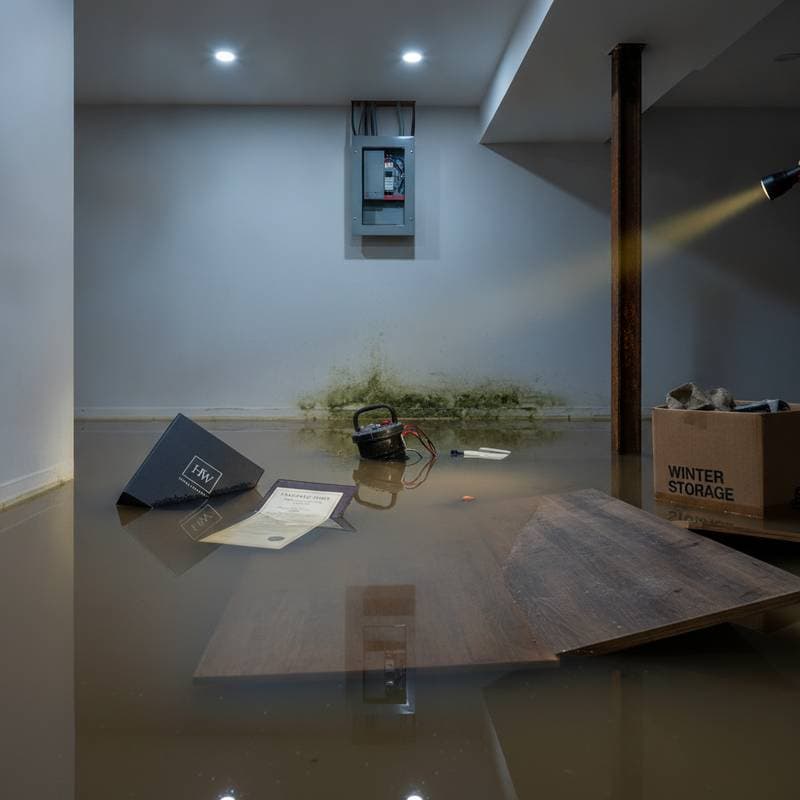
What repairs ensure safety or meet code requirements? Identify issues such as exposed wiring, unstable railings, roof leaks, and signs of moisture intrusion.
-
What elements capture buyers' initial attention? Consider entryways, flooring conditions, wall paint, lighting quality, and the home's overall scent, as these form immediate perceptions.
-
Which enhancements provide financial justification? Allocate resources to projects that promise at least partial recovery of costs. Avoid lavish upgrades that potential buyers might alter upon purchase.
With these insights, classify tasks into must-do repairs, high-return improvements, and optional updates.
Interior Paint and Surface Refresh
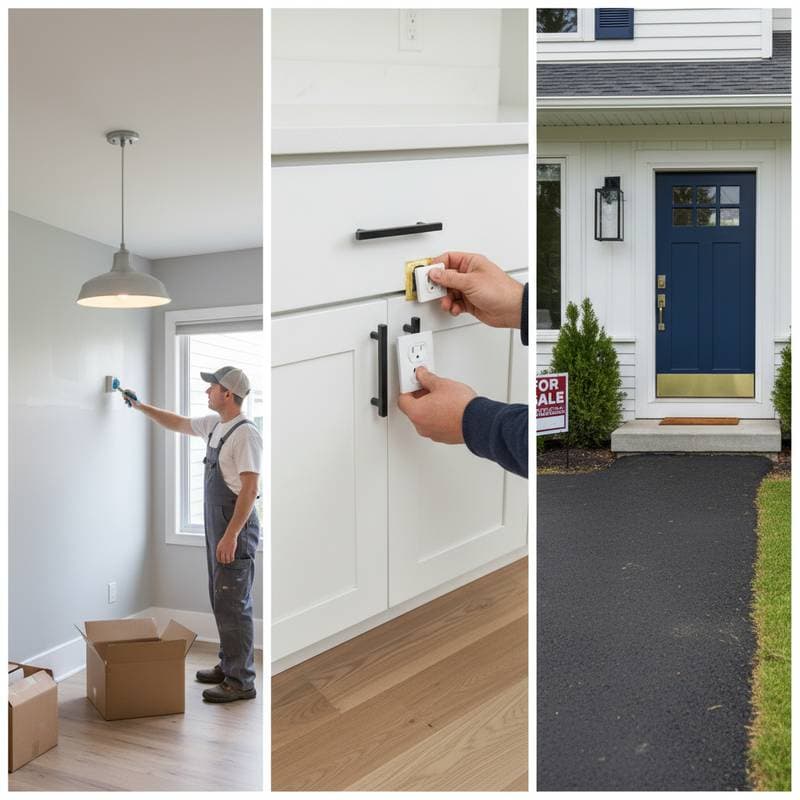
Why it matters: Fresh, neutral paint expands the perceived size of rooms and introduces brightness. This approach conceals imperfections and neutralizes bold hues that might deter prospective buyers.
Best approach:
- Select subtle neutrals, including beige, off-white, or light gray tones.
- Apply crisp white to trim elements for added definition.
- Repair nail holes, sand uneven areas, and apply primer before the final coats.
Pros:
- Ranks among the top return-on-investment endeavors.
- Involves minimal expense and swift execution.
- Enhances the appeal of listing photographs instantly.
Cons:
- Demands thorough preparation time.
- Substandard preparation or low-quality paint diminishes effectiveness.
Typical cost: $200 to $1,000 for do-it-yourself efforts on an average-sized home; $2,000 to $5,000 when engaging professional painters.
Lighting and Fixture Updates
Why it matters: Proper illumination influences buyers' sense of space and ambiance. Contemporary fixtures paired with efficient bulbs foster an inviting environment.
Suggested updates:
- Swap dated brass or shadowy fixtures for options in brushed nickel or matte black finishes.
- Install LED bulbs that emit a warm glow.
- Secure loose ceiling fans and repair faulty switches.
Pros:
- Offers substantial impact at a modest price.
- Suits individuals with fundamental electrical skills for self-installation.
Cons:
- Electrical complications necessitate a certified electrician's involvement.
- Excessive brightness may create an uncomfortable glare.
Typical cost: $100 to $600 for self-performed fixture replacements; $500 to $1,500 including expert installation.
Mechanical and Structural Repairs
Why it matters: Unresolved problems often surface during inspections and jeopardize transactions. Proactive fixes instill assurance in the property's condition.
Priority repairs:
- Seal minor roof leaks and reinforce flashing.
- Arrange servicing for the heating, ventilation, and air conditioning system.
- Inspect and maintain the water heater.
- Renew seals on damaged windows to prevent drafts.
- Consult a qualified contractor to evaluate and mend foundation cracks.
Pros:
- Averts critical findings in inspection reports that could halt sales.
- Signals a record of diligent upkeep to interested parties.
Cons:
- Expenses fluctuate significantly based on scope.
- Certain tasks demand permits and expert supervision.
Typical cost: $300 for a standard HVAC maintenance visit; up to $10,000 or higher for comprehensive structural interventions.
Timeline and Order of Operations
Follow this sequence to streamline the preparation process.
-
Conduct an inspection and thorough walk-through. Document safety hazards, leaks, and areas showing neglect.
-
Prioritize essential fixes. Tackle structural concerns and moisture-related problems at the outset.
-
Coordinate with specialists. Book painters, flooring experts, or roofers as required.
-
Execute aesthetic enhancements. Apply paint, install fixtures, tend to landscaping, and perform general cleaning.
-
Finalize with deep cleaning and staging. Eliminate clutter, buff surfaces, and capture professional photographs.
Typical timeline: Spans two to six weeks, influenced by the extent of repairs and availability of contractors.
Materials and Tools Checklist
Prepare these items to facilitate efficient work.
For painting:
- Rollers and brushes in various sizes.
- Painter's tape for clean edges.
- Drop cloths to protect floors and furniture.
- Primer alongside low-volatile organic compound paint.
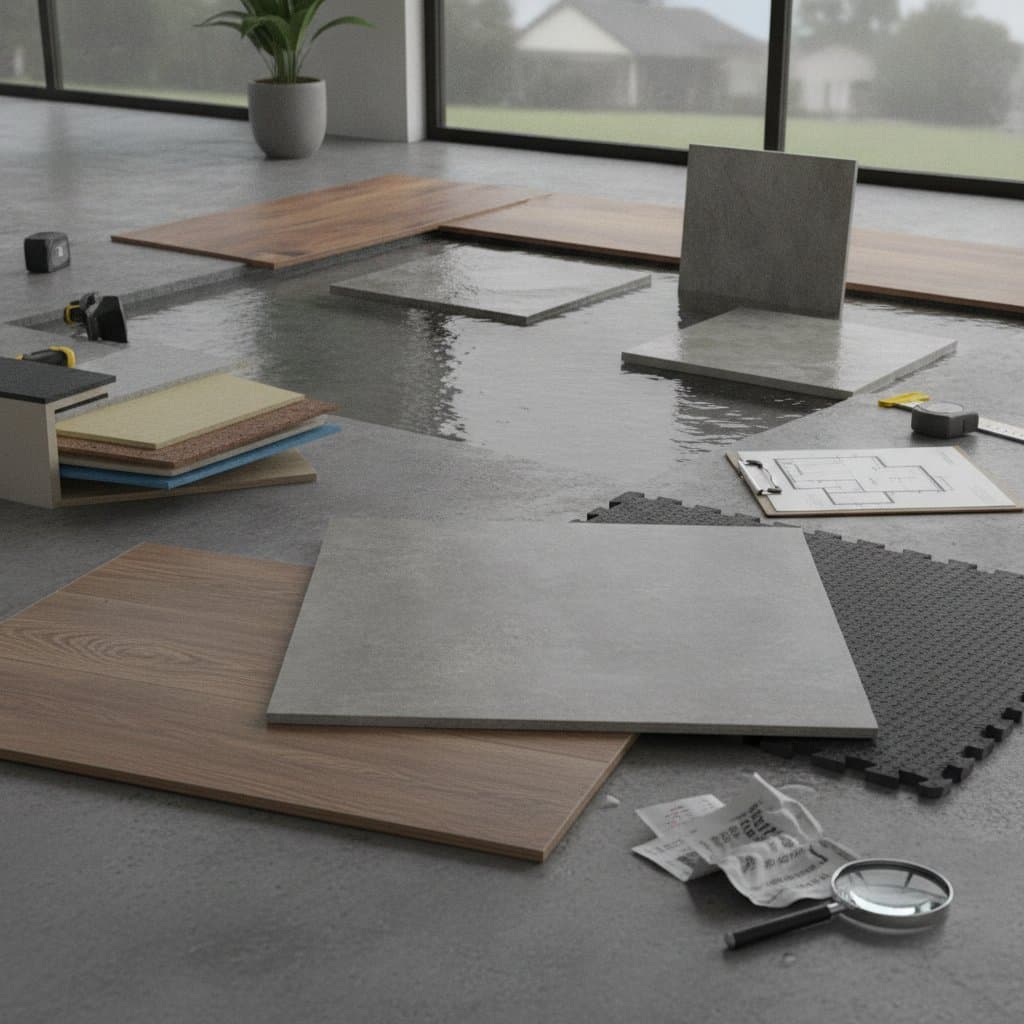
For flooring tasks:
- Pry bar for removing old materials.
- Utility knife for precise cuts.
- Underlayment or adhesive for secure installation.
- Trim and threshold components for finishing.
For general repairs:
- Caulk gun loaded with silicone sealant.
- Assorted screwdrivers and wrenches.
- Safety glasses and protective gloves.
- Sturdy ladder and adjustable work light.
For yard and exterior maintenance:
- Pressure washer to remove grime.
- Hedge trimmers for neat landscaping.
- Paint sprayer or brushes for surfaces outdoors.
- Sealant suitable for concrete or wooden elements.
Organize small hardware in labeled containers to minimize disruptions during the project.
Regional and Climate Considerations
Tailor repairs to local environmental factors for optimal durability.
In humid or coastal areas, emphasize moisture management. Repair leaks promptly, seal wooden trim thoroughly, and choose paint formulated to resist mildew growth.
In regions with cold weather, verify insulation integrity, window seal effectiveness, and furnace performance to ensure energy efficiency.
In arid or intensely sunny locales, prioritize irrigation systems and exterior coatings that withstand ultraviolet exposure and fading.
Select materials adapted to regional conditions. For instance, vinyl plank flooring and composite decking materials endure better than untreated wood in moist environments.
Implementing Repairs for Maximum Impact
Strategic pre-listing repairs transform a standard home into a compelling prospect. By addressing safety essentials, enhancing visual appeal, and considering local factors, sellers position their property for quicker sales and higher offers. Invest thoughtfully to realize tangible gains in both time and value.