Safeguard Your Home AI Server from Power Surges
Home AI servers and workstations require consistent power to operate effectively over extended periods. Unexpected voltage spikes can irreparably damage critical components, lead to data loss, or result in prolonged downtime. Investing in surge protection represents a straightforward, affordable measure to maintain system stability and protect your computational resources.
Why Power Surges Pose a Serious Risk
A power surge occurs when voltage exceeds the standard household level for a short duration. Common causes include lightning strikes, utility grid fluctuations, or the startup of heavy appliances like air conditioners. Components such as graphics processing units, central processing units, and hard drives prove particularly vulnerable to these events. While a surge might not cause immediate shutdown, it often degrades hardware gradually, leading to unexpected failures during intensive AI tasks.
Key Surge Protection Overview
National average cost: $180 for comprehensive whole-house surge protection
Typical cost range: $75 to $400
Budget option: $25 for a basic plug-in unit
Premium option: $700 for advanced electrical panel integration
Installation time: 1 to 3 hours
Approach options: Self-installation for plug-in models; professional service for panel-based systems
Long-term benefits: Extends equipment life, enhances system reliability, and boosts resale value
Last updated: Current month and year
Detailed Cost Breakdown
| Item | Unit Cost | Typical Quantity | Line Total | Notes |
|---|---|---|---|---|
| Plug-in surge protector | $25 - $60 | 1 | $25 - $60 | Suitable for individual desktops or compact servers; offers basic outlet protection |
| Uninterruptible power supply (UPS) with surge protection | $100 - $250 | 1 | $100 - $250 | Provides surge defense plus brief battery backup during outages |
| Whole-house surge protector | $150 - $400 | 1 | $150 - $400 | Mounts at the main electrical panel to shield every circuit in the home |
| Electrician labor | $75 - $150 per hour | 1 - 2 hours | $75 - $300 | Essential for any work involving the electrical panel |
| Permit or inspection fee | $0 - $75 | 1 | $0 - $75 | Varies by local building regulations and jurisdiction |
Additional considerations: For demanding AI applications involving large datasets, consider integrating line conditioners or multiple UPS units to further stabilize power delivery.
Factors Influencing Total Costs
The scale of protection needed directly affects pricing; larger homes with subpanels incur higher expenses due to extended wiring. Devices with superior joule ratings, which measure energy absorption capacity, command premium prices yet provide extended durability against repeated surges. Challenging installation environments, such as cramped electrical panels or legacy wiring systems, can increase labor time and costs. Regional differences in electrician rates and material availability also play a role. Tailored solutions for dedicated server rooms or high-performance computing setups often require customized circuits, adding to the overall investment.
Choosing Between DIY and Professional Installation
DIY Options:
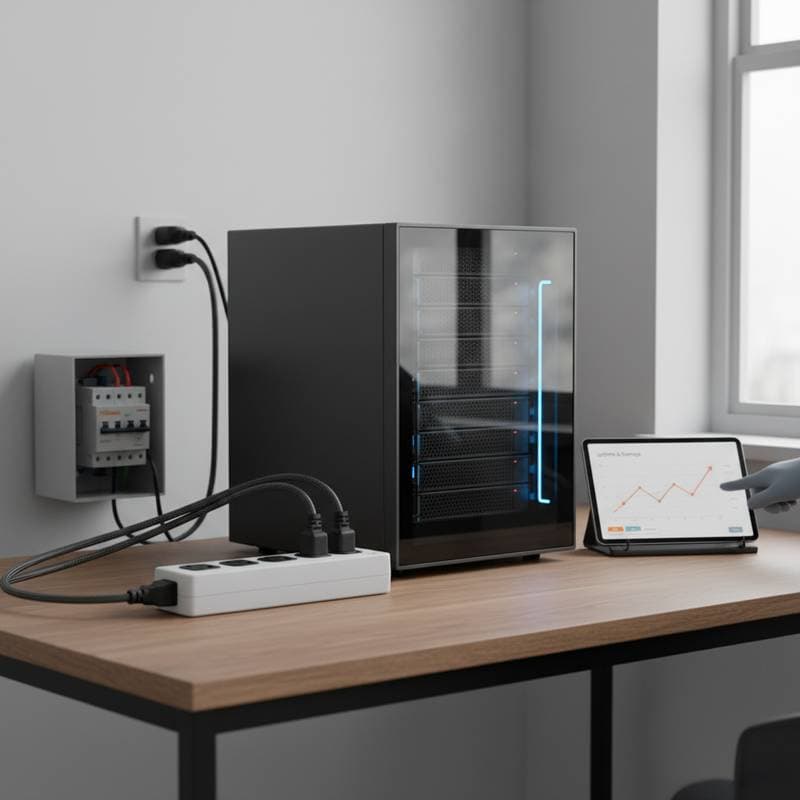
Simple plug-in surge protectors or UPS units connect directly to wall outlets near your workstation. Select models that match your server's power draw, typically measured in watts, and adhere to outlet specifications to avoid overloads. This approach suits users comfortable with basic electrical safety protocols.
Professional Services:
Whole-house surge protectors integrate into the main electrical panel, demanding expertise to handle live wires safely. Engage a licensed electrician to perform the installation, as errors risk electrical hazards like shocks or fires. Professionals also assess grounding integrity and panel condition, recommending upgrades if necessary to optimize protection.
Strategies to Minimize Costs Effectively
Schedule surge protection alongside broader electrical projects, such as panel modernizations or generator setups, to consolidate labor charges. Obtain quotes from at least three qualified electricians, inquiring about included services like grounding evaluations and device warranties. Opt for surge protectors with joule ratings exceeding 2000 to ensure robust, long-lasting performance. Plan installations during slower seasons, such as winter, when contractor availability peaks and rates may dip.
Step-by-Step Guide to Plug-in Surge Protection Installation
- Power down and unplug all equipment in the designated workstation zone to eliminate active electricity.
- Verify outlet functionality and, if accessing internal wiring, use a voltage tester to confirm circuits are de-energized.
- Insert the surge protector directly into a standard wall outlet, avoiding daisy-chaining through extension cords for safety.
- Attach your AI server, peripherals like monitors, and networking devices to the protector's outlets, ensuring adequate spacing for ventilation.
- Restore power and monitor the system for stable operation; test the protector's indicator lights to confirm active safeguarding.
Ensuring Long-Term System Reliability
Inspect plug-in surge protectors semiannually for signs of wear, such as dimming lights or physical damage. Replace units immediately following significant power events, like storms, to restore full protection. Maintain clean outlets and cables free of dust accumulation to prevent connectivity issues. For UPS systems, swap out batteries every two to three years to sustain backup capabilities. Whole-house protectors generally endure 5 to 10 years under normal conditions, but professional inspections every few years verify ongoing efficacy.
Sources and Research Approach
This guide draws from industry standards set by organizations like the National Electrical Manufacturers Association and insights from electrical engineering resources. Cost data reflects recent averages from contractor networks and consumer reports, adjusted for current market trends. Recommendations prioritize safety codes from the National Electrical Code to deliver practical, verified advice for home AI setups.