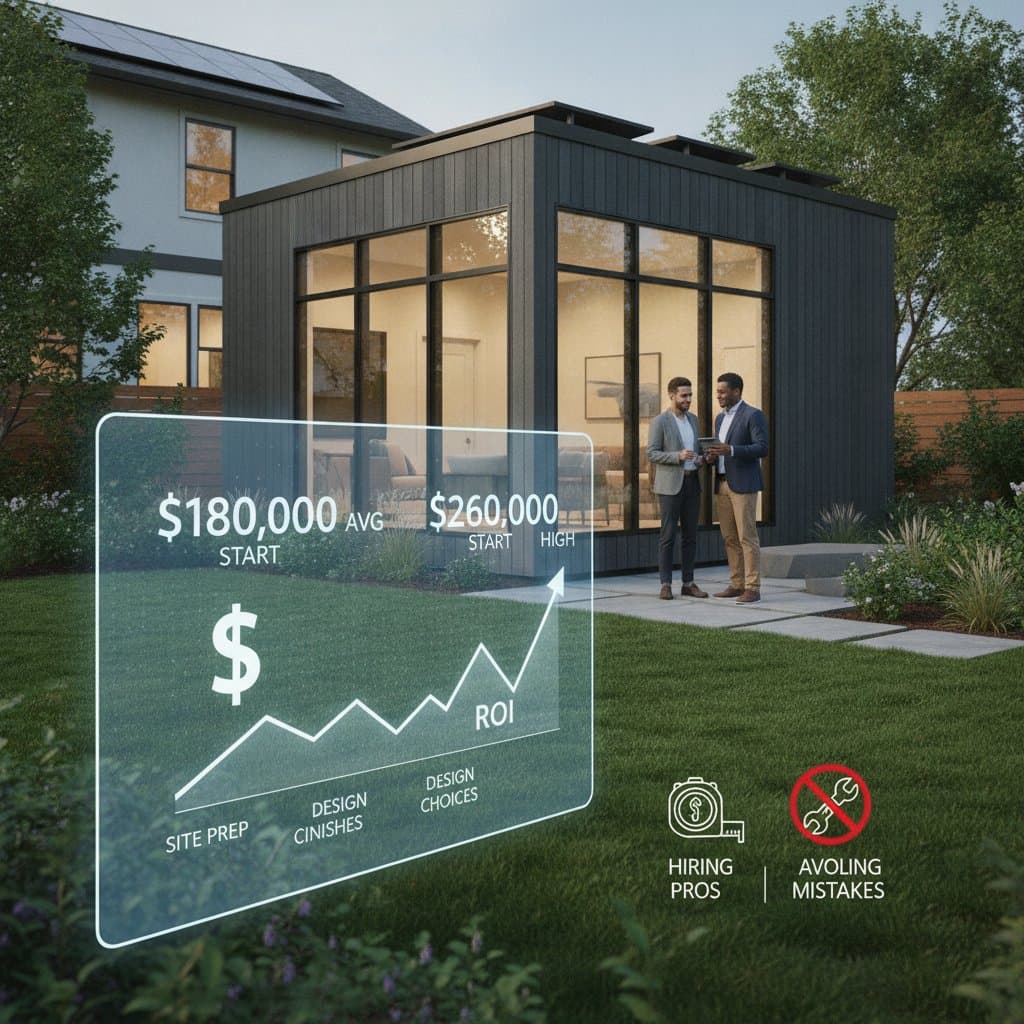
ROI or resale impact: 60 to 80 percent depending on location and rental demand
Updated: May 2026
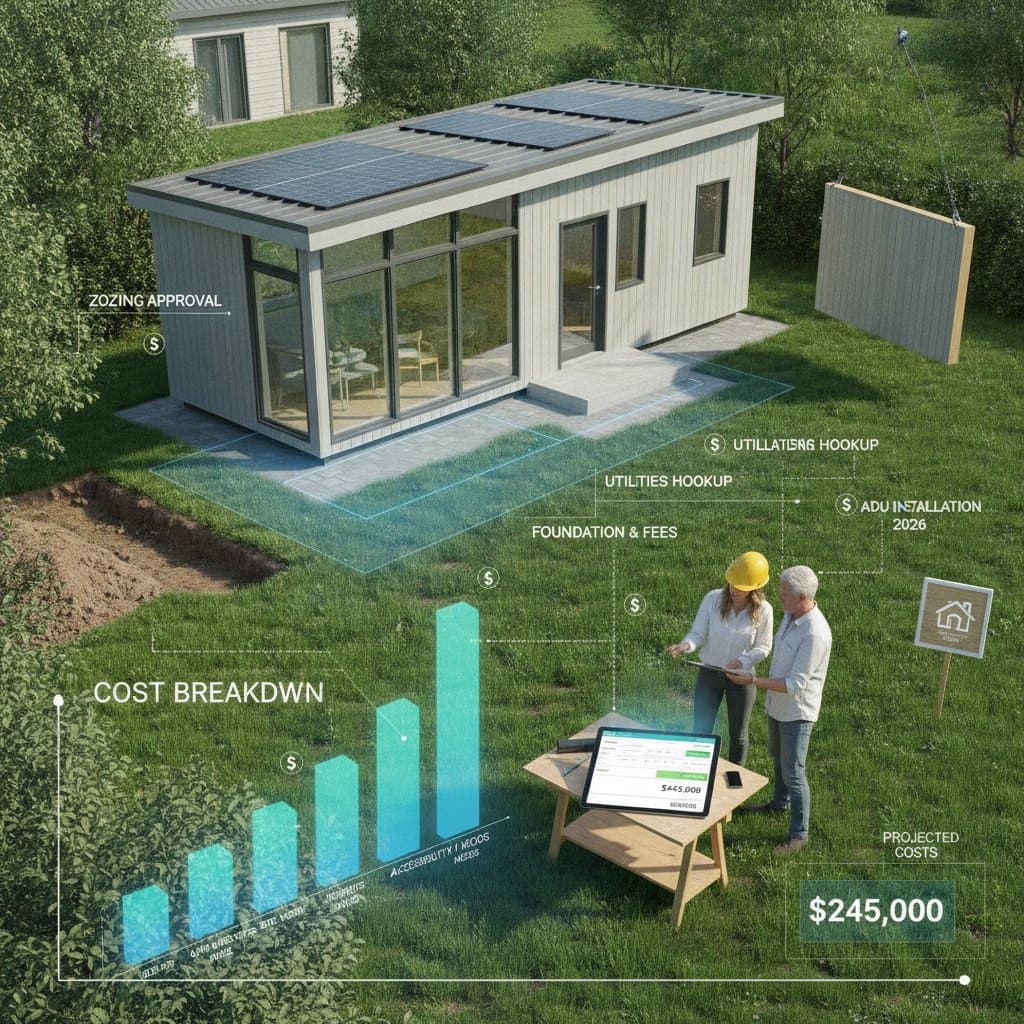
Prefab or modular accessory dwelling units are built in sections at a factory. They ship to the lot and assemble on a prepared foundation. Costs divide into four main parts that include the unit purchase, site work, delivery, and hookups.
Cost Breakdown
| Item | Unit cost | Typical quantity | Line total | Notes |
|---|---|---|---|---|
| Prefab ADU shell | $200 to $350 per sq. ft. | 400 sq. ft. | $80,000 to $140,000 | Factory build, unfinished interior optional |
| Foundation and site prep | $15,000 to $35,000 | per project | $15,000 to $35,000 | Includes grading, concrete pad or pier system |
| Delivery and crane set | $5,000 to $15,000 | per unit | $5,000 to $15,000 | Depends on access and distance |
| Utility hookups | $10,000 to $30,000 | per unit | $10,000 to $30,000 | Sewer, water, power tie-ins |
| Interior finishes | $150 to $300 per sq. ft. | 400 sq. ft. | $60,000 to $120,000 | Cabinets, flooring, fixtures |
| Permits and fees | $3,000 to $10,000 | per project | $3,000 to $10,000 | Local impact and plan review fees |
| Total typical build | — | — | $173,000 to $350,000 | Complete turnkey range |
Add-ons and Allowances
- Deck or patio costs between $4,000 and $12,000.
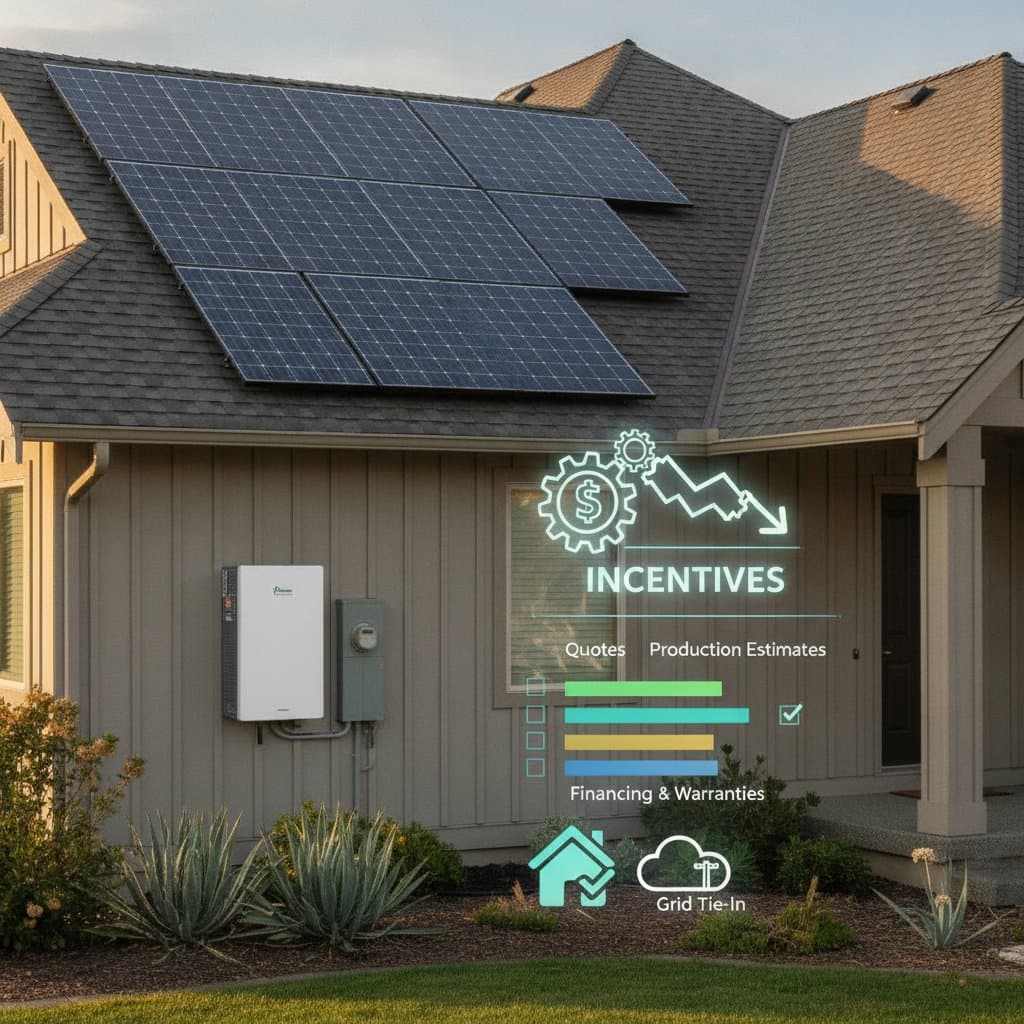
- Solar panel package ranges from $10,000 to $20,000.
- Roof upgrade for metal or composite adds $3,000 to $8,000.
- Appliance package falls between $3,000 and $6,000.
- Landscaping restoration requires $2,000 to $10,000.
Cost Factors
Scope and size affect pricing. Smaller units under 400 square feet cost more per square foot because fixed site and permit expenses remain constant. Material grade and finish also matter. Basic drywall and vinyl floors reduce expenses while upgrades such as stone counters, tile showers, or premium windows increase totals quickly.
Site conditions and accessibility play a role. Narrow driveways, steep grades, and overhead wires raise crane and delivery fees. Labor market and season influence costs as well. Regions with high construction demand or limited factory slots add premiums of 10 to 20 percent. Custom work and change orders extend timelines and add thousands to design and approval expenses.
DIY versus Professional Installation
A modular ADU build does not qualify as a traditional DIY project. The factory manages structural assembly. Nearly all site work and hookups require licensed trades.
Capable DIYers can prepare the lot by clearing vegetation or installing temporary fencing. They may also handle light landscaping or build exterior decking after inspection. Small finish upgrades such as painting or trim work become possible once the unit is placed.
Foundation pouring and leveling demand professionals. Electrical, plumbing, and gas connections require licensed trades. Craning and placement of modular sections need certified crews. Code-required inspections and final occupancy sign-off must come from qualified personnel.
Improper grading or undersized footings lead to settling. Unpermitted utility tie-ins create risks of fines or service denial. Local setback rules and zoning require verification before any order is placed. Most manufacturers void warranties when unlicensed work modifies electrical, plumbing, or structural elements. All receipts and inspection sign-offs should remain on file for coverage proof.
Strategies to Control Costs
Simplify the footprint. A rectangular 400-square-foot layout reduces transport and installation expenses compared with an L-shape that includes multiple rooflines. Standard finishes keep costs lower because factory cabinet and flooring bundles cost less than custom selections.
Batch site work by combining ADU foundation tasks with driveway or drainage projects. This approach shares equipment costs. Order early because factory queues fill quickly. Early scheduling locks in pricing before seasonal surcharges apply. Compare at least three quotes and verify that scope is itemized, materials grade and brand are listed, surface prep and cleanup are included, permit and disposal fees are covered, warranty terms and timeline are stated, and payment schedule ties to milestones.
Hiring and Construction Steps
Confirm zoning, setbacks, and service access before design selection. Choose a standard floor plan to shorten plan reviews. Ensure the quote covers delivery, setup, and utility tie-ins. Submit permits with stamped drawings and city fees handled by the builder or design team. Complete grading, foundation, and utility trenching before delivery. Units arrive by truck and receive craning onto the foundation. Licensed trades connect systems and schedule final checks. Occupancy follows sign-off, allowing furnishing, rental, or use of the space.
Payment follows a standard schedule. Ten percent serves as deposit at contract signing. Forty percent releases at factory start. Thirty percent pays at delivery. Twenty percent settles after final inspection.
Project Timeline
Factory build time runs 8 to 12 weeks. Site work adds 4 to 8 weeks depending on weather and permit timing. Delivery and setup require two to three days once the foundation is ready. Total duration spans 3 to 6 months from design to move-in.
Next Steps for Your Project
Review local regulations and gather multiple detailed quotes. Align selections with budget priorities and rental goals. Secure financing and schedule site evaluations to move forward with confidence.