Introduction to Kitchen Islands in Modern Homes
Kitchen islands serve as central hubs in contemporary kitchens, combining utility with visual appeal. These versatile additions facilitate food preparation, casual dining, and social interaction, transforming everyday spaces into efficient and inviting areas. In 2025, homeowners increasingly recognize their value in elevating property appeal amid rising real estate demands.
The resurgence of kitchen islands aligns with broader trends toward open-concept layouts and multifunctional designs. Data from recent market analyses indicate that such upgrades contribute significantly to home equity. This article examines the financial aspects, design considerations, and strategic implementation to help readers make informed decisions.
Understanding the Return on Investment
A key advantage of kitchen islands lies in their strong resale performance. Industry reports project a 60 to 80 percent return on investment for these installations in 2025, depending on quality and integration. This high ROI stems from the perceived luxury and practicality they add to properties, appealing to a wide range of buyers.
Factors influencing this return include location within the home and alignment with current design preferences. For instance, islands in urban settings often yield higher percentages due to space constraints that make multifunctional elements essential. Homeowners who prioritize durable materials and thoughtful features see the most substantial gains at resale.
To calculate potential ROI, consider the initial outlay against projected home value increase. Professional appraisers note that well-executed islands can add thousands to listing prices. This metric underscores the importance of viewing the project as a long-term asset rather than a short-term expense.
Cost Breakdown for 2025 Installations
Budgeting forms the foundation of any successful kitchen island project. Basic prefabricated models start at $3,500, encompassing simple countertops and minimal storage. These options suit smaller kitchens and provide immediate functionality without extensive modifications.
Mid-range custom islands, priced between $5,000 and $7,000, incorporate enhanced features like built-in appliances or expanded seating. High-end versions exceed $9,000, featuring premium materials such as quartz surfaces and integrated lighting. Additional expenses arise from electrical work, plumbing, or structural reinforcements, potentially adding 20 to 30 percent to the total.
Material and Feature Costs
- Countertops: Granite or quartz options range from $50 to $150 per square foot, offering durability and elegance.
- Cabinets and Storage: Soft-close drawers and pull-out shelves cost $1,000 to $3,000, improving organization.
- Seating and Fixtures: Bar stools and pendant lights add $500 to $1,500, enhancing usability.
Regional variations affect pricing, with urban areas commanding higher labor rates. Obtaining multiple quotes from certified contractors ensures competitive estimates. Allocating a 10 percent contingency fund covers unforeseen adjustments during installation.
Design and Sizing Considerations
Selecting the appropriate size prevents common pitfalls in kitchen layouts. Standard islands measure 4 to 6 feet in length, accommodating two to four seats comfortably. Measure the available space carefully, ensuring at least 36 to 42 inches of clearance around the island for safe movement.
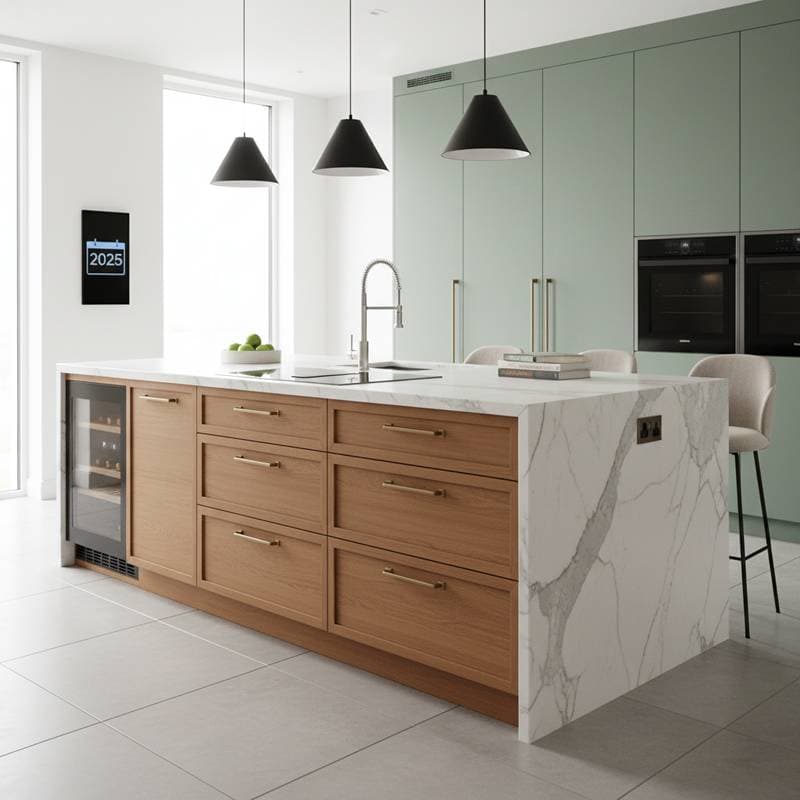
Customization tailors the island to specific needs, such as incorporating a sink for meal prep efficiency. Multifunctional designs with wine racks or charging stations appeal to modern lifestyles. Consulting a designer early identifies opportunities to integrate the island seamlessly with existing cabinetry.
Aesthetic choices influence long-term satisfaction. Neutral tones and clean lines promote versatility, while bold accents add personality. Balance form and function to create a space that supports daily routines and impresses potential buyers.
Prefabricated Versus Custom Options
Prefabricated islands offer convenience and affordability for quick upgrades. These ready-to-assemble units arrive in modular sections, reducing on-site labor to one or two days. Ideal for DIY enthusiasts, they maintain quality through standardized manufacturing processes.
Custom islands provide unparalleled personalization, crafted to precise specifications. This approach suits unique kitchen configurations and allows for innovative features like hidden outlets. Although timelines extend to four to six weeks, the result integrates flawlessly with the home's architecture.
Comparison of Options
- Installation Time: Prefab completes in 1-2 days; custom requires 2-4 weeks.
- Cost Efficiency: Prefab saves 30-50 percent over custom builds.
- Flexibility: Custom excels in adapting to irregular spaces and specific requirements.
Evaluate lifestyle and budget to choose the best path. Both options deliver value when selected thoughtfully.
Project Timelines and Implementation Steps
Planning the timeline minimizes disruptions to daily life. Initial consultations and design approvals take one to two weeks. Material sourcing follows, with delivery times varying by supplier reliability.
Installation phases include demolition if needed, followed by assembly and finishing touches. Electrical and plumbing integrations demand licensed professionals to comply with codes. Final inspections ensure safety and performance standards.
Post-installation adjustments, such as sealing surfaces, occur within days. Total projects span two to eight weeks, depending on complexity. Coordinating with contractors upfront streamlines the process and avoids delays.
Expert Tips for Maximum Value
Professionals recommend focusing on timeless elements to sustain appeal. Select materials resistant to wear, like solid wood bases with protective finishes. Incorporate energy-efficient appliances to align with sustainable trends.
Lighting plays a crucial role in functionality and ambiance. Recessed options illuminate workspaces effectively, while adjustable pendants add style. Ventilation systems prevent cooking odors from lingering, maintaining air quality.
Maintenance routines preserve the investment. Regular cleaning with appropriate products keeps surfaces pristine. Periodic inspections detect issues early, extending the island's lifespan.
Achieving Lasting Benefits Through Strategic Upgrades
Kitchen islands extend beyond aesthetics to foster family connections and streamline routines. Their high ROI reflects broad market demand for practical enhancements. By investing wisely, homeowners secure both immediate enjoyment and future financial rewards.
Review local market trends to refine choices, ensuring alignment with buyer preferences. Document the project for resale documentation, highlighting quality craftsmanship. This comprehensive approach transforms a kitchen island into a cornerstone of home value.