Why Luxury Vinyl Delivers Superior ROI Over Hardwood
Homeowners considering flooring upgrades frequently weigh aesthetics against long-term value. Hardwood flooring has traditionally symbolized luxury and boosts resale prices, yet luxury vinyl plank (LVP) flooring emerges as a compelling alternative through its innovations in cost savings and performance. This analysis reveals how LVP achieves a higher return on investment by evaluating total ownership costs, durability, and evolving market trends.
Understanding Luxury Vinyl and Hardwood Basics
Luxury vinyl plank consists of multiple layers: a durable wear layer on top, a printed design layer mimicking wood grains, a rigid core of vinyl or composite material, and a stabilizing backing. Installation options include floating click-lock systems or glue-down methods, allowing flexibility for various subfloors.
Hardwood flooring uses either solid timber planks or engineered versions with a thin hardwood veneer atop a plywood base. Solid hardwood permits multiple refinishing cycles, while engineered options offer stability in fluctuating environments. Both provide authentic wood textures, though they demand careful humidity management to prevent warping.
Maintenance differs markedly. Hardwood needs regular refinishing, sealing, and climate control. LVP requires only routine sweeping and damp mopping, minimizing effort and expense.
Breaking Down Cost Components
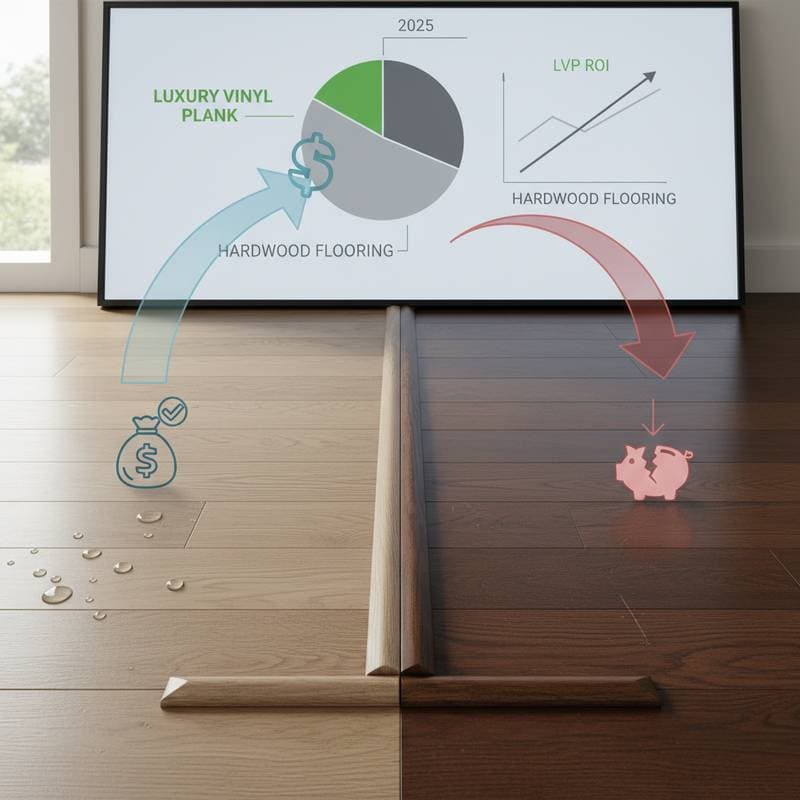
Initial costs highlight LVP's advantages. Material prices for hardwood range from $6 to $12 per square foot, with installation adding $4 to $6, totaling $10 to $18. LVP materials cost $2 to $5 per square foot, and installation runs $2 to $3, for a combined $4 to $8.
| Flooring Type | Material Cost per sq. ft. | Installation Cost per sq. ft. | Total Initial Cost per sq. ft. | Annual Maintenance Cost |
|---|---|---|---|---|
| Hardwood | $6 to $12 | $4 to $6 | $10 to $18 | $1.25 to $2.00 |
| Luxury Vinyl Plank | $2 to $5 | $2 to $3 | $4 to $8 | $0.25 to $0.50 |
LVP's click-lock design enables DIY or quick professional setup over existing floors, avoiding the leveling and finishing required for hardwood. Over time, hardwood's refinishing every 10 years escalates expenses, often doubling LVP's lifetime costs.
Installation Process Overview
The process starts with obtaining quotes from certified installers. A site assessment checks subfloor conditions, moisture levels, and preparation needs. Contractors then provide proposals detailing materials, labor, and timelines.
Installation involves removing old flooring, preparing the base, laying planks, and completing finishes. LVP setups conclude swiftly with warranties covering wear and structure for 10 to 25 years. Hardwood requires additional acclimation, sanding, staining, and sealing, extending timelines and costs.
Post-installation, inspections verify alignment and functionality. LVP's simplicity reduces disruption, allowing faster return to normal use.
Warranty Details and Coverage Gaps
LVP warranties typically span 10 to 25 years, protecting against water damage, fading, and structural failure, with exclusions for improper installation or extreme conditions. Hardwood warranties focus on defects, excluding wear, moisture issues, or humidity deviations, placing maintenance burdens on owners.
These differences matter for protection. LVP offers broader safeguards for everyday use, while hardwood demands strict adherence to care guidelines to maintain validity.
Calculating Total Ownership Costs
Beyond upfront prices, consider ongoing expenses. LVP's water resistance and scratch-proof layers eliminate repair needs in high-traffic zones, preserving cash flow. Hardwood's vulnerability to moisture and dents incurs repair or refinishing bills, plus energy costs for humidity control.
Over 20 years, LVP yields net savings of 40 to 60 percent, even factoring in slightly lower resale premiums. This efficiency frees resources for other home enhancements.
Performance and Durability Advantages
LVP's wear layers shield against scratches, stains, and UV fading, ensuring consistent appearance. Hardwood offers genuine warmth but succumbs to water spots and impacts, requiring interventions that disrupt living spaces.
In resale scenarios, LVP's like-new condition after years of use bolsters appraisals. Buyers prioritize low-maintenance options, narrowing hardwood's prestige edge.
Managing Risks Effectively
Hardwood risks include expansion from humidity or leaks, leading to gaps or cupping that demand costly fixes. LVP's waterproof core and locking mechanisms resist these issues, with damaged planks replaceable individually.
This modularity keeps repairs affordable and localized, ideal for variable climates or busy households.
Shifts in Market Trends and Preferences
Adoption of LVP surges in residential and commercial settings, driven by realistic wood visuals and practical benefits. Wide planks, embossed textures, and varied grains enhance its appeal.
Real estate professionals note buyers now favor LVP for its fit with lifestyle demands, such as pet-friendly or family-oriented homes. This acceptance boosts LVP's ROI as appraisals align values closer to hardwood.
Addressing Key Drawbacks
LVP cannot be refinished; degraded wear layers necessitate full replacement. Inferior products may show repeating patterns, undermining realism.
Hardwood faces irreversible damage from spills or sunlight, often requiring extensive repairs. Awareness of these trade-offs guides selections based on maintenance willingness and priorities.
Framework for Informed Choices
- Outline usage needs: Traffic volume, moisture risks, and style preferences.
- Tally full costs: Installation, upkeep, and repairs over time.
- Scrutinize warranties: Note exclusions and maintenance ties.
- Gauge resale impact: Review local buyer trends.
- Project longevity: Factor in replacement timelines.
This method ensures decisions blend finances with functionality.
Navigating Contract Fine Print
Warranties often limit coverage for humidity lapses in hardwood or misuse in LVP. Demand professional installation proof and seek retailer clarifications in writing to safeguard claims.
Maintenance Strategies for Longevity
Clean LVP with pH-neutral solutions and soft tools; use furniture pads to avert scratches. Hardwood calls for resealing, dehumidifiers, and expert refinishing to sustain value.
Consistent care prevents premature wear, maximizing each option's lifespan.
Maximizing Flooring Value
Balance visuals with economics for optimal results. LVP combines affordability, toughness, and versatility to outperform hardwood in comprehensive ROI.
Homeowners achieve style and savings by prioritizing total costs, clear warranties, and practical fit. This approach secures property worth and eases budgeting for enduring satisfaction.