AMS Home Guides Logo
Home
Remodeling Cost ComparisonsAbout
AMS Home Guides Logo

Your comprehensive resource for home guides, cost guides, and home warranty information.

HomeAboutAll ArticlesSearchPrivacyTerms

© 2026 AMS Home Guides. All rights reserved.

  1. Home
  2. /
  3. Home Guides
  4. /
  5. Home Water Filtration Systems Cost $900-$4,200 in 2025
Home Guides

Home Water Filtration Systems Cost $900-$4,200 in 2025

byDaniel Burnett
2025-12-12 03:39:37December 12, 2025
5 min read
Featured image for Home Water Filtration Systems Cost $900-$4,200 in 2025
2025-12-12 03:39:37
AMS - Home Guides, Cost Guides, Home Warranty

How Much Does a Home Water Filtration System Cost? EPA Rules and Safe Water Guide

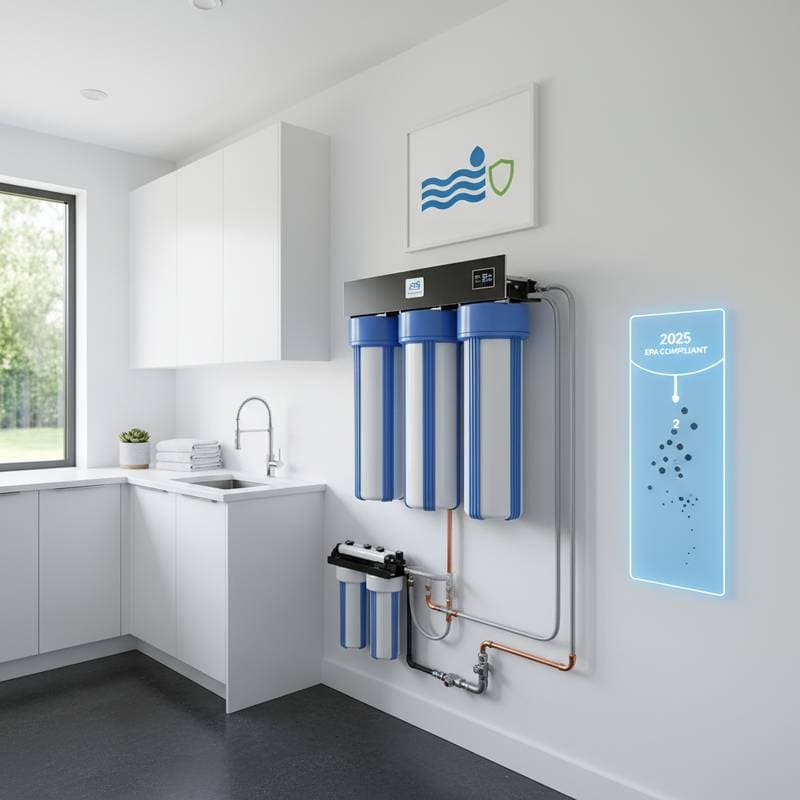
Clean water safeguards health, preserves appliances, and protects plumbing. New EPA regulations tighten standards for drinking water quality. Homeowners now seek filtration systems that remove lead, PFAS, chlorine, and other harmful substances. Professional installation of these systems costs between $900 and $4,200. Most households pay around $2,300 for a whole-home system that meets updated EPA contaminant limits.

Three main factors determine cost: system type, filtration capacity, and installation complexity. Local water quality reports and regional plumbing costs also influence pricing. The Water Quality Association states that a properly installed filtration system reduces up to 99% of contaminants. Such systems improve taste and safety. Investing in a compliant system ensures long-term protection and aligns with the new EPA water safety framework.

Detailed Cost Breakdown

Per-Unit Pricing and Averages

Whole-home systems cost $0.75 to $1.50 per square foot of serviced area. This varies based on pipe layout and water volume. Countertop filters start at $120. Under-sink reverse osmosis systems range from $350 to $950. Professional installation includes minimum service charges of $250.

At the 25th percentile, small carbon filters average $180. Mid-range systems at the 50th percentile average $2,300. High-capacity whole-house models at the 75th percentile exceed $4,000. These higher costs apply in areas with elevated water hardness or contamination levels.

Size and Scope

Each additional bathroom or fixture adds $150 to $300 to labor and materials. A three-bathroom home requires a system rated for 10 to 12 gallons per minute. Larger properties need multi-stage setups. Industry standards indicate that every 100 square feet of plumbing coverage adds roughly $80 for proper flow balance and filtration accuracy.

Material and Quality Tiers

Entry-Level: Basic carbon block filters from brands like Brita or PUR cost $100 to $300. These last three to six months. They remove chlorine and odors but not heavy metals.

Mid-Range: Reverse osmosis units from APEC or iSpring average $500 to $1,000. These remove lead, fluoride, and microplastics. They include a five-year warranty.

Premium: Whole-home systems from Aquasana or Pelican Water range from $2,500 to $4,200. Features include multi-stage filters, UV sterilization, and 10-year warranties. These deliver returns through improved appliance efficiency and reduced maintenance costs.

Complexity and Installation Variables

Accessibility challenges, such as tight crawl spaces or outdated plumbing, increase labor costs by 15% to 25%. Homes with well water require pre-filtration or softeners, adding $400 to $700. Urban labor rates stand 20% higher than rural areas due to demand and permitting. Licensed plumbers emphasize system calibration and pressure balancing for EPA flow standards compliance.

System Types and Comprehensive Pricing

Standard Systems

Standard installations include filter housing, cartridges, fittings, and basic plumbing integration. Labor requires three to five hours. Total costs fall between $900 and $1,800. These systems suit municipal water supplies with moderate chlorine or sediment.

Premium Systems

Premium packages add UV sterilization, water softening, and digital monitoring for flow and filter life. Costs range from $3,000 to $4,200, about 40% higher than standard systems. Premium options benefit homes in regions with hard water or PFAS contamination. They extend appliance life by up to 30% and reduce bottled water purchases by more than $400 annually.

Add-On Services Matrix

Add-On Cost Range Benefit
Sediment pre-filter $150-$250 Protects main filter from clogging
UV light sterilizer $400-$650 Kills bacteria and viruses
Water softener integration $800-$1,200 Prevents scaling
Maintenance contract $120-$300 per year Ensures consistent performance

Bundling add-ons saves 10% to 15% on total service cost when scheduled together.

Professional vs. DIY Installation

DIY Breakdown

DIY installation suits skilled homeowners. Materials include filter housings, carbon blocks, or RO membranes costing $300 to $800. Tools such as wrenches, tubing cutters, and Teflon tape add about $100. The job takes six to ten hours. Errors may cause leaks or pressure drops. Hidden costs like water testing kits or replacement cartridges raise total DIY expenses to $500 to $1,200.

Professional Advantages

Certified plumbers ensure correct pressure calibration, leak prevention, and warranty validation. Professionals use $2,000 or more in specialized tools and testing equipment. This saves time and reduces risk. Insurance coverage and system guarantees protect against water damage. The break-even point arrives within 18 months, as professionally installed systems last longer and operate more efficiently.

Cost-Saving Strategies

Schedule installation during off-peak seasons to reduce labor rates by 10%. Compare multiple quotes through contractor platforms for savings of 15%. Prepare by clearing access to main lines and testing water beforehand. This trims service time by up to one hour. Purchase filters in multi-packs or subscribe to manufacturer programs to cut replacement costs by 25%.

Market Dynamics and Considerations

Water filtration costs vary by region. Metro areas carry premiums of 20%. Rural markets face limited installer availability. Inflation and supply chain factors affect filter media prices, especially activated carbon and reverse osmosis membranes. Energy-efficient systems provide strong returns through lower maintenance and improved water quality ratings.

Steps to Secure Cleaner Water at Home

Upgrade to a modern filtration system as a proactive measure for compliance and safety. The latest EPA rules focus on contaminant reduction and long-term water integrity at the point of entry. Select a certified, high-efficiency system for cleaner water. This prevents equipment corrosion and supports household health for years. Early action secures lower installation costs and greater peace of mind.
You may also like

Image for Greywater Systems Cut Water Bills While Helping Planet

Greywater Systems Cut Water Bills While Helping Planet

July 16, 2026
Image for ADU Permits Drive 40% of Your Granny Pod Budget

ADU Permits Drive 40% of Your Granny Pod Budget

July 16, 2026
Image for Greywater Systems Add 5-10% Value in Dry Markets

Greywater Systems Add 5-10% Value in Dry Markets

July 11, 2026

Tagged:

Regulations,water,2025,systems,filtration,epa,water-filtration-systems

Recent Articles by Daniel Burnett

Image for Wildfire Defense Costs $3K-$18K in 2026

Wildfire Defense Costs $3K-$18K in 2026

July 17, 2026
Image for Rental Warranties Cut Landlord Repair Costs by 35 Percent

Rental Warranties Cut Landlord Repair Costs by 35 Percent

July 14, 2026

Related: Regulations

Image for ADU Permits Drive 40% of Your Granny Pod Budget

ADU Permits Drive 40% of Your Granny Pod Budget

July 16, 2026
Image for 2026 Granny Pod Costs: $55K to $195K Installed

2026 Granny Pod Costs: $55K to $195K Installed

July 8, 2026
Image for New Warranty Laws Tighten Repair Timelines for Landlords

New Warranty Laws Tighten Repair Timelines for Landlords

June 21, 2026
Image for New 2026 Home Warranty Laws Every Owner Should Know

New 2026 Home Warranty Laws Every Owner Should Know

May 26, 2026
Image for Garage Conversion Permits Change in 2026: Plan Now

Garage Conversion Permits Change in 2026: Plan Now

March 3, 2026

Home Guides

Greywater Systems Cut Water Bills While Helping Planet

Greywater recycling turns everyday wastewater into a reusable resource that lowers utility bills and conserves water. This guide covers system types, installation steps, costs, and maintenance requirements for homeowners seeking greater efficiency.

July 16, 2026

ADU Permits Drive 40% of Your Granny Pod Budget

Learn the real expenses of building a granny pod in 2026, including permit processes, zoning constraints, and site conditions. Follow practical steps for design, construction, and compliance to create a durable accessory dwelling unit.

July 16, 2026

Privacy Zones That Keep Families Close But Not Too Close

Create a multigenerational home that supports every generation through thoughtful privacy zones, accessibility upgrades, and efficient planning. Follow clear steps to manage utilities, permits, and budgets while maintaining family connection.

July 15, 2026

Protect Your HVAC From Wind, Water, and Power Surges

Protect your HVAC system before hurricane season strikes. Learn how to secure, elevate, and shield critical components from flooding, wind, and power surges. This guide breaks down permanent and temporary solutions, cost factors, safety codes, and post-storm recovery steps to keep your system reliable, efficient, and storm-ready year after year.

July 14, 2026

Multi-Gen Renovations: Real Costs and Expected ROI

Multigenerational renovations balance family needs, accessibility, and financial planning. This guide details actual costs, financing choices, and methods to protect returns while managing contractors and avoiding common scope gaps.

July 13, 2026

Greywater Systems Add 5-10% Value in Dry Markets

Greywater recycling can raise home resale value by up to 10 percent while cutting irrigation costs. With installation ranging from 3500 to 12000 dollars, these systems offer fast payback in water-restricted regions. Learn cost factors, DIY versus professional steps, and smart savings strategies that make sustainable water reuse a high-ROI upgrade.

July 11, 2026

Greywater Systems: Real Costs and Payback Timeline

Greywater recycling offers homeowners measurable financial returns alongside sustainability benefits in 2026. This guide details costs, incentives, system options, and ROI considerations to support informed decisions on installation and long-term operation.

July 11, 2026

Greywater Permits: What Most Homeowners Get Wrong

Greywater recycling reuses water from sinks, showers, and laundry to irrigate landscapes and save resources. This guide covers permits, safe installation, filtration, and maintenance essentials. Learn when DIY works, when to hire a pro, and how proper planning prevents contamination while maximizing sustainability, efficiency, and compliance with local regulations.

July 10, 2026

Flood Proofing Cuts Damage Risk by 80 Percent

Flood proofing upgrades in 2026 cost $3,000 to $25,000, averaging $11,500. Professionally installed systems can cut damage by up to 80 percent, boost property value, and lower insurance premiums for long term climate resilience.

July 10, 2026

Solar Panels Add $18,500 to New Home Build Costs

Installing solar panels on new homes in 2026 adds roughly $14,000 to $24,000, averaging $18,500 for a 6-kilowatt system. Early planning during construction cuts labor costs and boosts resale value by up to 5%. Learn how system size, materials, and timing shape your investment, payback, and long-term energy savings.

July 9, 2026

Smart Flood Proofing Costs $8,500-$38,000 in 2026

Smart flood proofing blends sensors, automation, and structural upgrades. Costs range from $8,500 to $38,000. Most homeowners spend about $19,600 for systems that cut damage risk by up to 65 percent.

July 8, 2026

Materials That Cut Wildfire Insurance Premiums in 2026

Discover how wildfire resistant materials can cut insurance premiums up to 20 percent while safeguarding your home. Learn which products qualify, what they cost, and how to retrofit safely. From Class A roofing to ember proof vents, this 2026 guide explains smart upgrades, code requirements, and maintenance tips for fire prone properties.

July 8, 2026

Cut Household Water Use in Half with Greywater Systems

Install a legal greywater system to reuse water from sinks, showers, and laundry. Compare system types, review costs from 800 to 6000 dollars, follow permit steps, and achieve up to 50 percent lower household water use.

July 4, 2026

Balance Privacy and Togetherness in One Home

Multigenerational living succeeds when homes provide both private retreats and shared gathering spaces. This guide outlines zoning checks, soundproofing methods, utility planning, and safety measures to create functional layouts that support every generation.

July 3, 2026

Flood Resilience Upgrades That Protect Your Investment

Rising flood risks require targeted home protection. This guide details 2026 flood resilience upgrades from foundation sealing to utility elevation, along with cost ranges, practical steps, and maintenance guidance to protect property and speed recovery after storms.

July 1, 2026

ADU Garage Conversions Cost $90K–$180K in 2026

Transforming a garage into an ADU creates flexible multigenerational living space without expanding the home footprint. Expect costs from $90,000 to $180,000, timelines of 12 to 20 weeks, and strict code compliance. Smart design and professional guidance add lasting comfort and value.

June 30, 2026

Multigenerational Home Conversions Cost $60K-$250K in 2026

Multigenerational home conversions cost $60,000 to $250,000, with most projects averaging $145,000. Discover how scope, materials, and location affect pricing while strategic planning improves comfort and long-term returns.

June 30, 2026

Multigenerational Homes Cost $150K-$450K to Build

Multigenerational homes cost $150,000 to $450,000 to build or convert. Explore detailed pricing, material options, and planning steps that support family living and long-term value.

June 29, 2026

Multigenerational Renovations Cost $80K-$250K in 2024

Multigenerational renovations balance comfort, privacy, and future adaptability, typically costing $80,000 to $250,000. Smart layouts, material choices, and professional planning can boost property value substantially. Learn how size, design complexity, and finish tiers shape budgets along with cost saving strategies that maximize return on investment and long term livability.

June 28, 2026

Flood Proofing Cuts Damage Risk 80% for $22,500

Flood proofing upgrades in 2026 cost 5000 to 48000 dollars and deliver strong protection, insurance savings, and higher property value. Costs depend on home size, materials, and location. Professional installation ensures compliance and durability.

June 26, 2026

Categories

Appliance & System Coverage
Cost Guides
Home Guides
Home Warranty Basics
Outdoor & Exterior Guides
Remodeling Cost Comparisons
Room-by-Room Guides