Home Warranty Costs Versus Homeowners Insurance: Addressing 2026 Coverage Gaps
Home protection plans shape financial security and daily comfort. Homeowners often confuse home warranties with homeowners insurance, leading to overlooked expenses. This analysis clarifies costs, coverage differences, and strategies to minimize repair bills in 2026.
Home warranties focus on mechanical breakdowns, while insurance handles perils like fire or theft. Annual home warranty fees range from $350 to $900, compared to $1,400 for average insurance on a standard home. These figures adjust for location, home size, and selected options.
Key influences on pricing include coverage extent, deductibles, and usage patterns. Regional factors, such as weather risks, further vary costs. Data indicates home warranties can lower repair expenses by up to 60 percent, per industry benchmarks. Combining both protections creates a comprehensive shield against unforeseen issues.
Cost Structures and Comparisons
Home warranty and insurance pricing models differ fundamentally. Warranties charge based on covered items and service frequency. Insurance premiums reflect risk profiles and property values.
Home Warranty Pricing Tiers
Basic plans cover essential appliances and systems for $350 to $500 yearly. These include one HVAC unit and standard kitchen items. Service fees per claim range from $75 to $150.
Mid-tier options expand to plumbing and electrical systems, costing $550 to $750 annually. Providers like American Home Shield offer enhanced guarantees on these plans. Homeowners filing two or three claims typically offset the premium through savings.
Premium plans address roof leaks and septic systems, priced at $900 or higher. Higher limits on parts and fewer denials justify the investment for older homes.
Homeowners Insurance Pricing Levels
Entry policies begin at $900 per year, covering basic dwelling and liability. Average plans with $1,000 deductibles cost around $1,400. Coastal or high-value homes exceed $2,000 due to elevated risks.
Deductibles span $500 to $2,500, directly impacting premiums. Lower deductibles raise annual costs but ease claim payouts. Select coverage based on savings capacity and risk tolerance.
Factors Influencing Total Expenses
Home size and features drive up both warranty and insurance costs. Additional square footage or amenities like pools require expanded protection.
Impact of Property Size
For every 500 square feet beyond 1,500, add $50 to $100 to warranty fees. Insurance premiums increase by $150 to $300 in similar increments. A 2,000-square-foot home with multiple systems might total $650 for a mid-tier warranty.
Larger properties demand more appliances and structural coverage. Assess your home's layout to estimate accurate needs. This prevents underinsurance and surprise expenses.
Coverage Quality and Add-Ons
Entry-level warranties limit parts for basic appliances, available for $350 to $450 from companies like First American. Mid-range plans at $650 include broader systems with faster service.
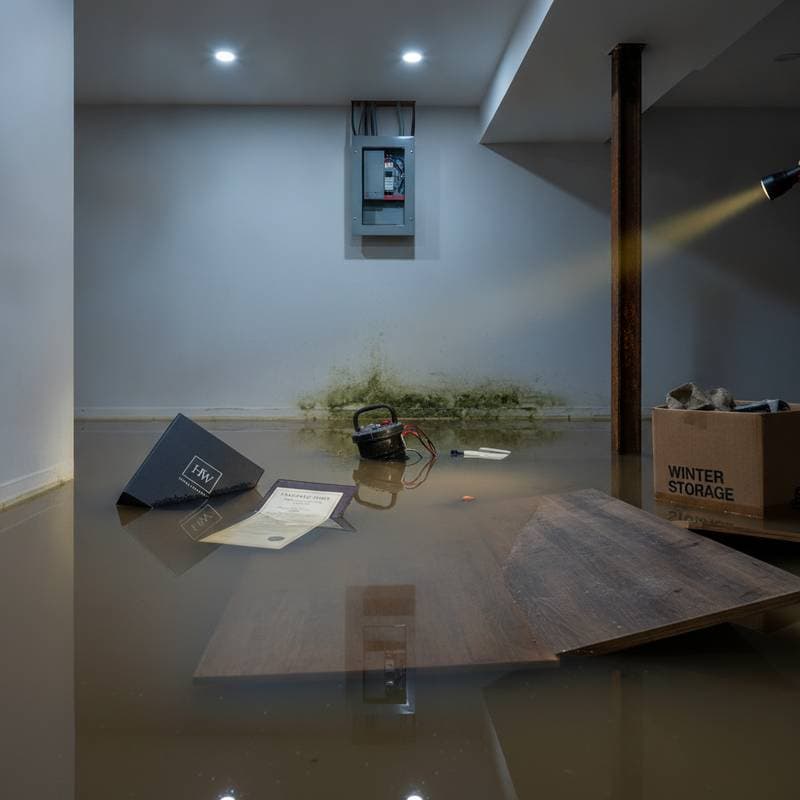
Premium warranties cover high-end components for $850 to $1,000. Insurance basics protect against fire and theft; add-ons for flood or earthquakes raise costs by 30 to 50 percent.
These tiers offer trade-offs in scope and reliability. Evaluate based on your home's age and equipment quality.
Risk and Location Adjustments
Older infrastructure, like outdated wiring, elevates warranty service fees. Insurance rates climb in high-crime or disaster-prone zones, sometimes by 40 percent.
Coastal humidity strains systems, adding 10 to 15 percent to warranties. Code compliance during repairs further increases expenses. Map local risks to tailor your plan.
Coverage Categories and Options
Understand what each plan includes to avoid overlaps or gaps.
Standard Home Warranty Components
Basic packages protect HVAC, water heaters, plumbing, electrical, and kitchen appliances. Annual costs sit at $350 to $550, with two to three included service calls.
Labor covers most repairs, though parts have caps. Newer homes benefit most from these economical options. Review exclusions to ensure alignment with your needs.
Standard Homeowners Insurance Elements
Core coverage safeguards the dwelling, personal items, liability, and temporary living costs. Expect $1,200 to $1,500 yearly for suburban properties.
This suits average replacement values without extras. Deductibles apply to claims, so balance them with your budget.
Expanded and Specialized Packages
Advanced warranties add roof leaks, pools, and well pumps for an extra $250 to $400. Claim approvals rise, cutting rejections by 35 percent.
Comprehensive insurance includes extended replacement and riders for natural disasters. Costs grow 20 to 60 percent, but faster processing and higher limits provide security.
Opt for expansions when facing high rebuild costs or unique assets.
Bundling and Supplemental Services
Pairing warranty with insurance saves 5 to 10 percent via bundled deals. Platforms like HomeServe facilitate this integration.
Add preventive maintenance: HVAC tune-ups cost $100 to $150, gutter service $75 to $125. Time these for off-peak seasons to control expenses.
Managing Coverage: Professional Versus Self-Reliance
Decide between outsourced protection and personal handling based on skills and resources.
Self-Management Expenses
Budget for common repairs: $900 for a water heater, $350 for HVAC, $200 for appliances, $500 for plumbing. Annual totals often surpass $2,000, plus tools at $150 to $300.
Time demands and diagnostic challenges compound costs. This approach requires technical knowledge and a $5,000 emergency fund.
Benefits of Professional Services
Warranties dispatch contractors within 48 hours, saving eight hours per issue. Insurance manages claims and billing, simplifying processes.
Guarantees cover up to $1,500 in workmanship. Liability and rebuild support add layers of protection. Professional plans deliver consistency and expertise.
Selection Criteria
Select professional coverage for homes over five years old or limited savings. Choose self-reliance only with recent systems and strong skills.
Weigh risks of damage escalation without prompt intervention.
Strategies to Lower Costs
Implement targeted steps to optimize spending.
Optimal Timing for Purchases
Renew outside storm or heating seasons for 10 to 15 percent discounts. Weekday claims avoid $25 to $50 weekend fees.
Align renewals with low-demand periods for maximum savings.
Effective Comparison Methods
Obtain three quotes using sites like Policygenius. Negotiate with providers offering 5 percent prepay discounts or $50 renewal credits.
Source parts directly to reduce markups by 20 percent on claims.
Maintenance for Cost Control
Perform routine tasks like filter cleaning and seal inspections. Keep records to support claims and maintain compliance.
Proactive care prevents denials and extends system life.
Regional Influences on Pricing
Urban areas incur 15 percent higher fees from elevated labor rates. Rural locations may delay service but lower base costs.
Adjust expectations based on your area's provider density and risks.
Building a Resilient Protection Plan
Integrate warranties and insurance to cover mechanical wear and sudden events. Prioritize based on home age, location, and budget.
Regular reviews ensure alignment with changing needs. This approach sustains affordability and safeguards your investment effectively.