The Hidden Limits of Your Home Battery Backup Warranty
Home battery backup systems offer reliability during outages, potential energy savings, and greater control over power usage. However, the accompanying warranties prove far narrower than initial impressions suggest. These documents often include clauses that shift substantial repair and replacement expenses back to the owner. Homeowners benefit from scrutinizing every detail to grasp the actual protections provided.
Defining What a Battery Backup Warranty Actually Covers
Standard home battery warranties protect against defects in materials and workmanship. They frequently incorporate performance assurances that specify the expected retention of storage capacity over defined periods. Manufacturers typically promise to repair or replace units that fail ahead of schedule due to these issues.
Protections divide into two primary areas. The product warranty addresses physical failures from manufacturing flaws. The performance warranty targets capacity degradation, often ensuring 60 to 70 percent retention after 10 years. Variations in testing protocols among brands, however, create opportunities for disagreement during claims.
Cost Structure and Financial Realities
Assessing a warranty demands consideration of all associated expenses beyond the core coverage. Numerous policies omit labor, shipping, and diagnostic charges. Owners might obtain free replacement parts yet face hundreds in installation fees.
Service calls typically cost between $80 and $200, while disposing of old batteries incurs additional charges. Consider this breakdown:
-
Base coverage: Free replacement of faulty parts by the manufacturer.
-
Service charges: Owner responsibility for technician time, removal, and reinstallation.
-
Shipping costs: Excluded in most cases, particularly for bulky units.
-
Inspection fees: Applied if claims fail or issues prove irreproducible.
Such factors reveal the complete ownership costs. A 10-year term impresses on paper, but recurring fees diminish its practical worth.
The Warranty Process Step by Step
Filing a claim exposes the constraints embedded in warranty language. Prepare for this outline:
-
Initial contact: Notify the manufacturer or installer with serial numbers, purchase proof, and setup information.
-
Assessment phase: Technicians or monitoring tools review data. Claims halt if performance falls within norms.
-
Approval process: Coverage applies only to verified defects under proper installation and upkeep conditions.
-
Service delivery: Approved repairs or swaps follow, subject to part stock and appointment availability.
-
Follow-up requirements: Submit logs or reports to confirm resolutions; ongoing monitoring access may prove mandatory.
Expect timelines spanning weeks. Rejected claims result in full payment for evaluations and related expenses.
Common Exclusions Hidden in the Fine Print
Exclusions represent critical warranty elements that outline unprotected scenarios. These provisions heighten owner liability in specific situations. Review these frequent omissions:
-
Improper installation: Unauthorized setups invalidate all protections.
-
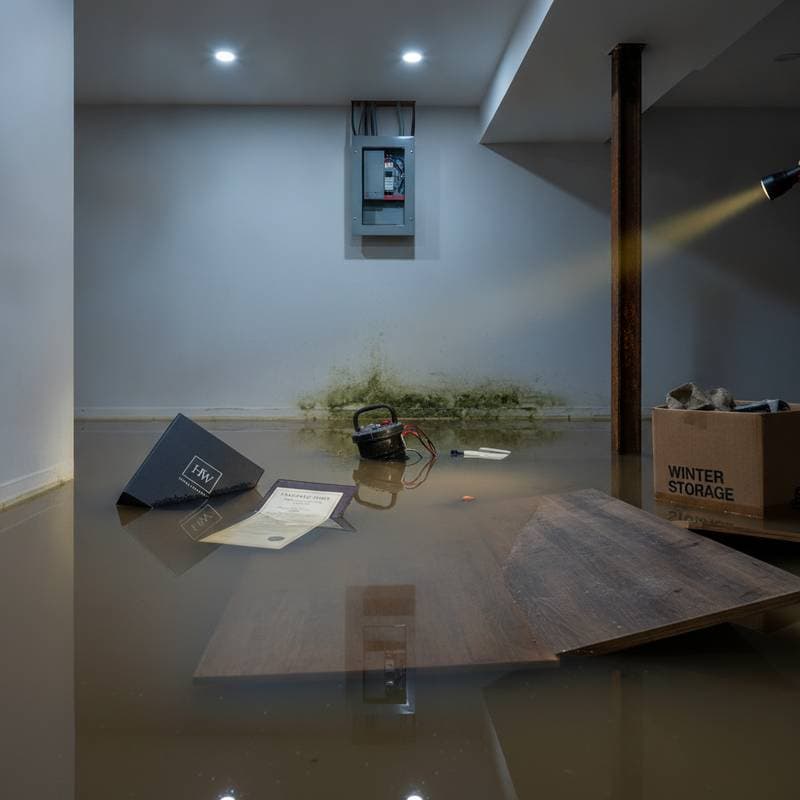
Environmental damage: Issues from moisture, corrosion, or temperature extremes fall outside scope.
-
Power surges or grid issues: Voltage spikes from external sources receive no coverage.
-
Maintenance lapses: Neglected updates or checks lead to denials.
-
Software problems: Firmware or digital faults often separate from hardware remedies.
Minor infractions, like non-approved accessories or range violations, suffice to disqualify claims.
Coverage Levels and Their Real Differences
Options for extended or premium plans expand protections at added expense. These may accelerate responses or widen safeguards, though exclusions persist. This table highlights standard variations:
| Coverage Level | Monthly Cost | Service Fee | Coverage Limits | Key Exclusions |
|---|---|---|---|---|
| Basic Plan | $10 to $15 | $75 | Up to $500 per incident | Labor, shipping, improper installation |
| Extended Plan | $20 to $30 | $50 | Up to $1,000 per incident | Environmental damage, third-party parts |
| Premium Plan | $35 to $45 | $25 | Up to $2,000 per incident | Misuse, software errors, connectivity loss |
Costs and benefits align accordingly across providers. Premium tiers reduce some burdens yet rarely erase all risks.
Financial Implications and Long-Term Value
Calculate total ownership by factoring initial outlays, upkeep, and warranty interactions. A $10,000 system paired with $300 claims fees alters projected returns. Cumulative expenses over time challenge anticipated benefits from reduced utility bills.
Performance guarantees influence finances through capacity decline. Warranties set acceptable degradation levels, but differing evaluation methods may deny remedies despite evident shortfalls. Owners then endure diminished efficiency without reimbursement.
Decision Framework for Evaluating Warranty Strength
Go beyond term length when appraising options. Use this framework:
-
Coverage scope: Pinpoint protected failure types.
-
Exclusion breadth: Tally voiding conditions.
-
Cost responsibility: Clarify owner-paid elements in claims.
-
Service process: Examine initiation and completion procedures.
-
Provider stability: Investigate financial health and claim histories.
This method distinguishes substantive commitments from promotional claims. Reliable firms with concise terms often outperform extended but convoluted alternatives.
Risk Management and Consumer Protection
High-voltage setups with integrated software demand vigilant oversight, especially amid varying regional rules. Start protection efforts with thorough records: retain receipts, setup documents, and correspondence. Capture images of serials and configurations for claim support.
Schedule regular checks and monitoring to satisfy requirements. Overlook annual reviews or data submissions, and coverage lapses entirely. Compliance fortifies positions against technical rejections.
Dispute mechanisms merit attention too. Arbitration clauses in many policies restrict court access, curbing challenge options. Familiarity upfront averts post-purchase frustrations.
Reading the Fine Print
Locate the limitations of liability section to understand payout ceilings. Caps might limit totals to purchase costs, disregarding extras like labor. Consequential loss exclusions bar recovery for outage impacts, such as food spoilage.
Compare brands on clarity in testing, timelines, and responses. Steer clear of ambiguities like reasonable use, which invite disputes. Demand explanations for unclear phrasing prior to commitment.
Securing Long-Term System Reliability
View warranties as binding agreements, not assurances. Scrutinize clauses, seek documented clarifications, and log all engagements. Supplement with independent policies addressing surges or environmental threats.
Proper management unlocks warranty potential. Acknowledge boundaries, budget for gaps, and uphold standards to maximize system longevity and performance.