Home Warranty vs Insurance: Climate Damage Coverage
Extreme weather events challenge traditional home protection strategies. Homeowners increasingly need to differentiate between home insurance and home warranties when addressing climate-related damage. This distinction proves crucial for safeguarding finances and planning for property maintenance. Coverage scope, claim procedures, and cost responsibilities form the core differences between these two systems.
Defining the Two Systems
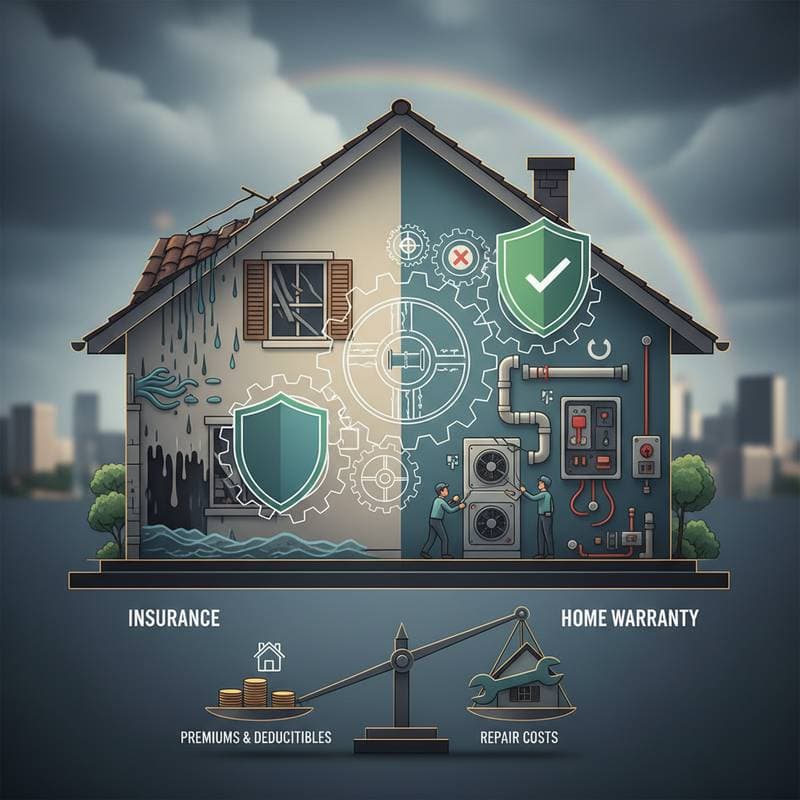
Home insurance policies protect a home's structure and personal belongings against sudden incidents like fires, theft, or natural disasters. These policies transfer financial risk to the insurer, providing compensation for major losses. In essence, they address unexpected perils that cause widespread damage.
Home warranties, however, serve as service contracts focused on repairing or replacing major systems and appliances due to normal wear and tear. They emphasize routine maintenance rather than sudden catastrophes. For climate damage, insurance covers external impacts such as storm winds or floods that harm the building itself, whereas warranties handle failures in internal components like heating systems strained by prolonged heat waves.
This separation seems straightforward, yet climate events often accelerate wear on appliances, creating overlap. For example, heavy rains might cause corrosion in plumbing, prompting disputes over whether the issue stems from external water intrusion or gradual deterioration.
Cost Structure and Financial Commitments
Home insurance costs begin with an annual premium, typically ranging from $960 to $2,400 depending on location and risk factors like hurricane exposure. Homeowners select deductibles, often $1,000 to $5,000, which they pay before coverage activates. Opting for a higher deductible lowers the premium but raises potential out-of-pocket expenses during claims.
Home warranties charge an annual fee of $400 to $800, plus a service call fee of $75 to $125 per visit. Coverage limits apply, such as $1,500 per appliance or $3,000 annually for systems. Exceeding these caps shifts remaining costs to the homeowner.
Climate events complicate these structures. A lightning strike damaging an air conditioner might fall under insurance as a peril, but if the warranty views it as an external cause, coverage denial follows. Homeowners benefit from reviewing policy fine print to anticipate such scenarios and budget accordingly.
Step-by-Step Claim Processes
Claims under each system follow distinct paths, demanding prompt action and thorough records.
-
Initial contact: Notify the insurance company immediately after an event, submitting photos, videos, and damage descriptions. For warranties, call the provider to schedule a service request, detailing the malfunction.
-
Assessment phase: An insurance adjuster visits to evaluate structural damage and compile a loss report. Warranty technicians diagnose the issue on-site, determining if it qualifies as covered wear and tear.
-
Approval process: Insurers review evidence to approve payouts based on policy terms. Warranty administrators verify against contract exclusions before authorizing repairs.
-
Service delivery: Insurance funds allow selection of any licensed contractor for rebuilding. Warranties dispatch approved providers to perform fixes within coverage limits.
-
Follow-up requirements: Insurers often request receipts for repairs to close the claim. Warranties may require proof of ongoing maintenance to prevent future denials.
These processes demand organization, particularly in the chaos following storms. Preparing a damage log in advance streamlines submissions and reduces delays.
Coverage Limitations and Exclusions
Climate damage reveals vulnerabilities in both protections. Standard insurance excludes floods, earthquakes, and mold unless riders add them, with costs rising 20 to 50 percent in vulnerable areas. Coverage applies only to sudden events; slow leaks or erosion do not qualify.
Warranties exclude external causes like power surges, pests, or rust from high humidity. They demand proof of proper installation and maintenance, which climate stress can undermine. For instance, an HVAC unit failing after a heat dome might get denied if records show skipped tune-ups.
The table below outlines typical differences.
| Coverage Type | Monthly or Annual Cost | Deductible or Service Fee | Coverage Limits | Key Exclusions |
|---|---|---|---|---|
| Home Insurance | $80 to $200 monthly | $500 to $2,000 per claim | Rebuild cost or market value | Flooding, gradual wear, neglect |
| Home Warranty | $35 to $70 monthly | $75 to $150 per visit | $500 to $2,000 per system | External damage, improper maintenance |
Financial Implications and Long-Term Value
To gauge value, homeowners should compute total annual expenses, including premiums, fees, and potential deductibles. In flood-prone zones, adding endorsements might double insurance costs, yet prevent total loss. Warranties offer predictability for repairs averaging $300 to $1,000, especially for aging systems battered by weather extremes.
Neither replaces the other; they complement effectively. A combined approach might total $1,500 yearly but avert $10,000 in unexpected fixes. Assess personal risk tolerance: those with savings buffers can afford higher deductibles, minimizing ongoing payments.
Decision Framework for Homeowners
Follow this structured approach to select coverage:
-
Assess regional climate risks. Research local weather patterns using tools like FEMA maps to identify flood or storm probabilities.
-
Evaluate system age and maintenance history. Inspect appliances over 10 years old, as they face higher failure rates under climate stress.
-
Review financial flexibility. Calculate emergency funds against average repair costs in your area.
-
Compare provider ratings and claim satisfaction. Examine sites like the Better Business Bureau for denial trends and response times.
-
Read every exclusion. Highlight sections on weather events and required upkeep to spot potential gaps.
This method shifts choices from guesswork to informed planning.
Building Climate-Resilient Coverage
Layer protections with proactive steps like elevating appliances in flood zones or installing surge protectors. Maintain detailed records of all services and upgrades to strengthen claim positions.
When damage occurs, swift policy reviews prevent coverage surprises. Homeowners who master these nuances recover faster and protect investments more effectively. Start by auditing current policies today for peace of mind tomorrow.