Does Home Warranty Coverage Extend to AI Inspection Technology Failures?
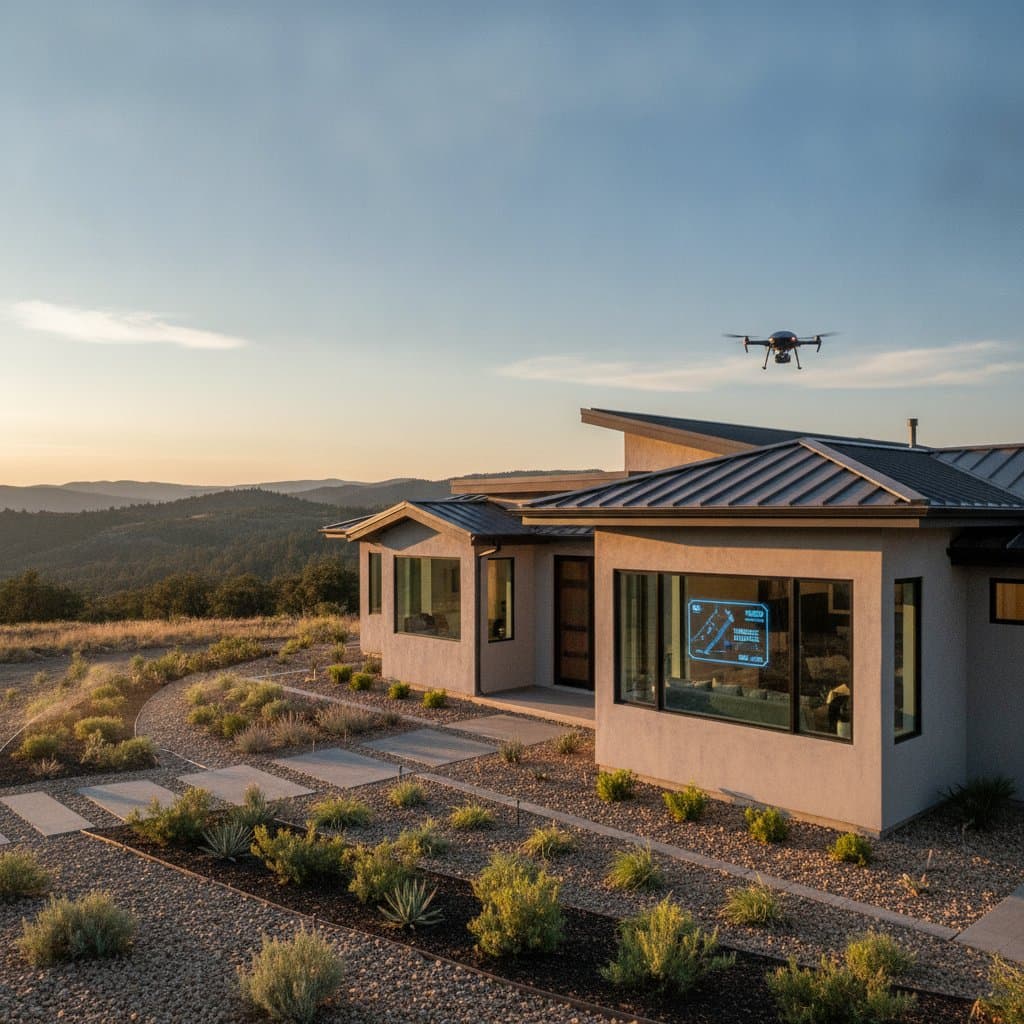
Homeowners increasingly turn to artificial intelligence for inspecting and monitoring their properties. These systems deploy sensors, cameras, and algorithms to identify issues like water leaks, electrical problems, or structural weaknesses early. However, as adoption grows, a significant coverage shortfall emerges: standard home warranties, designed before such innovations, frequently overlook malfunctions in these tools.
Components of AI Home Inspection Systems
AI inspection technology automates routine home checks through integrated hardware and software. Smart cameras detect anomalies in moisture levels or insulation efficiency, while sensor networks track shifts in foundations or HVAC performance. Many systems connect via apps to central hubs, providing real-time alerts and predictive analytics.
Failures in these setups can stem from hardware defects, software glitches, or network disruptions. Homeowners expect warranty support for repairs, yet policies rarely accommodate this hybrid nature, leading to denied claims and unexpected expenses.
Scope of Standard Home Warranty Policies
Home warranties function as contracts for repairing or replacing essential systems and appliances due to wear and tear. Coverage typically encompasses heating, cooling, plumbing, and electrical components. Policies exclude items like consumer electronics, software-dependent devices, and non-structural smart features.
AI inspection tools straddle this boundary, blending sensors with digital processing. Providers may deem them ineligible, even if listed under 'smart home' categories, which often restrict protection to basic items like thermostats or locks, bypassing sophisticated diagnostic equipment.
Pricing, Fees, and Coverage Boundaries
Plans generally feature a monthly premium plus a service fee per claim, ranging from $75 to $100. Limits include $500 per incident or annual totals of $2,000 to $3,000. For AI tools, coverage, if offered, falls under optional add-ons with narrow terms.
Consider this comparison of plan options:
| Coverage Level | Monthly Premium | Service Fee | Per-Incident Limit | Primary Exclusions |
|---|---|---|---|---|
| Basic | $45–$60 | $75 | $500 | Software faults, network issues |
| Enhanced | $70–$95 | $100 | $1,500 | Data errors, external app conflicts |
Claims for AI systems often fail due to exclusions for 'diagnostic equipment' or 'software diagnostics,' revealed only post-submission.
Steps in the Claims Process
Addressing an AI system failure involves a structured sequence with the warranty provider:
- Report the issue: Submit details via phone or online portal, confirming policy active status.
- Diagnostic evaluation: A technician inspects the problem, usually within 48–72 hours.
- Review and decision: Claims team assesses the report to approve or reject based on terms.
- Resolution execution: Approved claims trigger repairs; denials include explanation letters.
- Documentation follow-up: Retain records of maintenance to support potential appeals.
Denials peak at the review stage, with providers citing non-mechanical causes like software errors.
Typical Exclusions Leading to Claim Rejections
Policy exclusions target AI vulnerabilities directly:
- Software issues, including firmware corruption or flawed algorithms.
- Connectivity problems reliant on cloud services.
- User actions, such as unauthorized resets or modifications.
- Conflicts with third-party software or integrations.
- Conditions present before policy activation.
Providers may attribute hardware breakdowns to excluded software origins, exploiting ambiguities to uphold denials.
Cost Impacts on Homeowners
AI inspection devices range from $300 for basic sensors to $2,500 for comprehensive setups. Uncovered failures result in full replacement burdens, far exceeding partial warranty payouts.
Factor in these ownership expenses:
- Upfront acquisition and setup costs.
- Ongoing subscriptions for data processing.
- Routine calibrations and sensor checks.
- Unreimbursed repairs or full swaps.
A $1,200 leak monitor covered only to $500 leaves $700 plus fees unpaid, diminishing warranty benefits over time.
Comparing Warranty Providers for Smart Tech
Providers differ in smart device handling; few fully address AI inspections. Key evaluation criteria include:
- Precise definitions of included smart components.
- Restrictions on software or digital failures.
- Caps for individual and yearly claims.
- Prerequisites like pre-coverage inspections.
- Payout methods, such as actual cash value versus replacement cost.
Scrutinize contracts to distinguish genuine protection from promotional claims.
Strategies to Minimize Coverage Risks
Proactive steps fortify your position. Maintain detailed logs of purchases, updates, and services to demonstrate adherence to terms. Schedule regular firmware updates, as outdated software often triggers exclusions.
Supplement with manufacturer extensions or dedicated tech insurance, which target digital elements more effectively than home warranties. Test integrations periodically to preempt compatibility issues.
Scrutinizing Contract Details
Obtain complete policy documents prior to purchase or renewal. Dissect sections on exclusions, focusing on phrases like 'monitoring apparatus' or 'software-reliant systems.'
Note dispute mechanisms, including arbitration requirements, and appeal pathways for rejections. This preparation avoids surprises during claims.
Securing Layered Protection for AI Systems
AI tools enhance home oversight, yet demand balanced safeguards. Verify hardware inclusion in your warranty, then layer on specialized plans for software risks.
Consistent documentation and maintenance preserve eligibility. This integrated approach transforms potential liabilities into sustained assets, aligning technological advances with financial prudence.