Understanding Home Warranty Coverage for Airbnb Hosts
Home warranties provide a safety net for property owners, covering repairs and replacements for major systems and appliances. For Airbnb hosts, these plans address wear from frequent use, such as HVAC strain during peak seasons or plumbing stress from multiple guests. However, coverage applies only to normal breakdowns, not damage caused by misuse or neglect.
Hosts must verify that short-term rental activities qualify under the policy terms. Many providers exclude properties with high guest turnover, classifying them as commercial rather than residential. Review sample contracts to confirm eligibility and understand payout caps, which often limit reimbursements to $1,500 to $3,000 per item.
Service fees, typically $75 to $125 per claim, add up quickly with frequent issues. Hosts benefit from selecting plans that align with their property's age and equipment value, avoiding overpayment for unnecessary add-ons like pool coverage on standard homes.
Key Timelines and Response Expectations
Activation periods vary among providers, with coverage starting 30 to 60 days after purchase to prevent immediate claims on pre-existing issues. Hosts should time purchases during off-seasons to ensure protection before summer rushes.
Non-emergency repairs receive attention within one to three business days, while urgent fixes like burst pipes demand same-day service. During high-demand periods, such as heatwaves affecting air conditioning, wait times extend to two to five days, potentially disrupting bookings.
Annual inspections maintain policy validity for some companies, requiring hosts to schedule professional checkups. Renewals occur yearly, with premiums adjusting based on prior claims; low-activity hosts see stable rates, while frequent filers face increases of 10 to 20 percent.
Essential Maintenance Practices to Extend Coverage
Regular upkeep preserves warranty eligibility and prevents denials for neglect. Hosts should establish routines tailored to rental demands, documenting all activities with photos and receipts.
Routine Care Tasks
- Replace HVAC filters every one to three months to ensure efficient operation and avoid voided claims.
- Flush water heaters annually to clear sediment buildup, which accelerates corrosion in hard-water areas.
- Clean refrigerator coils twice yearly to maintain cooling efficiency amid constant door openings.
- Test GFCI outlets monthly, especially in bathrooms and kitchens prone to guest accidents.
- Run empty dishwasher cycles monthly with a cleaning agent to prevent mold and residue accumulation.
Identifying Early Warning Signs
Prompt detection of issues minimizes downtime. Watch for HVAC systems running nonstop or delivering uneven temperatures, signaling filter clogs or refrigerant leaks. Noisy water heaters or fluctuating hot water output indicate mineral deposits or failing elements.
Slow drains and gurgling sounds point to pipe blockages from guest debris. Frequent breaker trips or flickering lights suggest electrical overloads from added appliances during stays.
Deciding Between Repair and Replacement
Evaluate costs carefully: if repairs exceed 50 percent of a new system's price or involve discontinued parts, opt for replacement. Warranty caps, often around $2,000 per appliance, shift excess expenses to the host. Consult provider guidelines to maximize benefits, such as trade-up allowances for energy-efficient models.
Regional Considerations for Optimal Protection
Geographic factors influence warranty effectiveness and costs. Urban locations benefit from extensive contractor networks, yielding quicker responses and lower travel surcharges. Rural areas may incur extra fees of $50 to $100 for distant service calls, extending resolution times.
In regions with harsh winters, prioritize heating system coverage, as cold weather accelerates wear on furnaces and pipes. Humid coastal environments promote rust on appliances, justifying broader plans that include corrosion protection. Hosts in earthquake-prone zones should seek add-ons for seismic-related damages, though standard policies rarely cover natural disasters.
Premiums reflect these risks: expect 15 to 25 percent higher rates in high-cost cities like New York or San Francisco compared to Midwest suburbs.
Strategies to Integrate Warranties with Insurance
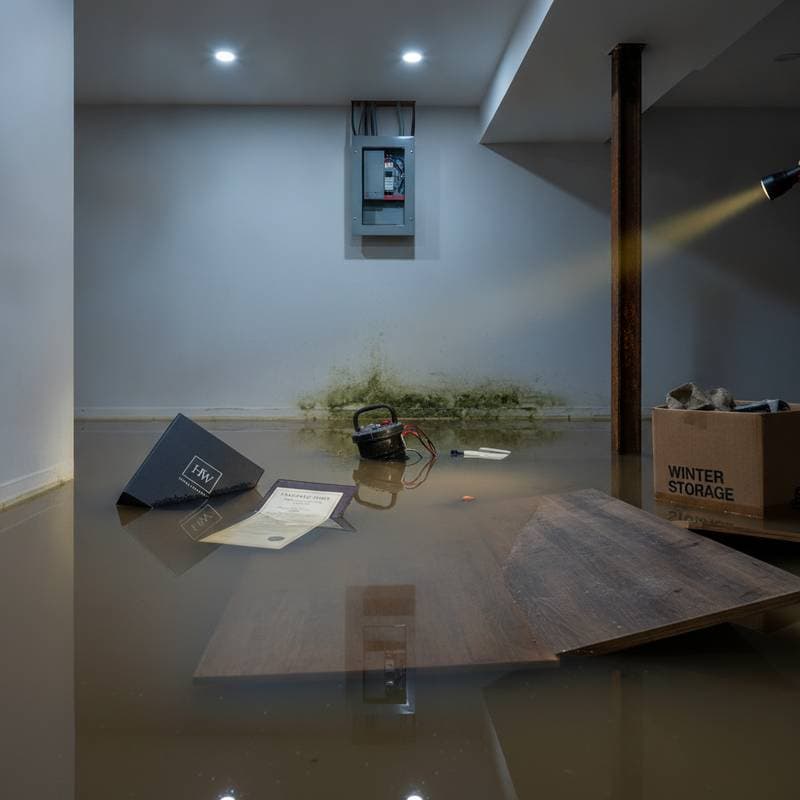
Home warranties complement but do not replace landlord insurance, which handles liability and guest-induced damages. Use warranties for routine failures, reserving insurance for incidents like flooded kitchens from misuse.
Before purchasing, scrutinize contract details: ensure rental use is permitted, limits match your assets, and deductibles suit your budget. Maintain detailed records of upkeep to support claims and demonstrate due diligence.
For multi-property hosts, centralize tracking of policy dates to renew off-peak and prevent lapses. Analyze annual claims: if service fees surpass benefits, consider a self-funded reserve, allocating 1 to 2 percent of rental income monthly for repairs.
Pair warranties with comprehensive policies covering lost income from outages. This layered approach stabilizes finances, allowing focus on guest experiences rather than breakdowns.
Building a Resilient Rental Maintenance Plan
Implement a proactive system to leverage warranties fully. Schedule seasonal deep cleans post-guest stays, focusing on high-wear areas like kitchens and laundry rooms. Train cleaning crews on basic diagnostics, such as checking for leaks, to catch issues early.
Budget for uncovered items, like cosmetic repairs or upgrades, by setting aside funds from booking fees. Periodically audit your setup: upgrade aging systems before they fail to reduce claim frequency and qualify for lower premiums.
This integrated strategy minimizes disruptions, preserves property value, and sustains profitability. Airbnb hosts who align warranties with diligent care enjoy reliable operations and fewer financial shocks, ensuring consistent five-star reviews and steady revenue streams.
Insights from Industry Data
Estimates draw from national averages, regional contractor feedback, and warranty provider documents. Actual costs fluctuate with local markets and property specifics; hosts should obtain personalized quotes for accuracy.