Spot These 7 Loopholes in Home Warranty Fine Print
Home warranties provide coverage for repairs or replacements of major systems and appliances, delivering peace of mind to homeowners. However, contracts frequently include restrictions that curtail benefits or complicate service requests. These provisions hide in dense language or supplementary documents, making financial safeguards essential. A thorough review of terms empowers individuals to sidestep costly denials during claims.
1. The Pre-Existing Condition Clause
Providers commonly reject claims by citing pre-existing conditions, defined as issues present before the policy effective date. Coverage extends only to failures from normal wear and tear after that date, with the company assessing the origin during evaluation. This determination hinges on technician findings, such as signs of corrosion or faulty installation, which tilt decisions toward denial without contrary evidence.
Homeowners face challenges proving post-policy onset without prior documentation. To counter this, capture photographs of appliances and systems at purchase, alongside professional inspection reports and upkeep logs. Such records establish a baseline, bolstering claims against provider assessments.
2. Service Fee Stacking and Hidden Costs
Plans promote affordable premiums, but service fees and extras reveal true expenses. Standard policies charge a per-call fee, with surcharges for repeated visits on one issue or off-hour services. Contracts may impose fees per inspected item, even in a single appointment, amplifying costs for complex problems.
Consider this breakdown of potential fee structures:
| Coverage Level | Monthly Cost | Service Fee | Coverage Limits | Key Exclusions |
|---|---|---|---|---|
| Basic Plan | $45 to $55 | $75 to $100 | Up to $500 per claim | Pre-existing conditions, improper installation |
| Premium Plan | $60 to $80 | $100 to $125 | Up to $1,000 per claim | Cosmetic damage, code violations |
Frequent claims could accumulate hundreds in fees annually. Inquire about fee application—per visit or per component—and policies on repeat charges before enrollment.
3. Narrow Definitions of “Covered Component”
Contracts specify covered systems like plumbing or electrical, yet definitions exclude key elements. For a water heater, coverage might omit the expansion tank or supply lines; in HVAC, thermostats and ducts often fall outside scope. These boundaries dictate claim outcomes, leaving gaps in protection.
To assess thoroughly, obtain the provider's component inventory and cross-reference it against manufacturer schematics. Assumptions of full-system inclusion prove misleading without verification. Secure written explanations for any ambiguities prior to agreement.
4. Repair-Only Limitations and Replacement Caps
Expectations of complete replacements clash with policies favoring repairs or imposing payout limits. Providers select repair over replacement if feasible, regardless of long-term viability, and cap reimbursements per incident or policy term. Depreciation factors further diminish amounts for aged items.
A $500 cap on water heater repairs, for instance, leaves owners covering excess costs beyond $1,000 for a new unit. Verify if plans provide replacement value or age-adjusted partial payments, and review annual payout totals to gauge overall limits.
5. Maintenance and Inspection Requirements
Approval demands evidence of adherence to manufacturer maintenance standards. Providers interpret lapses—like missed tune-ups—as grounds for denial, requiring submission of records during reviews. Enrollment inspections, if conducted, influence initial coverage scope.
Maintain comprehensive files with invoices, notes from technicians, and schedules to demonstrate compliance. Treat this documentation as integral to claims success, organizing it for quick access in disputes.
6. Denied Claims Based on Code or Permit Issues
Exclusions target code violations, unpermitted modifications, or regulatory upgrades. A failing system non-compliant with local standards prompts denial until corrections occur, with providers covering only the core repair, not adaptations.
Improper prior installations exacerbate risks, shifting upgrade burdens to owners. Examine the policy's code section and confirm if compliance costs qualify as covered; budget for potential self-funded improvements accordingly.
7. Limited Access and Secondary Damage Exclusions
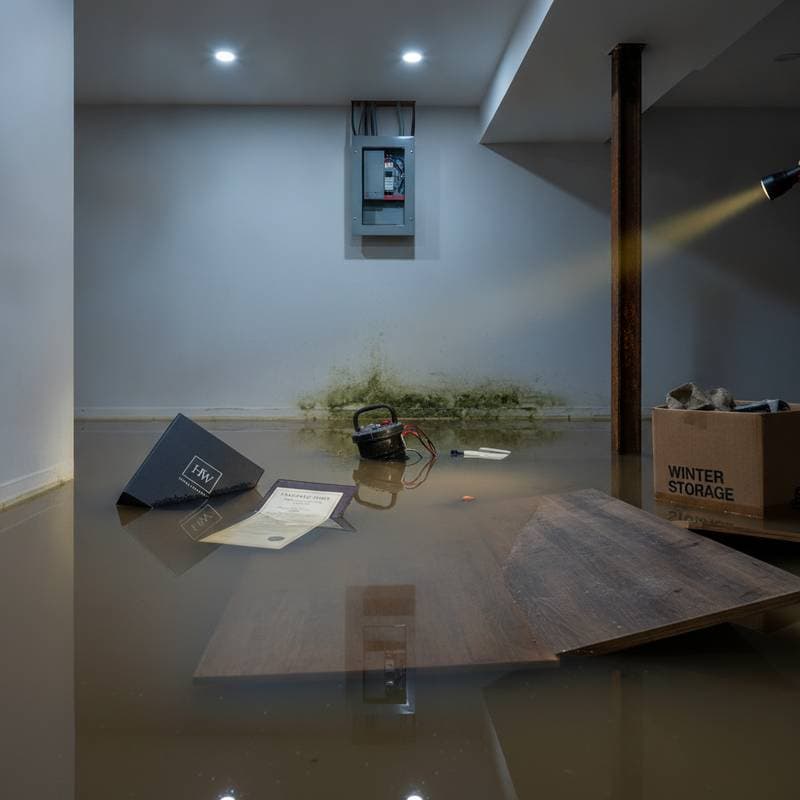
Policies address failed components but sidestep access and consequential harms. Wall breaches for pipe repairs or floor damage from leaks remain owner responsibilities, with caps even in enhanced plans.
Restoration expenses often surpass direct fixes, undermining coverage utility. Scrutinize terms for “access,” “restoration,” and “secondary damage” to evaluate practical benefits.
Strategies for Reviewing Contracts
Approach fine print systematically: pinpoint limiting clauses and simulate their impact on common failures. Request sample policies to dissect exclusions, processes, and provider controls over repairs. Track all interactions in writing to resolve uncertainties.
Compare offerings across providers, noting exclusion variances and cost implications. Factor in premiums, fees, and probable extras to compute long-term value.
Steps to Secure Reliable Coverage
Select warranties aligning actual terms with needs, prioritizing transparency over low bids. Negotiate clarifications or opt for expansive options to mitigate risks. Informed choices preserve investments and ensure dependable protection.