- Regional climate: Sun exposure, snow load, and salt air influence wear rates and exclusions.
Manufacturer and Installer Warranties
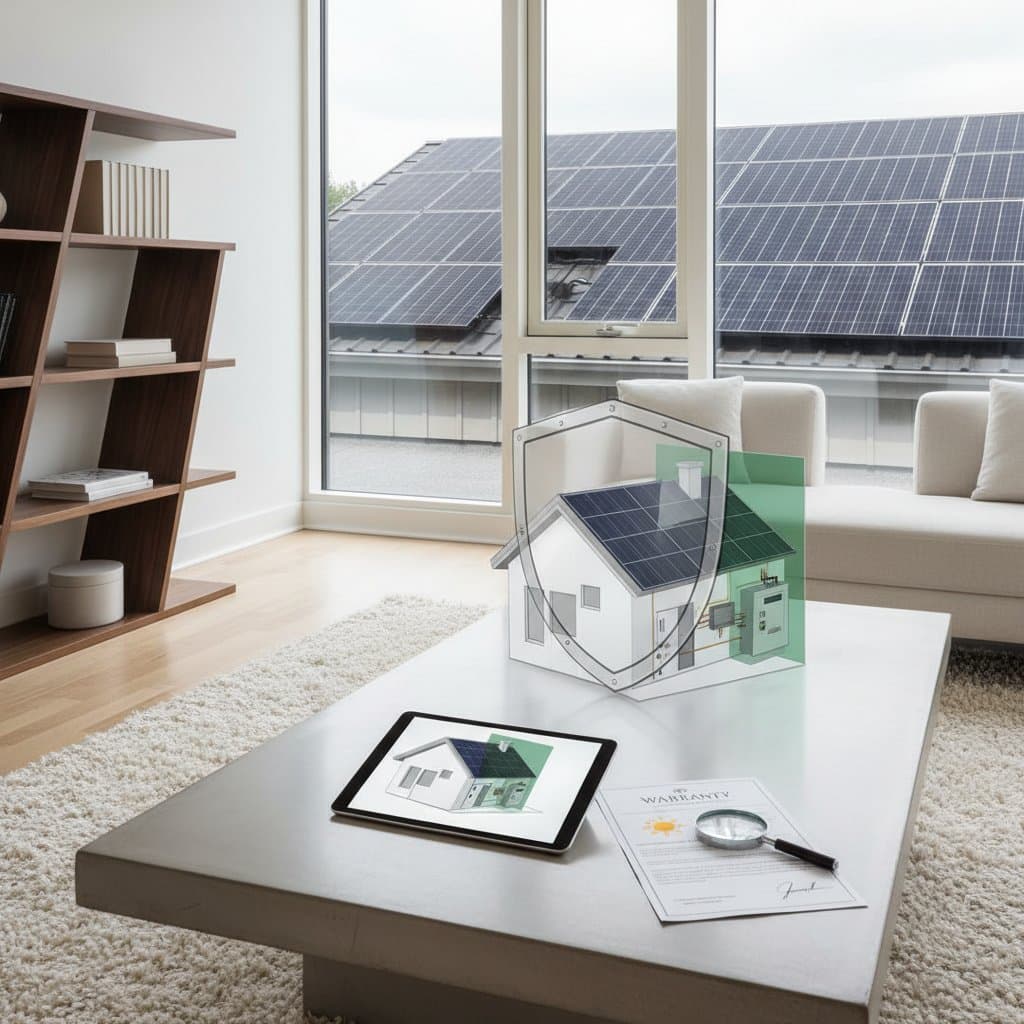
Manufacturer warranties usually last 10 to 25 years and cover defects in materials or workmanship. Some also guarantee minimum power output over time. These warranties do not address accidental damage or roof penetrations. They require original documentation and proof of proper installation.
Home Warranty Add Ons
Add on coverage extends to electrical panels and wiring connected to the solar array. Certain plans include inverter and monitoring equipment. Annual renewal keeps protection active. Direct panel replacement remains rare under these riders. Claim caps often fall below actual repair costs. Pre existing conditions or improper installation void most claims.
Lease or Power Purchase Agreements
The provider retains ownership and handles all maintenance. Performance guarantees maintain consistent energy production. Homeowners avoid separate service expenses. Ownership and equity never transfer to the resident. Early termination fees apply in most contracts. Upgrade options stay limited.
Steps to Secure Proper Protection
- Confirm manufacturer and installer warranty terms at purchase.
- Register all equipment within the required window.
- Contact the home warranty provider to add solar coverage.
- Clean panels and inspect connections at least once each year.
- Contact the correct provider first when a failure occurs.
Claim processing usually requires several days plus an inspection before repairs begin.
Tools for Routine Maintenance
- Soft bristle brush or telescoping pole
- Mild dish soap mixed with deionized water
- Non abrasive sponge
- Digital multimeter for voltage verification
- Binoculars for ground level roof checks
- Properly rated ladder
- Gloves, non slip footwear, and safety glasses
Never use pressure washers or abrasive cleaners. These tools damage panel coatings and void coverage.
Climate Specific Maintenance
Snow regions require roof rakes to clear ice dams without climbing. Coastal homes benefit from more frequent fresh water rinses to limit salt corrosion. Arid zones need quarterly cleanings to remove dust. Humid areas may require diluted vinegar solutions to control mold near mounting rails. Some policies exclude damage labeled as acts of nature.
Common Questions
Are solar panels covered under a standard home warranty? Most base plans exclude panels themselves yet may cover inverters or roof leaks through an add on.
What happens if the solar inverter fails? Repair or replacement occurs under active manufacturer or extended coverage. Without coverage, costs typically reach several thousand dollars including labor.
Can warranties transfer at sale? Manufacturer and installer warranties usually transfer with proper documentation included at closing.
Does cleaning affect warranty status? Reasonable maintenance supports coverage when performed with approved methods.
Will homeowners insurance cover storm damage? Dwelling coverage often applies. Home warranties address only normal wear failures.
Protect Long Term Performance
Track every warranty document in one location and review renewal dates annually. Newer systems often rely on built in manufacturer coverage. Older arrays or homes in harsh climates gain from added home warranty riders. Consistent attention to these details prevents unexpected repair costs and preserves energy savings over decades.