Hidden Home Warranty Exclusions That Cost $5K+
Home warranties often appear to offer comprehensive protection for household systems and appliances. In practice many policies contain exclusions that shift major repair costs back to homeowners. These gaps frequently result in unexpected bills exceeding five thousand dollars.
Understanding the most common exclusions helps homeowners evaluate contracts before signing. This knowledge supports better decisions about coverage and maintenance records.
Pre-Existing Conditions
Most policies exclude any issue present before the contract start date. Technicians inspect for signs of prior wear during service calls. Homeowners must prove the problem arose after coverage began.
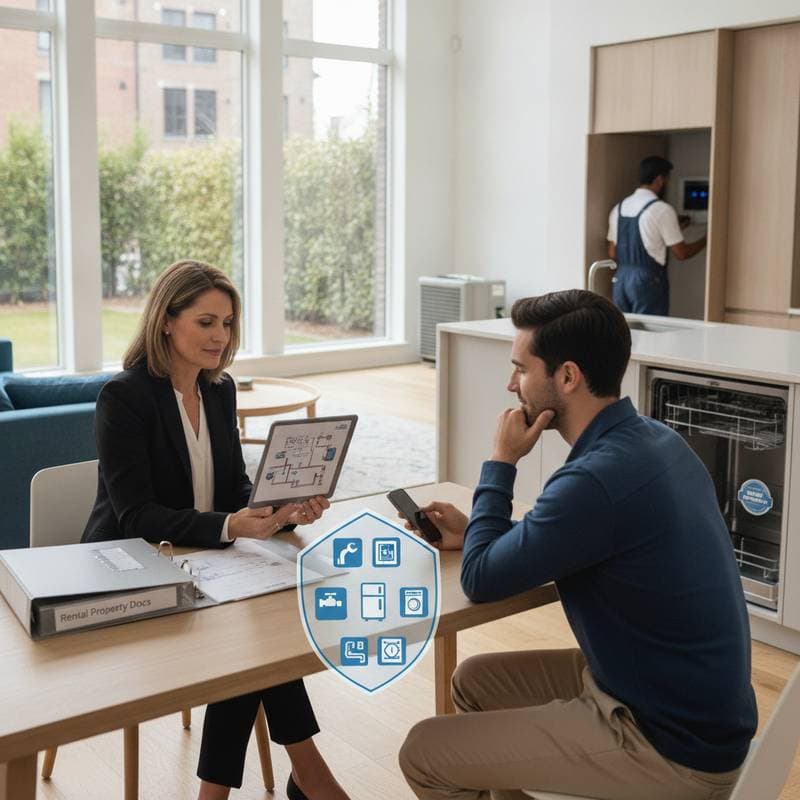
Documentation of recent inspections and repairs strengthens claims. Without such records insurers routinely deny coverage for older systems.
Code Violations and Upgrade Costs
Warranties typically cover only like-for-like replacements. They do not pay for required updates to meet current building codes. Electrical panels, plumbing lines, and HVAC installations often trigger these added expenses.
Homeowners may face several thousand dollars in out-of-pocket costs for permits and modifications. Reviewing local code requirements before filing a claim prevents surprises.
Payout Caps and Per-Item Limits
Many contracts impose maximum payouts per appliance or per year. A single high-end refrigerator repair can exhaust the annual limit. Subsequent claims receive reduced or zero reimbursement.
Reading the schedule of benefits reveals these ceilings in advance. Selecting higher coverage tiers sometimes raises limits for critical systems.
Lack of Proper Maintenance
Policies require proof of routine upkeep for covered items. Missed filter changes, annual tune-ups, or neglected drain cleaning can void protection. Service records must align with manufacturer guidelines.
Creating a maintenance calendar and retaining receipts supports future claims. Insurers request these documents when processing larger repairs.
Cosmetic and Secondary Damage
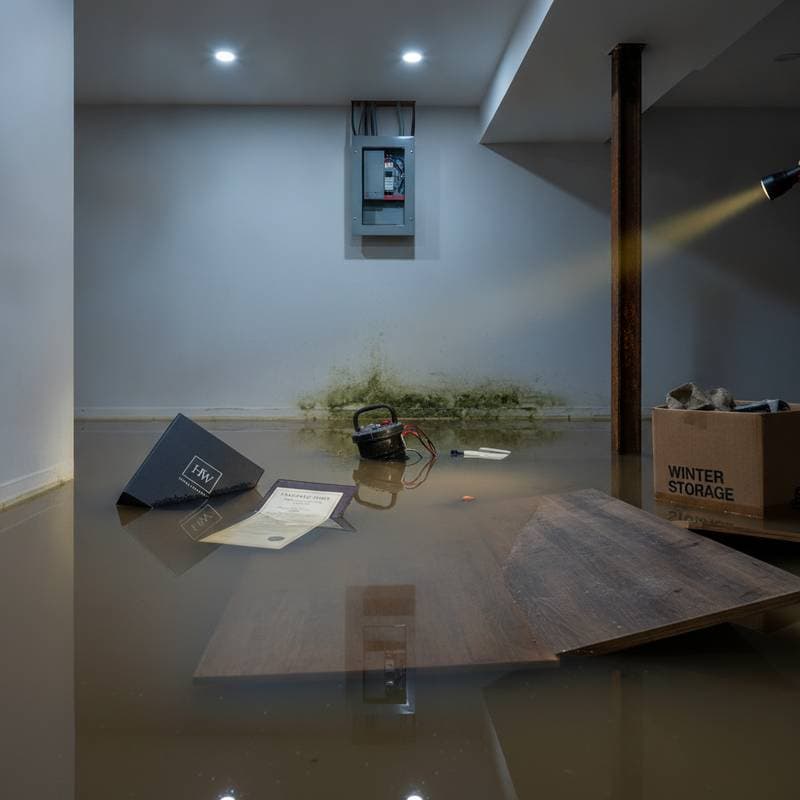
Coverage usually stops at the failed component itself. Resulting harm to floors, walls, or surrounding finishes falls outside the policy. Water leaks from a covered water heater may require separate restoration work.
Homeowners should inspect ancillary areas during any repair visit. Separate insurance riders address consequential damage when needed.
How to Review a Contract Thoroughly
- Request the full policy wording before purchase rather than relying on marketing summaries.
- Highlight sections on exclusions, limits, and maintenance obligations.
- Compare waiting periods for different system categories.
- Ask the provider for written clarification on ambiguous items.
- Consult recent customer claim outcomes for the same policy type.
Steps After Discovering a Gap
Gather all service invoices and inspection reports related to the affected item. Contact the warranty administrator with specific questions about the denial reason. Consider obtaining a second opinion from a licensed technician to document the failure cause.
When exclusions apply, explore manufacturer extended warranties or specialized appliance coverage as alternatives. These options sometimes fill gaps left by standard home warranty agreements.
Maintaining Long-Term Protection
Schedule professional servicing at recommended intervals for every covered system. Store all receipts and technician notes in a single accessible location. Revisit policy terms each renewal period to confirm limits still match household needs.
Consistent record keeping and proactive contract review reduce the likelihood of large uncovered expenses.