Home Elevation Costs: A Guide to Flood-Proofing and Permit Pricing
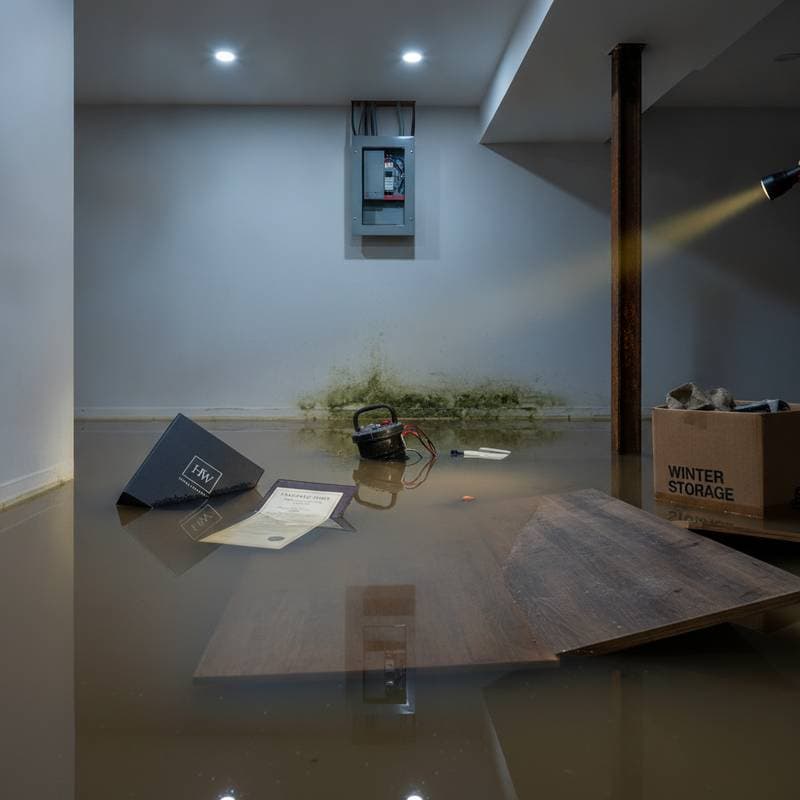
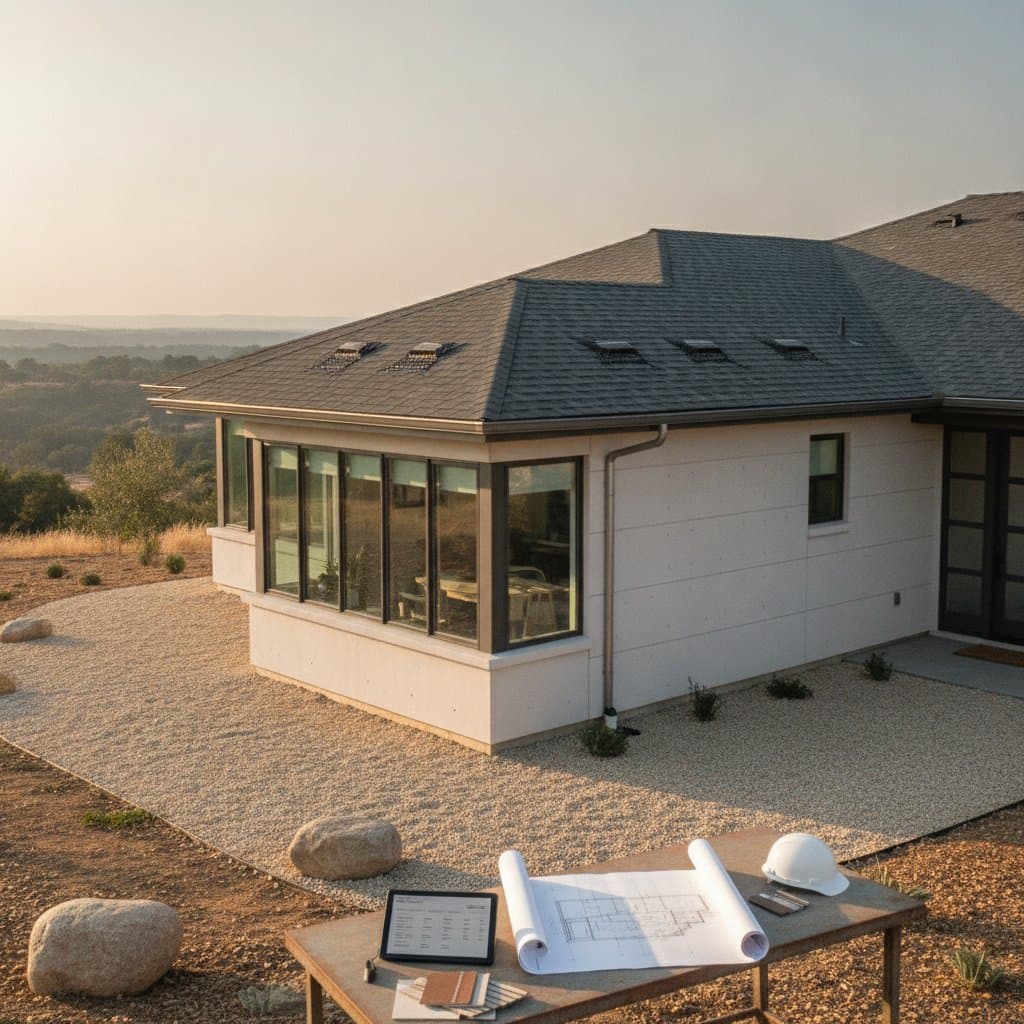
Home elevation converts flood-prone properties into secure, resilient homes that safeguard families and assets. The expense for professional elevation ranges from $90,000 to $210,000, with an average of $145,000 for projects that encompass permits, structural lifting, and foundation reconstruction.
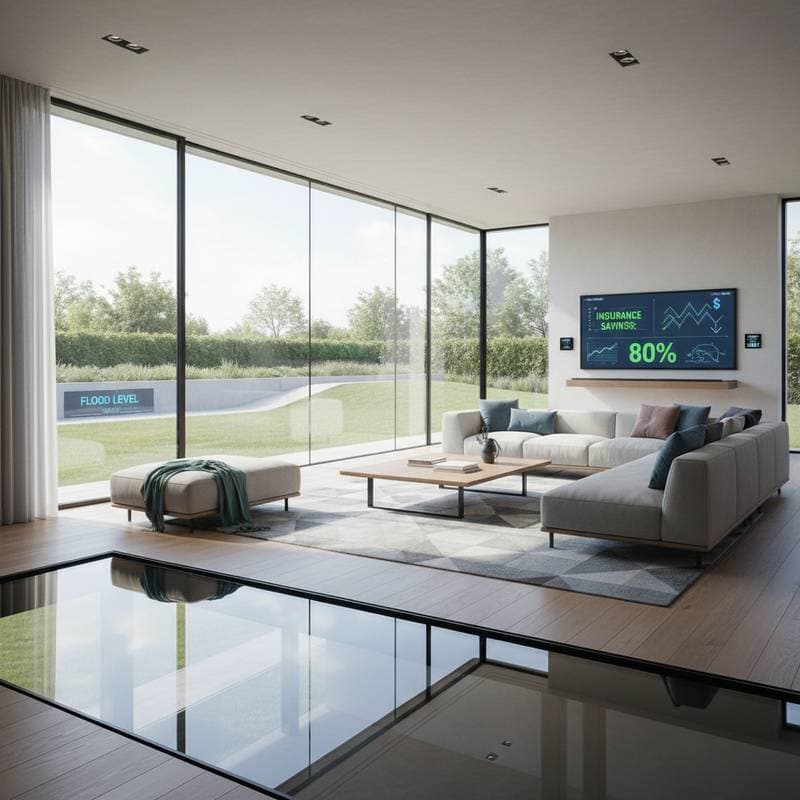
Three primary elements shape the overall expense: house size, foundation type, and local permit mandates. Homes with greater square footage, masonry foundations, or intricate designs demand advanced equipment and additional labor. In flood-vulnerable areas such as coastal regions, extra engineering and regulatory compliance may increase costs. Elevation not only qualifies for substantial reductions in flood insurance—up to 80 percent as noted by the Federal Emergency Management Agency—but also elevates property value over time.
Service Packages and Detailed Pricing
Basic Elevation Package
This foundational option covers essential steps to raise the home to floodplain standards. It includes a structural evaluation and engineering designs, hydraulic lifting with beam support, elevation to the mandated height, new foundation construction, and initial site restoration.
Projects under this package last four to six weeks, subject to weather conditions and regulatory reviews. Pricing falls between $95,000 and $150,000 for homes up to 2,000 square feet. Such services fit properties that align with current elevation regulations without needing extensive alterations.
Premium Elevation Package
Advanced packages build upon core services by incorporating deeper foundation supports like piling or piers, new access features such as staircases and decks, utility system rerouting, and flood-resistant venting with improved drainage.
These additions increase costs by 20 to 40 percent, resulting in totals from $160,000 to $210,000. The elevated investment yields benefits through enhanced insurance eligibility and minimized future flood threats. Properties in areas designated for repeated flooding often require this level to qualify for Federal Emergency Management Agency assistance programs.
Supplemental Services and Bundling Benefits
| Service | Cost Range | Bundling Discount | Description |
|---|---|---|---|
| Architectural redesign | $5,000 - $12,000 | 10% | Essential for multi-level structures |
| Utility system elevation | $3,500 - $7,000 | 15% | Safeguards HVAC and plumbing |
| Sewer and water links | $2,000 - $4,000 | 10% | Ensures code compliance |
| Foundation waterproofing | $3,000 - $8,000 | 12% | Enhances durability against moisture |
Integrating these options during the main project unlocks savings of 10 to 20 percent via consolidated contractor rates and unified inspections. This approach streamlines the process and avoids sequential disruptions.
Evaluating Professional Services Against DIY Approaches
DIY Expense Overview
Minor adjustments for outbuildings like sheds might suit skilled individuals, but full home elevation involves significant technical challenges. Core materials—steel beams, hydraulic jacks, and support cribbing—surpass $45,000 in cost.
Equipment rental for lifting mechanisms reaches $1,200 daily, while permits and oversight add $5,000 to $10,000. DIY efforts necessitate robust safety equipment, excavation implements, and a team of at least four assistants. Overall estimates climb above $60,000, excluding risks of structural harm or remedial expenses. Resources like online communities and video tutorials highlight common oversights in timing and accuracy, often resulting in foundation shifts or fractures.
Benefits of Professional Expertise
Engaging licensed specialists accelerates completion by 60 percent and guarantees structural reliability. These firms maintain extensive liability coverage and specialized flood protections, shielding clients from mishap liabilities.
Access to precise tools, such as coordinated hydraulic arrays and laser alignment systems, ensures flawless execution. While initial outlays appear higher, professionals mitigate expensive revisions. Comparative assessments indicate savings of $25,000 to $50,000 by preventing inspection failures or damage repairs that plague amateur attempts.
Strategies to Minimize Elevation Expenses
Seasonal and Scheduling Tactics
Contractor rates decrease by 10 to 15 percent in slower periods when availability exceeds demand. Opting for midweek starts lowers overhead for heavy machinery rentals. Planning ahead of peak weather events circumvents inflated emergency pricing.
Vendor Selection and Negotiation
Obtain quotes from a minimum of three providers via established directories to benchmark pricing. Structured payments in phases can yield discounts for prompt settlements. Procuring bulk materials like concrete or reinforcement from local vendors trims expenses by up to 8 percent.
Pre-Project Preparations
Owners can contribute by clearing the site, removing vegetation, or isolating basic utilities prior to crew arrival. These preparations cut costs by $2,000 to $5,000. Defining precise elevation specifications and access requirements upfront prevents mid-project adjustments that extend timelines and fees.
Securing Long-Term Returns on Elevation
Elevation stands as a strategic upgrade that fortifies homes against flooding while delivering financial advantages. Substantial insurance reductions offset initial investments within years, and enhanced resilience appeals to future buyers. By selecting appropriate packages and leveraging savings methods, homeowners achieve durable protection and value appreciation that endures.