Current Granny Pod Costs and Zoning Rules for 2026
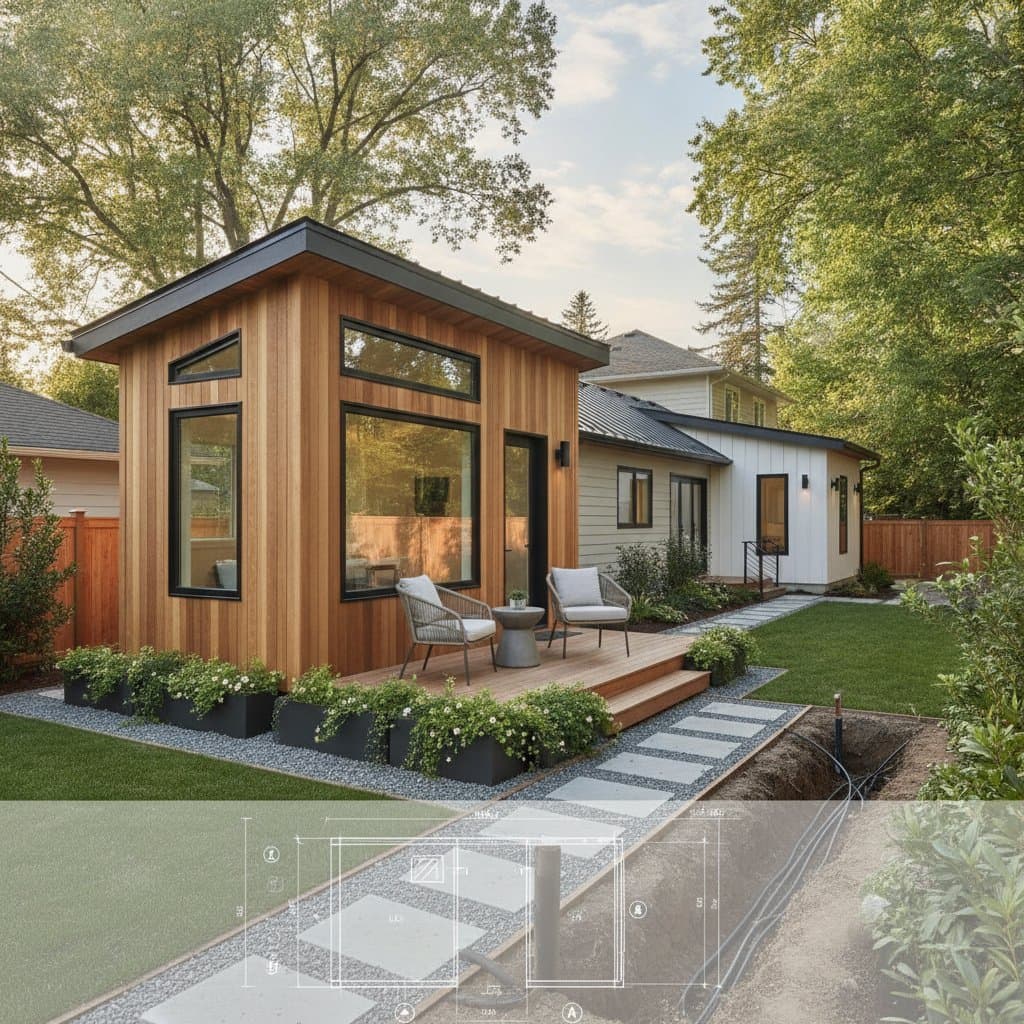
Granny pods, also called backyard cottages or accessory dwelling units, are small self-contained homes built on the same lot as a primary residence. Homeowners add them for aging parents, adult children, or rental income. The main questions focus on cost and the rules that control location and construction.
What a Granny Pod Is and When to Use It
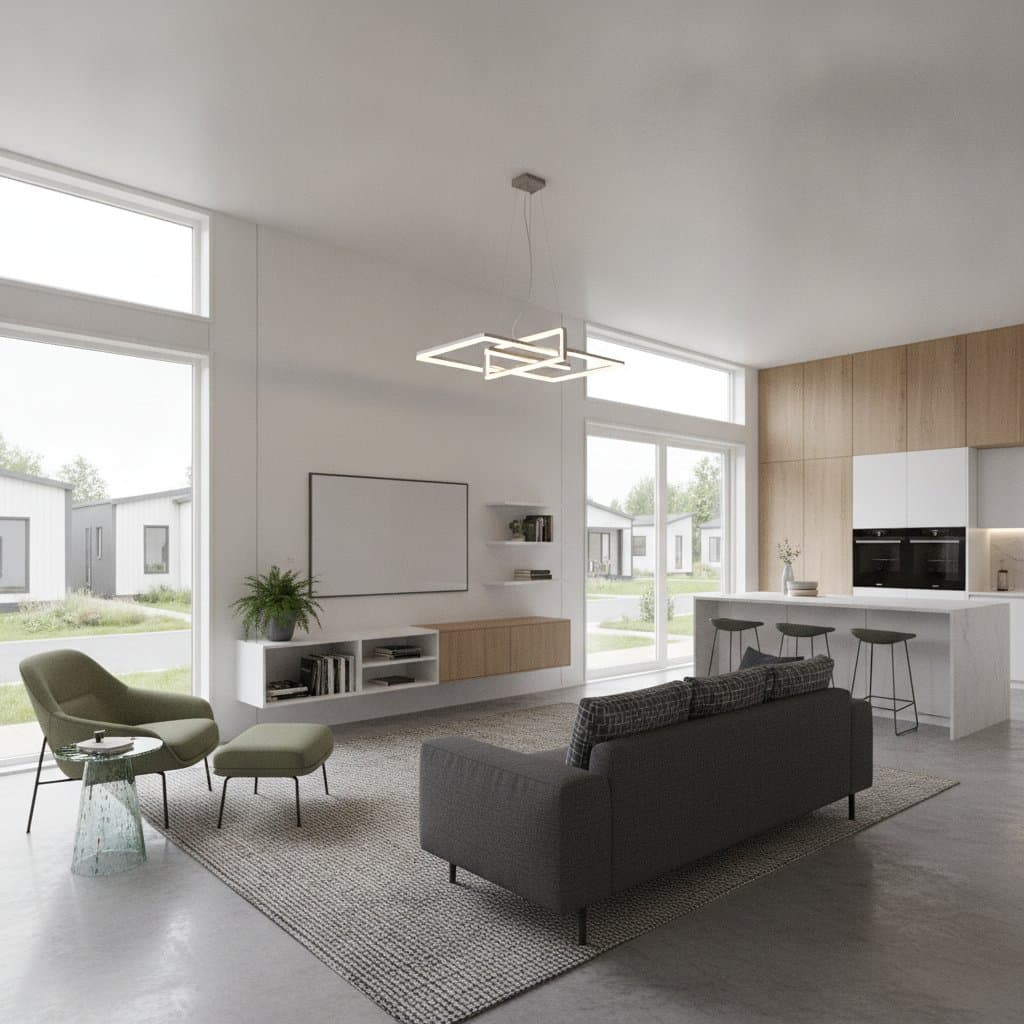
A granny pod is a detached structure with its own kitchen, bathroom, sleeping area, and utilities. Most range from 250 to 900 square feet. They can be stick-built, modular, or prefabricated. They work best when the homeowner has enough lot space, proper setbacks, and a clear need for independent living space close to the main house.
A good fit is a level lot with utility access within 50 feet and zoning that allows an ADU or secondary structure. Poor fits include sloped terrain, septic limits, or deed restrictions against multiple dwellings.
Pros, Cons, and Best-Fit Scenarios
Pros
- Keeps family close while maintaining privacy
- Adds resale value and potential rental income
- Can qualify as accessible housing with universal design features
Cons
- High upfront cost compared to a room addition
- May trigger property tax reassessment
- Requires permits and sometimes neighborhood approval
Best Fit
Use a granny pod when independence and proximity both matter. It suits families caring for older relatives or owners seeking flexible living space that can switch to rental use later.
Cost Breakdown and Price Drivers
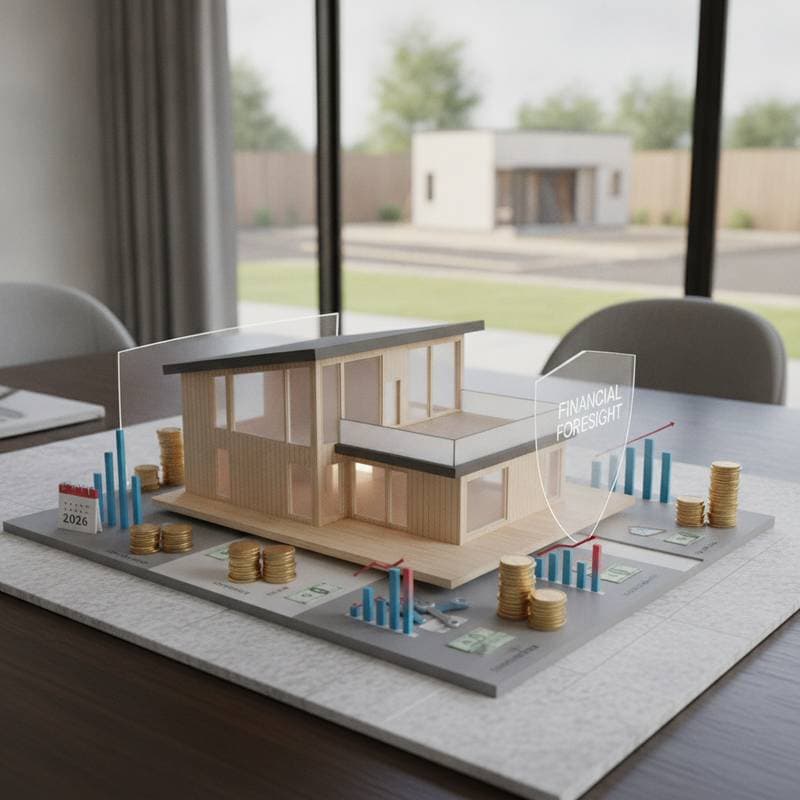
The total cost depends on materials, complexity, and site work. Modular units run cheaper than custom builds. Hookups for sewer, water, gas, and electric often add thousands.
| Scope item | Material cost range | Labor cost range | Total range | Notes on drivers |
|---|---|---|---|---|
| Site prep and foundation | $8,000 - $18,000 | $5,000 - $12,000 | $13,000 - $30,000 | Grading, slab, or pier foundation |
| Structure shell | $35,000 - $75,000 | $20,000 - $50,000 | $55,000 - $125,000 | Modular units trend lower |
| Interior systems and finishes | $25,000 - $45,000 | $20,000 - $40,000 | $45,000 - $85,000 | Cabinets, flooring, fixtures |
| Utility connections | $5,000 - $20,000 | $3,000 - $10,000 | $8,000 - $30,000 | Long runs cost more |
| Permits and design | $2,000 - $10,000 | - | $2,000 - $10,000 | Depends on local fees |
Typical total range is $90,000 to $280,000. Higher-end units use full kitchens, tile baths, and upgraded insulation. Lower costs apply when utilities are close and finishes are basic.
Step-by-Step Process and Timeline
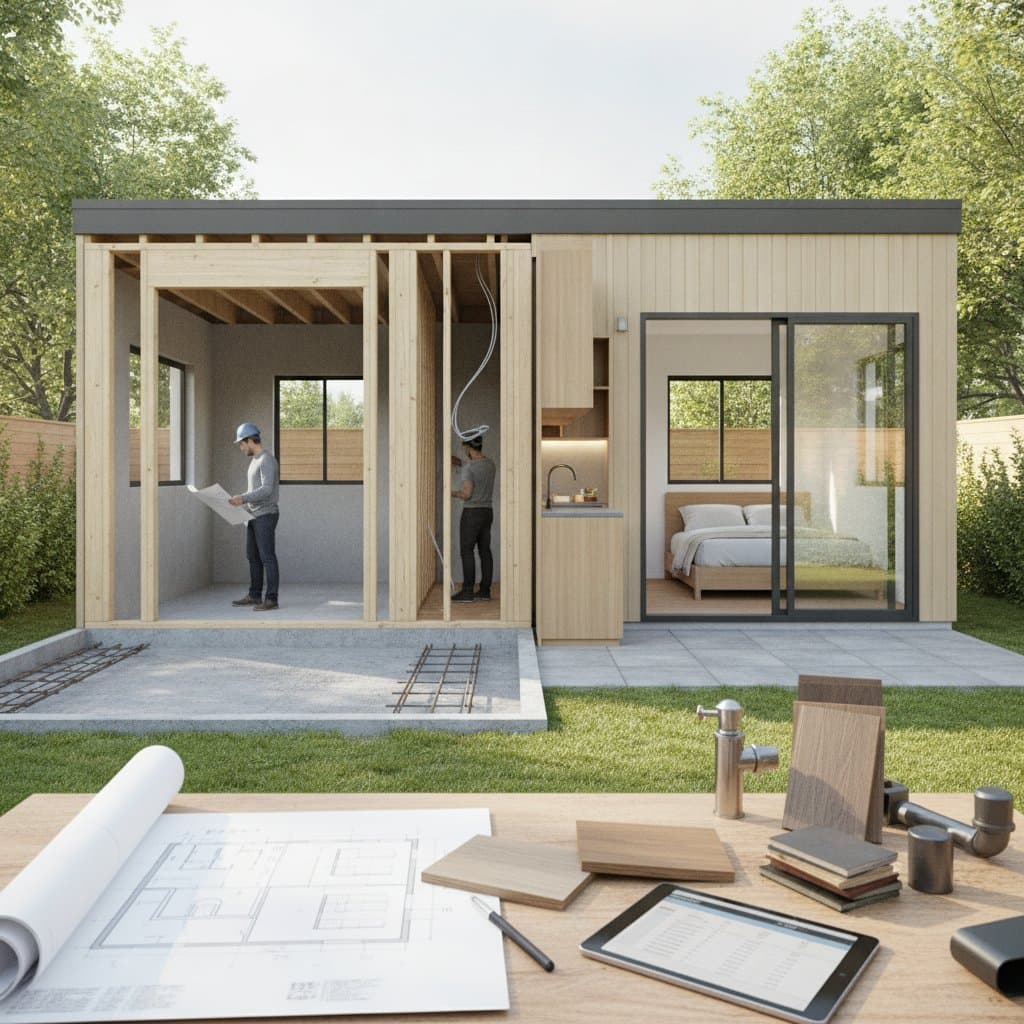
- Confirm zoning and setbacks with the local building department.
- Hire a designer or select a pre-approved ADU plan.
- Apply for permits including site, structural, and utility.
- Prepare the site and pour the foundation.
- Build or install the unit.
- Connect utilities through inspected trenches.
- Schedule final inspection before occupancy.
Professional builds take 8 to 16 weeks from permit approval. DIY shell kits can stretch longer depending on weather and skill.
Zoning, Permits, and Code Rules
Zoning rules control location, height, and occupancy. Most areas require minimum lot size and rear or side setbacks, one off-street parking space per unit, connection to municipal utilities or approved septic, and egress windows, smoke alarms, and GFCI outlets in wet areas.
Permits often include building, electrical, plumbing, and mechanical. Some regions allow fast-track ADU permits if you use a pre-approved plan. Always confirm before ordering materials, since unpermitted structures can face stop-work orders and fines.
Common Mistakes to Avoid
- Skipping a survey and later discovering setback violations
- Forgetting to budget for utility trenching or transformer upgrades
- Using non-rated electrical or plumbing materials
- Ignoring accessibility needs such as 36-inch doorways and zero-step entries
Maintenance and Lifespan
A well-built granny pod lasts 40 to 60 years with standard upkeep. Check roofing every two years, clean gutters twice a year, and inspect GFCI outlets and smoke alarms monthly. Repaint exterior surfaces every five to seven years to protect siding and trim.
Pro vs DIY Decision Rules
Use the DIY Gate to decide. Skill fit requires basic carpentry and wiring ability. Safety risk is medium to high due to structural and electrical work. Tool availability includes framing tools, saws, nailers, and trenching gear.
Readiness Checklist
- Verify lot size and utility access
- Review local zoning for ADU allowances
- Obtain a site survey for setbacks
- Secure financing that covers permits and connections
- Select plans that meet code requirements
Next Steps for Your Project
Start with a call to the local building department to confirm rules. Then compare modular options against custom quotes. This approach keeps the project on budget and compliant from the first day.