Multigenerational Living: Balancing Privacy and Shared Spaces
Multigenerational living combines households across age groups in one property. This arrangement lowers individual housing costs while creating opportunities for daily support. Success depends on clear boundaries that preserve personal space alongside shared routines.
Assessing Family Needs and Privacy Requirements
Begin by listing the daily patterns of each adult. Note preferred quiet hours, cooking schedules, and mobility needs. Record these details in a shared document so every participant sees the same expectations.
Private suites with separate entrances and full bathrooms reduce friction. Add a compact kitchenette in each suite when local codes allow. These features let residents maintain independence without duplicating every appliance in the main kitchen.
Planning Layouts for Shared and Private Areas
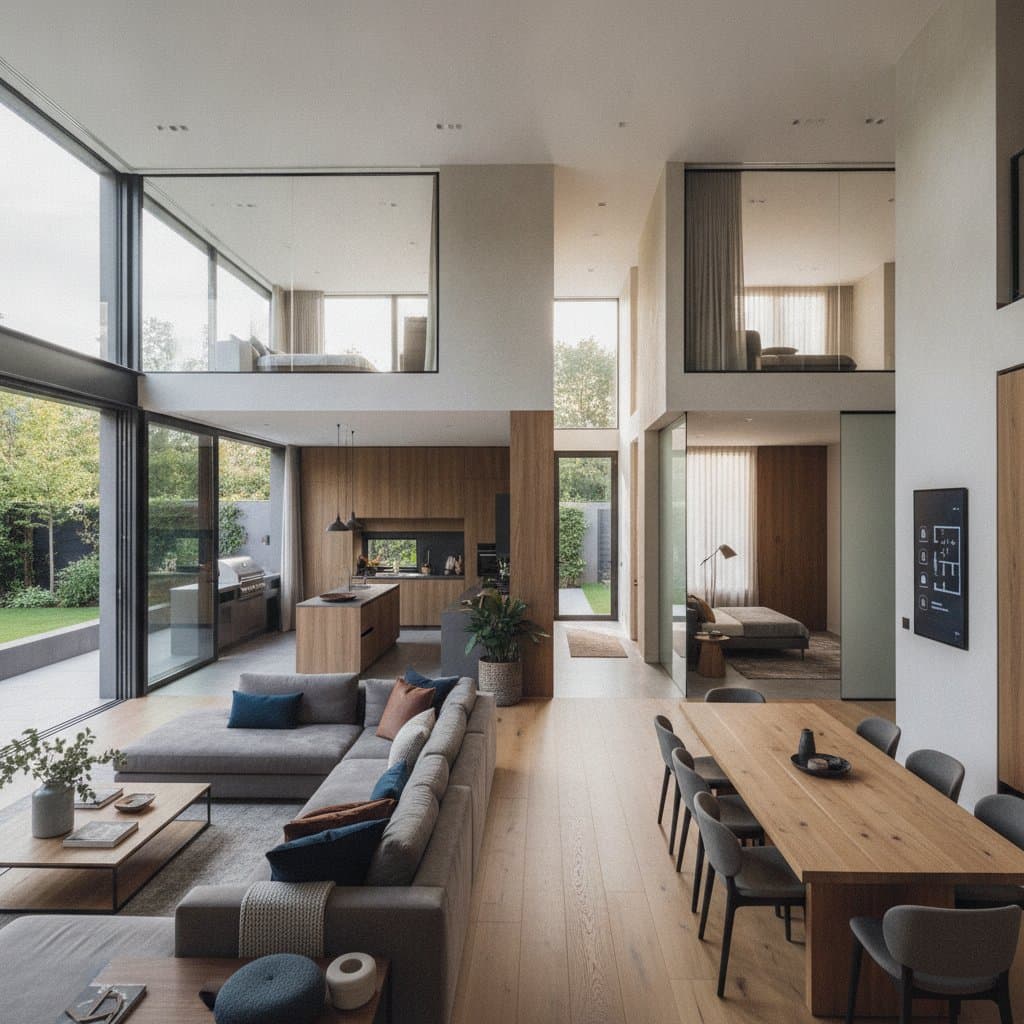
Place the main kitchen and laundry room in a central location accessible to all. Position living areas near outdoor patios so gatherings occur without entering private suites. Install solid core doors and acoustic insulation between bedrooms to limit sound transfer.
Design wide hallways and zero step entries at the same time. These choices support aging in place and comply with most accessibility standards. Review the final floor plan against local zoning rules before ordering materials.
Estimating and Managing Construction Costs
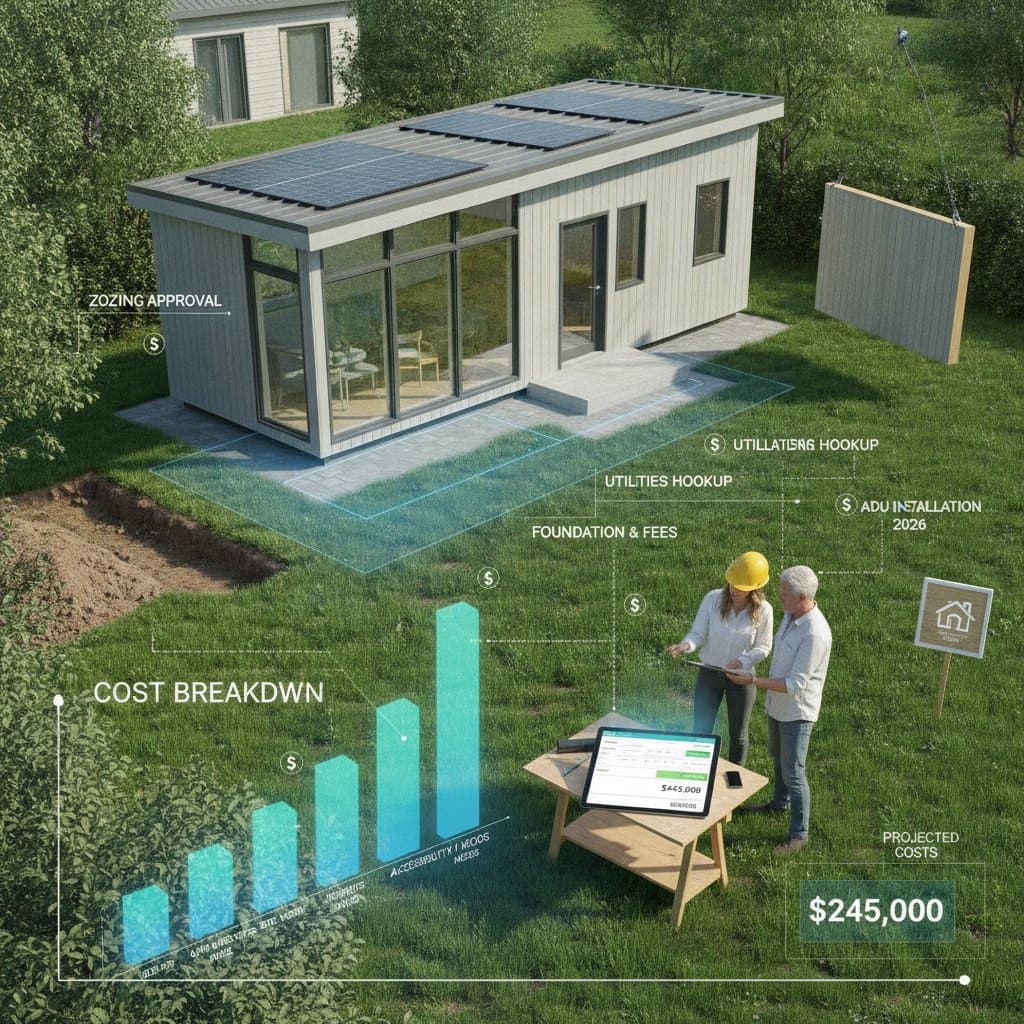
Separate one time expenses from recurring obligations. One time costs cover permits, structural changes, plumbing extensions, and accessibility upgrades. Recurring costs include higher utility bills, insurance riders for added square footage, and annual reserve funds for appliance replacement.
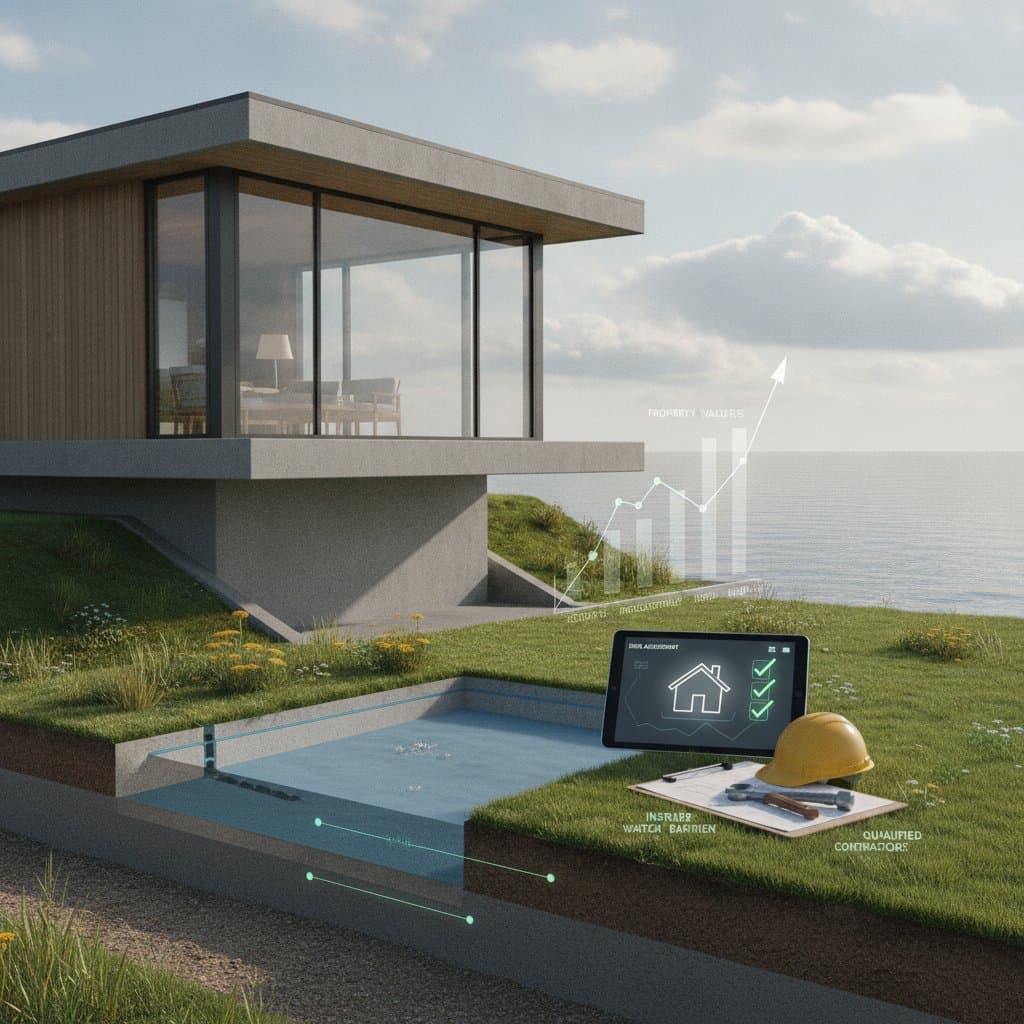
Compare two paths. An accessory dwelling unit often raises resale value yet requires larger upfront capital. Interior remodeling stays cheaper but may restrict future rental income. Calculate cost per square foot for each option against projected appreciation over ten years.
Following a Step by Step Development Process
- Document every household requirement and obtain written agreement on cost sharing percentages.
- Engage a licensed designer to produce code compliant drawings and confirm utility capacity.
- Submit permit applications and financing requests together to avoid timeline gaps.
- Obtain itemized bids that separate labor, materials, and contingency allowances.
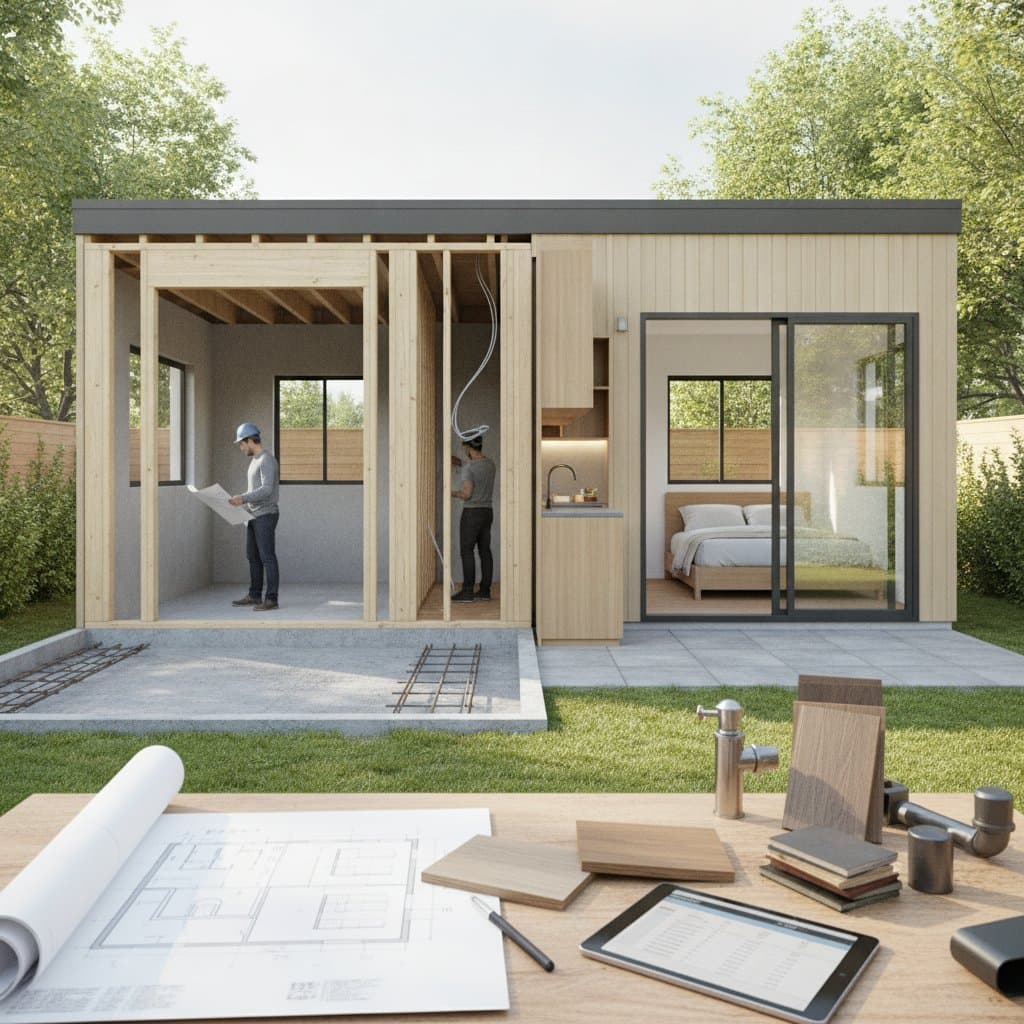
- Schedule inspections at framing, rough in, and final stages to catch issues early.
This sequence keeps spending aligned with the approved budget.
Accounting for Ongoing Expenses and Limitations
Review insurance policies for exclusions on detached structures. Add separate riders when needed. Set aside three percent of total project cost each year for shared maintenance items such as roof repairs and HVAC service.
Create a simple ledger that tracks contributions from each household. Update the ledger quarterly so imbalances surface before they grow.
Evaluating Long Term Financial Outcomes
Track monthly operating costs against the original projection. Adjust contribution percentages if occupancy changes. Schedule a formal review every three years to decide whether the arrangement still meets financial and lifestyle goals.
Applying a Decision Matrix to Choose Options
Score each design alternative on five measures: privacy level, accessibility, total cost, future flexibility, and effect on resale price. Weight the measures according to family priorities. Compare the numerical results with professional appraisals before committing funds.
Maintaining Value and Family Harmony
Thoughtful details such as separate utility meters and clear maintenance schedules protect both property value and relationships. Families that revisit agreements regularly keep shared living practical and rewarding for every generation.