Multigenerational Home Designs That Work in 2026
Primary intent: Help homeowners plan or remodel homes that support multiple generations living under one roof with comfort, privacy, and long-term value.
Weighing Benefits Against Drawbacks
Shared expenses for housing and utilities reduce financial pressure on all adults involved. Caregiving becomes simpler when relatives live nearby. Extra space can accommodate visitors or generate rental income. Properties with legal accessory units often command stronger resale prices.
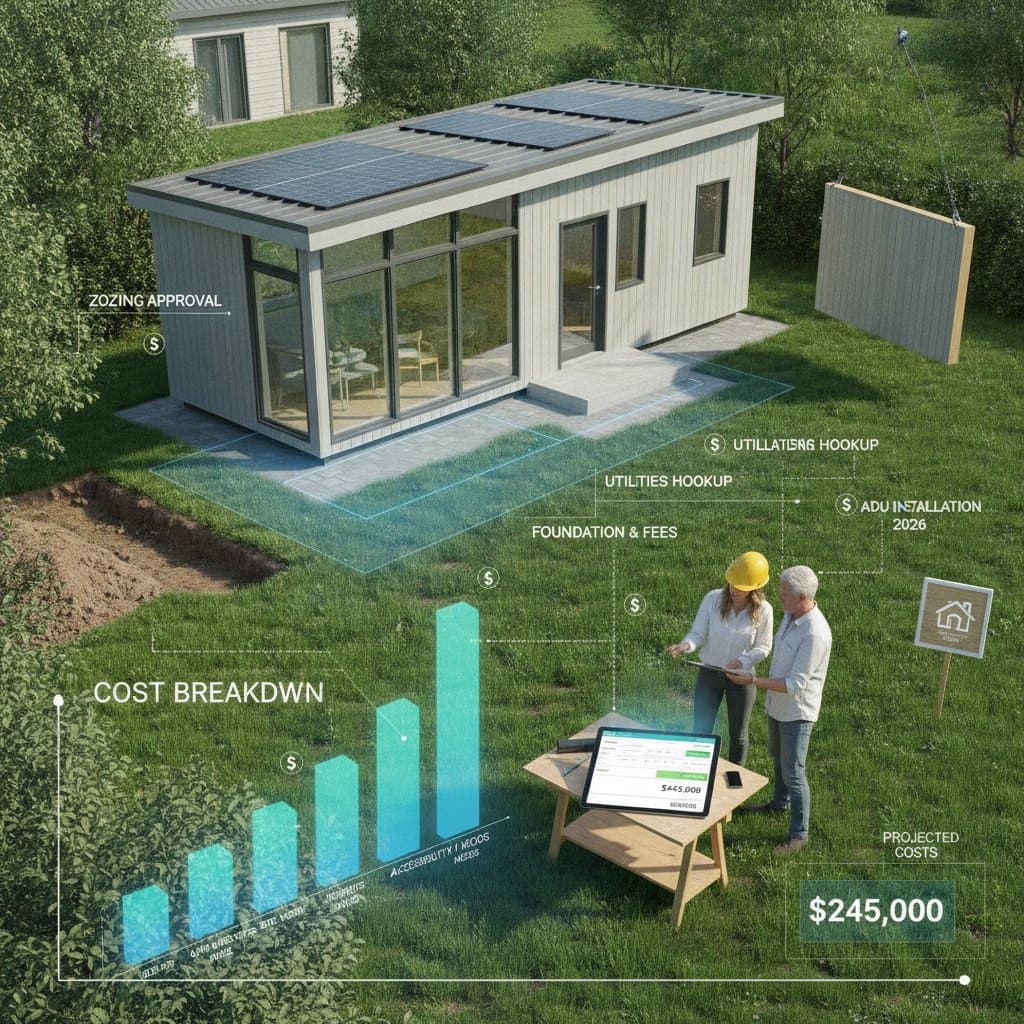
Zoning approvals add time and paperwork. Mechanical systems experience heavier use. Without proper separation, noise and schedules create friction. Initial construction expenses run higher than standard renovations.
This approach suits families assisting aging parents with daily needs. It also fits households helping adult children build savings. Owners who anticipate future care requirements or income opportunities gain flexibility.
Budget Ranges and Main Influences
- ADU conversion of a garage or basement typically totals between 55000 and 145000 dollars. Plumbing access, ceiling height, insulation, and emergency exits drive these figures.
- A new attached unit ranges from 150000 to 300000 dollars. Foundation connections and sound isolation between walls increase costs.
- An interior bedroom and bath addition falls between 25000 and 55000 dollars. Framing changes, heating extensions, and electrical upgrades affect the total.
- Upgrading a shared kitchen costs 20000 to 60000 dollars. Appliance selections, countertop materials, and layout changes determine the final amount.
Three elements shape expenses most. Material quality covers cabinets, flooring, fixtures, and insulation. Labor difficulty includes rerouting pipes, adding circuits, or cutting concrete. Site conditions such as narrow access or steep slopes extend project duration.
Code Compliance and Protection Measures
Install separate electrical subpanels for independent areas. Apply GFCI and AFCI protection near kitchens and bedrooms. Fire-rated walls between units require one-hour assemblies and self-closing solid doors. Each living space needs vented drains and backflow prevention on shared lines. Separate heating and cooling zones prevent noise and odor movement. Obtain all permits to preserve structural and appliance warranties.
Ongoing Care Schedule
After completion, verify smoke and carbon monoxide alarms along with GFCI function and water pressure. Each season, examine door seals, weatherstripping, and HVAC filters. Clean dryer vents when multiple laundry areas exist. Annually, reapply bathroom caulk, drain water heaters, and test sump pumps. Check flashing around additions. Plan to refresh flooring and paint every ten years. Replace HVAC equipment around year fifteen. Roofing materials last twenty-five to thirty years.
Option Comparison
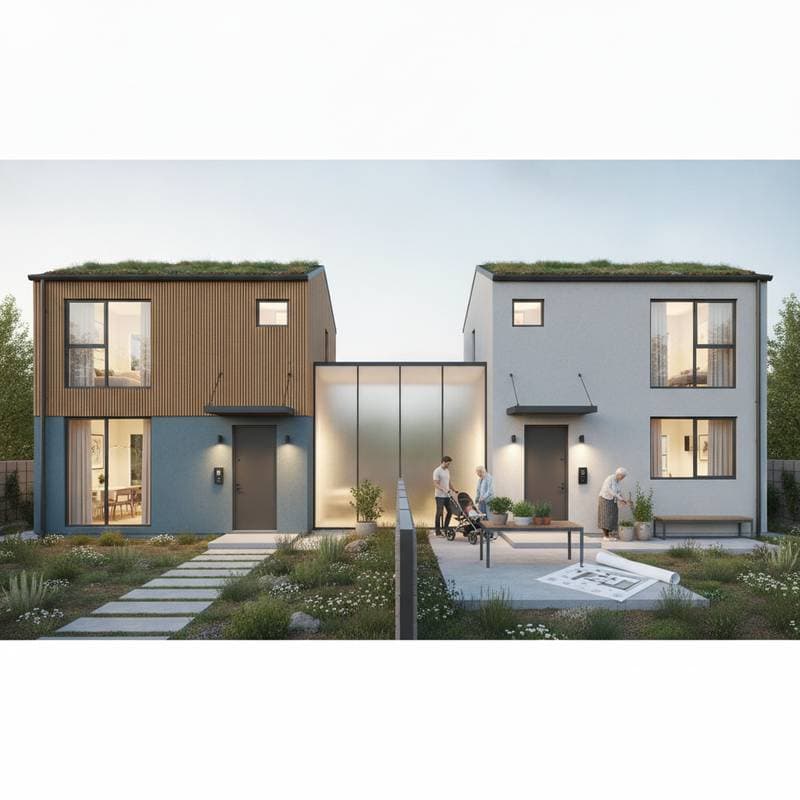
Attached units provide full separation with a private entry yet require soundproofing. Costs range from 150000 to 300000 dollars. Permit effort is moderate. Heating may be shared or zoned. Resale appeal remains high.
Detached units deliver complete independence. Budgets start at 180000 and reach 350000 dollars. Permits involve more steps. Systems operate independently. Flexibility at resale is strongest.
Interior suites cost 25000 to 55000 dollars. Permit requirements stay low. Privacy is partial. Heating shares with the main house. Layout impact on the primary residence varies.
Practical Steps for Execution
Define daily routines for each generation first. Match those patterns to a suitable layout and spending range. Walk the property to measure clearances and note possible entry points. Contact the local building department to confirm current rules for accessory units or dual occupancy.
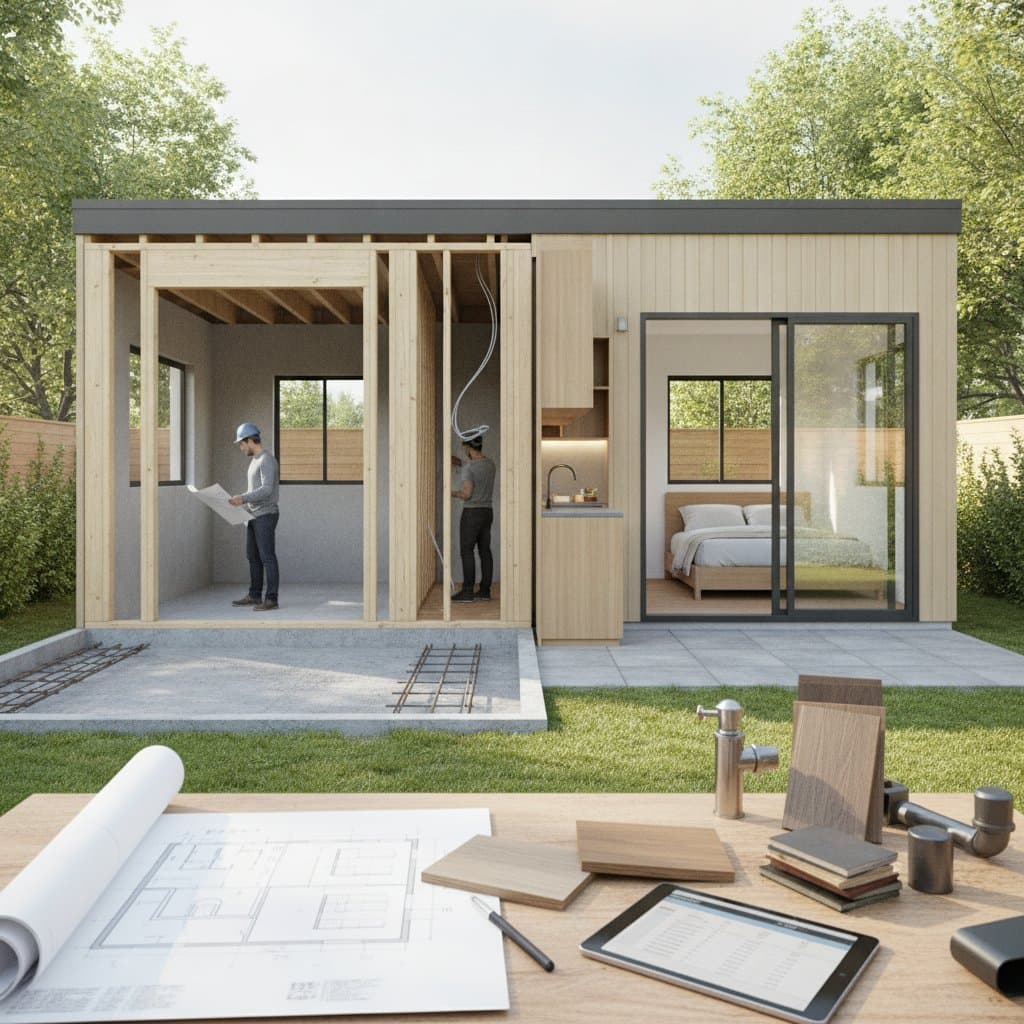
Plan utility routes before walls close. Add sound isolation during framing. Design rooms that convert easily between uses. Retain all permit records and inspection documents for future buyers. Select neutral finishes and durable surfaces that appeal broadly.