Future-Proof Your Home for Multigenerational Living
Creating a Home That Grows With You
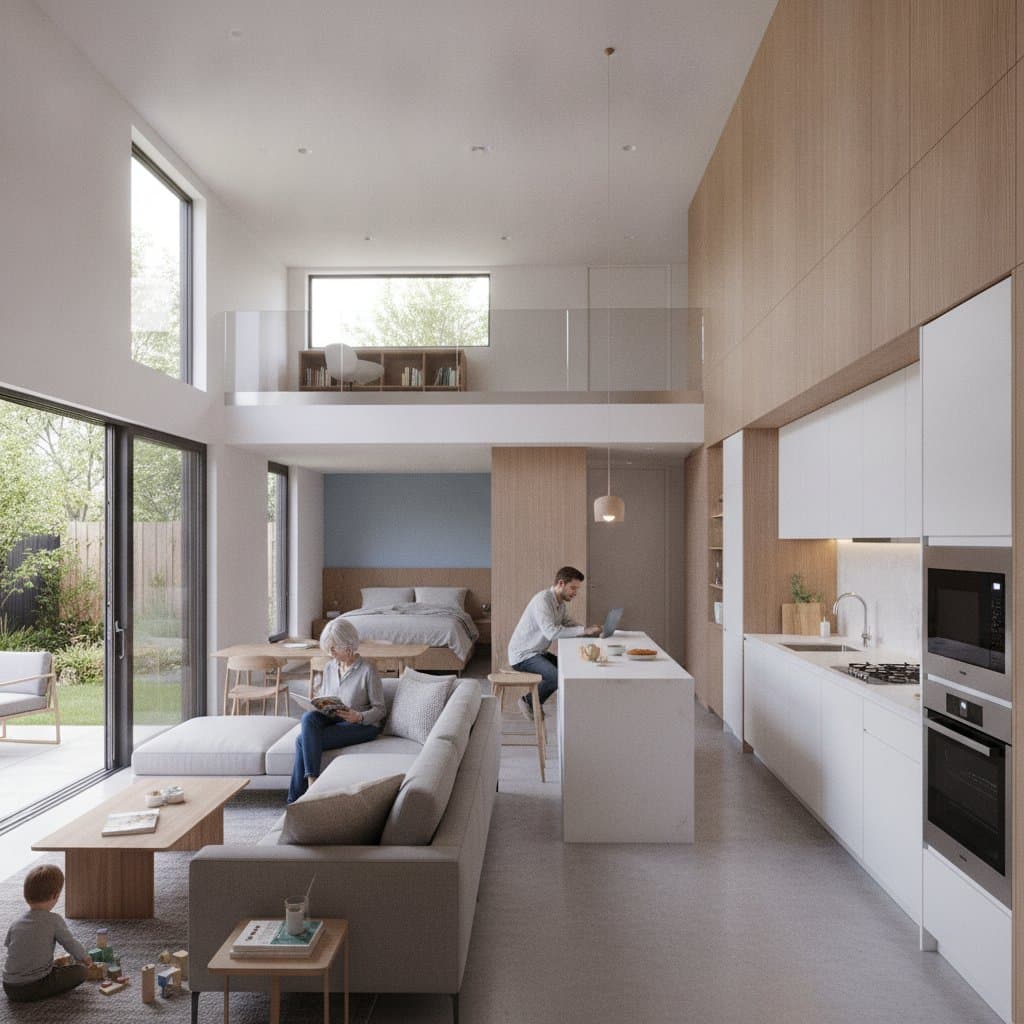
A home designed for multigenerational living offers practical benefits for families seeking shared expenses and stronger connections. Converting space or adding an accessory dwelling unit transforms a single-family property into a flexible environment that supports changing needs over time. Professional conversions typically range from 80000 to 250000 dollars, with most projects averaging 145000 dollars for full plumbing, kitchen, and accessibility work.
Project costs depend primarily on square footage, finish quality, and how the new space integrates with the existing structure. Homes with dedicated multigenerational layouts often see property value increases of 15 to 25 percent. Careful planning improves daily comfort and extends the home's usefulness for many years.
Understanding the Cost Structure
Size and Scope
Project size drives the largest portion of expenses. A compact suite or garage conversion of 400 to 600 square feet usually falls between 80000 and 130000 dollars. Each additional 100 square feet adds roughly 10000 to 15000 dollars. Basement conversions with separate entrances often reach 180000 to 220000 dollars because of excavation and waterproofing needs.
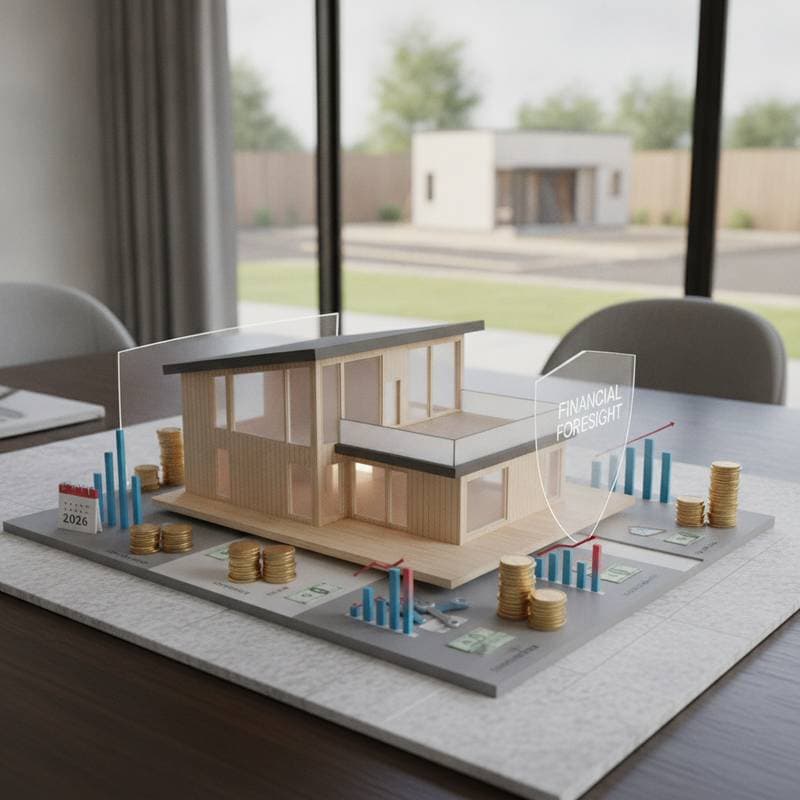
Budget benchmarks show compact studio projects near 95000 dollars at the lower end, mid-range units around 145000 dollars, and premium builds above 220000 dollars. These figures help families set realistic expectations before design begins.
Material and Quality Tiers
Finish choices affect both upfront cost and long-term satisfaction. Entry-level selections such as laminate floors and stock cabinets average near 200 dollars per square foot. Mid-range options with durable surfaces and better appliances reach about 250 dollars per square foot. Premium materials including quartz and custom cabinetry push totals to 300 or 350 dollars per square foot while offering stronger warranties.
Complexity and Accessibility
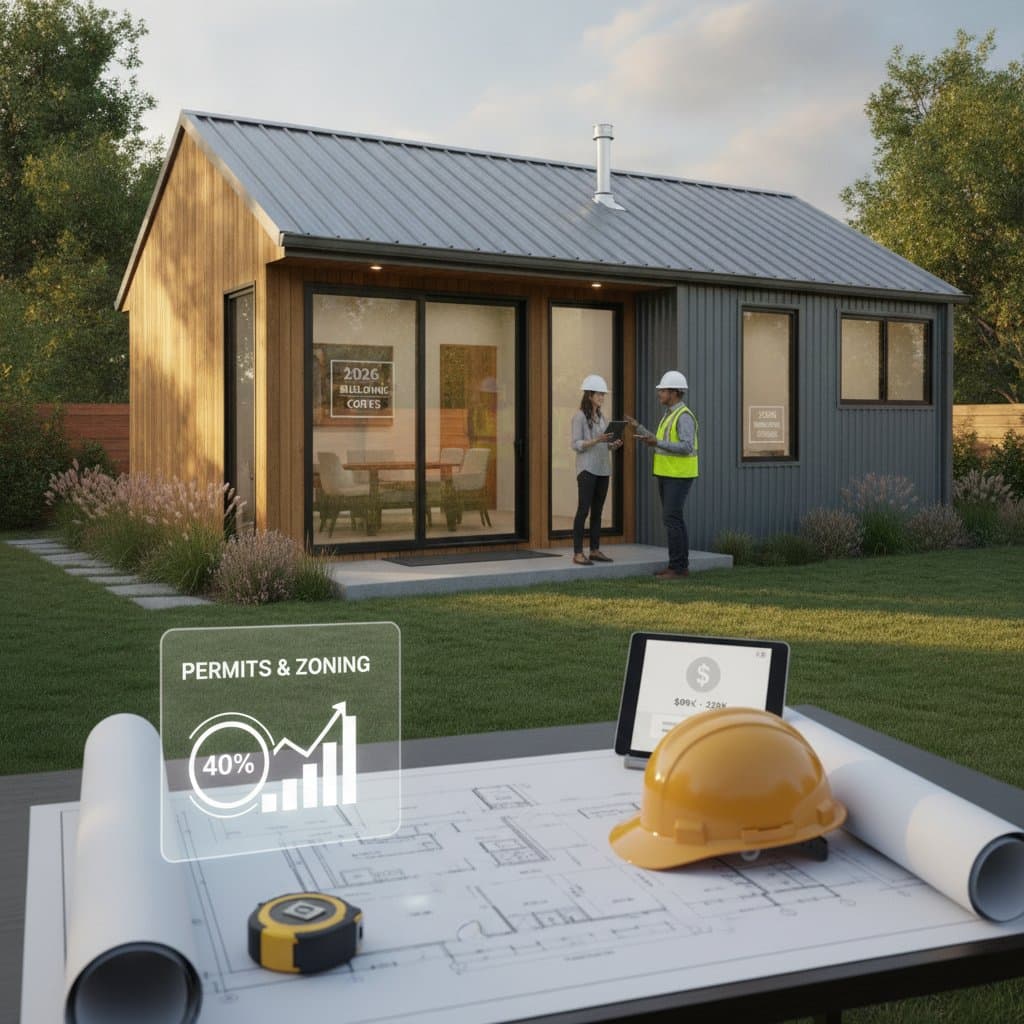
Site conditions and code requirements add further variables. Sloped lots or seismic work can increase totals by 10 to 20 percent. Universal design elements such as zero-threshold showers and wider doorways add 5000 to 15000 dollars but support aging residents without future modifications. Urban areas often run 25 percent higher than rural markets due to labor and permitting differences.
Service Options and What They Include
Standard Conversion Package
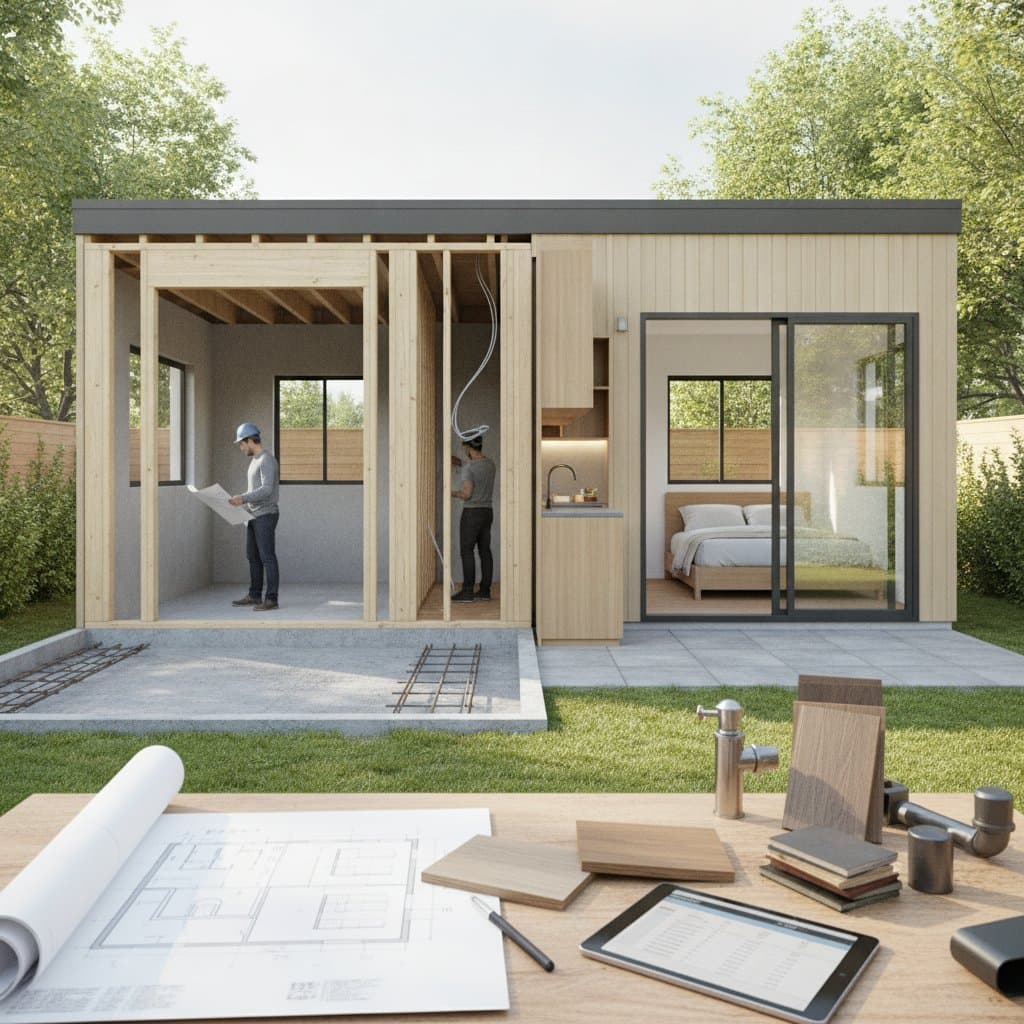
A standard package emphasizes privacy and basic function. It covers framing, electrical and plumbing extensions, a kitchenette, an accessible bath, an independent entrance, and soundproofing. Labor accounts for 40 to 50 percent of the total, and most projects finish in 8 to 12 weeks. Expect costs between 120000 and 160000 dollars for this scope.
Premium or Comprehensive Package
Premium work adds full custom kitchens, dedicated HVAC zones, advanced sound isolation, and energy upgrades. These conversions cost 20 to 40 percent more, typically landing between 180000 and 250000 dollars. The added investment frequently returns value through rental income or stronger resale appeal.
Add-on Services and Bundled Savings
Optional features improve efficiency when scheduled together.
- Solar integration: 10000 to 20000 dollars with up to 10 percent bundle savings
- Smart home controls: 3000 to 7000 dollars with 5 percent savings
- Landscaping and paths: 5000 to 15000 dollars with 8 percent savings
- Fire safety systems: 2000 to 6000 dollars with 5 percent savings
Bundling reduces mobilization fees and keeps design consistent across the project.
Professional vs. DIY Conversion
DIY Cost Breakdown
Material costs for a small owner-built suite reach 60000 to 80000 dollars with mid-range fixtures. Tools, permits, and design help add another 8000 to 16000 dollars. Owners should expect 500 to 700 hours of work plus the risk of corrections for waterproofing or electrical issues.
Professional Advantages
Licensed teams finish comparable work in 8 to 12 weeks and carry insurance plus workmanship guarantees. They also bring specialized equipment and code knowledge that protects long-term durability and resale value.
Choosing Between the Two
Structural changes, plumbing relocation, or major code upgrades favor professional execution. Minor cosmetic tasks remain suitable for DIY, yet full conversions benefit from expert oversight.
Cost-Saving Strategies That Work
Timing and Scheduling
Scheduling work during slower months or mid-week starts can yield 5 to 10 percent discounts. Aligning purchases with supplier promotions further reduces appliance and fixture expenses.
Smart Shopping and Negotiation
Obtaining multiple detailed bids often lowers totals by 10 to 15 percent. Paying in milestone stages and considering cash options can secure additional reductions while maintaining accountability.
Preparation and Collaboration
Owners who handle demolition or final painting themselves save 2000 to 5000 dollars. Clear decisions and a shared project calendar prevent delays and extra fees.
Market Considerations and Long-Term Value
Regional Variations
Coastal markets run 25 to 35 percent above national averages, while suburban and rural areas often save 10 to 20 percent on labor and inspections. Local cost indexes help refine budgets for specific locations.
Market Forces Influencing Cost
Material price shifts can move budgets 5 to 10 percent in a single quarter. Energy-efficient choices raise initial outlays yet lower operating costs over time.
Return on Investment
Legal ADUs frequently add 15 to 25 percent to resale value. Rental income of 1200 to 2000 dollars per month can offset mortgage costs and improve financial flexibility.
Integrating Related Services for Efficiency
Complementary upgrades enhance livability when completed together.
- Accessibility renovations such as ramps and wider hallways: 5000 to 25000 dollars
- Energy retrofits for insulation and HVAC: 8000 to 20000 dollars
- Landscape and drainage work: 5000 to 15000 dollars
Combining these tasks during one phase simplifies permitting and reduces cumulative expenses.
Maximizing Your Investment
Thoughtful planning turns an ADU conversion into a lasting asset that supports family needs today and maintains value for decades ahead.