2026 Modular ADU Costs Decline by 30 Percent Under New Regulations
Understanding the Key Changes and Their Impact
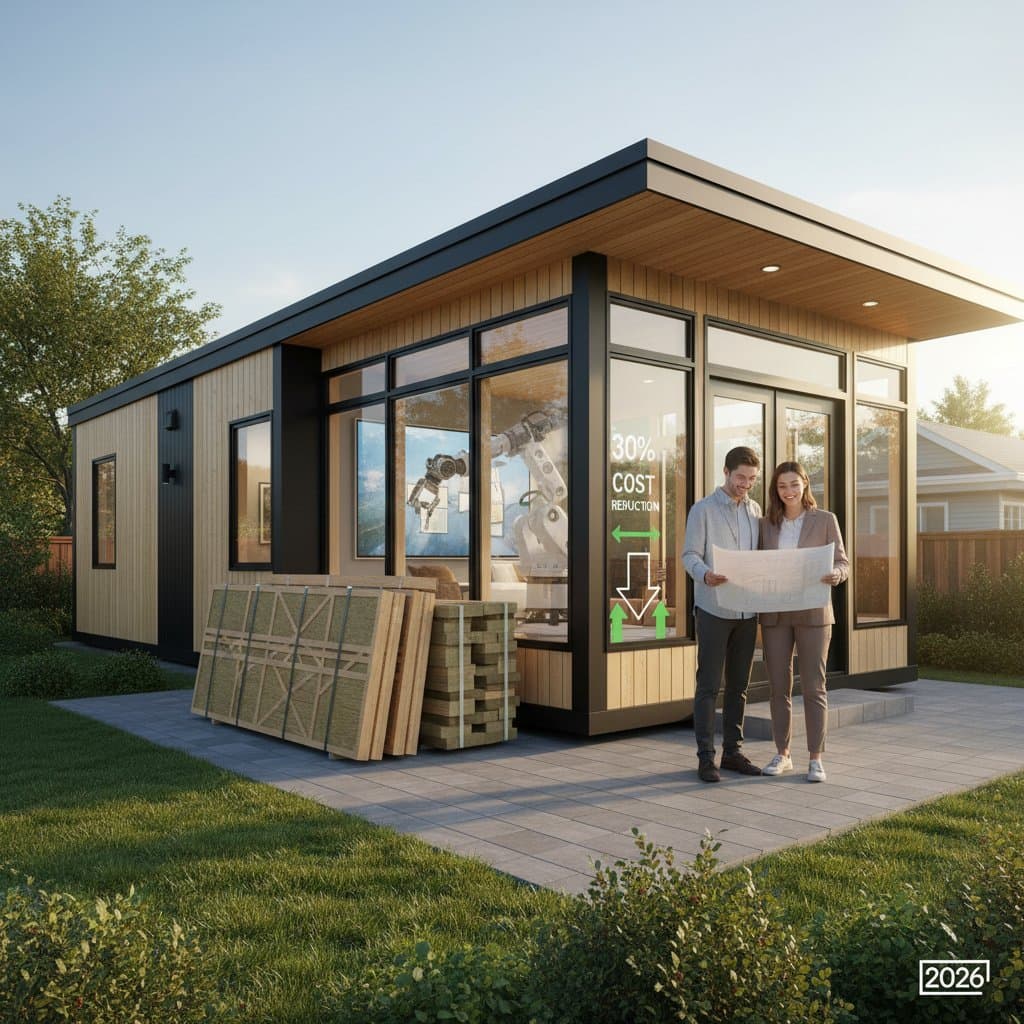
State and local code updates, combined with factory incentives and simplified inspection protocols, reduce modular accessory dwelling unit costs by up to 30 percent. These reforms streamline approval processes, minimize redundant labor, and decrease material waste. Homeowners benefit from quicker construction timelines, fewer on-site disruptions, and overall lower expenses for adding a backyard unit.
Regulators aim to promote affordable housing through these measures. Modular ADUs provide an efficient way to increase housing stock without straining municipal infrastructure or community resources. Property owners should explore these opportunities promptly, as market dynamics may soon influence pricing and availability.
Detailed Cost Analysis and Savings Factors
Significant reductions stem from factory-based production and revised inspection standards. Modules receive pre-certification at the manufacturing facility, limiting local inspections to foundations and utility connections. This approach eliminates overlapping site reviews that previously extended project durations by weeks.
| Scope Item | Material Cost Range | Labor Cost Range | Total Range | Notes on Drivers |
|---|---|---|---|---|
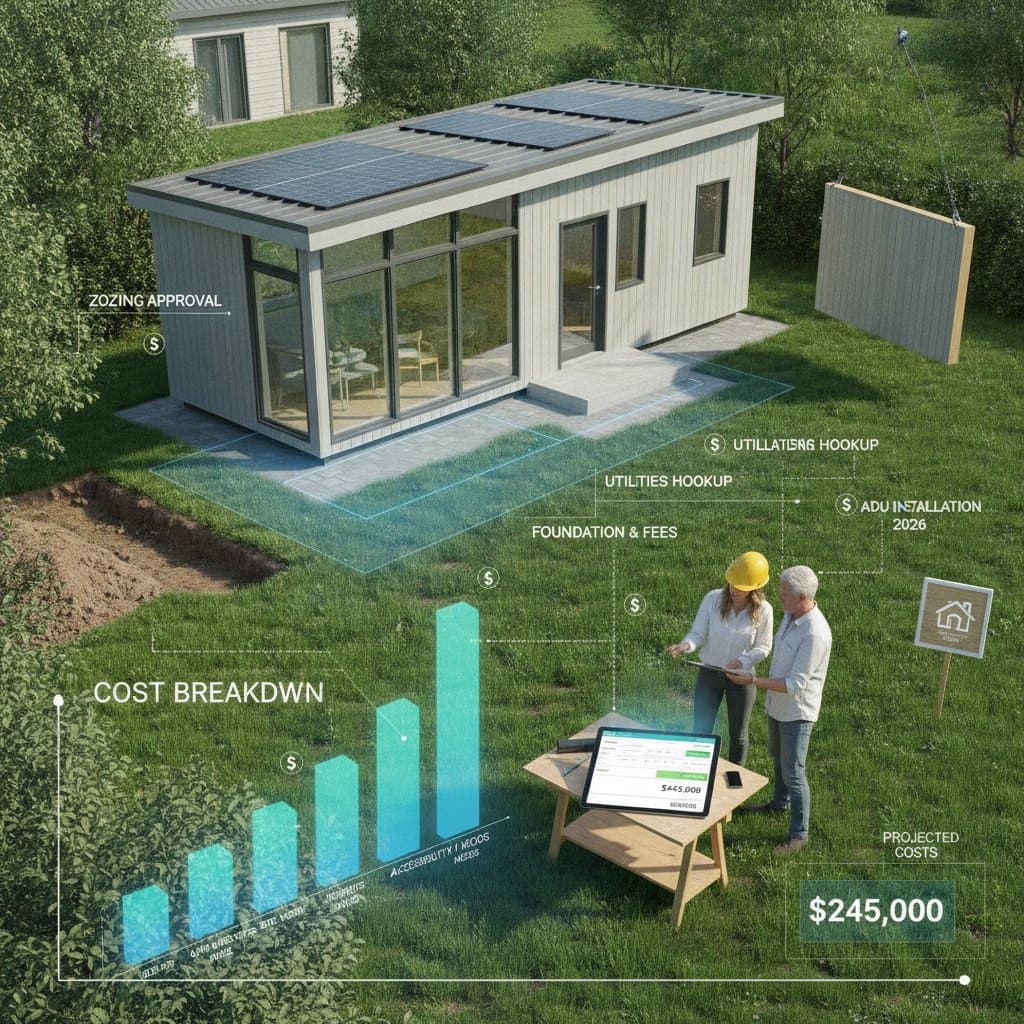
| Factory-built shell | $35,000 - $55,000 | $5,000 - $8,000 | $40,000 - $63,000 | Varies by finish quality and insulation levels |
| Foundation and site work | $8,000 - $18,000 | $7,000 - $12,000 | $15,000 - $30,000 | Influenced by soil conditions and site accessibility |
| Utility connections | $5,000 - $10,000 | $3,000 - $8,000 | $8,000 - $18,000 | Depends on distance from primary residence and trenching requirements |
| Delivery and crane set | $3,000 - $7,000 | $2,000 - $5,000 | $5,000 - $12,000 | Affected by access pathways and overhead obstacles |
| Interior finish and permits | $6,000 - $12,000 | $5,000 - $10,000 | $11,000 - $22,000 | Includes permit expenses and code-specific modifications |
Projects that previously totaled $150,000 now range around $100,000, based on selected finishes and site conditions. Properties in dense urban settings gain the most advantages, as modular methods bypass extended on-site assembly periods.
Primary Factors Influencing Cost Reductions
- Material Selection and Procurement: Factories leverage bulk purchasing to decrease expenses for lumber, insulation, and other essentials.
- Labor Efficiency: Indoor, controlled environments limit trade redundancies and protect against weather-related interruptions.
- Site Preparation and Accessibility: Straightforward crane routes and uncomplicated connections prevent unnecessary expenditures.
Step-by-Step Guide to Building Under Updated Regulations
Before starting, gather essential safety equipment: hard hats, gloves, eye protection, hearing protection, and steel-toe boots.
- Initial Design and Zoning Verification: Review municipal guidelines for ADU dimensions, setbacks, and compliance. Numerous jurisdictions now offer pre-approval for modular designs that align with energy efficiency and fire safety standards.
- Ordering and Module Fabrication: Submit approved plans to the factory, where construction occurs in six to eight weeks.
- Foundation Preparation: Install a concrete slab or pier system concurrently with module production to shorten the overall timeline by approximately one month.
- Delivery and Installation: Transport and position the unit using a truck and crane, typically completed in a single day.
- Utility Integration and Final Review: Engage licensed professionals for electrical and plumbing connections to the existing home. Local authorities inspect only the foundation and utilities.
- Occupancy Approval and Documentation: Register the factory-issued structural warranty and energy certification to finalize occupancy.
Essential Considerations for Safety, Permits, and Compliance
Modular ADUs adhere to identical structural, energy, and safety codes as traditional constructions. Reforms focus on narrowing inspection scopes and expediting plan reviews. Manufacturers verify framing, electrical, and plumbing integrity prior to delivery, fulfilling the majority of regulatory demands.
Site-specific permits address grading, drainage, and trenching activities. Install ground-fault circuit interrupter outlets in exterior and moisture-prone areas. Ensure smoke and carbon monoxide alarms connect directly to power sources. For electrical needs, assess panel capacity; a standard 100-amp service often suffices for compact units without heavy appliances, though expansions may require a 200-amp upgrade.
Pitfalls to Sidestep During Your Project
- Neglecting Soil Evaluation: Inadequate testing risks foundation cracks or instability from drainage issues.
- Overlooking Crane Pathways: Obstructions like trees, fences, or overhead lines complicate delivery and increase fees.
- Disregarding Utility Distances: Extended trenching elevates expenses substantially.
- Pursuing Excessive Customization: Non-standard material requests disrupt factory workflows and raise costs.
- Omitting Permits for Ancillary Features: Site-constructed elements such as decks or stairways demand separate approvals.
Long-Term Maintenance Strategies and Durability
These units employ conventional framing, sheathing, and exterior materials, projecting a 50-year structural life with proper care.
- Post-Installation Checks: Inspect for settlement-induced cracks and seal entry points around utilities.
- Seasonal Upkeep: Clear gutters, examine roof joints, and wash exterior surfaces.
- Yearly Inspections: Verify alarm functionality, test circuit interrupters, and monitor foundation water flow.
- Major Replacements: Budget for HVAC and roofing updates between 20 and 25 years.
Sealed factory assemblies enhance resistance to moisture, lowering chances of mold or decay compared to field-built alternatives.
Guidelines for Professional Versus Self-Managed Work
Suitable for DIY: Site clearing, landscaping, and basic interior detailing.
Require Experts: Foundation pouring, crane operations, plumbing installations, electrical wiring, and regulatory adherence.
Errors in specialized areas may invalidate warranties or trigger inspection failures. Professionals orchestrate timelines and align deliveries effectively. In combined approaches, owners can apply finishes like painting and flooring post-inspection to trim costs by several thousand dollars.
DIY Suitability Assessment:
- Competency Level: Do you handle power tools confidently and interpret technical drawings?
- Risk Evaluation: Operations involving heavy machinery or energized systems necessitate certified personnel.
- Equipment Access: Availability of precision tools such as laser levels, concrete cutters, and excavation gear restricts independent efforts.
Evaluating Contractor Proposals
| Line Item | Specifications | Contractor A | Contractor B | Contractor C | Variance Factors |
|---|---|---|---|---|---|
| Foundation | 6-inch slab, 3000 PSI | $16,000 | $14,500 | $15,200 | Soil analysis influences pricing |
| Electrical | 100-amp subpanel | $4,200 | $5,000 | $4,600 | Panel proximity determines cost |
| Plumbing | 40-foot trench, 2-inch | $3,800 | $4,100 | $3,700 | Trenching depth and soil type vary |
| Set and Finish | Crane, connections, trim | $9,000 | $10,200 | $9,500 | Dependent on team efficiency |
Obtain detailed estimates separating labor from materials. Confirm inclusions for crane usage, transport charges, and permitting fees.
Project Preparation Essentials
- Verify zoning eligibility and select a pre-approved modular design.
- Conduct soil tests and clear site access routes.
- Secure itemized bids from at least three licensed contractors.
- Budget for utilities and potential panel upgrades.
- Schedule parallel foundation and factory work to optimize time.
- Prepare maintenance logs from day one for warranty support.
Realizing Savings and Enhancing Property Value
By capitalizing on 2026 reforms, homeowners access modular ADUs at reduced costs and accelerated paces. These additions not only provide flexible living spaces but also boost property equity through compliant, efficient expansions. Start with a zoning consultation to position your project for maximum efficiency and long-term benefits.