2026 Warranties Now Cover AI Predictive Monitoring
The home warranty market continues to evolve with new technology. Recent plans integrate AI predictive monitoring as a standard feature. This addition changes how coverage works and how homeowners manage costs.
Defining AI Predictive Monitoring in Home Warranty Systems
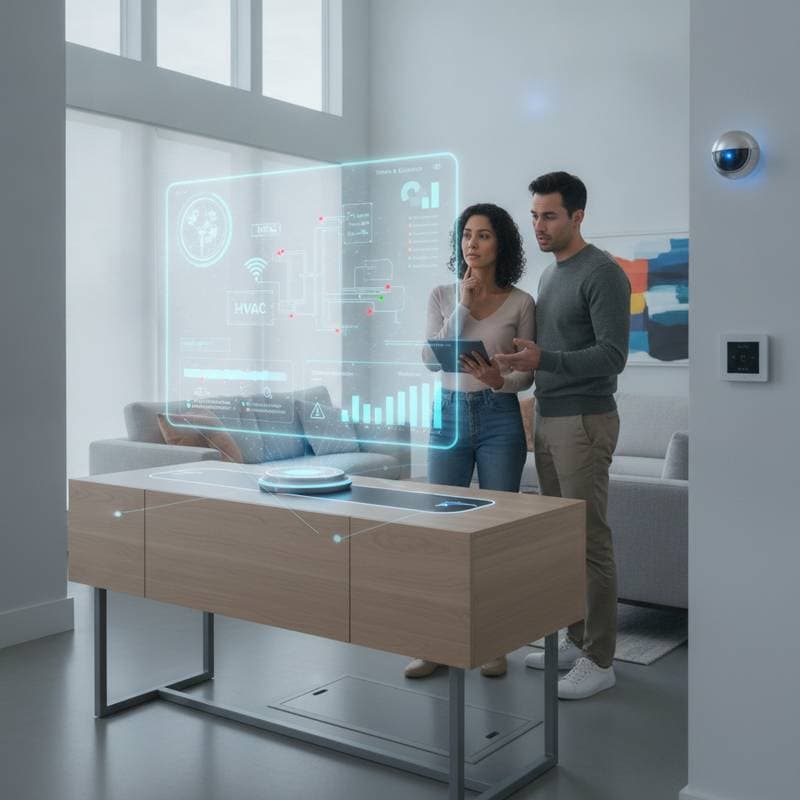
AI predictive monitoring uses sensors and algorithms to track appliances and systems in real time. The tools measure temperature, energy use, vibration, and operating cycles. They flag unusual patterns and send alerts before breakdowns happen. Warranty providers review the data to approve maintenance or repairs.
Coverage typically applies to HVAC units, water heaters, electrical panels, and large appliances. The system requires consistent internet access and proper sensor placement. Homeowners must understand that data collection creates ongoing obligations under the contract.
The Financial Structure of AI-Enhanced Warranty Plans
These plans combine traditional premiums with added fees for monitoring. Monthly costs range from fifty to one hundred thirty five dollars depending on the tier. Service call fees remain between seventy five and one hundred dollars. Annual coverage caps still apply and vary by plan level.
Additional expenses include sensor hardware, battery replacements, and network connectivity. The table below shows typical pricing and limits.
| Coverage Level | Monthly Cost | Service Fee | Coverage Limits | Key Exclusions |
|---|---|---|---|---|
| Basic Plan | $50 to $65 | $75 | Up to $500 per item | No predictive analytics or smart sensors |
| Enhanced Plan | $70 to $95 | $85 | Up to $1000 per item | Limited sensor integration, data access restricted |
| Premium Plan | $100 to $135 | $100 | Up to $2500 per item | Excludes non-connected devices and user-installed sensors |
Homeowners should calculate total yearly costs before selecting a plan.
How the Process Works
Activation begins with device registration and network connection. The AI collects baseline performance data over several weeks. When anomalies appear, the system notifies both the homeowner and the provider. A technician then evaluates whether the issue qualifies for service.
Follow up steps often require sensor recalibration and proof that maintenance occurred. Denials frequently result when data shows the problem existed before coverage started or when alerts were not addressed promptly.
Limitations and Exclusions in Predictive Monitoring Coverage
Contracts list several situations that void coverage. Common reasons for denial include internet outages that create data gaps, sensors installed without certified help, and ignored maintenance alerts. Pre existing conditions identified through historical readings also lead to rejected claims.
Only approved devices and sensors qualify. Off brand equipment or independent smart hubs usually fall outside the network.
Financial Implications and Total Cost of Ownership
Predictive plans require evaluation of long term value. A homeowner paying one hundred ten dollars monthly spends one thousand three hundred twenty dollars annually before service fees. Savings occur only when early repairs prevent larger failures. False alerts can increase costs instead.
Providers gain forecasting advantages from the data they collect. This benefit does not always translate directly to lower consumer premiums.
Privacy, Data Ownership, and Consumer Rights
Continuous monitoring sends performance information to company servers. Contracts often grant the provider rights to store, share, or aggregate this data. Homeowners should request clear statements on ownership and deletion options.
Recommended steps include limiting connected devices to essential items, using secure networks, and reviewing retention policies before signing.
Evaluating Provider Quality and Reliability
Check state licensing records and complaint histories before enrollment. Reliable companies publish sensor accuracy rates, response times, and denial statistics. Vague contract language increases the chance of future disputes.
Compare providers on prediction accuracy, service speed, verified reviews, and financial stability.
Building a Strategic Maintenance Plan
AI monitoring works best alongside regular professional inspections. Seasonal tune ups and filter changes remain necessary. Use alerts to supplement, not replace, scheduled care.
Track combined costs over time to confirm the approach saves money.
Reading the Fine Print
Review every section on exclusions, data consent, and renewal terms. Some contracts raise fees automatically or tie charges to data volume. Confirm all details match your needs before activation.