How Greywater Systems Deliver $500+ Annual Water Bill Savings
Summary Box
National average cost: $3,700
Typical range: $2,000 to $6,000
Low end: $800 for simple laundry-to-landscape setup
High end: $15,000 for whole-home filtration and irrigation integration
Time to complete: 2 to 5 days
DIY or Pro: Partial DIY possible, licensed plumber required for most systems
ROI or resale impact: Moderate, adds value in drought-prone or eco-conscious markets
Updated: August
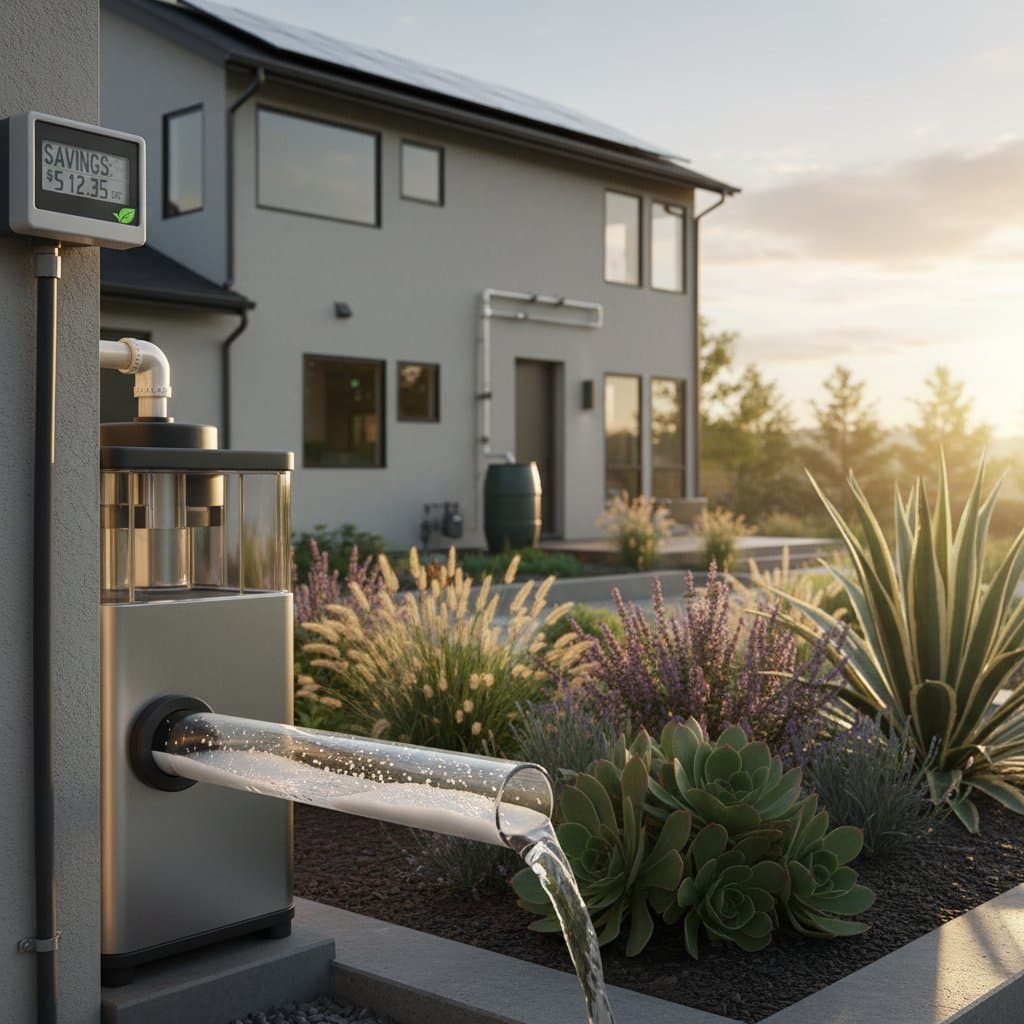
Greywater systems capture wastewater from sinks, showers, and laundry for reuse in landscape irrigation. These setups reduce freshwater demand, lower utility costs, and contribute to sustainable home practices. Homeowners in water-scarce regions find particular value in such installations.
Understanding Greywater System Costs
Installation expenses vary based on several key elements. Basic systems focus on simple diversions, while advanced ones incorporate filtration and automation. Budgeting requires consideration of both upfront investments and long-term benefits.
Scope and Size
A single-room greywater setup costs less than a whole-home system. Connecting only the laundry line may run under $1,000, while adding showers or sinks can double or triple the total. Larger homes or those with multiple bathrooms demand more extensive piping, which elevates material and labor needs. Evaluate your household water usage patterns to determine the appropriate scale.
Material Grade and Finish
PVC piping costs less than copper or PEX alternatives. Gravity-fed tanks are cheaper than pressurized systems that include pumps and controllers. Opt for durable, code-compliant materials to ensure reliability over time. Higher-grade components may increase initial outlay but reduce maintenance frequency.
Site Conditions and Accessibility
Slab foundations, finished walls, or long pipe runs increase labor time. Homes with crawl spaces or accessible plumbing drops cost less to retrofit. Assess your property layout early to identify potential challenges. Professional site evaluations can prevent unexpected expense escalations.
Labor Market and Season
Plumber rates rise in urban areas or during peak construction months. Some regions offer rebates for water-saving systems, helping offset costs. Research local incentives through utility providers or environmental agencies. Scheduling during off-peak periods often yields better pricing.
Custom Work and Change Orders
Routing through tight spaces or modifying existing drainage can add $500 to $2,000. Always plan the path before cutting to avoid surprises. Document all specifications in contracts to minimize alterations. Clear communication with installers streamlines the process and controls costs.
Strategies to Minimize Expenses Effectively
Smart planning allows homeowners to achieve significant savings without compromising quality. Focus on practical choices that align with site capabilities and local regulations. These approaches ensure the system performs reliably while fitting within budget constraints.
Practical Substitutions
Choose a gravity-fed system when site slope allows. It eliminates the pump and lowers cost by $400 to $800. Use recycled 55-gallon drums as tanks when local code permits. Skip automated filters if you can clean strainers manually every few weeks. These options maintain functionality while reducing complexity.
Preparation Steps to Cut Labor Time
Plan the system while remodeling so drain pipes are exposed. Group fixtures by wall to reduce pipe length. Dig trenches before the crew arrives so they focus only on plumbing connections. Thorough preparation halves installation duration in many cases. Coordinate with contractors to align timelines seamlessly.
Timing and Project Batching
Plumbers often charge less in winter or during slow periods. Combine installation with other plumbing work like a water heater replacement to save on service call fees. Batch multiple home improvements to leverage economies of scale. Consult local professionals for seasonal rate insights.
Securing Competitive Quotes
Compare at least three quotes using a structured checklist.
Quote Comparison Checklist
- Scope is itemized
- Materials grade and brand listed
- Surface prep and cleanup included
- Permit and disposal fees included
- Warranty terms and timeline stated
- Payment schedule tied to milestones
Ask how the installer handles overflow and backups. Request photos of previous systems and check for references in your zip code. This diligence ensures selection of a qualified provider who delivers value.
Installation Timeline and Logistics
Efficient scheduling keeps disruptions minimal. Materials procurement and on-site work follow a predictable sequence. Understanding these phases helps set realistic expectations.
Lead times for materials like tanks and pumps may take one to two weeks to arrive. Typical crew days on site range from two days for laundry-only systems to up to five for full-house installations. Inspection touchpoints include one before covering pipes and one after full system test.
Expect some drywall repair if plumbing runs behind finished walls. Irrigation tie-ins may require trenching, which can temporarily disturb landscaping. Post-installation testing verifies proper flow and prevents issues. Allow buffer time for any adjustments.
Ongoing Maintenance for Long-Term Performance
Regular upkeep extends system lifespan and maximizes savings. Simple routines prevent clogs and ensure efficient operation. Integrate these tasks into household schedules for ease.
Clean filters every two to four weeks to remove debris. Flush tanks quarterly with vinegar or mild detergent to combat buildup. Inspect hoses and valves for leaks or wear annually. Address minor issues promptly to avoid costly repairs. With proper care, systems last 15 to 20 years, providing consistent returns on investment.
Realizing Benefits Through Greywater Adoption
Greywater systems not only trim water bills by over $500 yearly but also enhance property appeal in eco-focused markets. They promote water conservation amid growing scarcity concerns. Homeowners gain peace of mind from sustainable choices that align with broader environmental objectives. Consider integrating such features during home upgrades for compounded advantages.