How Much Does a Greywater System Cost? A Comprehensive Pricing Guide
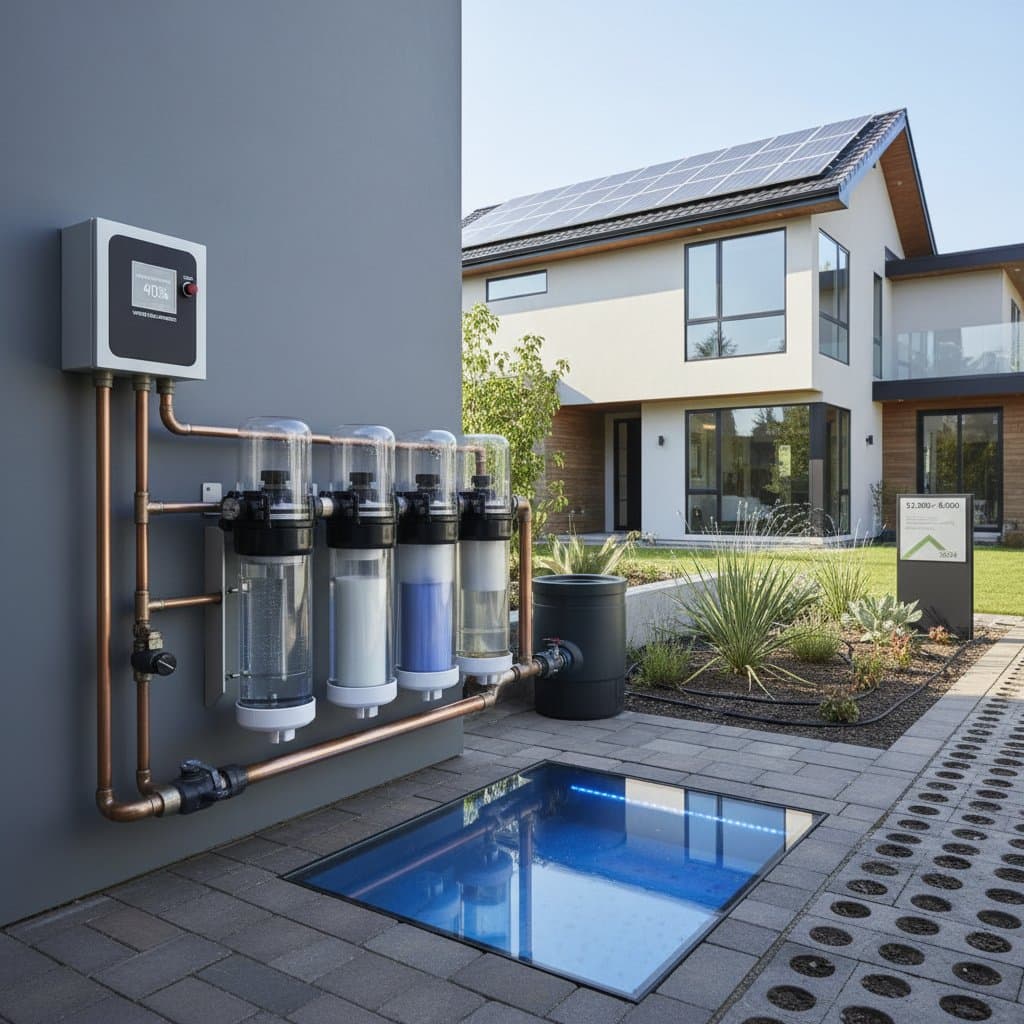
Greywater recycling systems enhance household water efficiency by capturing wastewater from sinks, showers, and laundry for non-potable uses like garden irrigation and toilet flushing. Professional installation typically ranges from $2,800 to $8,500, with the average at $5,900 for a setup suitable for a typical family residence.
Key elements shaping the total expense include system capacity, filtration sophistication, and regional labor variations. Systems for larger homes or those with intricate filtration can increase expenses significantly, particularly where plumbing involves multiple areas. Data from the WaterReuse Association shows that well-installed greywater systems cut municipal water demand by as much as 40%, conserving substantial volumes each month. Rising global water needs point to a 35% cost escalation by 2026, positioning timely installation as a prudent choice for homeowners pursuing sustainable enhancements.
Detailed Cost Breakdown
Pricing for greywater systems hinges on the project's scale and the chosen treatment approach. Compact units for a single bathroom or laundry area generally fall between $2,800 and $4,000, whereas comprehensive whole-home solutions span $6,000 to $8,500. Initial consultations and plumbing assessments often incur a $500 minimum fee.
At the 25th percentile, expenditures hover around $3,200. The median cost aligns with $5,900, and the 75th percentile approaches $8,000 for setups incorporating automated filtration and ultraviolet disinfection.
Size and Scope Considerations
Adding connections for extra bathrooms or laundry zones increases costs by $600 to $900 due to additional labor and piping requirements. A residence of 1,500 square feet might suffice with a 50-gallon-per-day unit, but a 3,000-square-foot home demands twice the capacity. HomeAdvisor benchmarks suggest $1.50 to $2.50 per square foot for integrating new greywater plumbing.
Material and Quality Options
Basic systems rely on simple filters and PVC pipes, priced from $2,800 to $3,500. These options last approximately ten years and demand regular manual upkeep.
Mid-tier configurations, such as models from Oasis Design or Brac Systems, range from $5,000 to $7,000. They incorporate robust polyethylene tanks and semi-automatic backwashing features.
High-end systems surpass $8,000, equipped with stainless steel tanks, UV sterilization, and remote monitoring capabilities. These provide warranties up to 15 years, with returns on investment realizable in five years via reduced water bills.
Complexity and Location Influences
Properties with outdated plumbing or concrete slab foundations elevate labor demands by 15 to 25%. Challenges like limited access in crawl spaces or necessary code updates contribute $800 to $1,200 extra. In metropolitan areas, expect a 10% markup from elevated permitting and workforce expenses.
Professional Installation Versus DIY Approaches
DIY kits from manufacturers like Water Wise or Aqua2use start at $1,200 to $2,000, covering essential filtration and piping components. Budget an additional $300 for tools such as PVC cutters, diverter valves, and pumps. Completing the project requires two to three weekends of dedicated effort.
Professionals manage permitting, system testing, and adherence to regulations, delivering reliable, leak-proof results that comply with health codes. Engaging a certified plumber adds roughly $1,000 but minimizes errors and upholds manufacturer warranties. Faulty DIY plumbing risks cross-contamination with drinking water supplies, potentially incurring repair bills higher than initial professional fees.
Effective Strategies to Lower Costs
Schedule work during slower seasons to secure 5 to 10% reductions from installers. Obtain quotes from at least three providers via services like Angi or Thumbtack for competitive pricing. Certain utilities offer rebates up to 20% on qualifying greywater installations that promote water conservation.
Homeowners can trim expenses by preparing the site themselves, including exposing plumbing access or digging irrigation trenches, which saves $300 to $600 in labor. Discuss specific needs and anticipated water volumes with installers to tailor the system precisely, avoiding overbuilt features.
Securing Long-Term Value from Your Greywater System
Opting for a greywater system merges fiscal prudence with ecological responsibility. By acting before the anticipated price hike, owners lock in affordable rates and accelerate savings through decreased water consumption. Routine tasks like filter replacement and annual checks sustain optimal functionality over time.