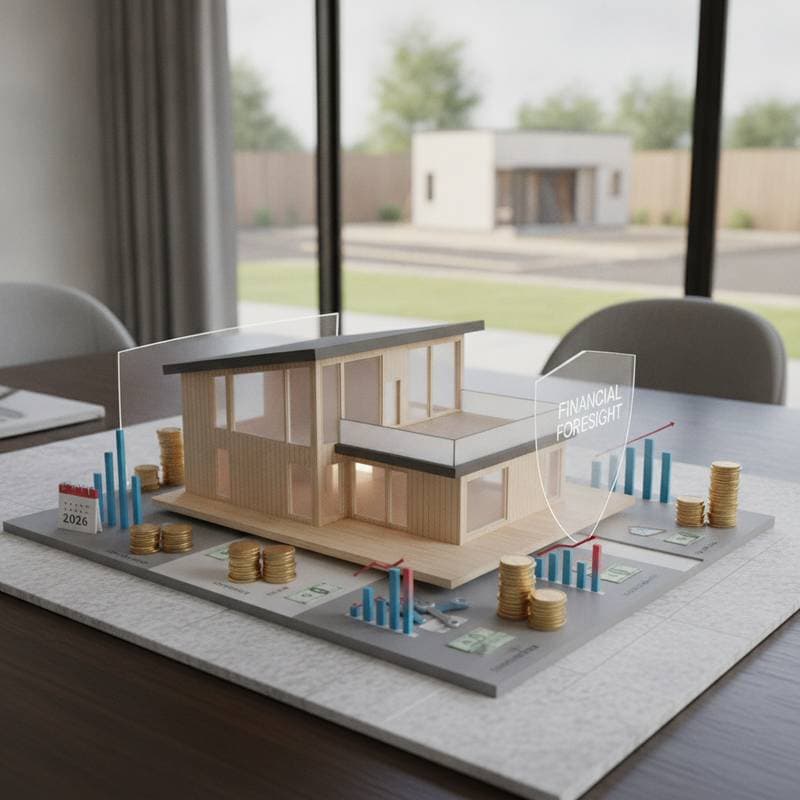
Flood Retrofit Costs: What to Pay in 2026
SEO Title
Estimate Flood Retrofit Costs 2026 | ams11.org
Meta Description
Discover 2026 home retrofit costs, potential savings, and insurance insights. Learn strategies to enhance flood resilience, safeguard property, and make informed investments for future protection.
Excerpt
With escalating climate risks, flood retrofitting emerges as a critical financial priority. This guide details 2026 costs, insurance implications, financing choices, and maintenance essentials. Explore how targeted upgrades, precise contracts, and regular maintenance preserve home value, reduce premiums, and yield enduring savings via resilient strategies.
Boost Home Resilience: 2026 Retrofit Costs and Savings
Homeowners in flood-prone areas confront growing demands to fortify properties against rising waters, elevated groundwater, and evolving weather patterns. Retrofitting for flood resistance has evolved from a discretionary enhancement to an essential economic shield. Beyond technical expertise, effective decisions hinge on thorough cost evaluations, meticulous contract reviews, and comprehension of insurance and financing dynamics in home upgrades.
This analysis examines the economic and operational aspects of flood retrofitting. It outlines anticipated expenses, coverage mechanisms, and high-impact measures. Readers gain tools to select prudent options that secure assets and finances alike.
Analyzing Retrofit Cost Structures
Homeowners typically scrutinize initial bids, yet the comprehensive budget encompasses multiple expense categories. A detailed dissection highlights cost accumulation and potential overlooked charges.
Base Pricing
Standard rates vary by building dimensions and protection scope. Elevating a single-story residence on a crawl space foundation might cost between $50,000 and $150,000. Dry floodproofing begins at $5,000 for basic sealing in modest areas, though full waterproofing escalates to $20,000 or more for larger structures.
Additional Charges
Account for expert evaluations, engineering documentation, and permitting expenses, which often increase the total by 5 to 10 percent. Temporary housing, furniture storage, or preparatory site work may incur further costs during disruption.
Coverage Limits and Caps
Programs tied to insurance frequently set reimbursement ceilings. Partial funding might cover up to $25,000, leaving excess amounts for personal payment. Reviewing these thresholds prior to agreements avoids unexpected outlays.
Out-of-Pocket Expenses
Deductibles and service charges shape net expenditures. Grants or credits for retrofits may mandate contributions based on household income or regional factors.
Long-Term Costs
Annual maintenance, such as inspections, pump servicing, and barrier repairs, accumulates $200 to $500 yearly. Neglect diminishes retrofit efficacy, eroding insurance benefits and diminishing resale worth.
The Financial Case for Retrofitting
Assessing investment viability requires weighing retrofit expenses against flood damage risks, premium adjustments, and equity changes.
Insurance Premium Reductions
Certified flood-resistant properties secure discounts of 10 to 50 percent on premiums, scaled to local hazard levels. These reductions compound annually, frequently recouping a large share of upfront investments.
Avoided Damage Costs
Flood incident records indicate moderate retrofits curb losses substantially. An expenditure of $30,000 on waterproofing could avert $100,000 or more in restoration following a major inundation.
Property Value Impacts
Prospective buyers prioritize resilience in evaluations. Upgraded homes command quicker sales and elevated prices. Lower insurance obligations further enhance appeal in buyer-seller dynamics.
Comparative Cost Table: Typical Flood Retrofit Options
| Retrofit Type | Estimated Cost Range | Key Components Included | Potential Savings from Insurance Discounts |
|---|---|---|---|
| Basic Sealing and Drainage | $5,000 to $15,000 | Sealants, minor grading, gutter extensions | 10-20% premium reduction |
| Sump Pump and Foundation Reinforcement | $15,000 to $40,000 | Pump installation, crack repairs, backflow valves | 20-35% premium reduction |
| Full Elevation or Dry Floodproofing | $50,000 to $150,000 | Structural lifting, comprehensive barriers, engineering certification | 35-50% premium reduction |
This table draws from averaged contractor estimates. Prices fluctuate with geographic location, home size, and regulatory demands.
Evaluating Financing and Payment Strategies
Retrofitting typically blends personal resources, borrowing, and subsidies. Each avenue presents unique commitments and exposure levels.
Loan and Grant Programs
Local governments and financial institutions provide reduced-rate loans for resilience projects. Eligibility ties to site specifics, valuation, and code adherence. Grants might necessitate co-funding or evidence of vulnerability history.
Insurance-Linked Discounts
Providers offer premium offsets for verified retrofits, contingent on third-party certifications. Confirm policy alignment with retrofit criteria prior to commitment.
Self-Funding and Cash Flow Planning
Direct payments eliminate interest burdens but require available capital. Implement phased timelines to distribute costs across periods. Focus initial efforts on high-risk elements like drainage systems or perimeter barriers for prompt safeguards.
Risk Mitigation through Contract Management
Safeguarding funds starts with rigorous agreement scrutiny. Disputes frequently stem from ambiguous language or incomplete project outlines.
-
Detailed Scope Statements
Specify materials, progress checkpoints, and guarantee terms. Ambiguous phrasing fosters conflicts over workmanship or fulfillment. -
Performance Clauses
Incorporate quantifiable standards for barrier integrity or height adjustments. Ensure alignment with regional flood ordinances. -
Payment Schedules
Tie disbursements to confirmed advancements, independent of timelines. This approach promotes reliability and completion. -
Warranty and Liability Coverage
Verify extended protections for components and installation beyond initial use. Obtain proof of active contractor insurance.
Long-Term Financial Planning and Maintenance Obligations
Sustaining resilience demands persistent oversight. Components degrade, and oversight gaps jeopardize coverage.
Maintenance Intervals
- Conduct quarterly tests on sump pumps and drainage paths.
- Perform annual reviews for structural fissures or sealant wear.
- Schedule post-storm assessments after intense precipitation.
Documentation Practices
Maintain records of service timelines, expert observations, and invoices. Carriers rely on such files to validate discount eligibility.
Replacement Cycles
Devices like valves and pumps endure 5 to 10 years. Allocate funds proactively to sidestep crisis spending.
Reading the Fine Print on Retrofit Agreements
Project documents contain intricate provisions dictating responsibility for surprises. Thorough examination shields against liability for provider shortcomings.
Exclusion Clauses
Terms often omit coverage for soil shifts or infrastructure conflicts. Seek documented explanations of implications on budgeting.
Change Orders
Scope alterations demand documented consent. Informal approvals risk escalated charges or invalidated assurances.
Inspection Rights
Retain authority for external audits throughout and post-project. Independent assessments bolster claims for rebates or transfers.
Securing Resilience with Informed Investments
Flood retrofitting represents a blend of engineering and economics. Optimal approaches initiate with systematic hazard appraisals to pinpoint susceptibilities.
Formulate installment-based initiatives calibrated to fiscal means and urgency. Vet provider qualifications and solicit client testimonials for assurance.
Project premium offsets versus upkeep demands to gauge recovery timelines. When benefits surpass expenditures promptly, the endeavor proves worthwhile.
Sustain effectiveness via scheduled checks and coverage audits. Resilience endures through diligent care and records.