2026 Solar Roof Costs and Warranty Coverage Breakdown
National Cost Overview
Homeowners planning a solar roof replacement on a typical 2,000 square foot property face a national average cost of $57,000. Most projects fall between $42,000 and $72,000 depending on system capacity and material choices. Smaller or partial installations begin near $25,000, while premium high-output configurations reach $90,000. Installation generally requires two to three weeks from tear-off through final electrical connection. Licensed contractors must perform all work to maintain warranties and code compliance. Properties with solar roofs typically see an 8 to 12 percent increase in resale value.
Key Pricing Variables
Multiple factors determine final project cost. System size measured in kilowatts sets generation capacity and overall expense. A 5 kW array suits modest homes, whereas 15 kW or larger systems support larger properties or electric vehicle charging.
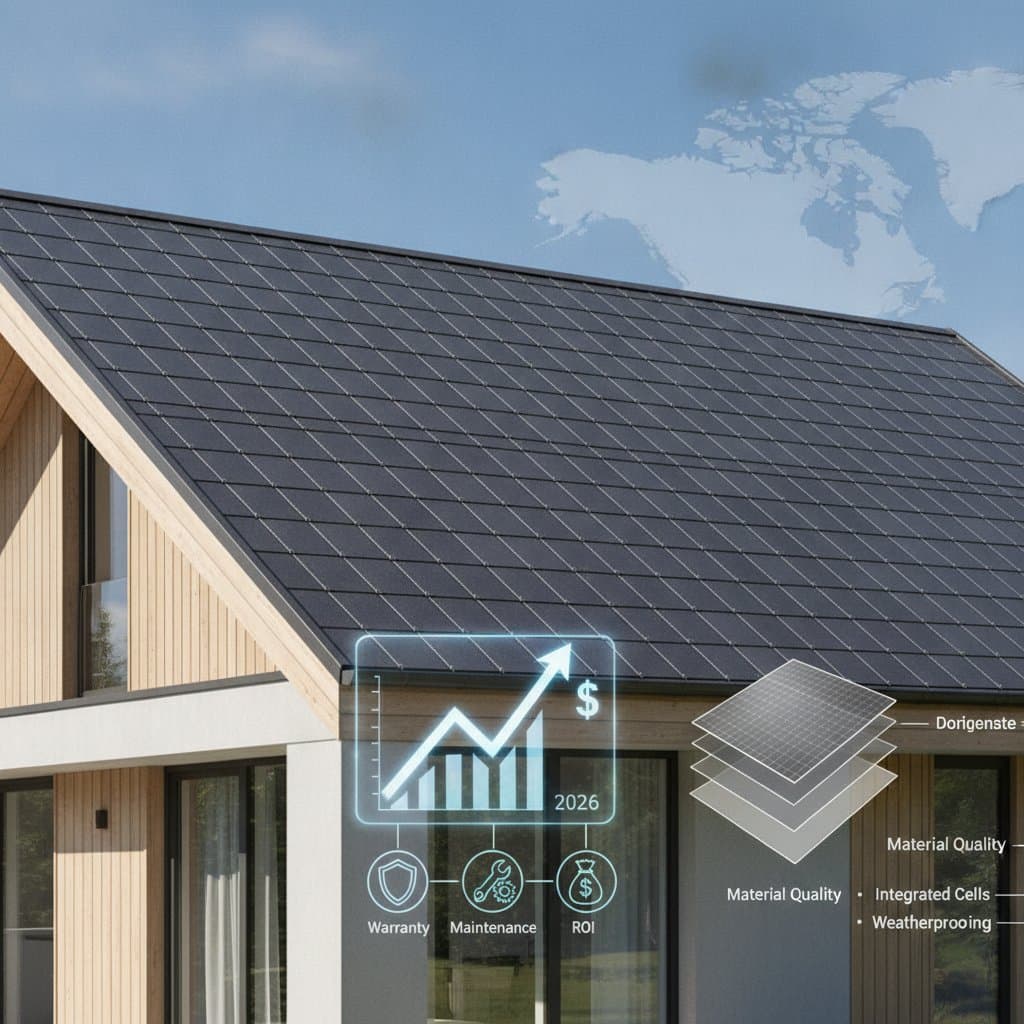
Material selection also influences price. Tempered glass shingles that resemble slate or tile offer superior hail resistance and aesthetics. Standard glass or composite options reduce upfront cost but may deliver modestly lower energy output.
Site conditions affect labor requirements. Steep pitches or complex rooflines extend installation time and demand additional safety measures. Limited access for equipment can trigger extra staging fees.
Seasonal demand shifts labor rates. Spring and early fall bookings often carry premium pricing, while winter or late summer scheduling may yield discounts.
Custom modifications such as upgraded flashing or panel upgrades require clear documentation before work begins to avoid change-order surprises.
Cost Reduction Strategies
Homeowners can lower expenses without compromising performance through targeted decisions.
- Install solar shingles on south-facing slopes only and use conventional shingles elsewhere to reduce total cost by approximately 30 percent.
- Select mid-tier output tiles that generate slightly less power yet cost up to one dollar less per watt.
- Complete roof decking or insulation repairs before solar work starts to avoid later panel removal.
- Schedule projects during off-peak months and coordinate with neighbors for possible volume pricing.
Request itemized proposals from at least three contractors. Each bid should list equipment brand and watt rating, labor cost per watt, roofing material specifications, electrical scope, permit fees, and warranty transfer terms.
Contractor Selection Process
Thorough vetting protects both investment and warranty coverage.
- Confirm active roofing and electrical licenses in your state.
- Obtain certificates of insurance and workers compensation documentation.
- Collect three recent local references with project addresses.
- Verify manufacturer certification for the specified product line.
- Require a detailed written scope and staged payment schedule.
The contract scope must specify total roof area, system kilowatt rating, exact shingle or tile model, inverter count, monitoring equipment, and permit responsibility.
Standard payment structures release funds in four stages: 10 percent at signing, 40 percent upon material delivery, 40 percent after inspection, and 10 percent following system activation and walkthrough. Full payment should never occur before commissioning.
Ongoing Care and Longevity
Solar roofs need minimal maintenance compared with traditional shingles. Rinse panels with low-pressure water twice annually to clear dust and pollen. Inspect edges and flashings after storms and keep nearby trees trimmed to prevent shading.
Output drops often indicate inverter issues. Moisture beneath glass tiles signals seal failure. Loose flashing requires prompt attention to avoid leaks and warranty complications.
Individual inverters or damaged shingles can be replaced without full roof removal when spare parts remain available. Complete system replacement is uncommon before the 25-year mark.
Planning Your Installation
Accurate system sizing based on actual household consumption rather than roof area alone ensures optimal return. Certified installation protects safety and preserves full warranty value. Homeowners who coordinate these elements realize reliable energy production and lasting property improvement.