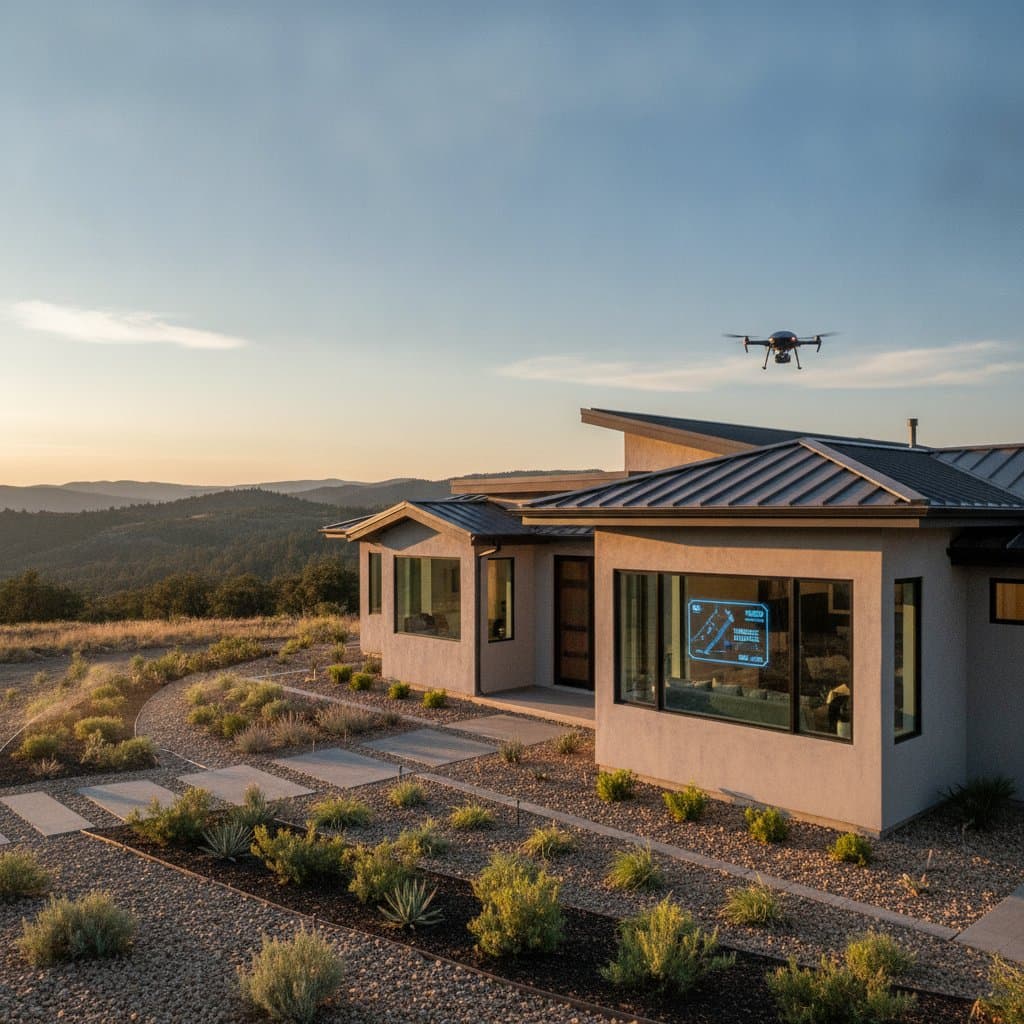
Home Warranty vs Insurance: Climate Damage Coverage
Home insurance covers sudden climate-related damage such as wind, hail, or fire. A home warranty covers wear and tear on systems and appliances, not weather events. Both protections are required for complete coverage.
At a Glance
- Average cost: Home insurance ranges from 1200 to 2200 dollars per year. Home warranty ranges from 400 to 800 dollars per year.
- Typical claim time: Insurance processes claims in one to four weeks. Warranties dispatch service in two to five days.
- Difficulty level: Insurance involves moderate paperwork. Warranties are straightforward once established.
- Key risks: Coverage gaps and claim denials for excluded causes remain common.
Why Coverage Distinctions Matter
Storms, floods, and heat events place increasing stress on homes. Many homeowners assume one policy will address all damage. These protections operate on separate principles. Understanding the distinctions prevents expensive surprises during climate events.
Core Coverage Differences
Home insurance addresses sudden and accidental damage. This includes wind, hail, lightning strikes, and frozen pipes during extreme weather. It also covers theft and liability. Floods and earthquakes require separate policies.
Home warranties address mechanical or functional breakdowns from normal use. They may repair an HVAC system that fails after prolonged heat. They will not cover a unit damaged when a storm removes its housing.
Coverage Comparison
| Type | Covers | Does Not Cover |
|---|---|---|
| Home Insurance | Roof damage from wind, interior water from storms, fallen trees, fire from lightning | Appliance breakdown from normal wear |
| Home Warranty | HVAC systems, plumbing, electrical components, kitchen appliances | Flood, fire, roof damage, weather-related issues |
Decision Factors
Local climate dictates additional needs. Coastal or high-rainfall zones require flood or wind riders. Older homes benefit more from warranty coverage on aging systems. Higher deductibles reduce premiums yet increase out-of-pocket expenses during claims. Assess personal risk tolerance for mechanical failures before selecting limits.
Insurance Advantages and Limitations
Home insurance covers major structural losses and personal property. Lenders often require it. It excludes slow or preventable damage. Premiums continue to rise in high-risk regions.
Warranty Advantages and Limitations
Home warranties provide predictable repair costs and coordinate service with one call. They assist older systems effectively. Contractor selection is limited. Pre-existing conditions lead to denials. Climate damage falls outside their scope.
Cost Ranges and Drivers
A typical home insurance policy costs between 1200 and 2200 dollars annually. Property value, claim history, and regional risk influence pricing. Flood or wind coverage adds 400 to 1200 dollars. Home warranties cost 400 to 800 dollars per year. Premium plans that include HVAC, plumbing, and electrical coverage increase the total. Service call fees average 75 to 150 dollars per visit.
Recommended Sequence
- Review the insurance policy for exclusions related to water or wind.
- Add flood or windstorm riders through separate underwriting when needed.
- Compare warranty coverage tiers and service limits.
- Photograph all covered equipment and record serial numbers.
- Reassess both policies annually based on weather patterns and home age.
When to Seek Professional Help
Policy review can be completed independently. Complex coverage questions or flood mapping require a licensed insurance agent. Warranty providers assign technicians for claims.
Required Documentation
- Policy documents
- Warranty contract
- Home inventory list
- Camera or smartphone for documentation
- Spreadsheet or folder for receipts
Ongoing Maintenance Requirements
Clear gutters regularly. Inspect the roof. Replace HVAC filters every one to three months. Warranties require proof of maintenance for claim approval. Insurance adjusters examine for neglect during assessments.
Regional Climate Impacts
Dry regions encounter wildfires and heat stress on electrical systems. Coastal areas face wind and salt corrosion. Inland zones experience heavier rainfall or freeze-thaw cycles.
Annual Protection Review
Examine current protection each year. Request modeling from the insurer to show payouts during a major storm. Confirm the warranty covers systems most likely to experience strain in the local climate. This approach maintains appropriate safeguards as conditions evolve.