How Much Does Solar Panel Maintenance Cost? Pricing Guide
Solar energy systems deliver long term savings by reducing utility bills and increasing property value. Their efficiency depends on proper upkeep. Professional solar panel maintenance costs between 150 and 600 dollars per service. Most homeowners pay around 350 dollars nationally for a standard cleaning and inspection.
Prices are expected to surge by nearly 35 percent as labor costs, equipment expenses, and material shortages increase. Three key factors determine your final cost. These include system size, service complexity, and maintenance frequency. Larger systems require more labor hours. Roof accessibility can raise setup and safety costs.
Regular cleaning and inspection protect panel output. Skipping maintenance can reduce energy production by up to 25 percent. Timely upkeep preserves panel lifespan and maximizes return on investment for decades.
Detailed Cost Breakdown
Most solar panel maintenance companies charge per system or per panel. Average pricing falls between 15 and 25 dollars per panel for basic cleaning. A minimum service fee of 150 dollars is common for small installations. This covers travel and setup.
National cost distribution shows that the lower quartile of homeowners pays around 200 dollars. The median price is about 350 dollars. The upper quartile can exceed 600 dollars for large or complex systems. Regional averages vary. Coastal and urban markets trend higher due to labor rates and insurance costs.
Size and Scope Factor
System size directly affects cost. A 20 panel array usually costs 300 to 400 dollars for cleaning and inspection. Each additional 10 panels adds roughly 100 dollars to the total. A commercial roof with 100 panels can exceed 1200 dollars due to additional labor, equipment, and safety requirements.
Maintenance costs rise about 10 percent per additional kilowatt of capacity. Multi story properties or steep roof angles can increase total costs by 20 to 30 percent. This reflects added safety harnesses and setup time.
Material and Quality Tiers
Solar panels vary in material quality, coating type, and manufacturer specifications.
- Entry level systems use standard tempered glass and require semiannual cleaning. Basic maintenance costs 15 to 18 dollars per panel. The panels typically last around 20 years with proper care.
- Mid range systems with anti reflective coatings from brands like Qcells or Canadian Solar cost 20 to 25 dollars per panel for cleaning. They need specialized solutions to avoid surface damage.
- Premium panels from SunPower or LG Solar may carry a higher maintenance price of 25 to 30 dollars per panel. These systems feature advanced coatings and tighter installation tolerances.
Complexity Variables
Accessibility and system configuration can significantly influence pricing. Ground mounted systems are easier to service and cost 10 to 15 percent less than roof mounted arrays. Roofs with complex slopes or obstructions require additional labor time and equipment.
Existing condition assessments also matter. Dirt buildup, bird droppings, and oxidation on wiring connections can add diagnostic time. Code compliance checks or electrical testing may increase the bill by 75 to 150 dollars.
Geographic multipliers are another consideration. Areas with high labor demand or limited renewable service providers may experience price premiums of 15 to 25 percent. Rural regions often face fewer options and higher travel costs.
Service Types and Comprehensive Pricing
Basic Maintenance Package
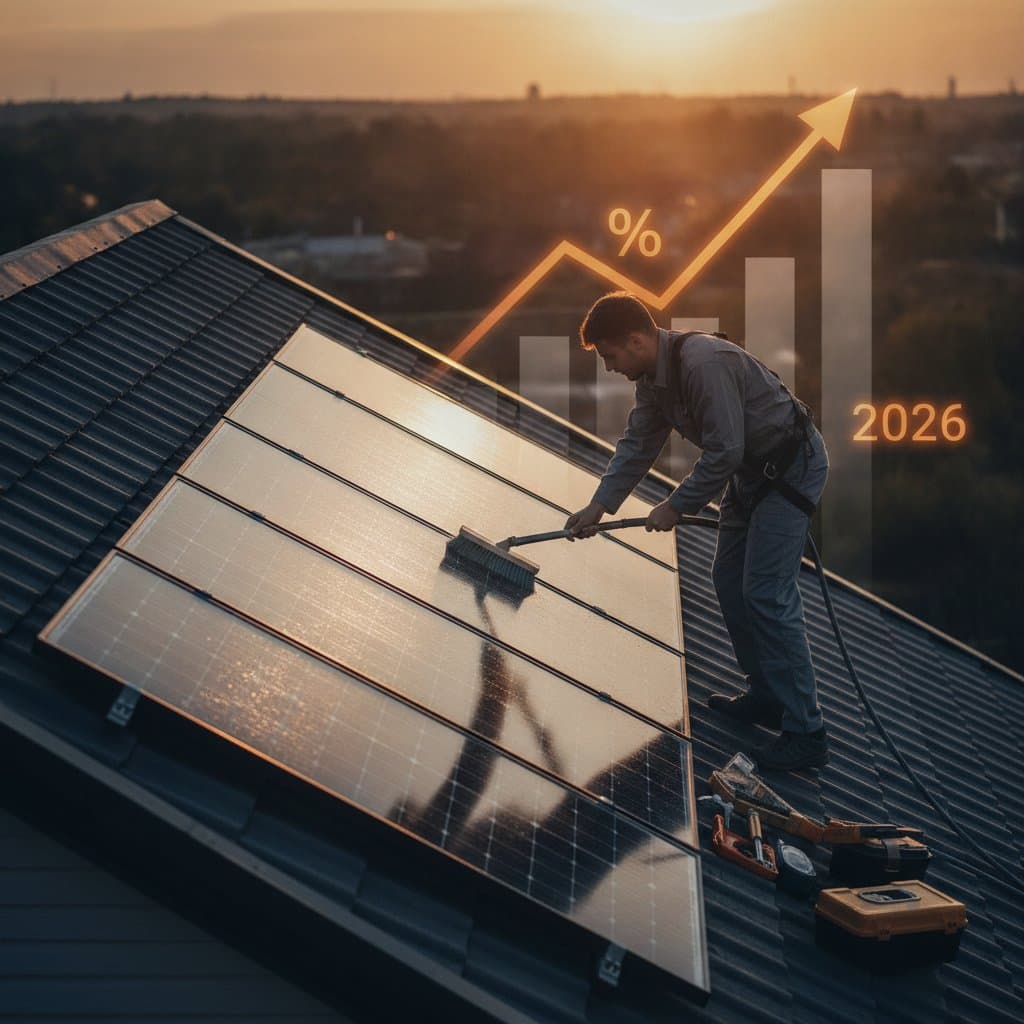
A standard solar maintenance package includes visual inspection of panels and mounts, cleaning to remove dust, pollen, and debris, electrical connection check, and performance output testing. This service typically takes 1 to 2 hours for a residential system and costs 250 to 400 dollars.
Premium Maintenance Package
Comprehensive maintenance includes everything in the basic package plus thermal imaging to detect hot spots, inverter inspection and recalibration, wiring and junction box testing, and a detailed performance report. This premium service costs 450 to 700 dollars. Homeowners who schedule annual premium maintenance often see energy yield improvements of 5 to 10 percent.
Add On Services Matrix
Many contractors offer optional services that enhance performance and longevity.
- Pest guard installation costs 100 to 250 dollars and prevents nesting and wiring damage.
- Panel coating treatment costs 150 to 300 dollars and reduces buildup and cleaning frequency.
- Inverter replacement check costs 75 to 150 dollars and extends system reliability.
- Bundle discounts of 10 to 15 percent apply when combining cleaning and inspection.
Scheduling during the off peak season or bundling annual services can save households up to 20 percent compared to on demand requests.
Professional vs. DIY Analysis
DIY Cost Breakdown
Cleaning panels yourself can seem economical but involves several hidden costs. Basic cleaning supplies like Ettore Solar Panel Cleaner and Unger water fed poles cost around 80 dollars combined. A non abrasive cleanser adds another 20 dollars. Safety gear such as roof harnesses can exceed 100 dollars.
Time investment averages 3 to 4 hours for a small system. Factoring opportunity cost and potential risk, total DIY expenses often reach 200 to 300 dollars without professional results. Improper cleaning techniques may void warranties or scratch surfaces.
Professional Advantages
A certified solar technician completes maintenance safely and efficiently. This saves homeowners time and potential risk. Professionals use deionized water systems and manufacturer approved cleaning tools that preserve coating integrity.
Insurance coverage and workmanship warranties are included in most professional services. Experts also identify early signs of inverter failure or corrosion. The break even point between DIY and professional service occurs after one or two cleanings when warranty coverage and performance gains outweigh initial savings.
Decision Framework
Choose professional maintenance if your panels are roof mounted, under warranty, or part of a high output system. DIY cleaning can be reasonable for small, ground mounted setups with easy access. Mistakes such as using hard water, abrasive brushes, or detergents can decrease energy output by 15 percent or more.
Actionable Cost Saving Strategies
Timing Optimization
Maintenance costs fluctuate seasonally. Booking during late winter or early fall can cut prices by 10 to 20 percent due to reduced demand. Midweek appointments often come with small discounts since technicians prefer filling slower days.
Smart Shopping Tactics
Comparing at least three quotes from platforms like Angi or HomeAdvisor can save up to 25 percent. Request written estimates that include travel fees and warranty terms. Some companies offer cash payment discounts or lower rates for multi year service contracts.
Preparation Actions
Homeowners can clear debris around the installation, trim nearby trees, and ensure easy access to the roof before service. Each preparation step can reduce labor time by 10 to 15 minutes. This translates to 25 to 50 dollars in savings.
Market Dynamics and Considerations
Geographic Variations
Maintenance costs rise in dense urban regions by 20 to 30 percent due to higher insurance and labor rates. In rural communities, fewer specialized contractors lead to travel surcharges averaging 50 to 100 dollars. States with renewable incentives tend to have more competition, keeping prices moderate.
Market Timing
Labor inflation and supply chain fluctuations are pushing solar maintenance costs upward. Replacement parts like inverters and connectors are affected by global sourcing delays. As renewable adoption expands, demand for certified technicians grows, influencing service rates.
Value Indicators
Well maintained solar systems can increase home resale value by 3 to 5 percent and reduce long term energy costs by thousands of dollars. Regular cleaning preserves panel efficiency and avoids premature degradation.
Protecting Your Energy Investment
With maintenance expenses projected to rise by 35 percent, proactive scheduling and smart contracting are essential. Homeowners who lock in annual agreements today can safeguard against future price hikes while ensuring peak system output. Clean, efficient panels deliver steady energy savings and stronger property value. Consistent professional care remains the most reliable way to protect your renewable energy investment for years to come.