2026 ADU Costs: What Homeowners Actually Pay
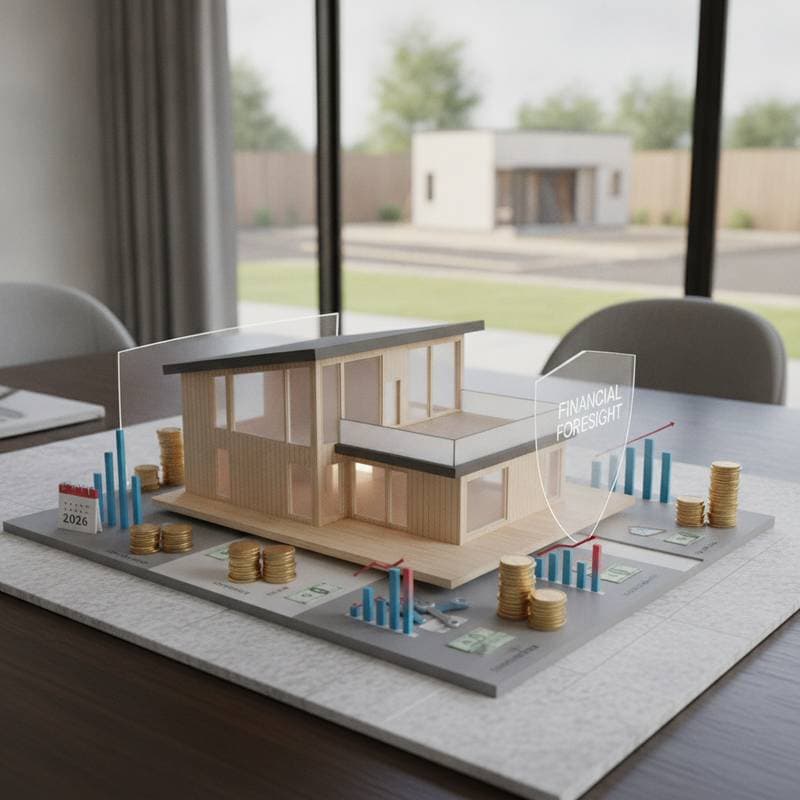
Building an accessory dwelling unit requires careful planning around size, location, and site conditions. Most projects fall between 120000 and 350000 dollars for a finished unit. Detached structures typically require the largest investment, while conversions of existing spaces reduce overall expenses.
Defining an ADU
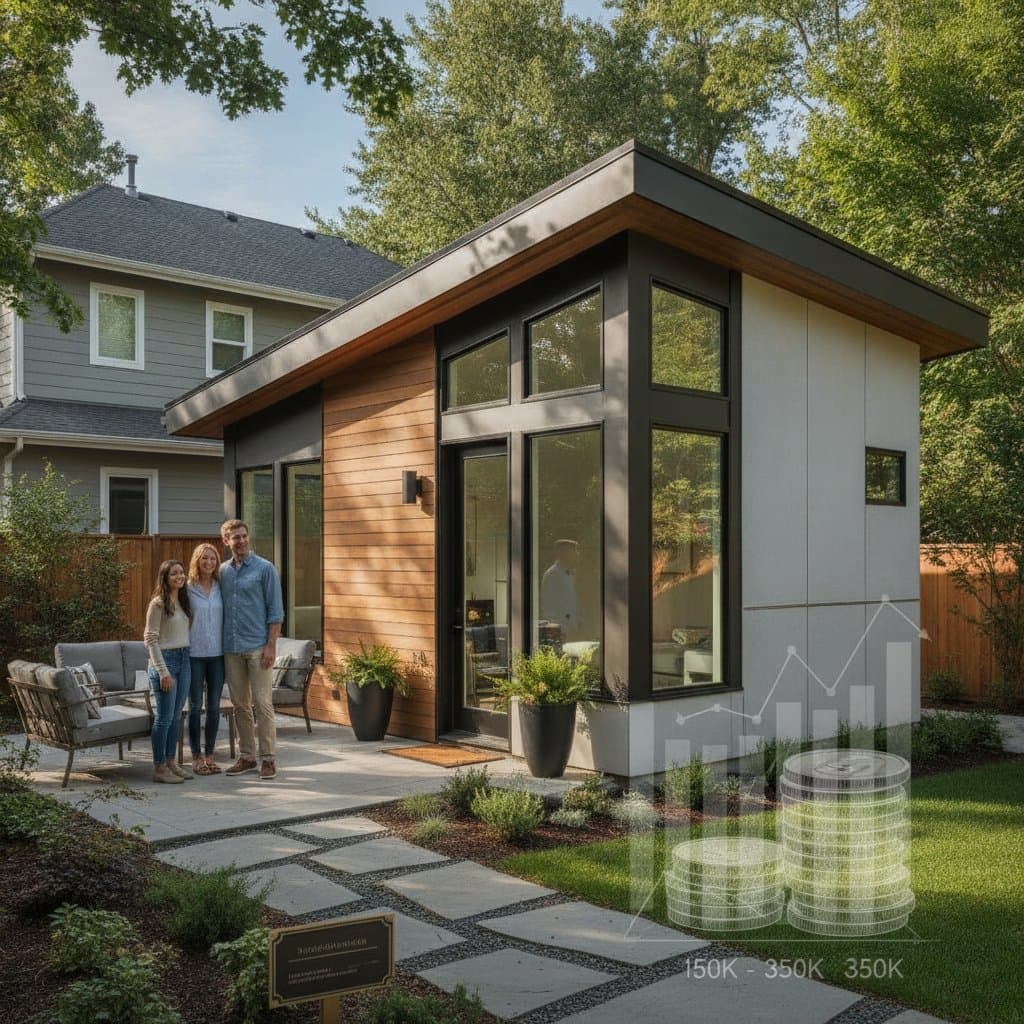
An accessory dwelling unit functions as a self contained living space on the same lot as a primary residence. These units appear as attached additions, detached cottages, garage conversions, attic buildouts, or basement suites. Each configuration must include a kitchen, bathroom, sleeping area, and private entrance.
Local regulations generally restrict ADU size to 400 through 1000 square feet. Understanding these limits early prevents redesign costs later.
Situations Where an ADU Adds Value
- Aging parents or adult children need nearby housing.
- Property owners seek steady rental income.
- Additional space is required for a home office or visitors.
- Local housing shortages create demand for new units.
- Unused yard areas offer room for new construction.
Zoning approval allows homeowners to address these needs without purchasing additional land.
Breakdown of Typical Costs
| Line Item | Typical Range | Key Variables |
|---|---|---|
| Design and permits | 8000 to 25000 dollars | Architectural drawings, engineering reviews, and municipal fees |
| Site preparation and utilities | 10000 to 40000 dollars | Grading, excavation, and utility connections |
| Foundation | 15000 to 40000 dollars | Slab on grade costs less than crawl space options |
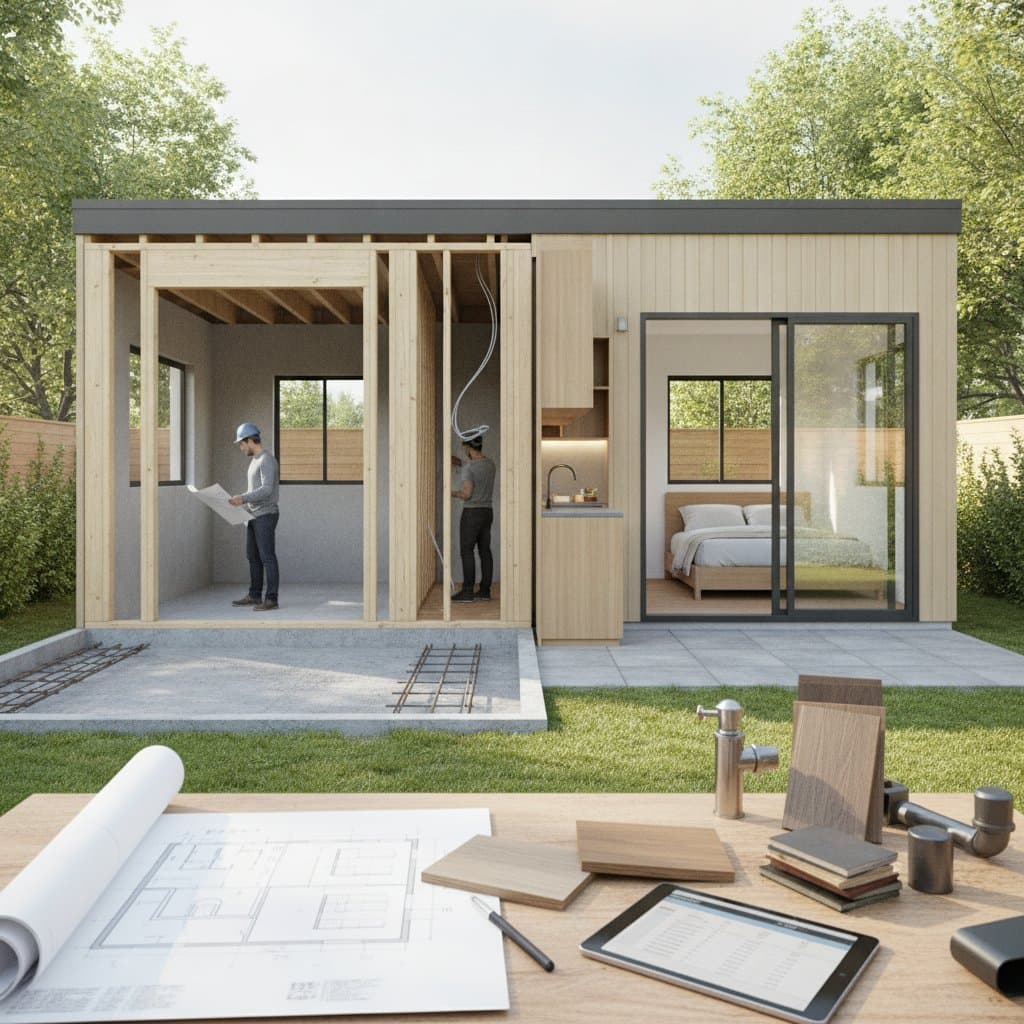
| Framing and exterior shell | 40000 to 90000 dollars | Building size and choice of materials |
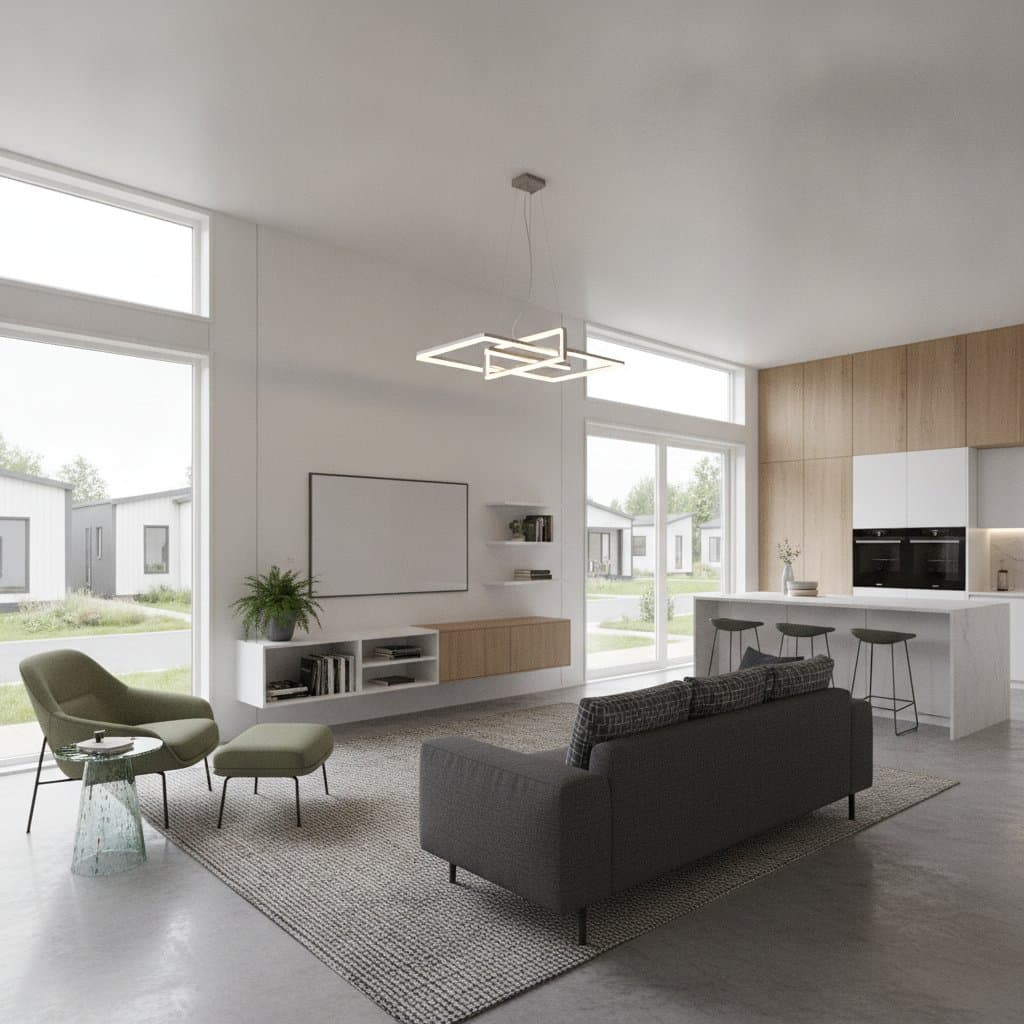
| Interior finishes | 25000 to 80000 dollars | Cabinetry, flooring, and fixture selections |
| HVAC, plumbing, and electrical | 20000 to 50000 dollars | Mini split systems often reduce mechanical expenses |
| Landscaping and site work | 5000 to 20000 dollars | Driveways, walkways, and fencing |
National averages center near 250000 dollars. Simple garage conversions start around 120000 dollars, while custom detached units reach 350000 dollars or higher. Coastal and urban jurisdictions increase expenses through stricter permitting. Rural sites may lower labor rates yet raise utility extension costs.
Safety Requirements and Code Compliance
Obtain all required permits before any construction begins. Install smoke and carbon monoxide detectors in every unit. Follow grounding standards and place GFCI outlets near water sources. Observe all setback and height restrictions set by local ordinances. Complete inspections of gas and water lines prior to occupancy.
Failure to secure approvals can invalidate insurance coverage and delay final certificates of occupancy.
Regional Considerations
Cold climates demand extra insulation and frost protected foundations. Hot and humid regions benefit from vapor barriers and dedicated dehumidification. Arid areas require UV resistant roofing and stucco exteriors. Marine environments call for corrosion resistant hardware and mold resistant drywall.
Some municipalities limit unit size to 800 square feet or restrict rental periods. Verify these rules before finalizing designs. Local materials such as fiber cement siding typically deliver better long term performance.
Schedule foundation work during mild weather when possible. Interior finishing can proceed year round under temporary cover.
Common Questions
Most codes permit units as small as 400 square feet. Rental use is allowed when zoning supports it, though some areas require owner occupancy on site. Property taxes usually increase based on the assessed value of the new structure. Separate utilities are optional, and shared connections can reduce initial expenses.
Next Steps for Homeowners
Begin with a zoning review to confirm feasibility on your property. Engage a designer familiar with local ADU regulations to produce accurate drawings. Obtain multiple contractor bids that itemize each cost category listed above. Schedule utility locates and soil tests early to avoid later surprises. A properly executed unit adds living space, generates income potential, and increases overall property value.